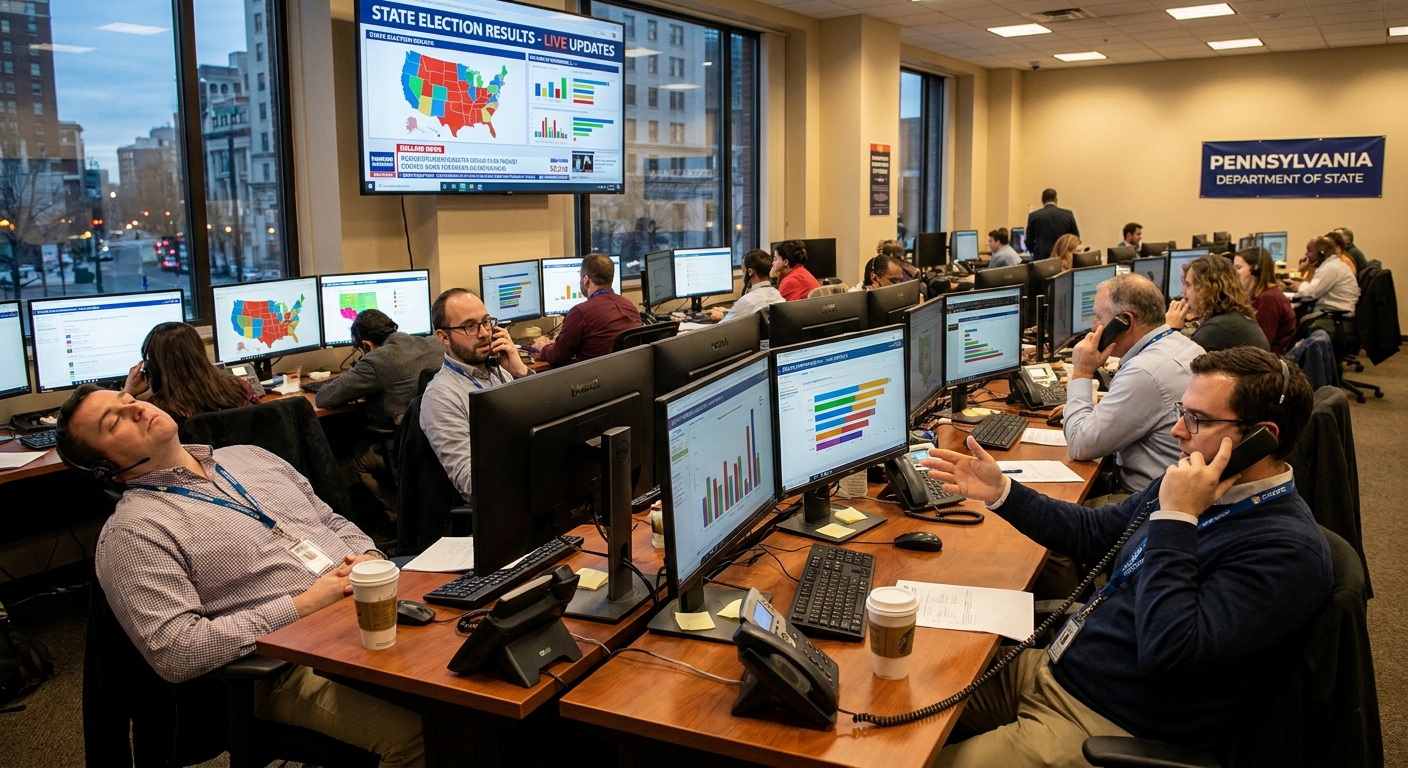
During election season, the phrase “the secretary of state” starts showing up in headlines like it is a single national referee. It is not. There is no single federal official who serves as “secretary of state for elections.” The federal government does have election-related roles, including the Department of Justice enforcing voting rights laws, the Election Assistance Commission issuing guidance and administering Help America Vote Act programs, and the FEC regulating federal campaign finance. But the front-line administration of voting still runs through the states.
That visibility can be misleading. In most states, a secretary of state does not personally count your ballot, staff your polling place, or adjudicate a local recount dispute. Those jobs typically sit with local election officials and state or local boards, depending on state law. But the secretary of state often sets statewide rules and runs shared infrastructure that makes those local actions legally and administratively possible.
Join the Discussion
Why this office matters
The Constitution gives states the power to run elections in the first instance. Article I, Section 4 provides that the “Times, Places and Manner” of congressional elections are set by state legislatures, subject to Congress’s power to alter those rules. Presidential elections run through the Electoral College, but states still set the procedures for choosing electors. Then the Fourteenth, Fifteenth, Nineteenth, Twenty-Fourth, and Twenty-Sixth Amendments place constitutional limits on how states may restrict the franchise.
That division of power produces a practical reality: election administration is highly legal, highly state-specific, and extremely process-driven. The secretary of state is often the person tasked with translating statutes, regulations, and court decisions into operating rules that counties and local jurisdictions can actually implement.
In some states, a different official fills the statewide “chief elections officer” role, or major authority sits with a board or commission. But where the secretary of state is in charge, the office sits at the junction of three things voters care about: who gets on the ballot, who gets on the voter rolls, and when results become official.
Certification: making results official
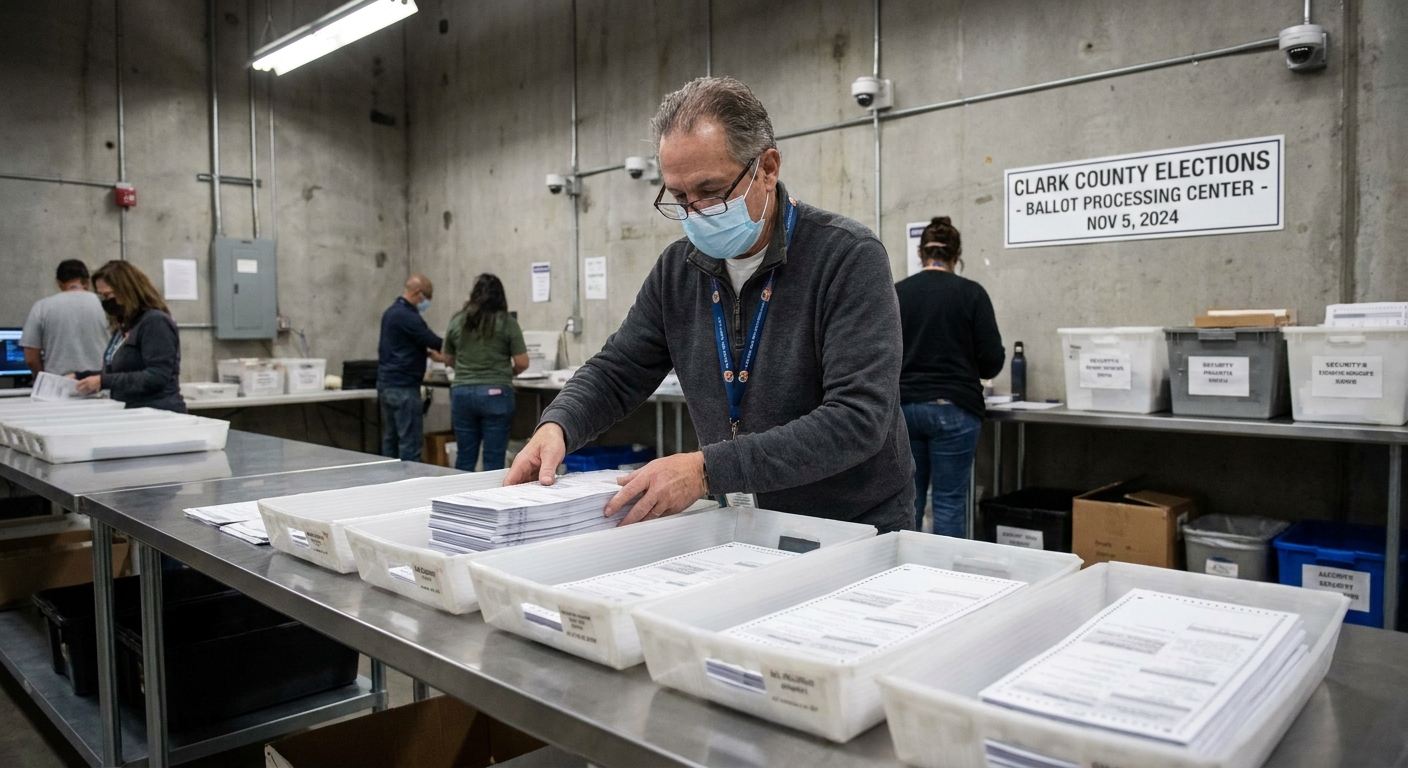
Certification is not a single dramatic moment where one person “declares a winner.” It is a sequence of legal steps that turn preliminary returns into official results.
What certification usually includes
- Receiving local canvass results. Local election officials first canvass and certify results at the county or jurisdiction level. That process typically includes reconciling ballots, processing eligible provisional ballots, reviewing write-ins where applicable, and completing documentation required by state law. Post-election audits may occur before or after certification, depending on the state and the audit type.
- Statewide canvass and aggregation. The state then compiles local totals into statewide results for federal, statewide, and sometimes multi-county contests. In some states this is done by the secretary of state; in others it is done by a canvassing board on which the secretary may serve.
- Issuing a certificate of election. After the statewide canvass, many states issue formal certificates for winning candidates. Depending on the state, this may be done by the secretary of state, a canvassing board, or another state officer.
- Presidential elector paperwork. In presidential elections, the certified results feed into the appointment of electors and the documentation that ultimately goes to Congress.
The key point is that certification is constrained by statute. Deadlines, documentation requirements, recount triggers, and contest procedures are typically written into state law. Secretaries of state administer that framework. They do not invent it in the moment.
What certification does not mean
Certification does not mean the secretary of state personally verified each ballot. It does not mean fraud is impossible. It does mean the state has completed the legally required process and is putting its name on the final numbers.
One concrete example of how this plays out: if a state requires a “cure” process for mail ballots with signature issues, the secretary of state may issue guidance on notice timelines and acceptable cure methods. Counties then implement that process, and the cure window can affect when results are final enough to certify.
Voter registration oversight: the statewide plumbing
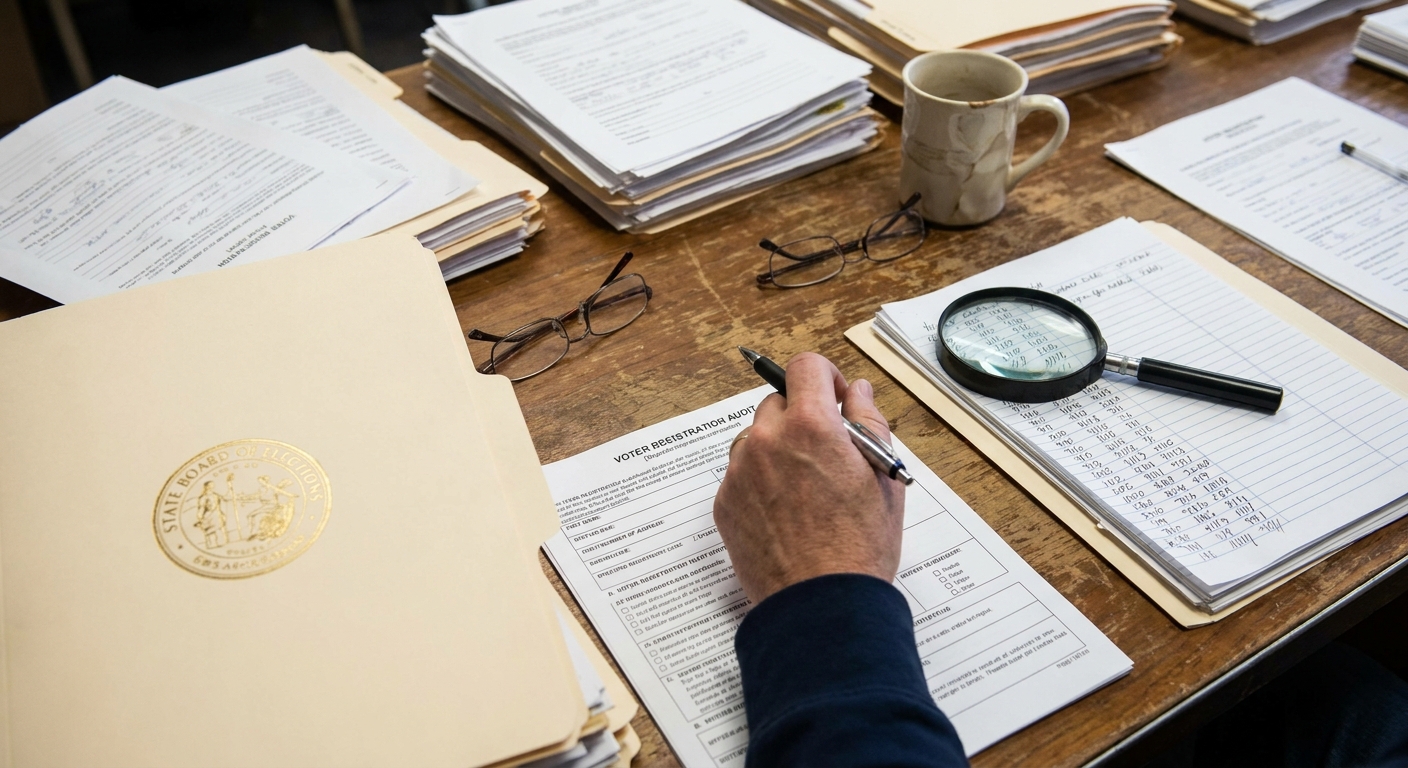
In many states, the secretary of state runs the statewide voter registration database and issues guidance on how counties should maintain voter rolls. Whether that guidance is formally binding, advisory, or binding only when adopted through rulemaking varies by state. This is less glamorous than certification, but it is where many election disputes begin, because it affects who can vote and how smoothly elections run.
Common responsibilities
- Managing the statewide voter registration system. Counties enter registration data, but the state maintains the centralized system that keeps records consistent across county lines.
- Setting uniform rules and forms. That can include statewide registration forms, signature requirements, and procedures for verifying identity where state law requires it.
- List maintenance and removals. States must follow federal rules, including the National Voter Registration Act, when removing voters for reasons like moving, death, or felony status where applicable. Secretaries of state often publish procedures local officials must follow.
- Coordinating with motor vehicle agencies. Under the “motor voter” framework, state agencies often feed registration data into election systems. In many states the secretary of state coordinates that pipeline, sometimes alongside another agency or a board.
- Training and guidance. Many offices publish election manuals, conduct webinars, and provide local election administrators with directives and interpretation memos.
This is the part of the job where the office can feel the most like a regulator. The decisions are often technical, but the stakes are civic. A rule about what counts as a matching signature can determine whether a ballot is counted. A rule about which address counts as “residence” for voting can shape where a voter is eligible to cast a ballot.
Ballot access: who gets to appear before voters
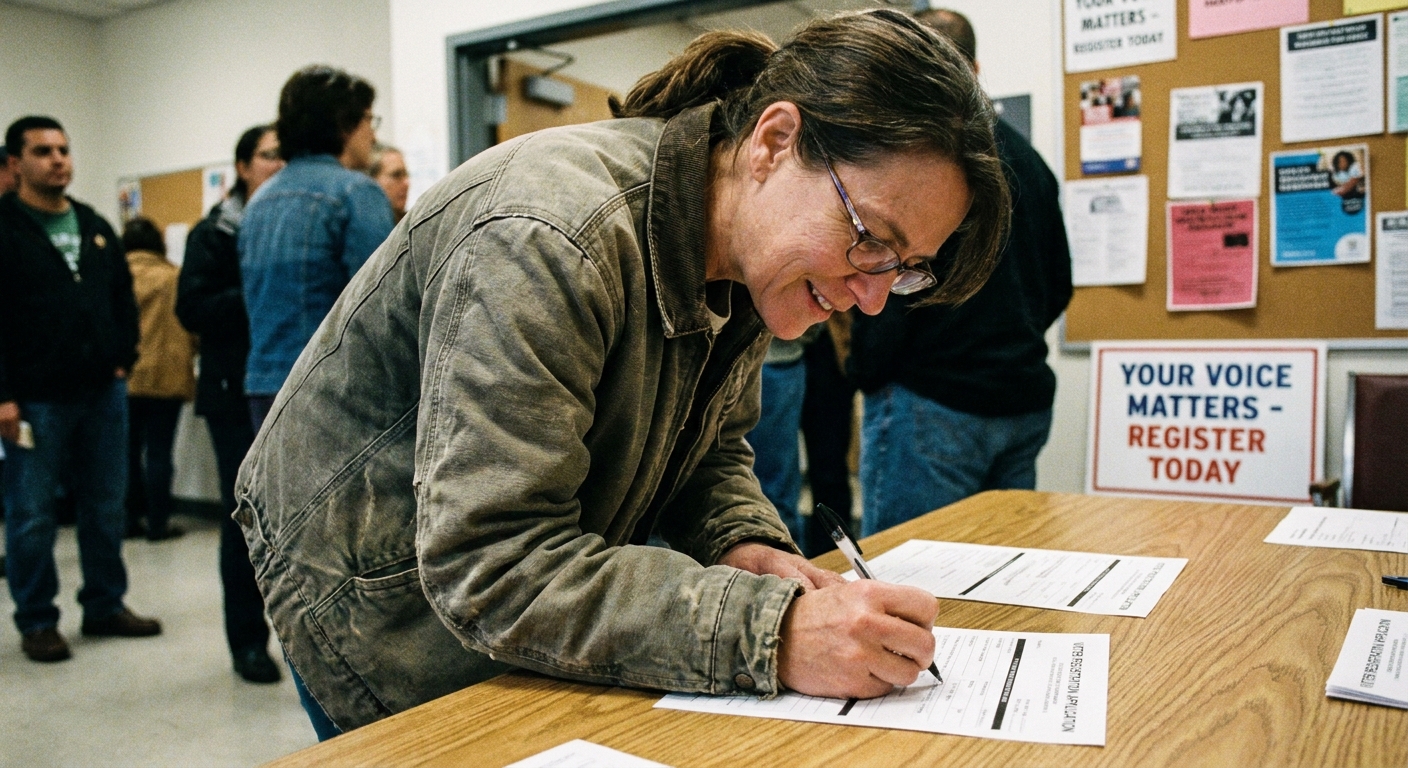
If voting is the act of choosing, ballot access is the act of being eligible to be chosen. Ballot access rules decide how political parties qualify, how independent candidates qualify, what deadlines apply, and what paperwork must be filed. In many states, the secretary of state is the filing officer and an enforcer for these rules.
Typical ballot access duties
- Candidate filing. Receiving declarations of candidacy, nominating petitions, filing fees, and other required documents.
- Petition review and challenges. Some states place the secretary of state in the middle of petition verification, signature sampling, or the initial handling of ballot challenges before disputes head to court.
- Party recognition rules. Administering statutes that define when a party is officially recognized and how it retains that status.
- Ballot measure qualification. In initiative and referendum states, secretaries of state may verify signatures, approve titles, or certify that a measure qualifies for the ballot, depending on the state’s design.
- Ballot order and formatting standards. The office may set or enforce rules that determine how contests appear on ballots statewide.
These are rule-heavy decisions, which is why they generate litigation. Courts regularly hear disputes about whether ballot access rules are too restrictive, whether they are applied evenly, and whether they burden constitutional rights like speech and association.
Security and voting systems
Another common statewide responsibility is election security. In many states, the secretary of state plays a role in certifying voting systems or equipment, setting security standards, and coordinating cybersecurity and physical security planning with counties and federal partners. The details vary widely: some states centralize equipment certification at the state level, while others rely more heavily on local procurement within state-approved lists or rules.
How the secretary of state differs from governors and local officials
People often talk about election administration as if it has a single command chain. In reality, it is split between state-level rulemaking and infrastructure, and local execution.
Secretary of state vs governor
- The governor executes laws broadly. Governors may sign election bills, call special sessions, and in some states have emergency powers that affect election logistics in a crisis. But the governor is usually not the day-to-day election administrator.
- The secretary of state is often the specialized elections officer. Where the secretary of state is the chief elections officer, the office issues election directives, certifies results, and manages statewide election systems.
- Both are political, but their roles differ. A governor’s connection to elections is typically legislative and executive. A secretary of state’s connection is administrative and procedural, which can make conflicts of interest feel sharper when the secretary is also a partisan actor.
Secretary of state vs local election officials
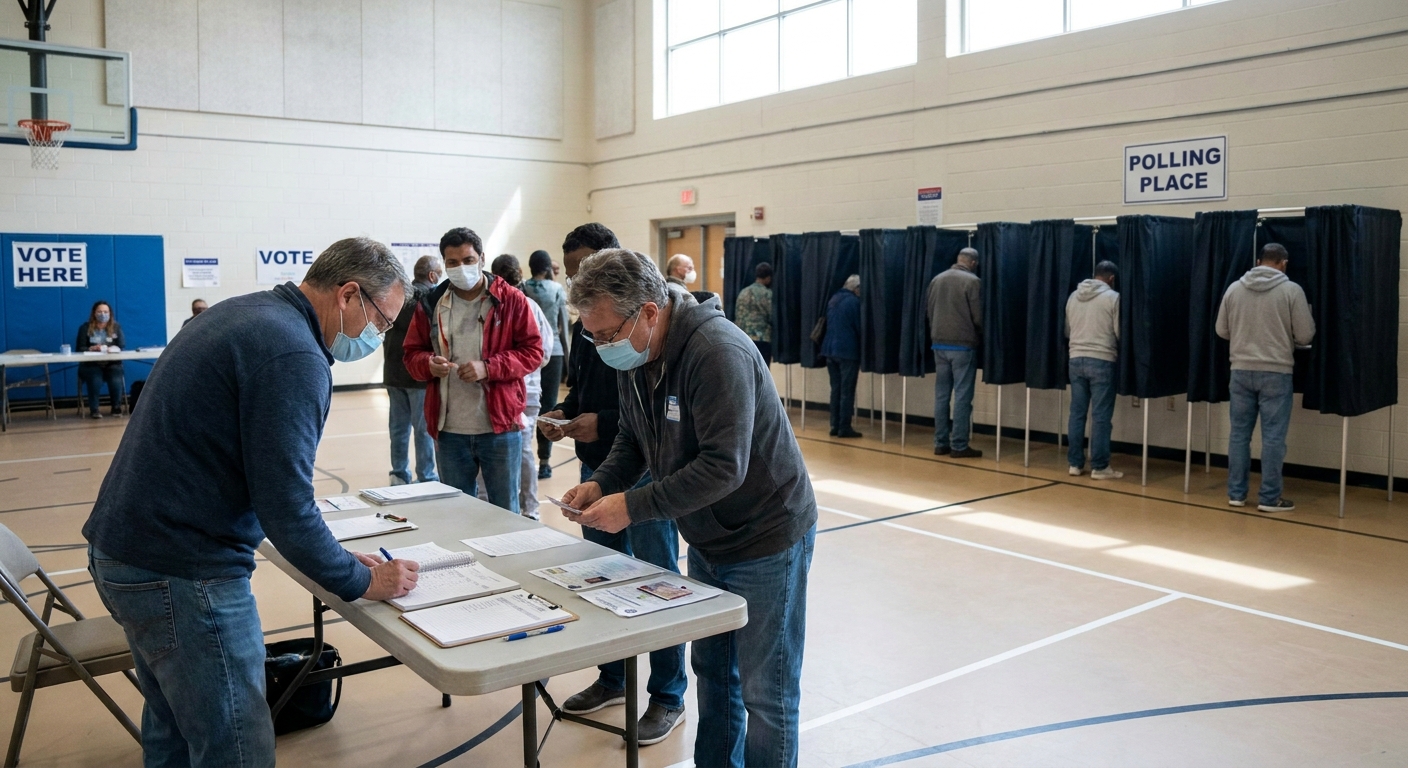
- Local jurisdictions run polling places. Local officials recruit poll workers, print and distribute ballots, operate early voting sites, process mail ballots, and conduct the first canvass. In many places those officials are county clerks or election directors, but titles and structures vary.
- Local jurisdictions are where voters interact with the system. If your registration is missing, if you need a replacement ballot, or if you are checking in at a polling place, you are dealing with local administrators.
- The state sets uniformity and compliance. The secretary of state often sets statewide standards and ensures local jurisdictions follow them, especially where state law requires uniform procedures.
Think of it like a transportation system. Local jurisdictions are the drivers and mechanics. The secretary of state is closer to the state’s rulebook, routing, oversight, and statewide registration and reporting systems. Governors are closer to the elected leadership that decides what the overall transportation budget and legal structure will be.
Partisan vs nonpartisan norms by state
There is no national rule for how secretaries of state are chosen, and that choice shapes public trust. In many states, the secretary of state is an openly partisan elected official. In others, the position is appointed, or election oversight is handled by a board or commission.
Common models
- Elected partisan secretaries of state. Many states elect a secretary of state on a party ballot line. This is normal in the constitutional sense, but it creates an inherent tension when the official overseeing election rules is also a party politician.
- Appointed secretaries of state. In some states, the governor appoints the secretary. That can reduce campaign pressures, but it can also shift the perceived conflict of interest to the governor’s office.
- Independent or bipartisan election boards. Some states place major election authority in a commission structure, sometimes with balanced party membership, sometimes with a professional administrator.
“Nonpartisan” can mean different things in practice. A state might hold formally nonpartisan elections for certain offices, but candidates still have ideological and party networks. Or the state may rely on professional administrators who are not elected at all. What matters is not the label. What matters is the system of accountability and the guardrails: transparency, clear statutory limits, judicial review, and public access to records and procedures.
Where the Constitution shows up
Because elections are state-run, most of the legal action happens under state constitutions and state statutes. But federal constitutional constraints are always in the background.
- Equal protection. Rules about ballot counting, recount standards, and access can raise Equal Protection Clause questions if similarly situated voters are treated differently across jurisdictions.
- First Amendment association and speech. Party recognition and candidate access rules often implicate associational rights.
- Due process. Sudden rule changes, unclear standards, or inconsistent enforcement can raise procedural fairness concerns.
- Anti-discrimination amendments. Race, sex, age (18 and older), and poll-tax related limits are constitutionally constrained.
- Congressional statutes. Federal laws like the Voting Rights Act, the NVRA, UOCAVA (military and overseas voting), and the Help America Vote Act add layers of requirements that secretaries of state and local officials must follow.
That is why the office is frequently pulled into litigation. A secretary of state can be sued not because they personally changed a vote, but because the office issued guidance, enforced a deadline, certified a ballot measure, certified equipment standards, or interpreted a statute in a way that someone claims burdens voting rights.
What to watch during an election cycle
If you want to understand what a secretary of state is doing in real time, focus less on speeches and more on process documents. Election administration is paperwork with consequences.
- Election directives and guidance memos. These often explain how the office interprets new laws or court decisions.
- Certification calendars and canvass deadlines. Many states publish timelines that show when local jurisdictions report, when audits occur where required, and when the state canvass meets.
- Recount rules and triggers. Automatic recount thresholds and candidate-requested recount procedures vary widely, and responsibility may sit with local officials, courts, or a state board depending on the state.
- Ballot access deadlines. Filing dates, petition requirements, and cure periods are where disputes often start.
- Voting system certification and security notices. Look for approved equipment lists, security directives, and incident reporting guidance.
- Public records and transparency policies. How a state handles voter list requests, audit reports, and election equipment certification can shape trust.
None of this is as viral as a headline about “refusing to certify.” But it is where the real governing happens. Elections are not one decision. They are a chain of decisions. Secretaries of state, where they are empowered as elections officers, hold several of the links.