
When a politician trends, it is rarely because the public suddenly discovered a love for statutory citations.
“Secretary Rubio” surged on X because two immigration-enforcement storylines hit the algorithm on the same day, and both were framed as a simple morality play: remove the “undeserving,” override the “soft” governor, restore order.
But immigration does not work like a morality play. It works like a set of levers spread across agencies, statutes, and constitutional boundaries, with a lot of room for confusion about who did what and what “revoked” even means.
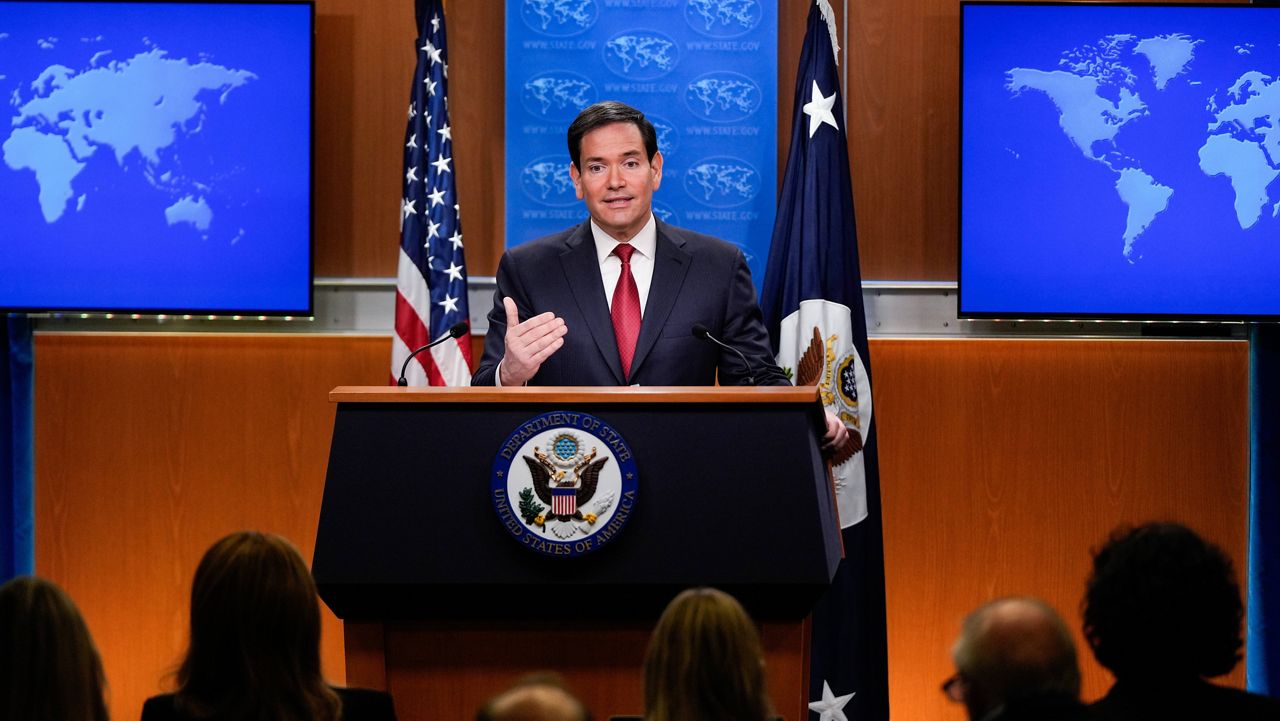
This piece is about the durable civics beneath the viral moment: what it means to lose a green card, how a state pardon collides with federal immigration consequences, and why Secretary of State Marco Rubio is an unusually sticky symbol for actions that often happen somewhere else in the bureaucracy.
Join the Discussion
What went viral, in plain terms
The trending spike traces to two highly shareable claims that circulated in near-identical language across large accounts:
- Story A: A Kuwaiti national, Tareq Alkhudari, allegedly had his green card revoked after initially entering the U.S. on a student visa, and was being “sent home.”
- Story B: A convicted sex offender who had received clemency from Minnesota Governor Tim Walz allegedly had his legal immigration status revoked, with posts presenting the federal action as a direct rebuttal to the governor’s pardon.
Those two threads share a single attention hook: “Rubio did it.” Even when the underlying authority is dispersed across DHS components and immigration courts, attaching a named Cabinet official makes the story searchable, repeatable, and politically legible.
First, a constitutional reality check: who runs immigration?
The Constitution does not have a single “Immigration Clause,” but the federal government’s dominance in immigration law is the product of several powers working together: Congress’s authority over naturalization, foreign affairs powers, and the long line of Supreme Court doctrine treating immigration as a core area of national sovereignty.
Translation: states can punish crimes, and governors can pardon state convictions, but states do not get the final word on whether a noncitizen can remain in the United States.
That is why a state-level clemency fight can become an immigration story at all. The federal government is the gatekeeper for admission, removal, and lawful status.
What “revoking a green card” usually means (and what it does not)
A green card is permanent residence, but it is not citizenship. Permanent residents can lose that status through several pathways, and the vocabulary around it is messy online.
Green cards are durable, but conditional in important ways
In practice, “revocation” claims tend to collapse a few different processes into one word:
- Rescission: the government seeks to undo a previously granted permanent residence on the theory that it never should have been granted (for example, if it was obtained through fraud or ineligibility). Rescission is time-sensitive and process-heavy.
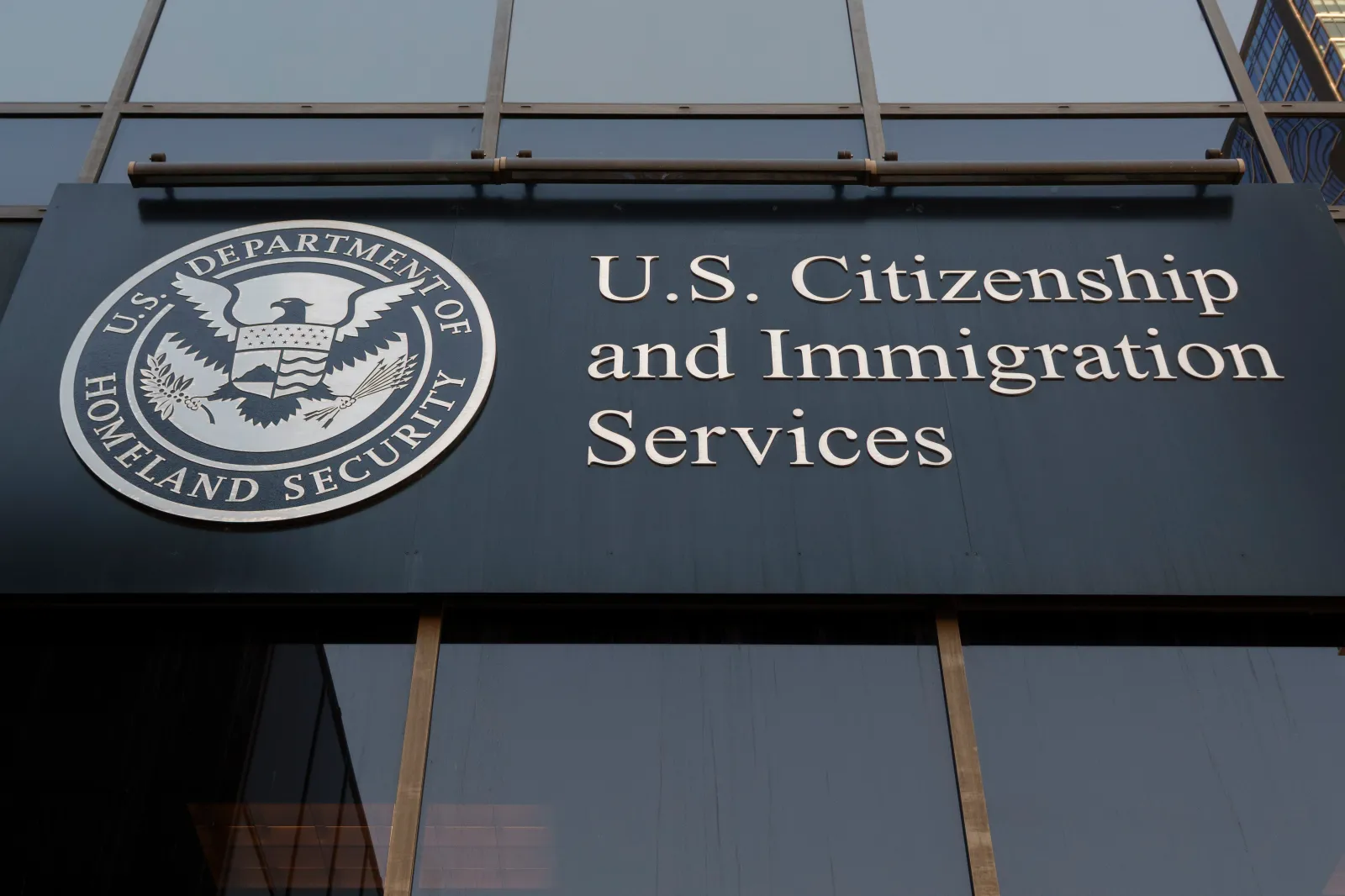
- Removal (deportation) after a finding of removability: the government alleges the person is removable under immigration law, often because of criminal convictions, fraud, national security grounds, or status violations. This typically runs through immigration court unless expedited mechanisms apply.
- Abandonment: permanent residents who effectively relocate abroad can be treated as having abandoned residence, though that is fact-specific.
The key constitutional point is due process. Even noncitizens inside the U.S. have procedural protections. The government can remove lawful status, but it generally must do so through procedures the law recognizes, with the ability to contest the government’s claim in the forums Congress has created.
Student visa to green card is not automatically suspicious
The viral framing leans heavily on a “pipeline” idea: entered on a student visa, later obtained a green card, therefore something improper happened.
Sometimes fraud is real. But the sequence itself is not proof of abuse. Many lawful immigrants begin on temporary visas and later adjust status through family sponsorship, employment sponsorship, or other statutory categories. The legal questions are not moral, they are technical: was the person eligible, and did they tell the truth during the process?
The Alkhudari thread: why it is politically potent
The first viral cluster centered on the claim that Tareq Alkhudari, identified as a Kuwaiti national, entered the United States on a student visa, later obtained a green card, and then had that green card stripped with the federal government moving to send him out of the country.
That story is tailor-made for social media because it compresses multiple bureaucratic steps into one satisfying verb: revoked. It also hits three high-engagement pressure points:
- Visa integrity: suspicion that temporary visas are being used as stepping stones without sufficient enforcement.
- “Legal immigration” as a rhetorical shield: influencers can celebrate enforcement while insisting they support “legal” pathways.
- A single named villain and a single named hero: the individual being removed and the official credited for doing it.
What you should watch for, civics-wise, is the paper trail. If the government is truly undoing permanent residence, there is typically a formal posture behind it, like a charging document in immigration court, a rescission process, or a finding tied to fraud or ineligibility. Viral posts do not supply those details, and the details are where legality lives.
The Walz pardon thread: why a governor’s clemency does not end the immigration story
The second thread is a cleaner civics lesson, even though it is being shared as partisan punchline: a state pardon and federal immigration consequences are not the same thing.
A pardon is powerful, but it is not a universal eraser
In American constitutional structure, pardons exist in two distinct lanes:
- Presidential pardons cover federal offenses.
- Governor pardons generally cover state offenses under that state’s law.
A governor can forgive a state crime. That can change state penalties and sometimes state collateral consequences. But immigration is federal, and Congress defines which conduct triggers removal or blocks lawful status.
Even when immigration law gives weight to certain forms of post-conviction relief, the analysis is not “the governor pardoned, therefore the person stays.” It becomes a technical inquiry: what exactly was the conviction, what exactly did the pardon do under state law, and what does federal immigration law treat as still relevant?
Why this story went viral specifically
The posts framed the federal action as a direct rebuke to Governor Walz, and that is the political fuel. The legal fuel is the underlying separation: a state may choose mercy, but the national government may still decide a noncitizen is removable or ineligible for continued lawful status based on federal categories.
So what can Rubio actually do here?
This is the part viral posts rarely explain: the Secretary of State is not the front-line administrator of most domestic removal actions. That job is typically performed through the Department of Homeland Security and its components.
But it is still plausible for the Secretary of State to be meaningfully involved, depending on the mechanism:
- Visa authority: The State Department has central power over visa issuance and revocation for people seeking entry or re-entry.
- Foreign affairs coordination: Removal logistics often require coordination with foreign governments for travel documents and repatriation arrangements.
- Public messaging: Even when another agency executes the action, a Cabinet official can become the face of the policy direction.
In other words, “Rubio revoked a green card” might be an imprecise shorthand for a larger enforcement posture in which multiple agencies play roles. Shorthand is not inherently false, but it is often incomplete, and incompleteness is where misinformation thrives.
The constitutional stakes hiding under the trend
This trend is not just about two people. It is about how Americans understand the rule of law when the law is unpopular, or when enforcement is popular.
Three durable constitutional themes are doing the real work here:
- Federalism: A governor’s clemency power is real, but it does not displace federal immigration authority.
- Due process: Lawful status can be taken away, but procedures matter. “Good riddance” is a slogan, not a hearing.
- Accountability: Viral politics prefers a single hero and a single villain. Constitutional governance prefers a traceable chain of legal responsibility.
If you want to be a harder target for viral manipulation, ask two questions every time you see “revoked” in an immigration post:
- What exact status is being discussed (visa, green card, parole, asylum, deferred action)?
- What legal mechanism is being used (visa revocation, rescission, immigration court removal, expedited removal, administrative termination)?
Those questions do not kill the story. They restore it to the constitutional system it is actually happening inside.
Why “Secretary Rubio” is a trend that will keep returning
Today it is Alkhudari and a Walz-linked clemency backlash. Tomorrow it will be a different name and a different headline. The pattern is durable because it fits the modern attention economy:
- Immigration enforcement produces discrete, dramatic actions that can be narrated as wins or scandals.
- Cabinet officials are memorable anchors even when the operational work is dispersed.
- State-federal conflict is instantly legible, even when the legal details are not.
The Constitution does not trend. But it is still the architecture underneath every “revoked,” every “pardoned,” and every claim that a single official can, by force of will, reorder a person’s legal life overnight.