
When a state supreme court blocks a congressional map weeks before a midterm election, it feels like the judiciary is stepping onto the field in the fourth quarter. But in American election law, that is often exactly when courts show up, because that is when deadlines turn legal theories into practical consequences.
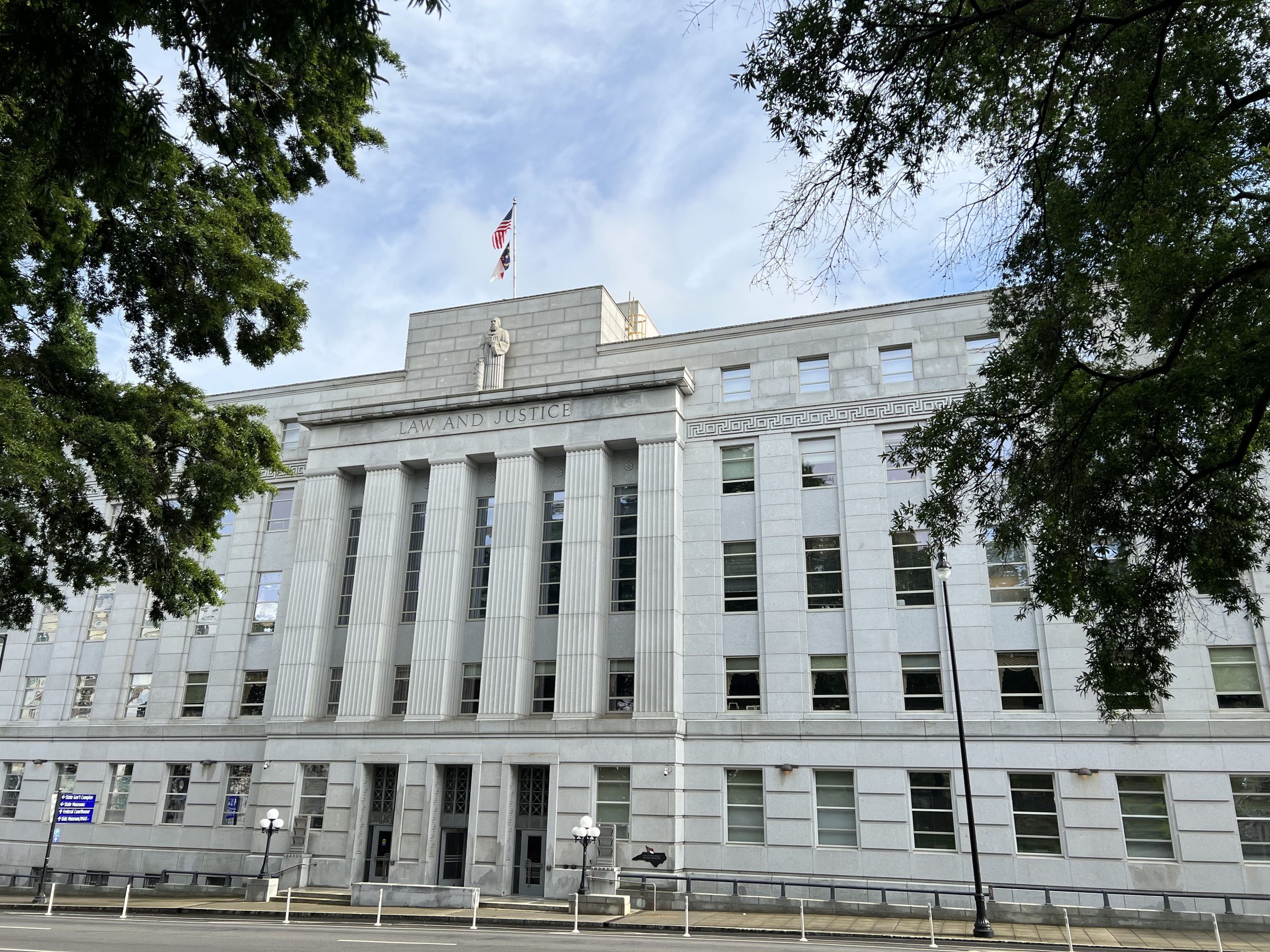
A real and influential example came in North Carolina. In the 2022 cycle, the North Carolina Supreme Court reviewed challenges to maps enacted after the 2020 census and ultimately invalidated them under the North Carolina Constitution, setting off a fast-moving dispute over who sets the rules and what happens when the calendar is already running out. The political reaction was predictable. The constitutional mechanics underneath it are the part worth understanding.
Join the Discussion
Who draws maps, and why courts matter
The U.S. Constitution gives states the first move on congressional elections. Article I, Section 4, often called the Elections Clause, says the “Times, Places and Manner” of holding elections for Senators and Representatives “shall be prescribed in each State by the Legislature thereof,” though Congress can override state rules.
That sentence is the seed of many modern redistricting fights. State legislatures draw congressional districts because the federal Constitution lets them. But they do not draw them in a vacuum. They still have to follow:
- The U.S. Constitution (especially equal protection principles like one person, one vote).
- Federal statutes like the Voting Rights Act.
- The state constitution and state election laws, including any state-level redistricting criteria, procedural rules, or protections adopted by that state.
State courts exist to interpret and enforce state law, including the state constitution. So when a congressional map is challenged for violating North Carolina’s own legal rules, North Carolina’s judiciary is not “taking over” redistricting so much as doing the classic judicial job: deciding whether the government followed the law it is bound by.
What it means to block a map late
There are different ways courts intervene, and the details matter. A court can issue a temporary order that pauses a map while the legal challenge is resolved. It can declare a map unlawful and send it back to the legislature. Or it can, in rare cases, impose a remedial map if the political branches cannot produce a lawful one in time.
When the calendar is tight, timing becomes a legal issue, not just a logistical headache. Ballots need to be designed and printed. Candidates need to know which district they are running in. Election administrators need voter files, precinct assignments, and mailing timelines to be stable.
Courts consider those realities when deciding whether to grant equitable relief and, if so, what remedy can actually be implemented without breaking the election itself. This is why you will often see judges talk about election disruption and voter confusion. Even if a map is unlawful, courts still have to decide what remedy is lawful and feasible.
Late changes and the Purcell principle
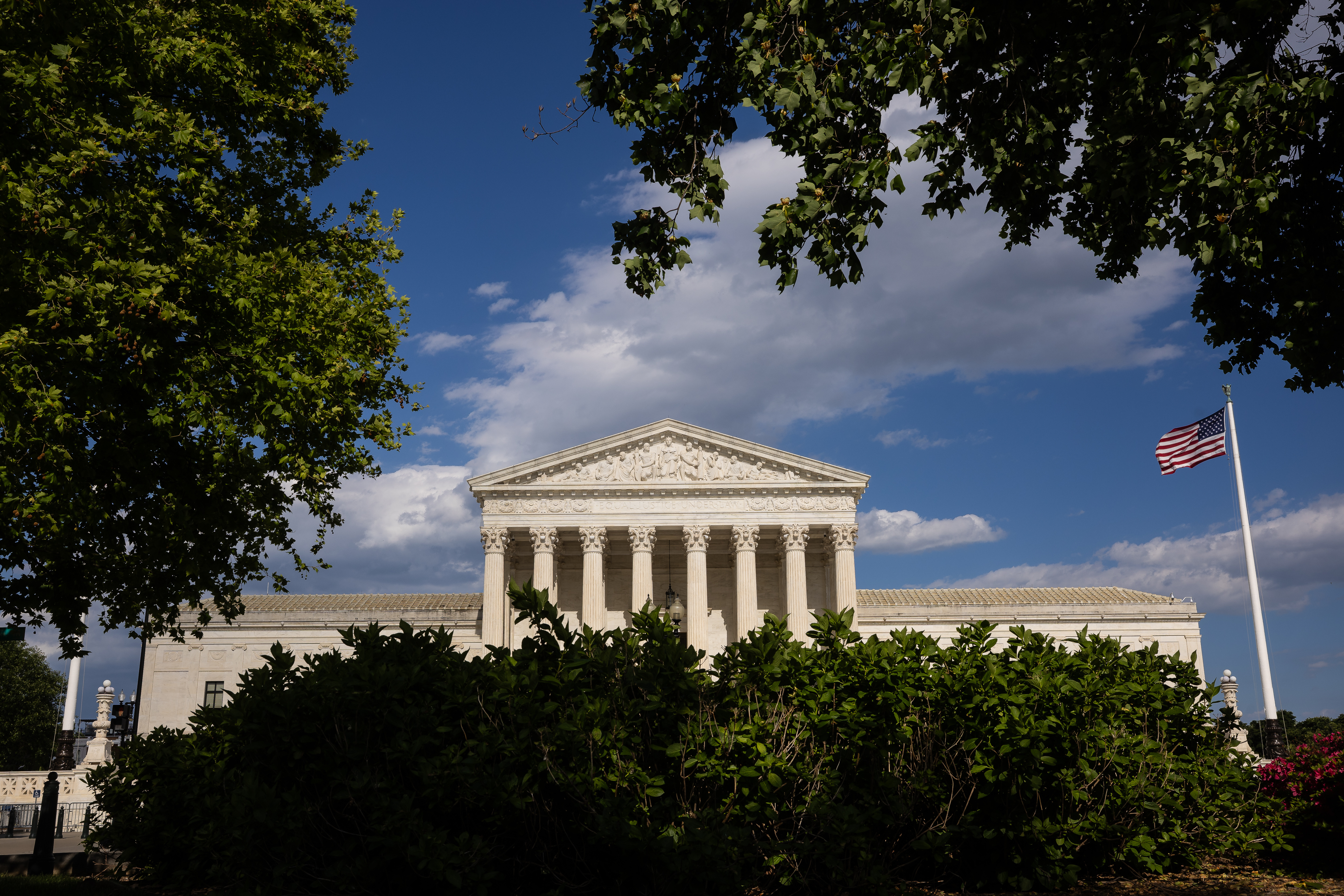
There is a federal concept that shadows almost every late-breaking election dispute in emergency posture: the Purcell principle, named for Purcell v. Gonzalez (2006). The basic idea is that federal courts should be cautious about changing election rules too close to an election because sudden shifts can confuse voters and burden administrators.
Purcell is not a formal multi-factor test, and it is not a magic “no changes allowed” rule. It is more like a warning label. Courts still step in when they believe the law requires it, especially when a map is likely invalid and the harm of using it outweighs the disruption of stopping it.
State courts are not federal courts, and Purcell is not a state-law doctrine that binds them as such. But the practical reality it reflects is the same: the closer you get to Election Day, the harder it becomes to fix a legal problem without creating a new one.
Why gerrymandering fights go to state court
Americans tend to assume there is a straightforward federal rule against partisan gerrymandering. There is not.
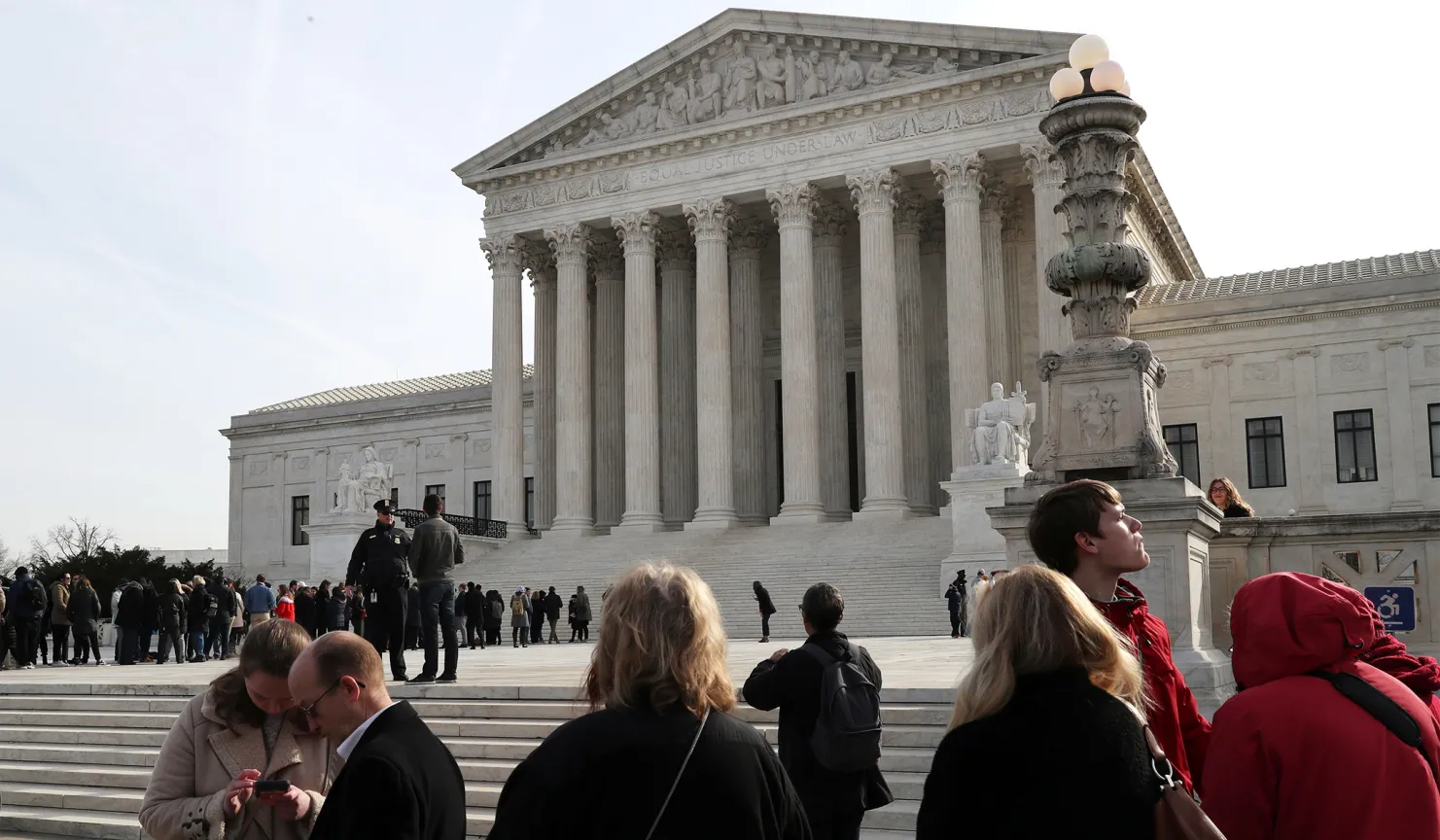
In Rucho v. Common Cause (2019), the U.S. Supreme Court held that claims of partisan gerrymandering present political questions that federal courts cannot adjudicate under the U.S. Constitution because there are no “judicially discoverable and manageable standards” to decide them. That decision did not bless gerrymandering. It pushed many of these disputes away from federal judges.
After Rucho, the most meaningful limits on partisan map-drawing often come from:
- State constitutions (some regulate partisan fairness, competitiveness, or district compactness).
- State statutes that set criteria for redistricting.
- State constitutional procedures for how maps must be enacted.
That is a big reason a state supreme court can be a decisive actor in a congressional map fight. If the claim is “this map violates North Carolina law,” North Carolina’s courts are the front line.
How state courts review federal election rules
It sounds contradictory at first: Article I says the “Legislature” sets the rules, yet a court can stop the legislature’s map. The reconciliation is simple but important.
A legislature in the Elections Clause sense is still a state lawmaking entity operating under the state constitution. If a state constitution imposes constraints, those constraints define what the legislature is allowed to do. A court enforcing those constraints is not inventing new election rules. It is enforcing the rules the state has already adopted as its fundamental law.
This is also where the “independent state legislature theory” enters public debate. The U.S. Supreme Court addressed a strong version of that theory in Moore v. Harper (2023), rejecting the idea that state legislatures are essentially unchecked by state courts when regulating federal elections.
At the same time, Moore did not give state courts an unqualified blank check. The Court indicated there can be a limited role for federal review if a state court departs so far from ordinary judicial review that it effectively seizes lawmaking power rather than interpreting law.
What happened in North Carolina
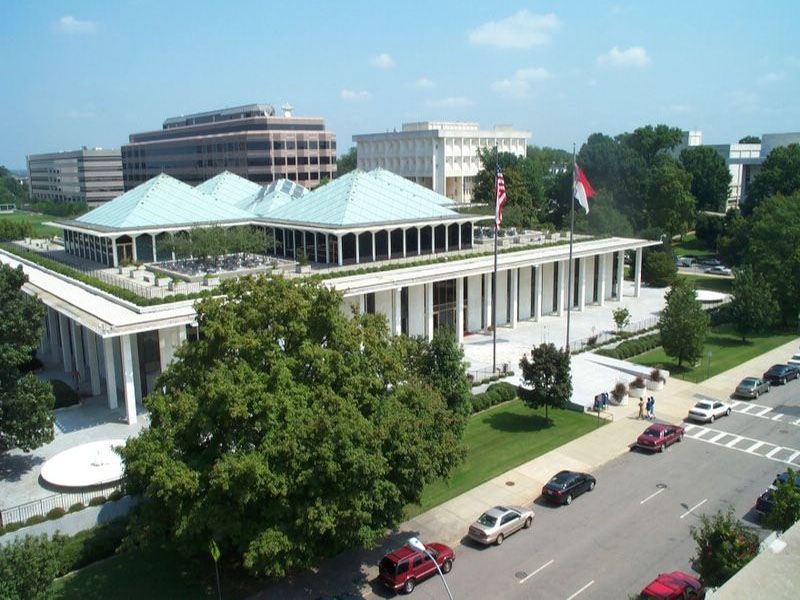
Now for the concrete illustration. North Carolina’s post-2020-census redistricting produced litigation over both congressional and state legislative maps, and the cases moved fast because the 2022 election calendar did not wait.
In Harper v. Hall (North Carolina Supreme Court, 2022), the court held that extreme partisan gerrymandering in enacted maps violated the North Carolina Constitution and sent the matter back for a remedy on an accelerated schedule. With deadlines looming, the state courts oversaw the remedial process and an interim congressional map was used for the 2022 elections.
Later, after a change in the court’s composition, the North Carolina Supreme Court revisited its approach to partisan-gerrymandering claims under the state constitution. That sequence is part of why these disputes are so politically charged. It also underscores the basic point: when federal courts step back after Rucho, state constitutional law and state courts often determine what happens next.
What happens next
When a court blocks or invalidates a map close to an election, there are usually only a few workable options.
1) Use an older map temporarily
If the challenged map cannot be fixed in time, courts sometimes default to the last legally operative map, at least for the imminent election. This is often the least disruptive option for administrators, even if it is politically unsatisfying.
2) Revise the map fast
The court can leave room for the legislature to correct identified defects on an accelerated schedule. That can work only if the state has enough time to implement changes without colliding with election deadlines.
3) A remedial map
If the legislature cannot or will not act, courts sometimes approve or adopt a remedial map to cure specific legal problems. Judges generally prefer not to do this, but elections do not pause while lawsuits mature.
In all three scenarios, expect additional litigation over implementation timelines, candidate filings, and ballot readiness. The closer the election, the more the fight turns from “what is the best map” to “what is the lawful map we can actually run.”
Does blocking a map take power from voters?
Courts do not pick winners in the abstract. They decide whether the rules used to pick winners are lawful.
That distinction can feel thin when a decision changes district lines, because district lines shape political outcomes and remedies can shift the playing field even when the court’s aim is legal compliance. But the Constitution’s promise is not that outcomes will be comfortable. It is that government power will be exercised through lawful procedures and lawful limits, even when that is inconvenient for those currently holding power.
The deeper civic lesson is that redistricting is not merely politics. It is also governance, and governance is bounded by constitutions. A map is not just a strategy document. It is a legal instrument that decides how representation is distributed. That is exactly the kind of thing courts are built to review.
Quick answers
Can a state change districts right before an election?
It can, but late changes are risky. Courts weigh legal compliance against disruption to election administration. Sometimes the remedy is to use an older map temporarily.
Is partisan gerrymandering illegal under the U.S. Constitution?
Federal courts generally do not decide partisan gerrymandering claims after Rucho v. Common Cause (2019). Many meaningful limits now come from state constitutions and state courts.
Can a state court override the legislature on congressional maps?
A state court can enforce the state constitution and state redistricting laws against the legislature. That power is consistent with the U.S. Constitution, including the Elections Clause, under the Supreme Court’s approach in Moore v. Harper (2023), with the caveat that the Supreme Court suggested there may be limited federal review if a state court strays far beyond ordinary judicial review.