
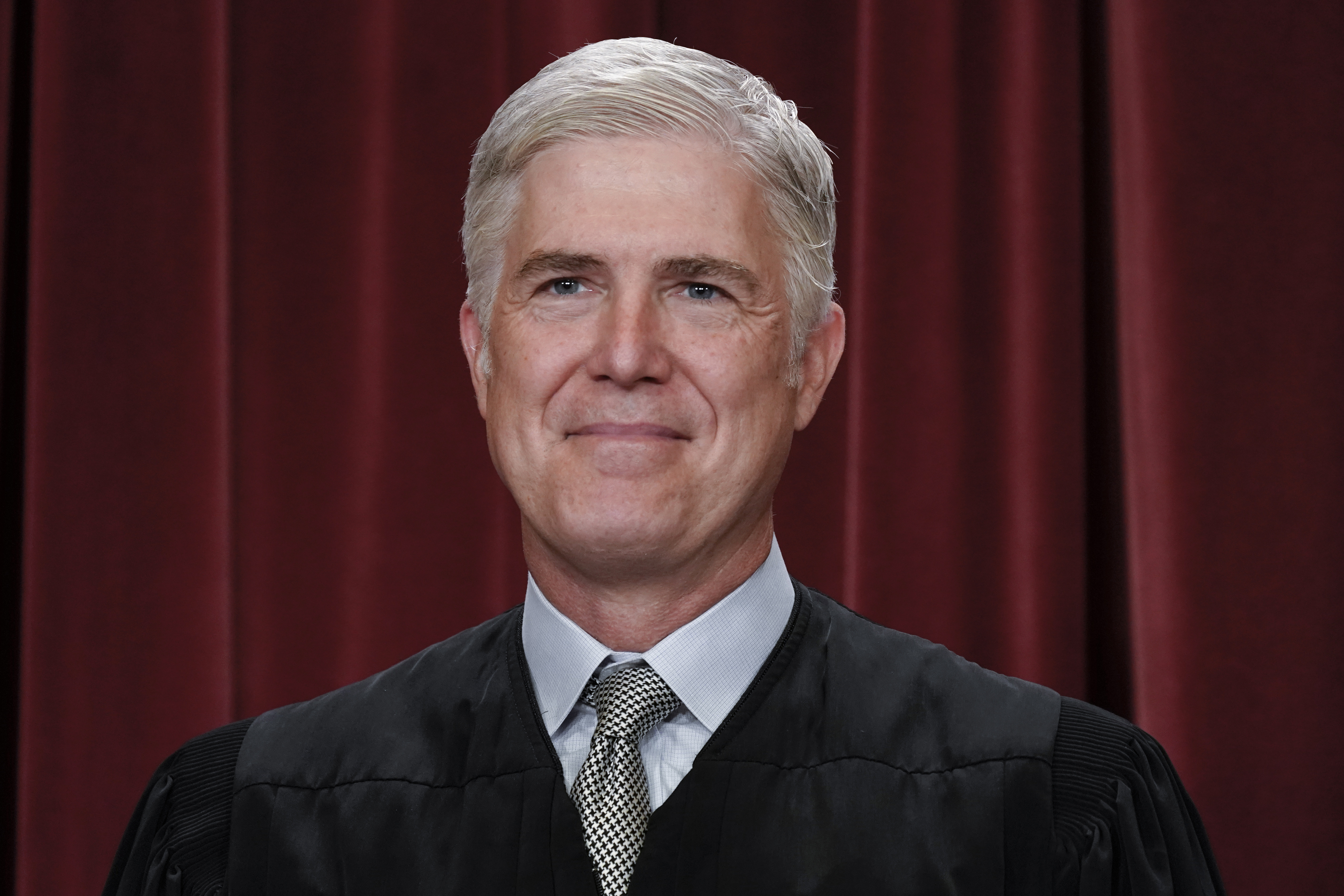
If you only catch the Supreme Court in quick headline photos, Neil Gorsuch can blend in. He is not the justice most people picture first. He does not dominate the public imagination the way some of his colleagues do.
But the Constitution is often shaped by the justice who writes the crispest rule, supplies the deciding vote, or offers the theory that other judges can reuse for the next decade. In that sense, Gorsuch matters a great deal, even when he is not the face you recognize.
That is why it is worth revisiting how his influence showed up in the Court’s end-of-term sprint in June and why one phrase, his description of the United States as a “creedal nation,” has sparked a different kind of argument about what his judicial method adds up to.
Join the Discussion
Fame vs impact
Public recognition and judicial influence do not always travel together. A justice can be widely known because of a vivid writing style, a high-profile confirmation fight, or a steady presence in political debate. Another justice can be less recognizable and still reshape constitutional law through quieter tools like the careful concurrence, the narrowly tailored majority opinion, or the dissent that becomes tomorrow’s roadmap.
Gorsuch is often described as method-first. That is less about assuming one predictable political destination and more about how he tries to justify the destination he reaches, with reasoning that other courts can apply, argue over, and cite.
June decisions
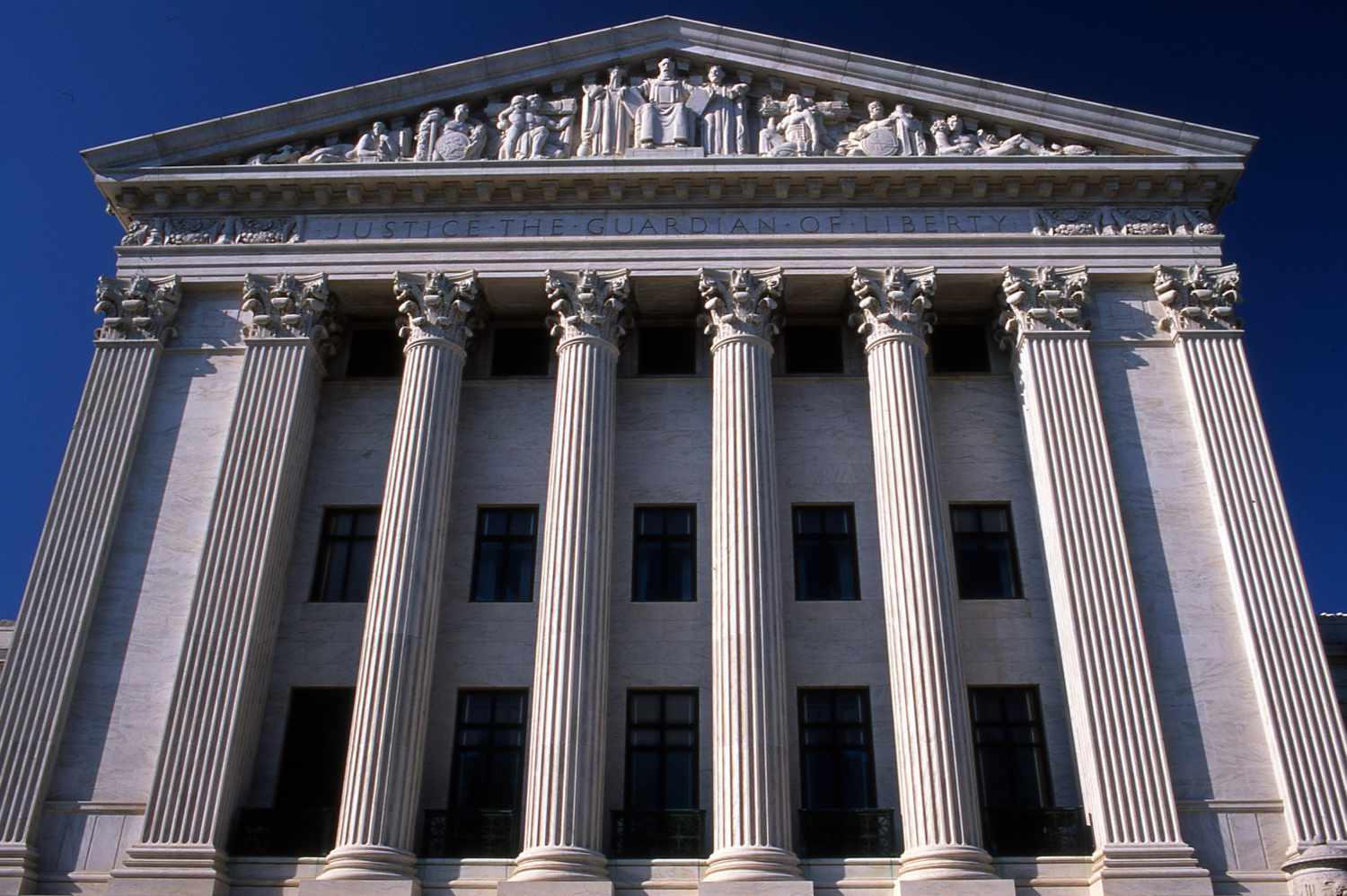
The late-June rush of major opinions tends to do two things at once. It settles headline disputes and it quietly sets the Court’s working vocabulary for the next year of litigation. When the Court finishes a term with a cluster of big decisions, it creates not only winners and losers, but a set of templates lower courts will spend months trying to follow.
A useful way to read that stretch is to look at not only where Gorsuch landed, but what kind of reasoning he helped elevate. A justice’s role is not only a checkbox next to the majority. It can mean writing an opinion others must follow, narrowing the logic so it travels, or offering a rationale that lower courts can lift almost verbatim.
The discussion around his role this June covered multiple end-of-term rulings, not one single marquee fight. If you want a general sense of why method can matter so much in a June pileup, think of the kinds of cases where the Court is effectively choosing a framework for future disputes, then leaving everyone else to live inside it.
Method basics
When people describe Gorsuch, they often start with labels like originalist or textualist. Those are useful shorthand, but they can be too blunt for everyday readers. A better way to think about it is to treat his approach as a set of instincts that show up in different kinds of cases, sometimes in ways that surprise both fans and critics.
- He starts with the words on the page. Whether it is a constitutional clause or a federal statute, he tends to put heavy weight on what the text says and how it would ordinarily be read.
- He is skeptical of open-ended tests. When a legal standard starts to look like an invented balancing exercise, he is often the justice asking who wrote that rule and why courts should keep using it.
- He treats procedure as substance. In his writing, questions about who has authority and what steps the government must follow can be central, not secondary.
Those are tendencies, not guarantees. But they help explain why his influence can travel. When an opinion offers a clear approach to reading and applying legal text, other courts have something they can reuse for years, whether they agree with him or not.
“Creedal nation”

Gorsuch recently caught flak from conservatives for describing the United States as a “creedal nation,” meaning a country tied together by shared civic ideals rather than ancestry. For some on the right, language like that sounds like an invitation to downplay borders, membership, and the hard edges of sovereignty in favor of a more aspirational national story.
That is why the phrase sticks. It is not just a line. It is an argument about what America is. And when a justice uses language like that, people naturally ask whether his judicial work matches the sentiment, especially when the Court is asked to define who counts as a citizen.
Citizenship tension
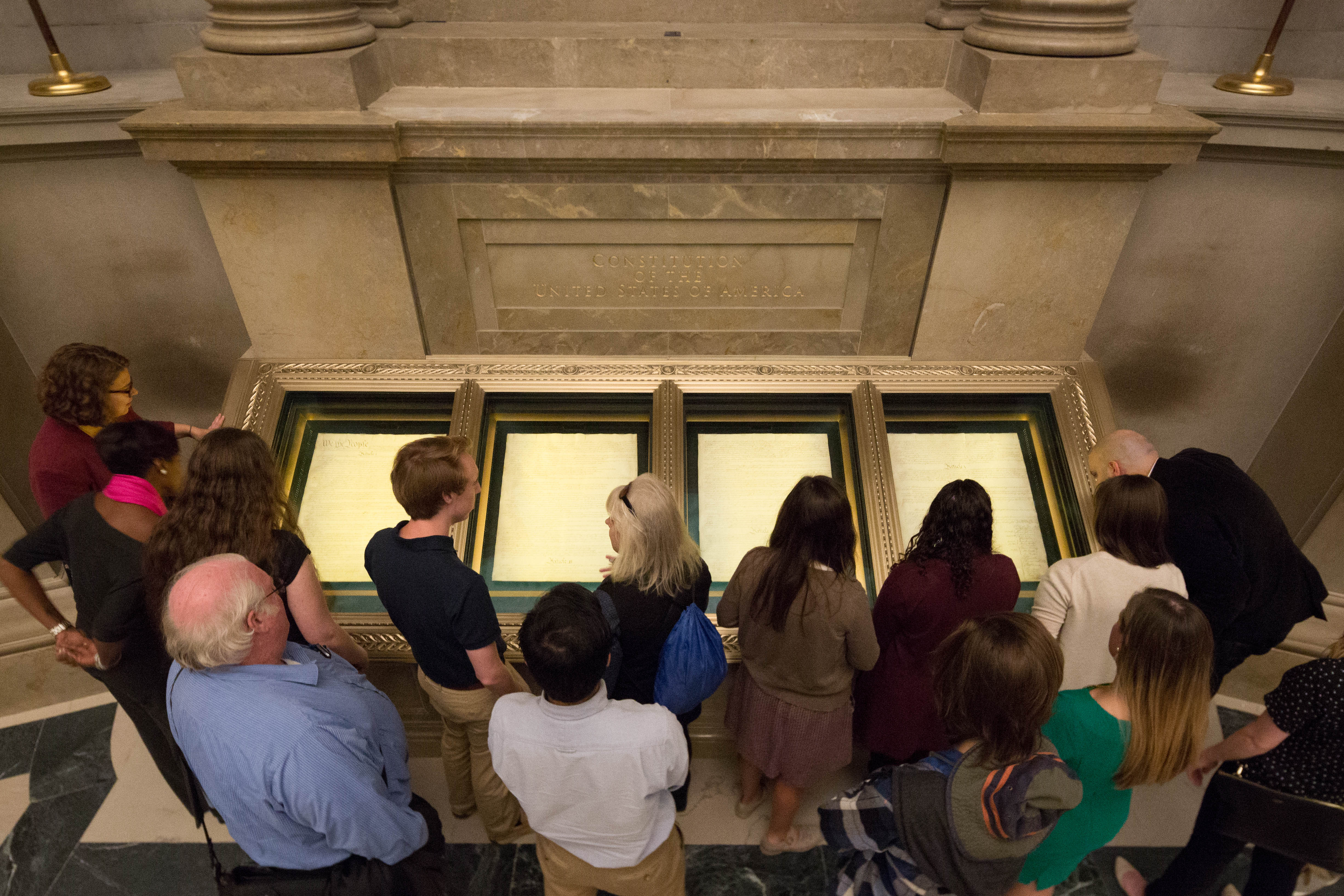
When the Court takes up questions that touch the Fourteenth Amendment and citizenship, the stakes are not abstract. They reach into family life, identity, and the basic question of who the Constitution protects.
In a recent birthright citizenship dispute, Gorsuch joined Justice Clarence Thomas’ dissent. That detail is central to the tension people are arguing about: how a justice can describe America as a “creedal nation” while aligning, in that case, with a dissent that became part of the public debate around birthright citizenship.
It is also a reminder of how constitutional law forces choices between interpretive commitments. In cases like these, justices may disagree about:
- how to read constitutional text drafted in a very different era,
- how much weight to give historical practice, and
- how tightly the Court should bind future governments with today’s ruling.
Even when it does not carry the day, a dissent can be a seed for later cases. And when Gorsuch is in that mix, he can help turn an argument into doctrine over time.
Spotting his mark
You do not need to memorize every justice’s biography to follow the Court. A few cues can help you see when Gorsuch’s influence is operating, especially in the Court’s biggest decisions when methodological differences matter as much as the headline result.
- Look for arguments anchored in plain meaning. If the reasoning keeps returning to what the words ordinarily mean, that is a clue.
- Watch for demands for clear authority. He is frequently the justice pressing the government to point to a specific legal basis for what it is doing.
- Notice when procedure becomes the point. Sometimes his focus is less on whose policy wins and more on whether the legal system used the right path to get there.
If you build the habit of reading the reasoning, not just the outcome, you will start to see why a justice who is not always instantly recognizable in a group photo can still leave a very recognizable mark on American law.