
You can read the Twenty-Sixth Amendment in under ten seconds. Understanding it, especially in the mail-in voting fights that keep surfacing in state legislatures, takes longer.
That is because the amendment does two things at once. It prohibits the United States and the states from denying or abridging the right to vote for citizens 18 and older on account of age. And it adds a constitutional warning label: age is not supposed to be a shortcut for writing voting rules.
That warning label sits at the center of a recurring dispute in absentee-voting litigation: can a state make it easier to vote by mail if you are 65 and older, while requiring younger voters to fit into narrower categories to qualify for an absentee ballot?
Supreme Court guidance on the Twenty-Sixth Amendment is limited, so lower courts have not settled on a single, widely accepted test for what it means to have voting rights “denied or abridged” “on account of age.” In practice, courts have used several analytic lenses, including: (1) an age-targeting or intent-focused approach that asks whether the state imposed a burden because of age (often by analogy to intent concepts in other voting amendments), (2) the Anderson-Burdick framework (a sliding-scale balancing test that weighs the severity of the burden against the state’s interests), and (3) Equal Protection concepts that emphasize whether similarly situated voters are treated differently without adequate justification.
In recent challenges to age-based absentee rules, appellate decisions including the Fifth Circuit’s Texas Democratic Party v. Abbott (2020) and the Seventh Circuit’s Tully v. Okeson (2020) have been skeptical of Twenty-Sixth Amendment claims. A common theme is that the Supreme Court has not recognized a constitutional right to no-excuse absentee voting, and that offering a convenience to older voters is not always the same thing as abridging younger voters’ right to vote. Plaintiffs keep bringing these cases anyway because the amendment’s text is unusually direct.
Join the Discussion
What it says
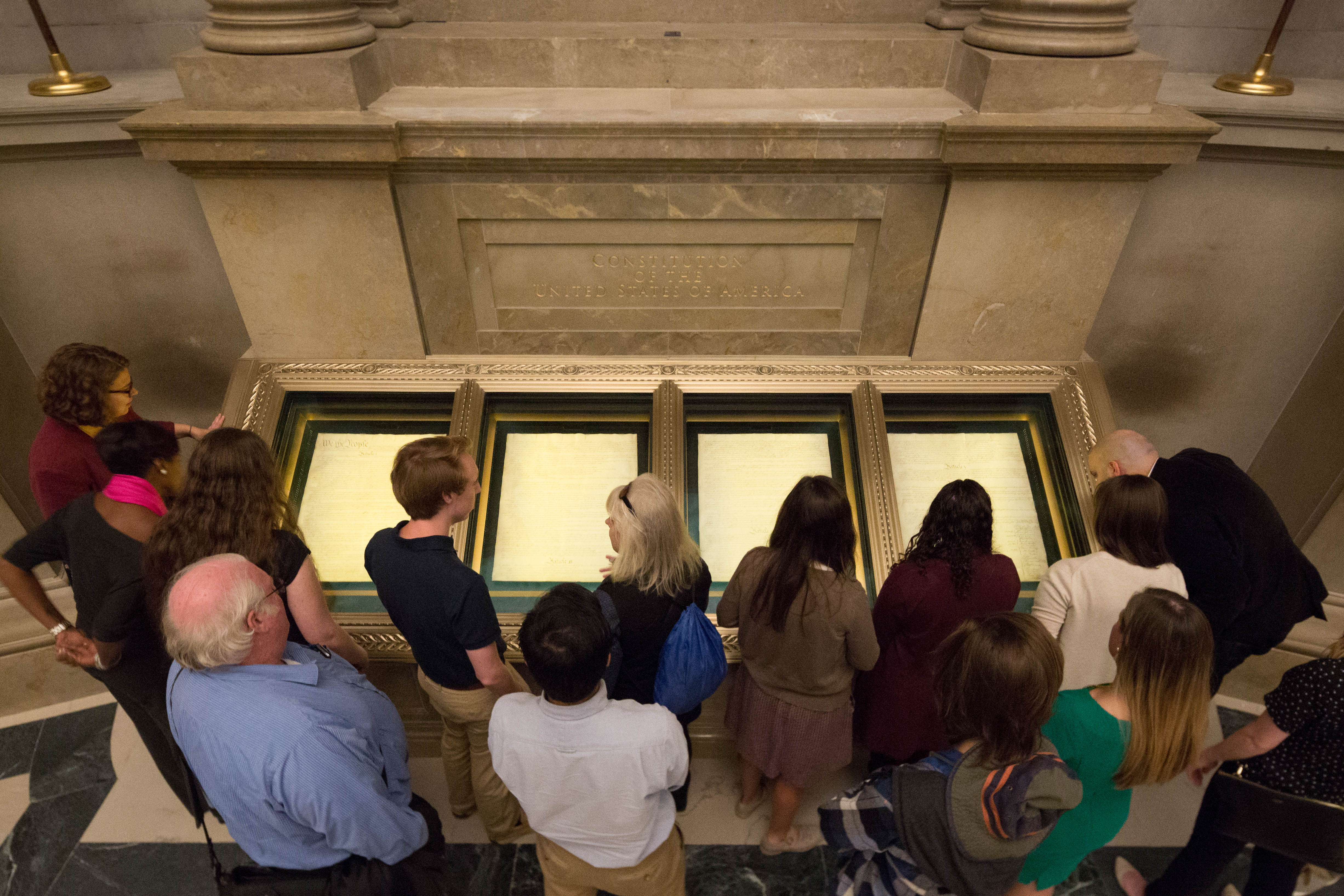
The Twenty-Sixth Amendment is short:
Section 1. The right of citizens of the United States, who are eighteen years of age or older, to vote shall not be denied or abridged by the United States or by any State on account of age.
Section 2. The Congress shall have power to enforce this article by appropriate legislation.
Most people remember it as the amendment that lowered the voting age to 18. That is true, historically and practically. But the legal language is not just a permission slip for 18-year-olds. It is a rule against age-based denial or abridgment of the right to vote.
The key word is “abridged.” The Constitution does not define it. Courts have had to decide what counts as an abridgment and what is merely an ordinary voting regulation that applies to everyone.
Why mail voting triggers claims
The Supreme Court has not recognized a constitutional right to no-excuse absentee voting. For much of American history, absentee voting was generally limited, often tied to travel, military service, or illness, and it expanded unevenly across the states over time through statutes.
But once a state offers an avenue to vote that materially affects access, the state still has to administer it within constitutional limits. That includes the Fifteenth Amendment (race), the Nineteenth (sex), the Twenty-Fourth (poll taxes in federal elections), the Twenty-Sixth (age), and the Fourteenth Amendment’s Equal Protection Clause. The key fight in Twenty-Sixth cases is whether an unequal voting convenience crosses the line into an age-based “abridgment,” which many courts have said is a demanding standard.
Mail voting matters because it changes the practical burdens of casting a ballot. It can eliminate transportation problems, reduce time off work, and avoid long lines. When a state gives that benefit to one age group and not another, the question becomes constitutional: is the state merely choosing how to run elections, or is it “abridging” the vote of those excluded?
The age cutoff
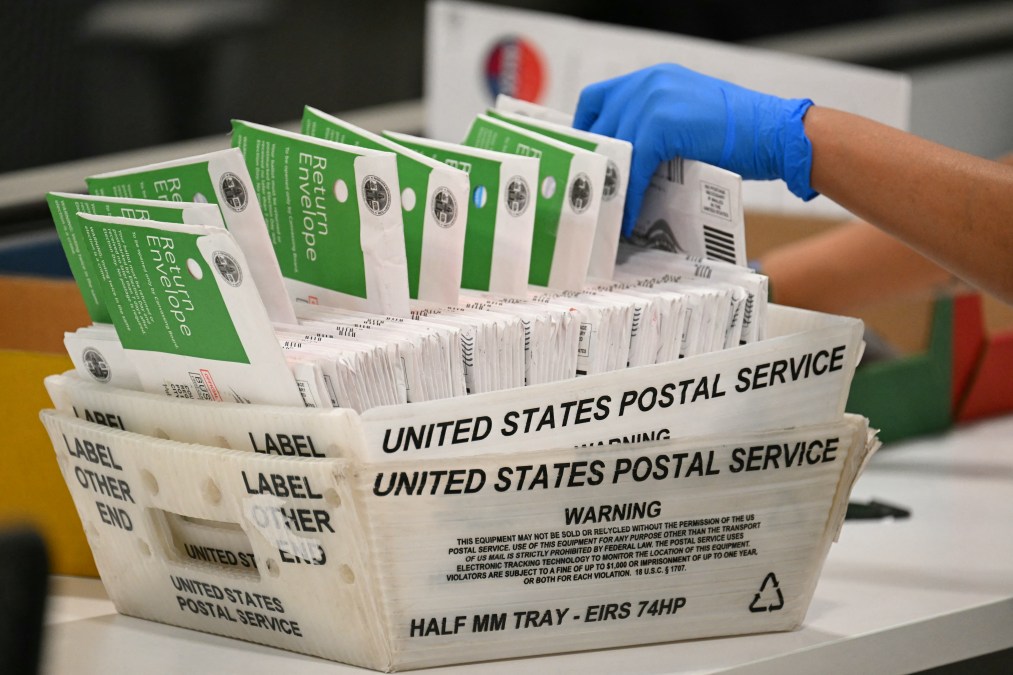
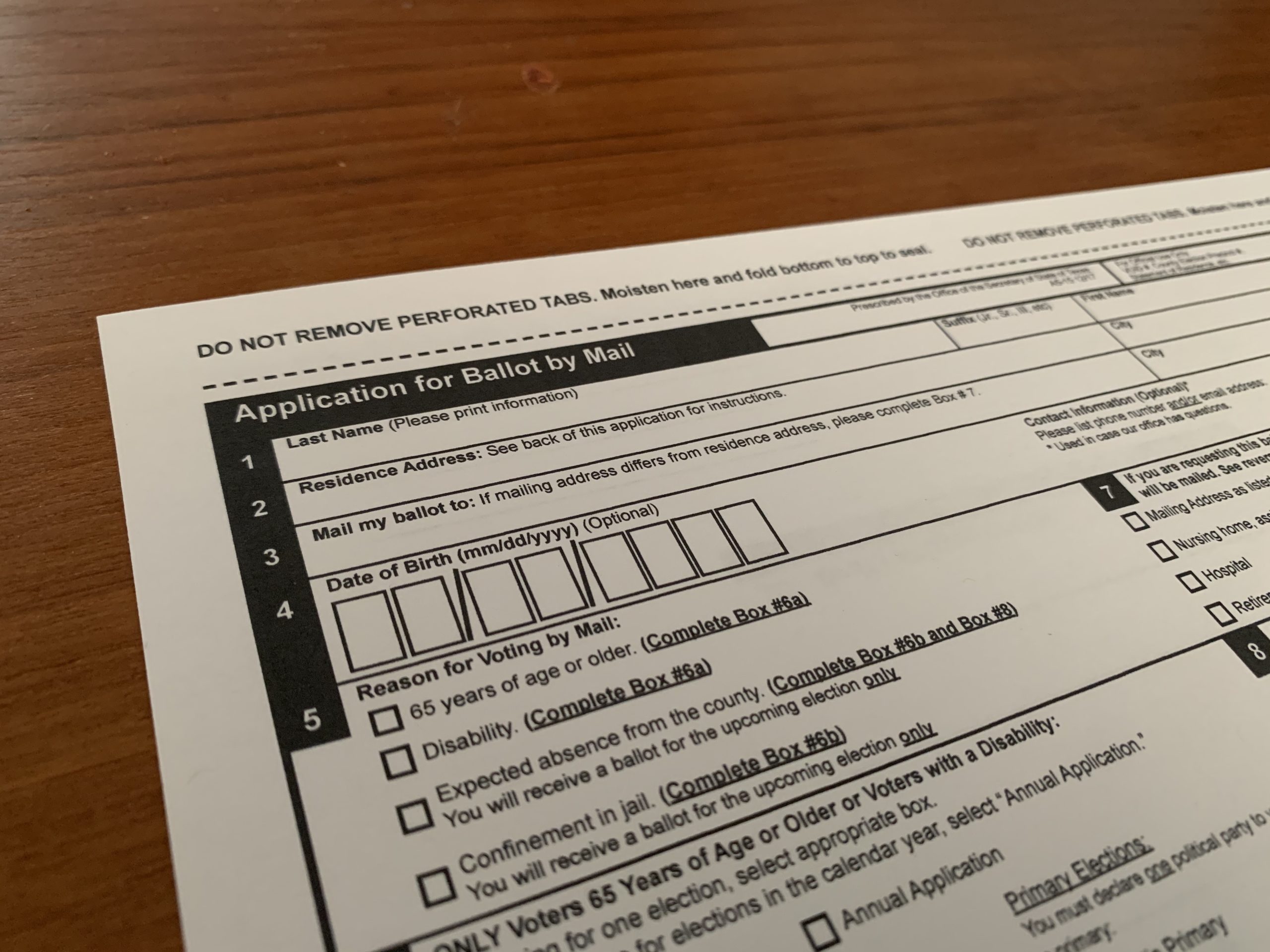
Many states have written rules that create an age-based shortcut: voters 65 and older can vote absentee without providing a reason, while younger voters must qualify under specific excuses.
That kind of rule can feel modest on paper because it does not say younger voters cannot vote. They can still vote in person, and some of them can still vote absentee if they fit an approved category.
But the Twenty-Sixth Amendment is not limited to outright denial. It also forbids abridgment “on account of age.” So when access to a materially easier voting method is distributed by an explicit age line, younger voters argue the state is assigning the easier path by age.
Here is what that can look like in the real world. Suppose a county has limited early-voting sites and long Election Day lines. If voters 65 and older can choose a mail ballot with no questions asked, but a 30-year-old working a double shift must either stand in line or fit into a narrow excuse category, the younger voter’s claim is not that voting is impossible. It is that the state has reserved the lower-burden route for one age group.
This is also where factual precision matters. Different cases have landed in different places, and not every challenge succeeds. Some courts view an age-based absentee expansion as a permissible accommodation or an administrative policy choice. Others are more open to the argument that an explicit age gate can amount to an abridgment when it meaningfully reallocates voting access.
How courts assess burdens
Not every voting rule that affects younger voters violates the Twenty-Sixth Amendment. The hard part is distinguishing a rule that incidentally impacts age groups from a rule that uses age as the sorting mechanism, and then deciding whether the resulting inequality is an “abridgment” of the right to vote.
Impact versus classification
A rule can burden younger voters more in practice without being an explicit age classification. For example, requiring an ID that younger voters are less likely to have is not, by itself, a rule that sorts voters by age. It may be challenged under other doctrines, but it is not automatically a Twenty-Sixth Amendment problem.
By contrast, an absentee rule that says “65 and older get this option, everyone else does not” is age doing the work. That is the kind of line plaintiffs say the Twenty-Sixth Amendment targets, even though many courts have disagreed that the resulting inequality is severe enough to count as an abridgment.
Intent, targeting, and facial lines
Many Twenty-Sixth Amendment opinions emphasize causation and, in some formulations, targeting. The question becomes whether the state imposed a meaningful voting burden on younger voters because of age, not merely whether younger voters would prefer the same convenience older voters get.
That is where courts diverge. Some decisions look for something like intentional age-based discrimination, meaning a law adopted to disadvantage younger voters, or a rule that operates as a youth-specific hurdle. Other decisions treat a facial age cutoff as enough to trigger Twenty-Sixth analysis, but still ask whether the unequal access rises to the level of a denial or abridgment.
Proof can come from the face of the law (an age cutoff written into the statute), from the structure of the rule (a two-tier system that makes the easier method available only to older voters), or from evidence about how the rule operates and why it was adopted. In other words, the dispute is often not about whether voting is possible. It is about whether the state has made age the legal gatekeeper for a materially easier way to cast a ballot.
Where Anderson-Burdick fits
Courts also sometimes analyze these claims through familiar election-law frameworks, including Anderson-Burdick balancing, which weighs the burden on voters against the state’s asserted interests. Some judges have questioned whether Anderson-Burdick, developed largely under the First and Fourteenth Amendments, is a perfect fit for a constitutional provision that speaks in the categorical language of “denied or abridged” “on account of age.”
In mail voting disputes, the practical question is often whether the absentee option is simply one of several comparable ways to vote, or whether the state has created a two-tier system where one group has a materially easier path because of age.
What courts have said
If you want the national picture, it is this: prominent federal appellate decisions have been skeptical that age-based absentee eligibility, by itself, “abridges” the voting right of younger voters.
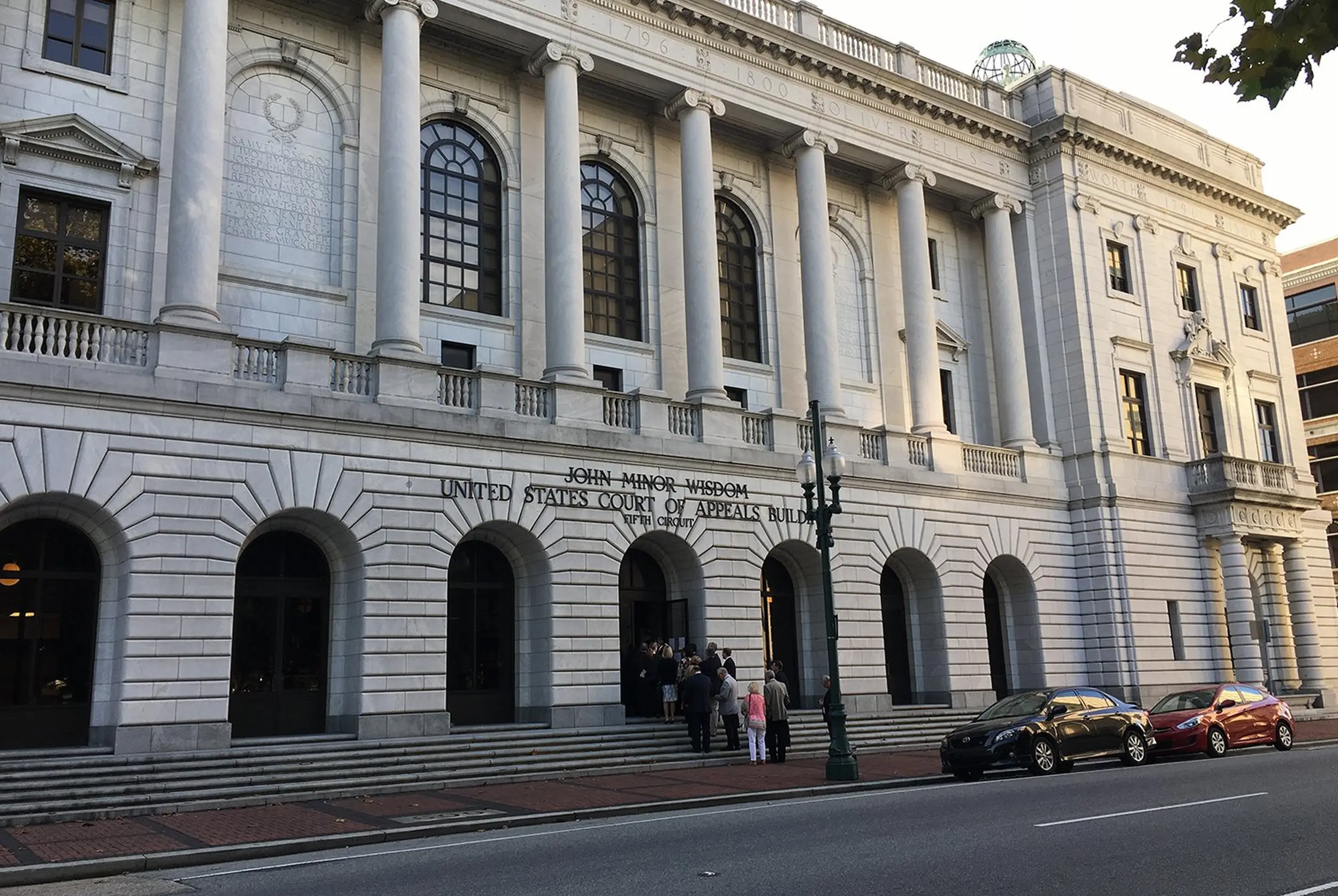
Two commonly cited examples are Texas Democratic Party v. Abbott (5th Cir. 2020) and Tully v. Okeson (7th Cir. 2020), both addressing no-excuse absentee eligibility for voters 65 and older while requiring younger voters to fit within specified excuse categories.
In Texas Democratic Party, the Fifth Circuit rejected the Twenty-Sixth Amendment challenge to Texas’s age-based mail ballot eligibility. The court’s core move was to describe the right protected by the amendment as the right to vote, not the right to vote by a preferred method. It also leaned on the idea that the Constitution does not guarantee no-excuse voting by mail. The case arose in the pandemic era and moved through emergency requests, which shaped the speed and posture of the litigation even as the court addressed the merits of the Twenty-Sixth theory.
In Tully, the Seventh Circuit reached a similar bottom line, rejecting the claim that Indiana’s decision to allow no-excuse absentee voting for older voters, while limiting younger voters to specified excuses, violated the Twenty-Sixth Amendment. The court likewise framed “abridge” as requiring something closer to denial or substantial impairment of the franchise, not merely unequal convenience between voting methods.
At the same time, plaintiffs keep bringing these cases because the Twenty-Sixth Amendment’s text is unusually direct. It does not speak in the language of “reasonable regulations.” It says the right to vote for citizens 18 and older shall not be denied or abridged on account of age. That language invites judges to ask whether a state is distributing meaningful access based on age, even when in-person voting remains available.
Equal methods?
No amendment requires states to offer every possible method of voting. The Twenty-Sixth Amendment does not, by itself, constitutionalize no-excuse absentee voting.
What it does do is block a specific justification for unequal rules: age. If a state wants to keep absentee voting narrow, it can do that across the board. But if it expands absentee voting, it still has to think through whether it is drawing lines that look like an age-based allocation of access.
Age-based expansions draw challenges in part because they are explicit. The state is not merely predicting who needs help. It is using age as a legal proxy for need.
States sometimes argue that older voters have more difficulty traveling or standing in line, so age-based absentee eligibility is a kind of accommodations policy. That can be a serious, good-faith governmental rationale. But the constitutional question becomes whether the state may assume need based on age alone while denying the same presumption to younger voters who may have disabilities, caregiving responsibilities, inflexible work schedules, or transportation barriers.
What a stronger claim looks like
The cases that tend to fit more comfortably within Twenty-Sixth Amendment theories are the ones that look like youth-specific hurdles rather than a dispute about relative convenience. If a rule is designed to make it harder for younger citizens to vote as a class, such as restrictions aimed at campus voting access or special documentation hurdles that fall on student voters, courts have been more receptive to the idea that the burden is being imposed “on account of age.”
Remedies
When plaintiffs win, the remedy they usually seek is straightforward: stop using age as the gate, either by extending no-excuse absentee voting to all eligible voters or by requiring the state to apply the same eligibility rules to everyone. When states defend these laws, they often frame the alternative as politically and administratively costly: either expand mail voting broadly or roll back a long-standing option for older voters. That remedial squeeze is one reason these cases draw so much attention even when the doctrinal question sounds narrow.
What happens next
When a state loses or wins one of these disputes and the other side appeals, there are a few procedural possibilities, and which one occurs depends on the posture of the case.
- Rehearing in the same circuit: The parties may ask the appellate court for panel rehearing or rehearing en banc, meaning a larger group of judges in that circuit would reconsider the decision.
- Emergency requests: If an election is approaching, states often seek a stay, asking courts to pause a ruling so the existing rules remain in effect while appeals proceed.
- Supreme Court review: A party can petition the U.S. Supreme Court to take the case. The Court accepts a small percentage of petitions, but election disputes sometimes rise faster than other issues because timing pressures are real.
Even if the Supreme Court never hears a particular case, a circuit ruling can still matter. Within that circuit, it becomes a guidepost for how similar age-based voting rules will be treated. Outside the circuit, it becomes persuasive authority that other courts may cite.
What this shows
The Twenty-Sixth Amendment was born from a simple argument: if you are old enough to be governed, drafted, and taxed, you are old enough to vote.
But its text does not freeze in 1971. It keeps working whenever a state writes voting rules that split citizens into age buckets and allocates access accordingly.
The deeper lesson in today’s absentee-voting litigation is that the fight is not really about whether mail-in voting is good or bad. It is about whether age can be used as a gatekeeper for a lower-burden voting method in a system that promises, at least on paper, that adults 18 and older stand on the same constitutional ground.
When a state makes age the key that unlocks the mailbox ballot, it invites the Twenty-Sixth Amendment to do what it was designed to do: force courts to ask whether younger voters are being abridged “on account of age,” even if nobody is being turned away at the polling place door.
Quick questions
Can a state set the voting age higher than 18?
No. Section 1 prohibits states from denying the right to vote to citizens 18 and older on account of age, which functionally bars a higher voting age.
Can a state offer absentee voting only for certain categories?
Yes, generally. States can limit absentee voting to specific reasons. The constitutional problem arises when the state uses age as the dividing line in a way that denies or abridges voting access for those 18 and older.
Does the Twenty-Sixth Amendment apply to state and local elections?
It binds the United States and “any State.” In practice, that covers state-run elections broadly, and it typically reaches local elections that are conducted under state election law and administered by state or local officials under state authority. The exact application can still depend on how a particular election is structured and who is acting under state authority.