
Birthright citizenship arguments usually get framed as a single dramatic question: Can a president end it with a pen?
But the more revealing question is procedural, not poetic: What can a federal judge actually do while the fight plays out?
That is why Friday’s development matters. U.S. District Judge Deborah Boardman declined to block President Donald Trump’s revised executive order on birthright citizenship, even while signaling skepticism about its constitutionality. That combination can feel contradictory to non-lawyers. It is not. Declining to stop a policy from taking effect is not the same thing as upholding it, and it does not tell you, by itself, how the case will end.
Join the Discussion
What happened
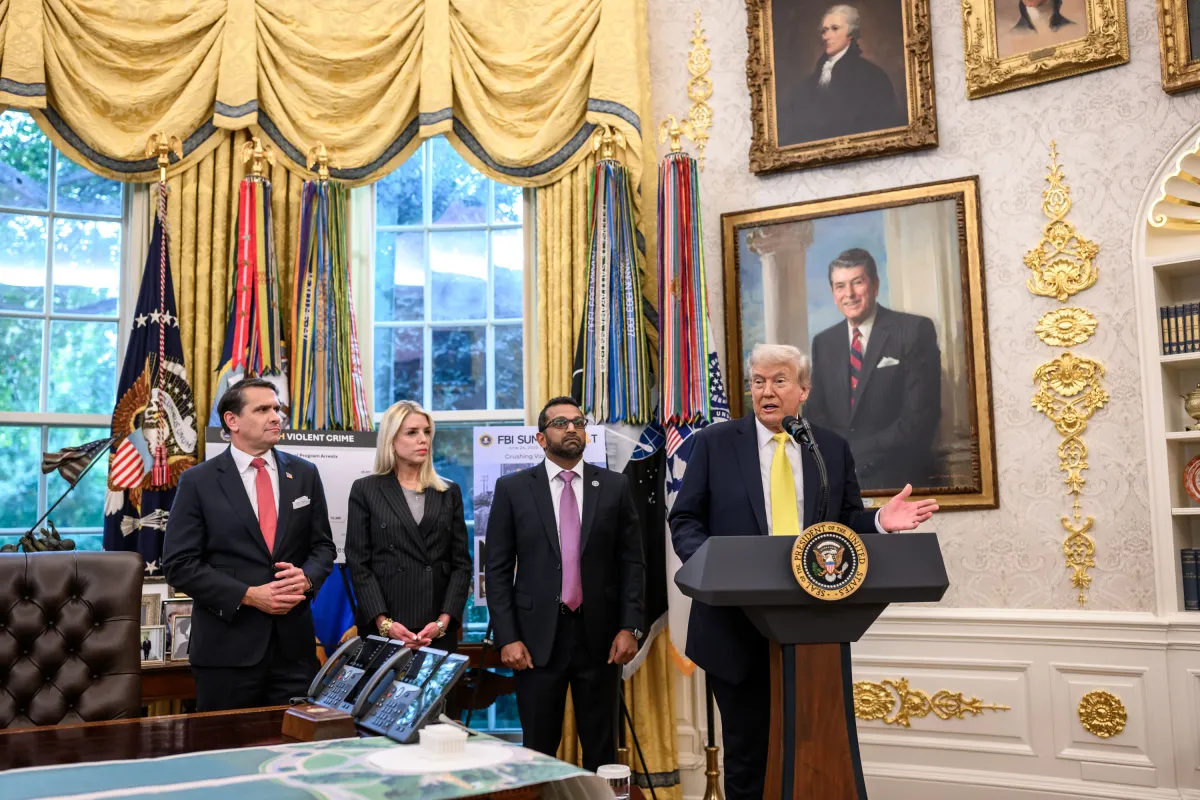
Earlier this month, President Trump signed a revised executive order aiming to expand the list of children who would not be eligible for birthright citizenship.
This was not the administration’s first attempt. The Supreme Court struck down an earlier order. That first directive told federal agencies to interpret the 14th Amendment as not granting citizenship to the children of illegal aliens. Judge Boardman previously issued a stay against that first version, but she did not do so against the revised version.
The key point for readers is what the decision does and does not settle right now.
- It is not a ruling that the order is constitutional.
- It is a decision not to block the revised order at this moment, not a final decision on the underlying constitutional question.
What “declined to block” can mean
When people hear “the judge declined to block it,” they often translate that as: “the judge approves.” That is not how many court decisions work.
In many cases, courts get asked early on whether a challenged policy should be paused while the lawsuit proceeds. A judge can question a policy’s legality and still decide not to stop it right then. Sometimes that reflects the legal standards for emergency relief. Sometimes it reflects the posture of the case. Sometimes it reflects a judge’s view that more briefing, more facts, or a fuller record is needed before ordering a pause.
What Friday’s order tells us is narrow but important: Judge Boardman did not block the revised directive.
Remedy and scope
One recurring issue in high-profile cases is scope: how broad a judge’s remedy should be, and how closely it should track the parties who sued.
District courts sometimes issue injunctions that reach beyond the immediate plaintiffs. Supporters argue broad relief prevents uneven harm. Critics argue it lets one judge function like a national policymaker.
Even before a court reaches a final constitutional ruling, remedies can drive the real-world impact of litigation.
What a district judge can do
- Block the government from applying a policy to the plaintiffs in the case.
- Craft relief broad enough to fully remedy the plaintiffs’ injuries, even if there are spillover effects.
- Build a factual record and rule on the merits, creating a decision that can be reviewed on appeal.
What a district judge may avoid
- Treating a single lawsuit as an automatic basis to freeze an executive policy everywhere, immediately.
- Using an interim order as a substitute for a full merits ruling when key issues remain contested.
The 14th Amendment issue
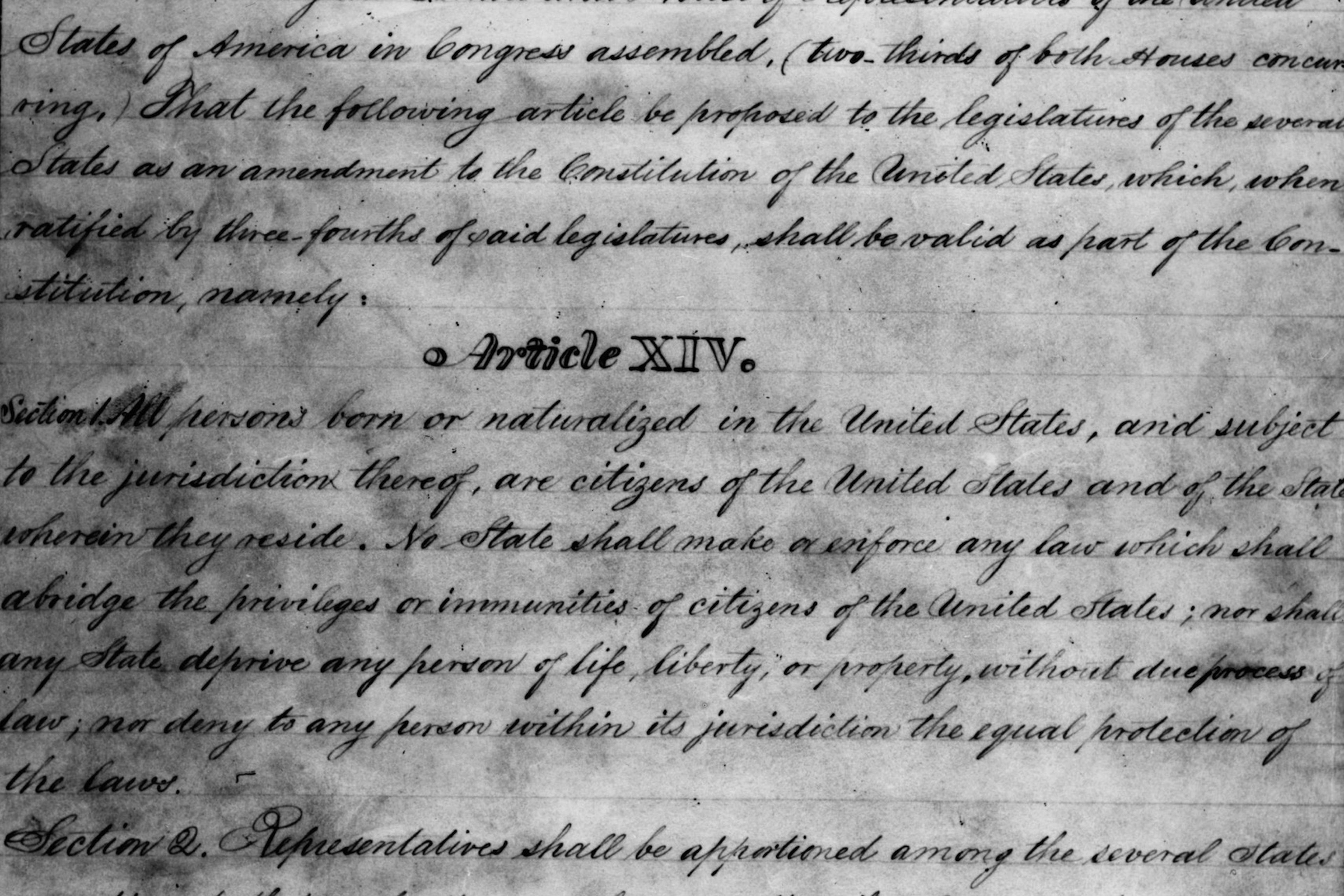
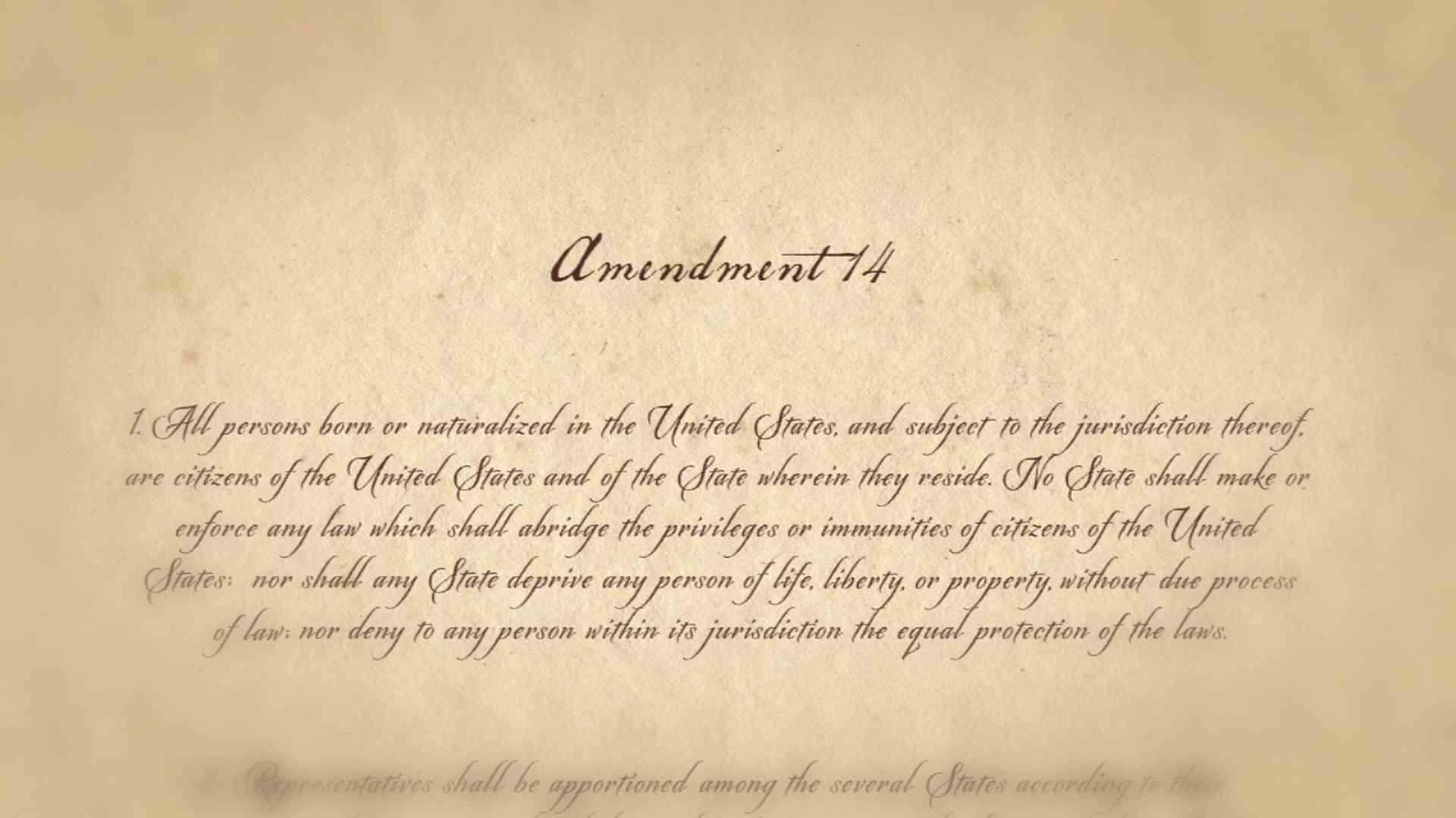
The Citizenship Clause is short, famous, and deceptively complicated:
“All persons born or naturalized in the United States, and subject to the jurisdiction thereof, are citizens of the United States and of the State wherein they reside.”
The modern fight is packed into one phrase: “subject to the jurisdiction thereof.”
In public debate, certain examples are often treated as easier than others. Children of foreign diplomats are commonly argued to be outside the clause’s reach, on the theory that diplomats are not subject to U.S. legal authority in the ordinary way. Children born in the United States to U.S. citizens are often treated as covered. The disputed ground, and the focus of Trump’s approach, is the status of children born in the United States to parents who are unlawfully present.
Two theories
- Broad reading: If you are born on U.S. soil and you are not in a narrow category like diplomats, you are subject to U.S. law, so you are covered.
- Narrow reading: “Jurisdiction” implies more than being arrestable. It implies a deeper political and legal allegiance, and that category does not include everyone physically present.
What an order can do
An executive order cannot amend the Constitution. Presidents direct agencies. They do not rewrite the 14th Amendment.
But executive orders can still create immediate real-world consequences by directing how federal agencies interpret and apply the law in federal systems, at least until courts say otherwise. That is why these procedural battles matter. They help determine whether a contested interpretation takes effect while the underlying constitutional question moves through litigation.
What to watch
Judge Boardman’s refusal to block the revised order is not the last word. It is the start of the next phase.
- Next steps: After an early win or loss, it is common for the disappointed side to seek further review in higher courts.
- Remedies: Expect arguments not only about who is a citizen, but about how broad any court order should be.
- The merits: The central constitutional dispute over the Citizenship Clause remains the core question.
Birthright citizenship debates tend to sound like they are about identity. In court, they are also about mechanics: what one clause means, and what remedies are available while judges decide.
The legal question
Whatever your view of immigration policy, this dispute forces a durable legal question: who gets to settle the meaning of “subject to the jurisdiction,” and on what timetable.
That is the real tension sitting underneath Friday’s headline: not just what the Constitution means, but how quickly courts will step in, and how broadly they will act, while that meaning is still being litigated.