
You can be the victim of a serious crime in the United States and still be treated, in practice, like you are the problem.
The U visa was created to change that. It is a humanitarian immigration status for certain crime victims who have suffered substantial harm and who are willing to help law enforcement investigate or prosecute what happened.
It is also one of the most misunderstood parts of immigration law, partly because it sits at the intersection of criminal justice and federal benefits, and partly because the process moves slowly. Often measured in years, not months.
Join the Discussion
What is a U visa?
The U visa is a nonimmigrant category created by Congress in the Victims of Trafficking and Violence Protection Act of 2000. The goal is twofold:
Protect victims of certain crimes who have suffered substantial mental or physical abuse.
Strengthen law enforcement by encouraging victims to report crimes and cooperate without fear that immigration consequences will be used against them.
One practical note: people say “U visa,” but most applicants are really seeking U nonimmigrant status granted by USCIS. A “visa” sticker is a separate concept tied to consular processing and travel.
If approved, U nonimmigrant status can allow someone to live and work in the United States for up to four years, with the possibility of extensions in some situations.
The U visa is often described as “a visa for victims.” That is true, but incomplete. The legal heart of the program is not only victimization. It is victimization plus helpfulness.
Who can qualify?
USCIS applies a statutory checklist. In plain English, a person generally must show:
They were a victim of a qualifying criminal activity.
They suffered substantial physical or mental abuse as a result.
They have information about the crime.
They were, are, or are likely to be helpful to law enforcement, prosecutors, judges, or other authorities investigating or prosecuting the crime.
The crime violated U.S. law or occurred in the United States or its territories.
They are otherwise admissible to the United States, or they qualify for a waiver of inadmissibility.
That last bullet matters. Many U visa applicants need a waiver, and the U visa has its own waiver mechanism. It is flexible compared to other immigration categories, but it is not automatic.
Qualifying crimes
The law lists specific crimes (and related attempts, conspiracies, or solicitations). Common examples include:
Domestic violence
Felonious assault
Sexual assault
Human trafficking
Abduction or unlawful criminal restraint
Extortion
Witness tampering or obstruction of justice
Stalking
Two important cautions:
The label is not everything. A police report might list a lesser charge, or no charge at all, and the underlying conduct may still fit a qualifying category. USCIS looks at facts, not just titles.
Not every harm is a qualifying crime. Many wrongs and abuses are real but fall outside the statutory list.
Certification: I-918B
The U visa has a gatekeeper step that most other humanitarian programs do not. A principal U visa petition usually needs a signed law enforcement certification on Form I-918, Supplement B.
There are narrow exceptions in limited situations, including certain cases involving minors or victims who cannot provide information because of incapacity. But for most people, the certification is the make or break piece.
This certification is not a “recommendation letter.” It is a formal statement, signed by a certifying agency, confirming key elements such as:
The person was a victim of a qualifying crime.
The person has information about the crime.
The person has been helpful, is being helpful, or is likely to be helpful.
The agency is investigating or prosecuting the criminal activity, or has jurisdiction to do so.
Who can sign? A wide range of authorities can certify, including police departments, prosecutors, judges, and certain other agencies (including some labor agencies in specific contexts). The key is that the signer must be an authorized certifying official for that agency.
Six-month validity window. USCIS treats a signed Supplement B as valid for only six months from the date the official signs it. That deadline trips up real people. If you wait too long to file after getting the signature, you may need a new certification.
What certification does and does not do:
It does: usually make it possible to file a complete principal U petition.
It does not: guarantee approval by USCIS.
It does not: require an arrest, a charge, or a conviction. Many valid U cases involve crimes that were reported but not successfully prosecuted.
It does not: create immigration status by itself.
One more reality check: federal law creates the certification framework, but it does not force a specific local agency to sign in every case. Agency policies vary, and some jurisdictions are more cooperative than others.
Filing steps
The core filing is the Form I-918 petition to USCIS, with supporting evidence. Many applicants also file related forms at the same time, depending on their facts.
1) Build the evidence record
USCIS expects documentation. That can include:
Police reports, incident reports, or court records
Protective orders
Medical records or photographs of injuries
Therapy records or mental health evaluations
Sworn declarations from the victim and witnesses
Evidence of cooperation, like communications with detectives or prosecutors
The signed Supplement B certification
2) Include common companion filings when needed
Depending on the case, a filing packet may also include:
Form I-192 (Application for Advance Permission to Enter as a Nonimmigrant) for many inadmissibility waivers used in U cases
Form I-918A for qualifying family members (derivatives)
Form I-765 (Application for Employment Authorization) in certain stages where USCIS allows it
3) File with USCIS
After filing, USCIS reviews the submission and may issue requests for evidence.
4) Wait
Congress capped the number of principal U visas at 10,000 per fiscal year, not counting qualifying family members. Because demand far exceeds that number, most people do not receive an immediate final approval even if they appear eligible based on the paperwork.
Fees, briefly: fee rules can change, and some filings may be fee exempt or eligible for a fee waiver depending on the form and the situation. Check current USCIS instructions before filing, especially for waivers like Form I-192.
Work authorization
This is one of the most common questions, and the answer depends on where someone is in the process.
After U status is granted
If USCIS grants U nonimmigrant status, work authorization is available incident to that status. In practice, people typically receive documentation supporting their ability to work.
While waiting: bona fide determinations
Because of the long backlog, USCIS has used a process that can, for certain petitioners, provide interim relief after USCIS determines the petition is “bona fide.” Since 2021, this has often meant deferred action and the possibility of work authorization after required checks.
Two important limitations:
It is not guaranteed. USCIS can deny interim benefits even when a filing looks complete.
Timing varies and depends on biometrics, background checks, and agency workload.
The practical takeaway is that the U visa is not a same-month solution, but it is often a pathway to stability while a case is pending.
Family members
The U visa can also protect certain family members, either through derivative status or later petitions, depending on the victim’s age and other factors. Commonly included relatives can include:
Spouses
Children
Parents (in some cases, especially when the principal victim is under 21)
Unmarried siblings under 18 (in limited circumstances tied to the victim’s age)
These rules are detail-heavy, and the safest approach is to treat the family component as its own eligibility analysis rather than an automatic add-on.
How long does it take?
U visa timelines can be lengthy because the statutory cap creates a waiting line even for strong cases. Processing times shift, and USCIS backlogs fluctuate, but the structural problem remains: far more than 10,000 principal applicants apply each year.
That is why interim measures like bona fide determinations and deferred action matter in the real world. They are not the final prize, but they can make waiting survivable.
Green card options
Yes, potentially. U status can be a bridge to lawful permanent residence, but it is not automatic.
In general terms, a person in U status may be eligible to apply for a green card under INA 245(m) after meeting requirements that can include:
Continuous physical presence in the United States for three years in U status
Continued cooperation with law enforcement when reasonably requested
Discretionary factors showing that approval is justified
The green card stage is its own application and review. USCIS re-evaluates admissibility and discretion under the standards that apply to 245(m), including waiver questions where relevant. This is not meant to scare people. It is meant to prevent surprise later.
Why it exists
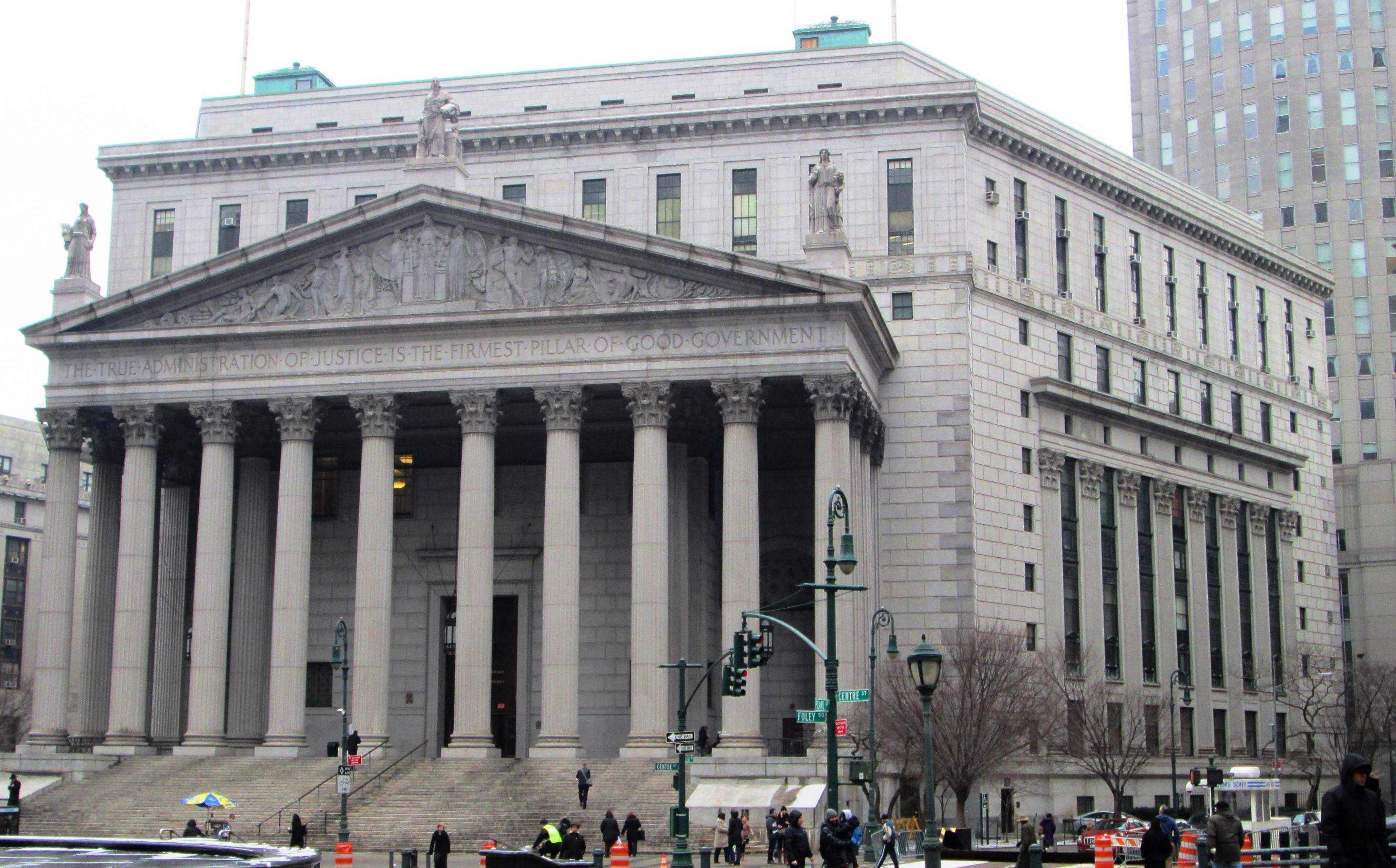
The Constitution does not mention visas, or immigration categories, or victim certifications. What it does create is a federal government with enumerated powers, including authority over naturalization and foreign affairs, and it gives Congress room to build national policy in areas that require uniformity.
That design matters for readers because U visas are federal. Local agencies play a key role in certification, but USCIS makes the final call, and national limits like the 10,000 cap affect everyone, no matter the state.
The U visa is a modern example of Congress using immigration law to pursue a domestic governance goal: encouraging people to report crimes and cooperate with police without the chilling effect of immigration retaliation.
It is also a reminder that immigration status is often less about abstract labels and more about power relationships. Who feels safe enough to call 911. Who dares to testify. Who gets believed.
Common misconceptions
Myth: You need a conviction. Reality: Certification and eligibility do not require a conviction, and sometimes not even an arrest.
Myth: A signed certification guarantees a U visa. Reality: USCIS makes the final decision and can deny petitions.
Myth: The U visa is only for domestic violence. Reality: Domestic violence is common in U filings, but the statute lists many qualifying crimes.
Myth: Reporting once is enough forever. Reality: The statute requires helpfulness. That can be ongoing, and withdrawal of cooperation can become an issue.
Myth: The police must sign. Reality: Many agencies do sign in appropriate cases, but certification policies vary by jurisdiction.
If you are considering a U visa
The U visa is not just paperwork. It is a record of something that happened, and a promise to participate in a system that may have already failed you once.
If you are exploring this option, focus on three practical questions:
Is the crime potentially qualifying under the statute?
Can you obtain a Supplement B certification from the investigating or prosecuting agency within the six-month filing window?
Do you have documentation showing substantial harm and cooperation?
In some situations, contacting law enforcement can carry real safety risks. Safety planning matters, especially in domestic violence and trafficking contexts. A local victim advocate, legal aid office, or attorney can help think through reporting, protection orders, and confidentiality.
Because individual facts matter and immigration consequences are serious, many applicants seek help from a qualified immigration attorney or accredited representative. For official reference material, start with USCIS’s U visa page and the current form instructions for I-918 and Supplement B.
The point of the U visa is not to turn victims into immigration case files. It is to make it possible for victims to act like citizens in the most basic civic sense: to report wrongdoing, to participate in justice, and to live with less fear while doing it.