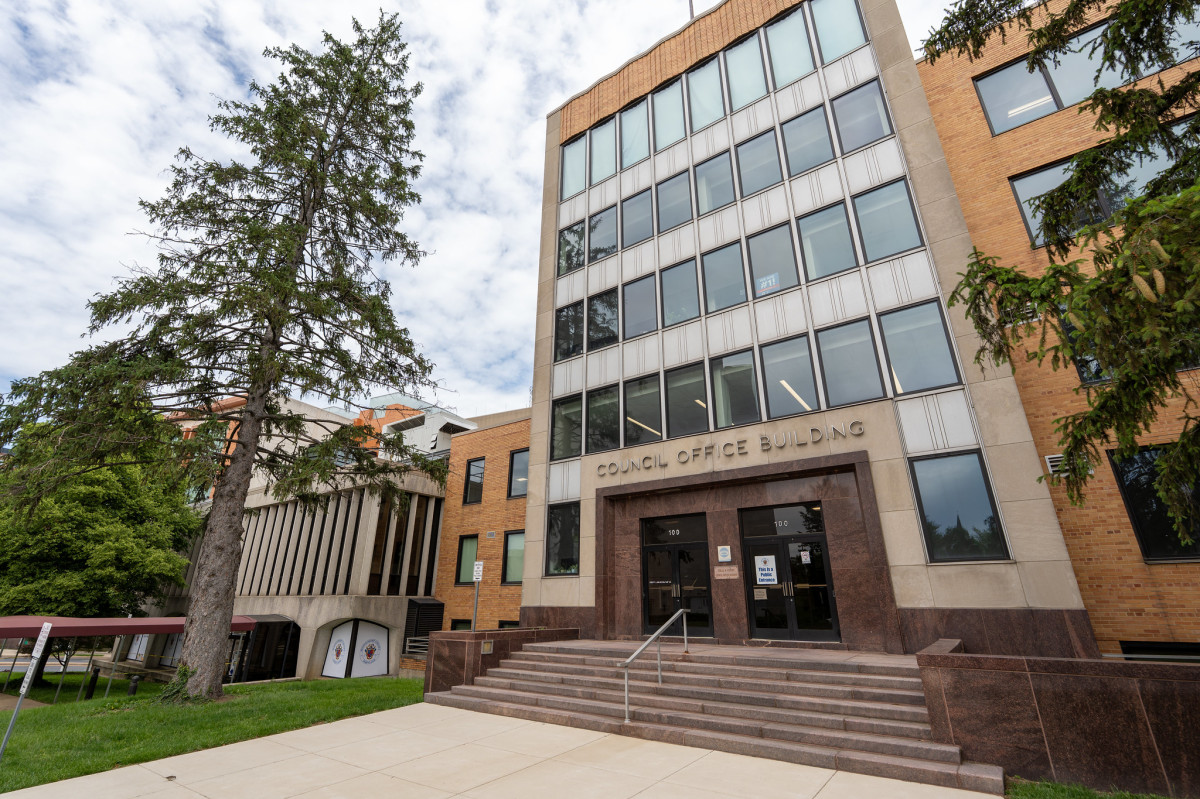
Montgomery County, Maryland, has found itself in a fast-moving constitutional clash after the U.S. Department of Justice signaled it may intervene against a local carry restriction that applies to “places of public assembly,” including houses of worship.
At the center of the dispute is a county effort to limit where firearms may be carried. Under the county’s approach, houses of worship fall within a broader category of public gathering spaces. That means lawful carry can be treated as off-limits on those properties under the countywide rule, rather than leaving the decision solely to each congregation and property owner.
Join the Discussion
What the county passed
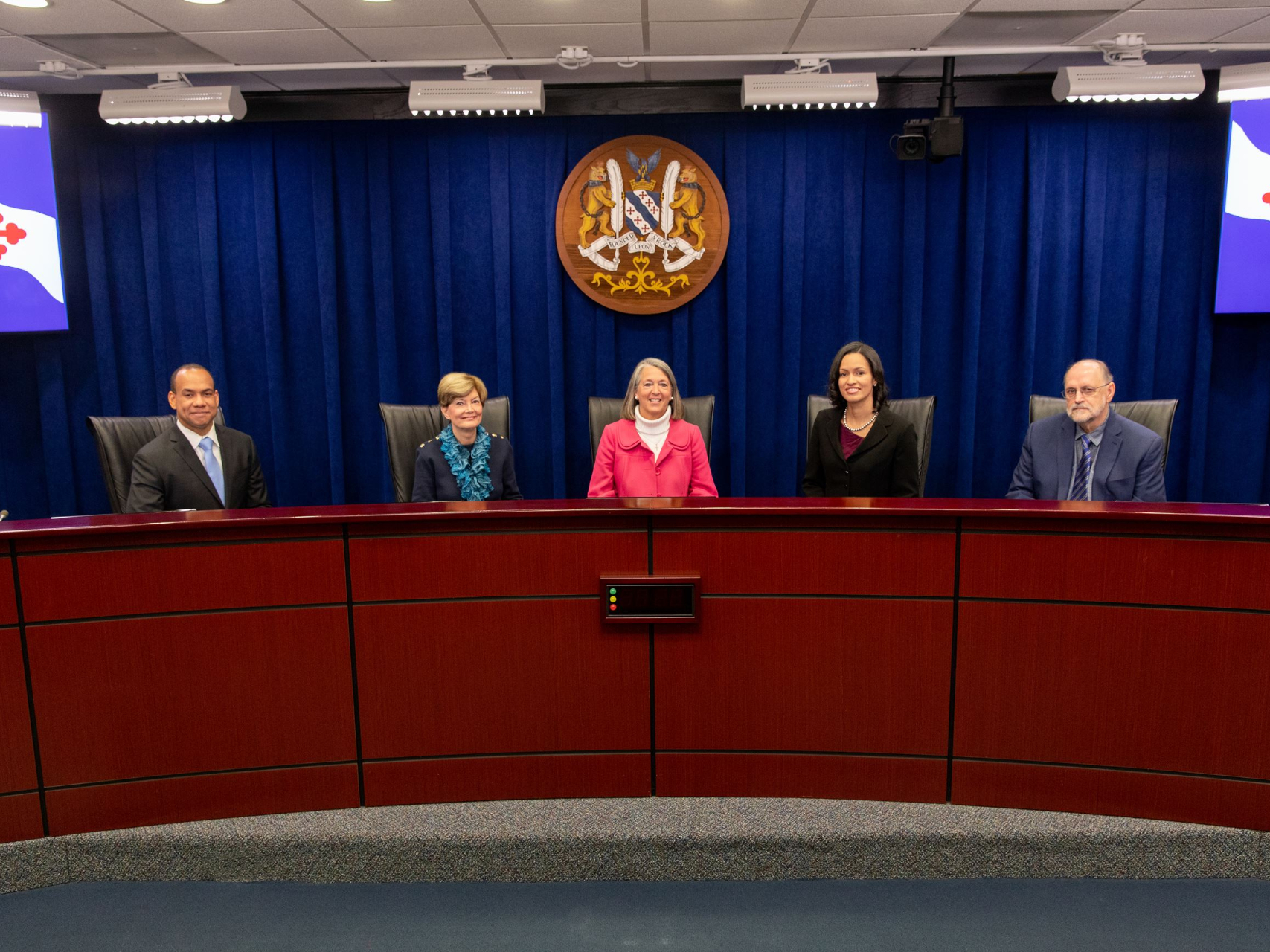
The Montgomery County Council approved the new gun restriction on July 21, 2026. The measure was enacted on July 27, 2026, creating a location-based limitation on carrying firearms in designated public gathering spaces.
In plain terms, this kind of policy moves the question from “Are you generally allowed to carry?” to “Where are you allowed to carry?” The current conflict turns on whether houses of worship can be treated as one of those restricted “public assembly” locations as a matter of county law.
DOJ warning
On July 30, 2026, Assistant Attorney General for Civil Rights Harmeet Dhillon sent a letter to the Montgomery County Council warning that action will be taken by the DOJ if the gun control is enforced.
The notice came from the Civil Rights Division of President Trump’s Department of Justice and focuses on enforcement that would prevent congregants from being armed for self-defense while attending worship.
As Dhillon wrote: “History teaches us that houses of worship are vulnerable to armed attacks and congregants are particularly in need of the ability to defend themselves. By disarming religious congregants during worship, Montgomery County infringes on such congregants’ ability to defend against such attacks.”
She asked the county to respond by noon on Friday, July 31, 2026, confirming that the gun control will not be enforced.
Owner choice
Dhillon also recognized a key caveat that narrows what the federal objection is aimed at.
She noted that a different situation exists when the property owner of the house of worship has an “explicit prohibition” against guns. That is distinct from a government-imposed rule that broadly treats houses of worship as prohibited carry locations under a countywide “places of public assembly” restriction.
The issue
For most people, the practical question is simple: who decides whether lawful carry is permitted on worship property, the congregation and property owner or the county?
- County’s view: some crowded or sensitive public gathering spaces should be treated as off-limits for carrying as a matter of public safety.
- Federal warning here: enforcing that category against houses of worship can raise constitutional problems when it results in congregants being barred from carrying for self-defense.
However the legal arguments are ultimately framed, the immediate dispute is about a location-based carry restriction and whether it can be enforced against houses of worship as part of the county’s “places of public assembly” approach.
What comes next
When a federal civil rights official tells a county it may face action if it enforces a law, the next phase usually becomes a choice:
- The county backs away from enforcement, revises the rule, or clarifies its scope.
- The county holds the line, which can lead to federal litigation or other enforcement steps.
Either way, the flashpoint is now clear: whether Montgomery County can treat houses of worship as just another “public assembly” location for carry purposes, or whether that application triggers federal action.