
Airport security has a thousand little rituals we barely notice until one changes. Shoes off. Liquids out. Laptop in its own bin. And now, at many checkpoint entrances, the TSA officer who checks your ID will be standing, because the chair is gone.
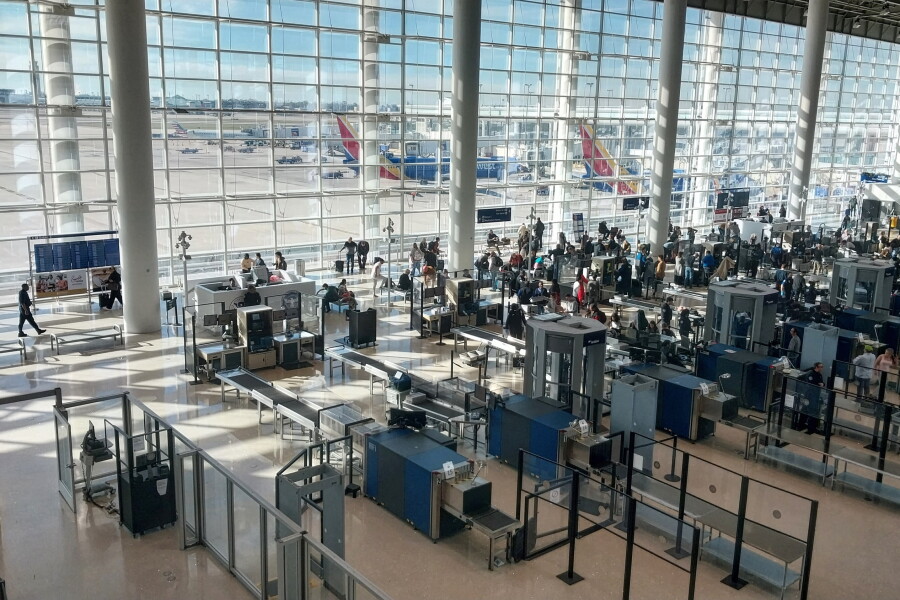
The Transportation Security Administration has confirmed a nationwide change: chairs are being removed from the travel document checker station, the first position most passengers encounter when entering a checkpoint line.
Join the Discussion
What is changing
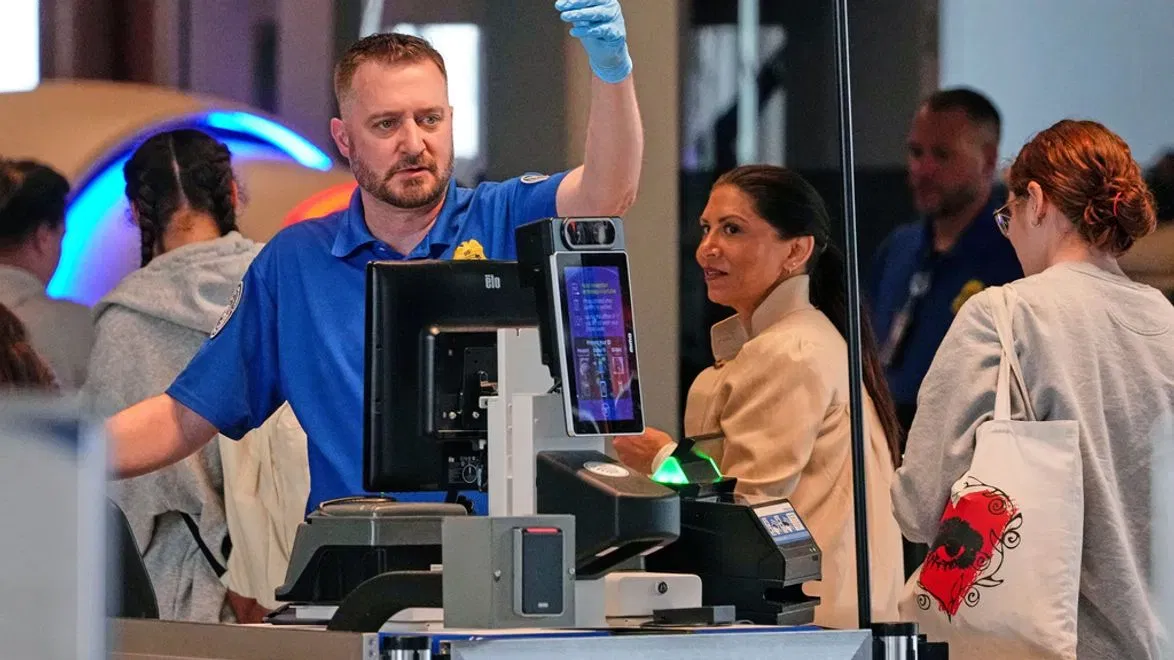
Officers assigned to the travel document checker role, the job that typically involves reviewing passports and identification before passengers proceed to screening, will no longer have chairs at those stations.
American Federation of Government Employees (AFGE) TSA Council 100, the union representing TSA agents, says the chair removals are happening across airports around the country and that the union had no role in the change to working conditions.
TSA's rationale
TSA frames the move as both operational and symbolic: the travel document checker is not just a screening function, but a frontline public-facing role. In a statement, a TSA spokesperson said officers in that position “are the first to interact with the traveling public,” and that keeping them “on their feet and alert” is a “welcome change” meant to support security and hospitality.
The statement also ties the policy directly to workplace capability standards: “All officers must meet fitness for duty requirements to be capable of performing their vital national security function while simultaneously creating a welcoming and professional environment for travelers.”
The union response
AFGE TSA Council 100 calls the chair removal a “disregard for workers rights and safety,” arguing that seating at the document-check position is not a perk but a workplace safety measure.
“These chairs serve as basic ergonomic and safety support for officers that stand and walk on hard surfaces all day,” the union said. “TSA is treating this matter like it is a privilege—it is not; it is basic safety and common decency for the workforce.”
Horizon 25
The policy lands amid a broader reshaping of TSA operations. TSA Administrator David Cummins took over in August and has advanced a set of changes outlined in the “Horizon 25 Strategy,” initiatives aimed at improving travel efficiency tied to the agency’s 25th anniversary.

Fitness rules
The chair dispute is also unfolding as the Trump administration puts an emphasis on fitness for federal workers.
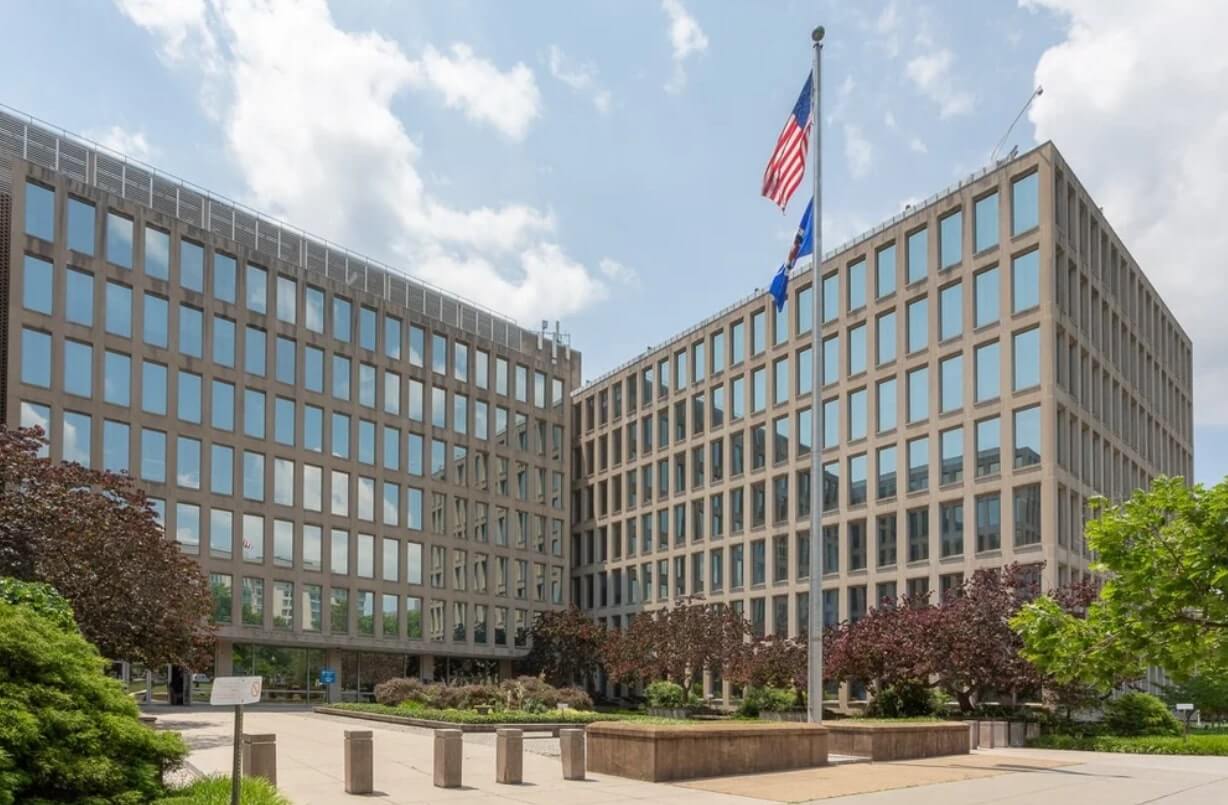
President Donald Trump signed an executive order last March that broadened the power of the Office of Personnel Management (OPM) to evaluate federal workers, including, in a final rule made effective in July 2026, on the grounds of “suitability and fitness.” Under that framework, agencies can weigh fitness when evaluating prospective employees and can also use fitness as grounds for disciplining or firing an employee.
The lawsuit
Labor groups are already fighting the broader fitness push in court. In August, a coalition of unions representing government employees, including AFGE and the National Federation of Federal Employees (NFFE), which represents more than 110,000 workers, filed a lawsuit claiming OPM exceeded its statutory authority through suitability and fitness regulations applied to the federal workforce’s performance management system.
The lawsuit seeks to reverse OPM’s changes, including the final rule applying suitability standards to both job applicants and current employees, as well as a rule permitting expedited firings if workers don’t meet suitability and fitness standards.
Unions are also protesting OPM’s revamped performance management system, which reversed a decades-long ban on a forced distribution system that requires an employer to place workers in categories of top, average, and low performers.
NFFE National President Randy Erwin described the changes this way: “This is yet another blatant effort by the Trump administration to make it easier to unjustly discipline and fire dedicated federal workers and diminish the critical public services they provide every day.”
Why it matters
For travelers, the chair removal is a small, visible shift at the start of the checkpoint line. For TSA officers and other federal workers, it is landing in a moment when “fitness for duty” and related standards are being emphasized more broadly across the government, and when unions are challenging how those standards can be used.