
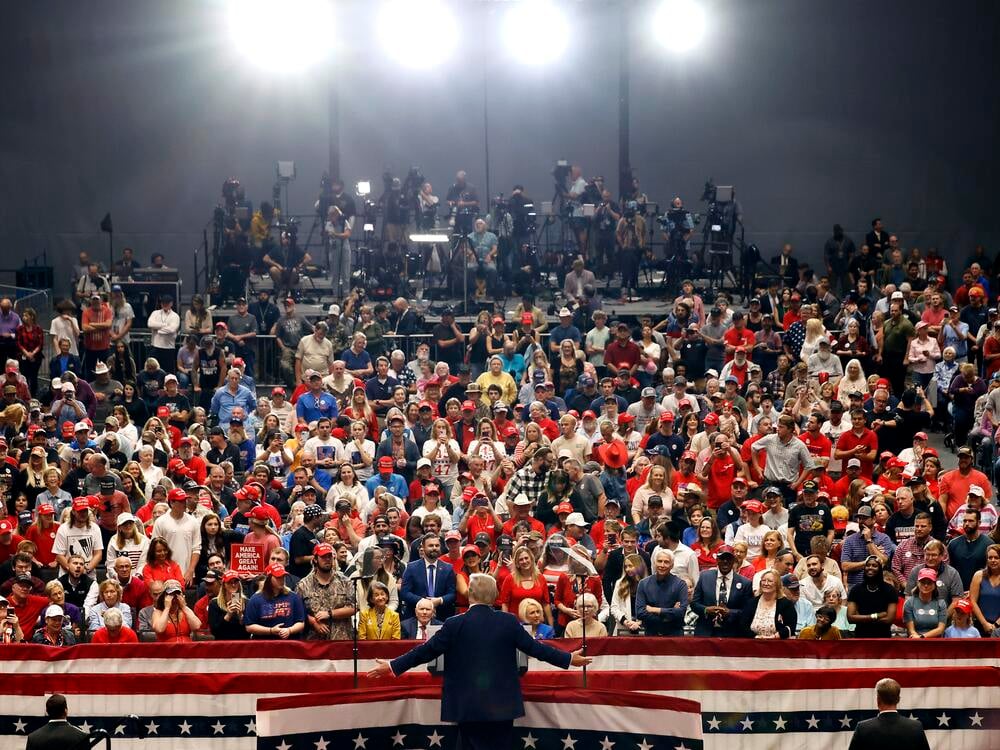
A promise to send Americans a $5,000 check lands with the force of a headline because it feels like something a president can simply order. In this case, the idea has been promoted publicly as part of Donald Trump’s pitch for a $5,000 “dividend” payment. But the Constitution treats federal money like a locked vault. A president can argue for what should come out of it. Congress decides what actually does.
So the real question is not whether a president can “offer” a $5,000 dividend. It is whether Congress will appropriate the money, write eligibility rules into law, and accept the budget consequences that follow.
Join the Discussion
What the $5,000 proposal is
Based on public descriptions, the proposal is a direct cash payment to many Americans, framed as a “dividend” and sized at $5,000 per eligible person. Some versions discussed publicly suggest limiting or excluding high-income recipients, which would make it look more like a targeted benefit than a universal rebate.
Two details matter for understanding how this would work in practice:
- A “dividend” is still spending. In federal budgeting terms, a check is an outlay. Calling it a dividend does not create a new legal category that bypasses Congress.
- Eligibility rules drive the cost. Whether it is “every adult,” “every taxpayer,” “every household,” or “everyone under an income cap” changes both the total price tag and the politics.
Who pays for it?
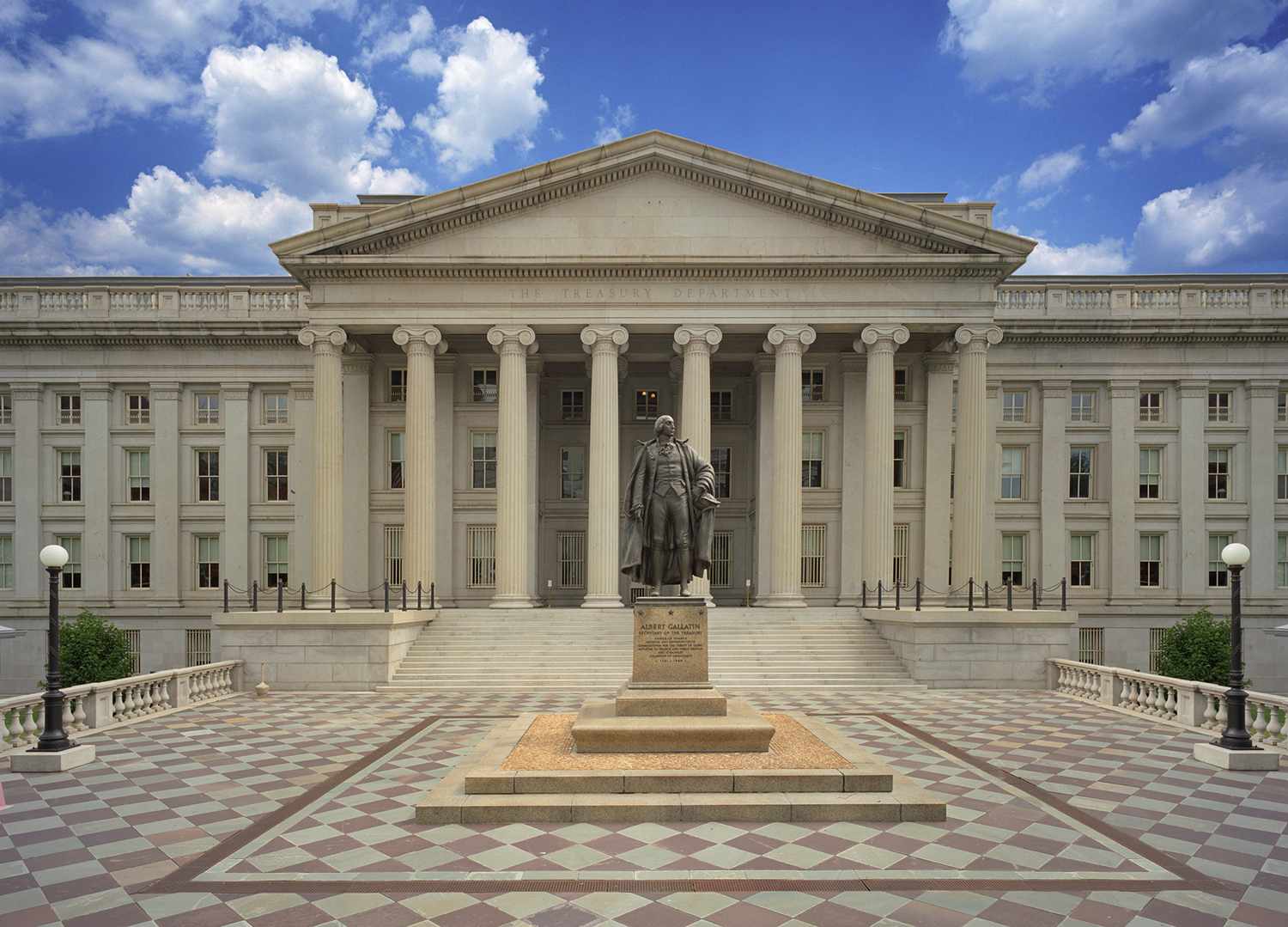
There is no separate pile of presidential money. A federal check is funded from general federal resources, usually a combination of:
- Existing revenue (taxes, tariffs, fees, and other receipts flowing into the Treasury), and
- Borrowing (issuing Treasury securities that increase federal debt held by the public).
If Congress authorized $5,000 payments without raising new revenue or cutting other spending to offset the cost, the practical result would be more federal borrowing and higher interest costs over time. The check is immediate. The financing trail is not.
Can a president send checks without Congress?
Almost never, and the reason is constitutional.
Article I gives Congress the power of the purse. The Appropriations Clause states: “No Money shall be drawn from the Treasury, but in Consequence of Appropriations made by Law.” Courts treat this as a binding constraint. The executive branch cannot spend federal money unless Congress has authorized it in a statute.
There are narrow exceptions in practice, but they still trace back to Congress. For example, the executive can sometimes spend from standing or mandatory appropriations that Congress has already enacted, or shift limited funds within statutory boundaries. Those pre-existing authorities are not a blank check for a new nationwide cash payment.
Presidents do have real budget influence. They propose budgets, negotiate with congressional leaders, and sign or veto spending bills. But those tools operate inside the appropriations process, not around it.
The fastest way to summarize the legal limit is this: a president can promise checks as a political commitment, but cannot pay checks unless Congress passes a law that funds them.
What Congress must do
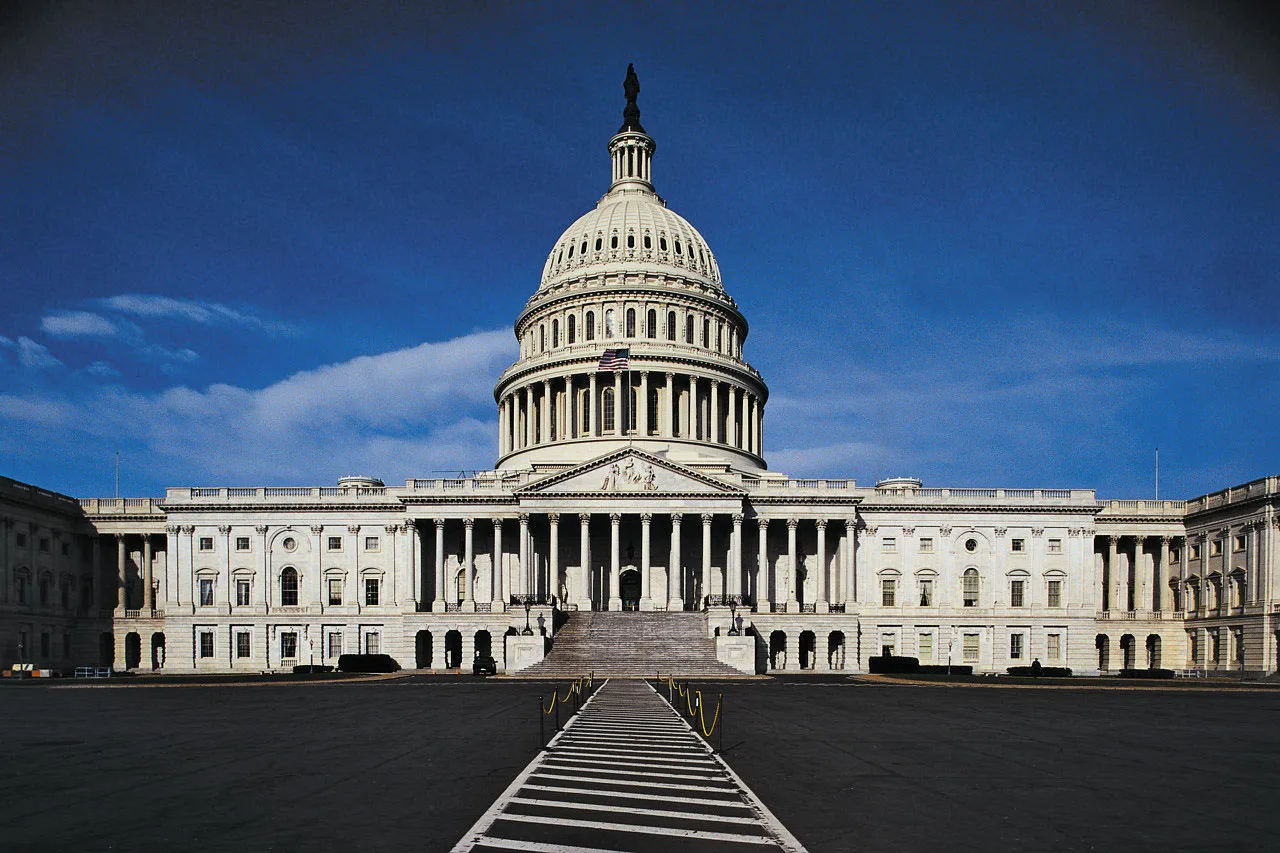
For a nationwide payment program, Congress would typically need to enact legislation that does at least four things.
1) Create legal authority
Congress would pass a statute authorizing Treasury to make payments, defining who qualifies, and setting the amount. This is the constitutional permission slip.
2) Provide funding
How funding works depends on how Congress structures the program. Some programs are funded through annual discretionary appropriations. Others are written as mandatory spending with a standing appropriation, meaning once the law exists, payments flow automatically under the terms Congress set. Either way, the legal authority comes from Congress.
3) Pick the payment pipeline
In recent history, the most workable pipeline for direct payments has been the IRS and Treasury, using tax return data, Social Security records, and direct deposit information. If the plan excludes higher-income Americans, Congress must define how to measure that, usually with adjusted gross income and filing status.
4) Decide how it is financed
Congress could pair the checks with offsets (new revenue or spending cuts) or leave the program deficit-financed. Both approaches can be written into law. They are not fiscally equivalent.

Would it raise the debt?
It depends on how Congress writes the bill.
If Congress funds the payments with new revenue or equivalent spending reductions, the net effect on deficits could be limited. If it does not, the government makes the payments from general funds and borrows as needed, increasing deficits and, over time, debt.
The scale matters, and it depends on who qualifies. A rough back-of-the-envelope example shows why: if 240 million people received $5,000, that alone would be about $1.2 trillion before administrative costs and before any phaseouts. A narrower eligible population or an income phaseout could reduce that number. A broader definition, such as including more dependents, could push it higher.
Could it be done by executive order?
An executive order can direct federal agencies on how to use authority they already have. It cannot create new authority to spend money Congress has not appropriated.
The executive branch sometimes has limited flexibility inside existing programs, like adjusting enforcement priorities or implementing rules Congress has already authorized. But “send $5,000 checks” is not a small adjustment. It is a new national spending program, which is Congress’s domain unless Congress has already enacted a specific funding and payment mechanism.
What about excluding high earners?
Politically, an income cap makes a universal-sounding idea cheaper and easier to defend. Legally, it is straightforward, as long as Congress defines the rule clearly.
There are a few standard options Congress could choose:
- Income phaseouts based on tax return data (common in past rebates and credits).
- Filing status rules (single, married filing jointly, head of household) with different thresholds.
- Non-filer alternatives for people who do not file taxes, which requires another dataset and more administrative work.
These are policy choices. They become law only if Congress passes them.
The constitutional bottom line
When presidents talk about checks, it is tempting to treat it like a customer service promise: place the order, wait for delivery. The Constitution does not work that way.
The United States generally spends only what Congress has authorized and funded. That structure is intentional. It is one of the main ways the Constitution prevents the executive branch from unilaterally reshaping national priorities through spending.
So if you are trying to judge whether a $5,000 check proposal is “real,” the answer is simple and stubborn: it becomes real only when Congress writes it into law, provides the funding mechanism, and sends it to the president for signature.
Quick FAQ
Is a $5,000 check guaranteed if a president supports it?
No. Without a statute passed by Congress and signed into law, there is no legal authority to issue the payments.
Where would the money come from?
From general federal revenue and, if not offset, additional borrowing through Treasury securities.
Can Congress do it even with high debt?
Yes. Congress has broad power under the Taxing and Spending Clause to fund programs it deems to serve the general welfare. The constraint here is political and fiscal, not usually constitutional.
Would courts stop Congress from sending checks?
Courts generally uphold broad federal spending programs when Congress follows constitutional procedures and stays within its enumerated powers. Lawsuits are more likely to focus on how a program is administered, such as statutory compliance, agency process, and eligibility rules, than on Congress’s basic authority to fund payments.