
Tariffs feel like a blunt instrument. One day a product is cheap, the next day it is not. But the real story in the current tariff fights is not a single rate or a single sector. It is the way presidential power has grown into a system where the White House can tighten trade rules quickly, category by category, and then defend those moves in court.
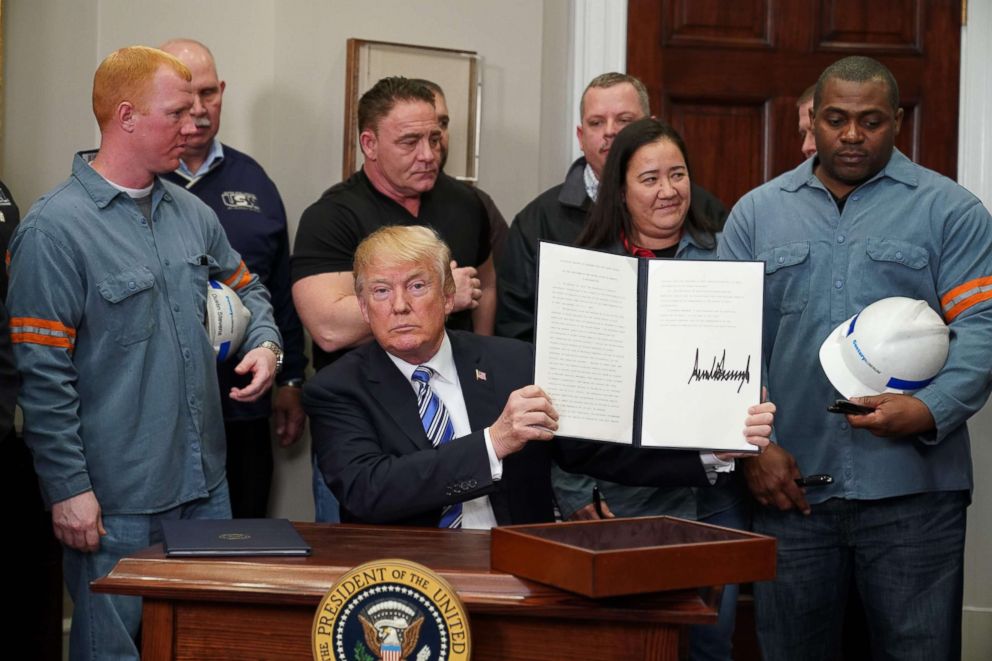
Two developments show the shape of that power, and they work through different mechanisms. First, President Donald Trump’s use of Section 232 to impose tariffs on steel and aluminum beginning in 2018, justified as a national-security move and then expanded, revised, and reworked through presidential proclamations. Second, the steady pressure on de minimis duty-free shipments under Section 321 as lawmakers and agencies respond to the explosion of cross-border e-commerce and the enforcement gaps that come with millions of small parcels.
Together they point to something bigger than “trade war” rhetoric. They point to the modern tariff state: Congress wrote broad delegations decades ago, presidents use them aggressively, and courts often end up serving as the boundary marker more than Congress does.
Join the Discussion
Section 232 in practice
Section 232 is the cleanest illustration of the modern system because the statute is explicit: if the Commerce Department finds an import threatens to impair national security, the president can act. That legal architecture is what made the 2018 steel and aluminum tariffs possible, and it is why those tariffs became a template for later sector-by-sector thinking.
In concrete terms, the first round is easy to date and describe. In March 2018, the administration announced tariffs of 25% on steel and 10% on aluminum, and implemented them through presidential proclamations (including Proclamation 9705 and Proclamation 9704) following Commerce’s Section 232 reports.
Section 232 also shows how tariff policy now works as executive administration, not just legislation. The key decisions are often about scope, exemptions, quotas, product exclusions, and country-specific adjustments. Those are decisions that can move quickly because the authority lives in the executive branch once the statutory trigger is pulled.
That speed is the point and the risk. It lets presidents respond fast to perceived security or industrial concerns. It also shifts the practical center of gravity away from Congress and toward agencies and the White House.
What de minimis does
The de minimis exemption is a trade rule most Americans never heard about until proposals to narrow it, and rising scrutiny of small-parcel imports, pushed it into the public conversation.
In plain English, de minimis is the idea that some imported shipments are so low in value that the government treats them as not worth the administrative cost of collecting duties. In the United States, the main threshold is set by statute. Congress raised it to $800 in the Trade Facilitation and Trade Enforcement Act of 2015. The higher threshold was enacted in early 2016 and implemented shortly after through Customs rules and procedures. Over time, that carve-out became a major channel for cross-border e-commerce: lots of small packages shipped directly to consumers, each falling under a threshold that often keeps them outside formal entry and duty collection.
So when policymakers talk about narrowing how de minimis works, the effects can be immediate and widely felt:
- Importers and platforms face more duties and more paperwork.
- Customs enforcement gets a wider lane to inspect and collect.
- Consumers are more likely to see higher prices, added fees, or delays at delivery.
This is the plumbing point. De minimis does not erase trade or make it illegal. It reduces formal entry requirements and duty collection in a way that makes a huge volume of small imports less visible to ordinary tariff administration.

Courts and Section 232
The legal anchor matters, and this is where it helps to name the forum even when outcomes vary by claim. Many of the major tariff challenges land at the U.S. Court of International Trade, the specialized federal court that hears disputes over customs and trade laws.
In the Section 232 era, courts were repeatedly asked to decide where the statute ends and presidential discretion begins. Two frequently cited examples show the kinds of boundaries at issue. In American Institute for International Steel v. United States (Fed. Cir. 2019), challengers argued that Section 232 amounted to an unconstitutional delegation of legislative power. In Transpacific Steel LLC v. United States (Fed. Cir. 2021), the dispute focused on statutory timing and whether a later modification to a country’s Section 232 measures fit within the law’s procedural limits.
The recurring questions were not abstract. They were concrete and procedural:
- Statutory interpretation: did the president act within the boundaries Congress wrote into Section 232?
- Timing and process: did the action track the deadlines and steps the statute requires?
- Scope and justification: is the link between the national-security finding and the specific tariff or quota measure close enough to survive review?
Even when plaintiffs do not win outright, the litigation itself reveals the structure of modern tariff power. The president acts under a delegation. The lawsuit tries to show the delegation was exceeded. The court becomes the practical referee because Congress often does not step back in to rewrite the rules midstream.
Does Congress control tariffs
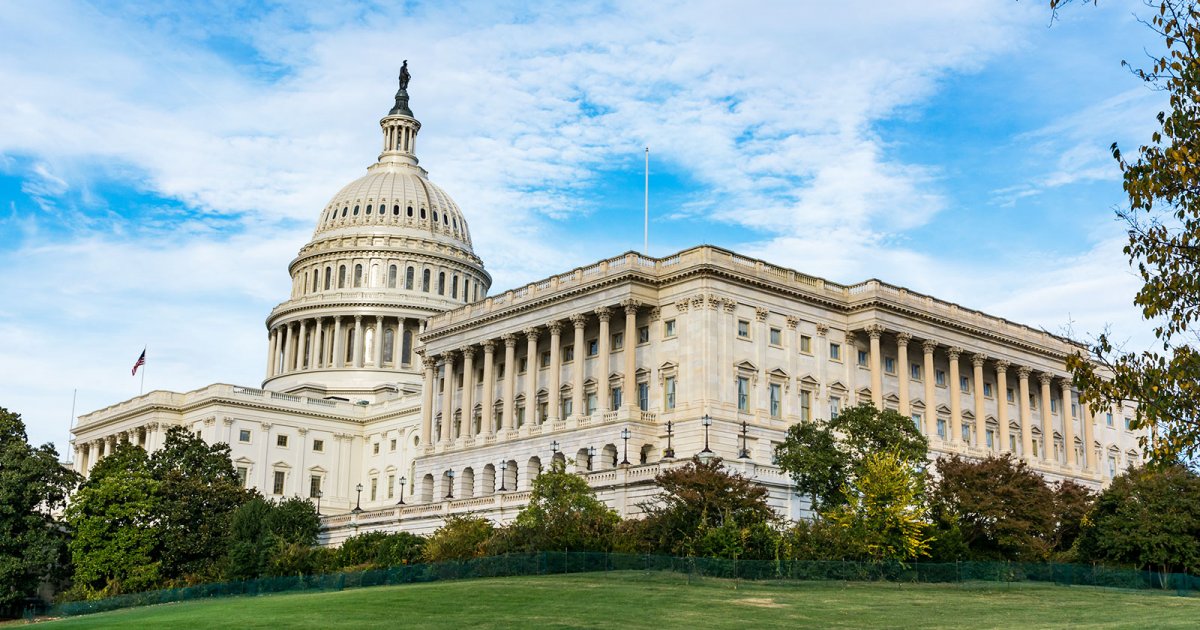
Yes. Article I gives Congress the power to “lay and collect Taxes, Duties, Imposts and Excises” and to “regulate Commerce with foreign Nations.” If the story ended there, presidents would not be announcing tariffs like they are toggling a switch.
The story does not end there because Congress has spent the last century delegating large pieces of tariff and trade authority to the executive branch through statutes. The constitutional pivot is not that Congress lost its power. It is that Congress lent it, broadly, repeatedly, and often with language that gives presidents room to maneuver.
That delegation reality is the backdrop for both of the systems described here.
- A sector-specific tariff like the 2018 steel and aluminum duties can be pursued through trade statutes that authorize action for national security, unfair trade practices, or emergency economic conditions, depending on the administration’s chosen route.
- Tightening how de minimis works similarly becomes a question of statutory interpretation and administrative authority, not a fresh constitutional amendment.
So when people ask “Who is in charge of tariffs?” the most honest answer is: Congress wrote the rules of the game, but presidents often play the game day to day.
Tariffs as enforcement
Old tariff debates were often described as ideology: protectionism versus free trade. Modern tariff policy is also about enforcement architecture. Section 232 tariffs and de minimis fights both treat tariffs and customs rules as a way to do targeted governance:
- Tariffs as industrial policy: steer investment and production decisions.
- Tariffs as security policy: reduce dependency in sensitive sectors.
- Tariffs as administrative policy: change what gets inspected, collected, and tracked at the border.
Once you see tariffs as enforcement, the de minimis issue snaps into focus. The exemption is not just a tax break. It is also a decision about what kinds of trade move through a simplified lane, and what kinds of trade are pushed into the more visible, duty-paying system.
What changes for buyers
1 Price is the headline
Tariffs are easy to understand at the register. The less obvious impact is compliance. Companies adjust classifications, renegotiate contracts, re-route supply chains, and prepare for audits. Smaller importers often feel this more sharply than large firms that can spread the cost over a legal and logistics team.
2 Small packages face friction
If low-value shipments lose duty-free treatment or face narrower eligibility, the friction increases. More declarations, more inspections, more delays, and a higher chance that the buyer experiences trade policy as a personal inconvenience.
3 Sectors become leverage
Sector-by-sector tariffs create winners and losers fast. That can bring Congress back into the conversation, but often in a reactive way, through exemptions, carve-outs, or pressure campaigns, rather than a comprehensive rewrite of tariff authority.
Where the limits are
Presidents are not supposed to have unlimited economic power. The constitutional anxiety around tariffs is part of a larger concern: when Congress delegates broadly, the presidency can begin to look like a one-stop shop for economic regulation.
In practice, limits come from three places:
- The statute: what Congress actually authorized, including any required findings and procedures.
- The courts: whether the executive complied with the statute and whether the action is arbitrary or unsupported.
- Politics: whether Congress chooses to claw back authority, narrow delegations, or force votes that make tariff policy harder to do by executive action alone.
The lesson is not that courts always stop presidents or that presidents always win. The lesson is that, in the modern tariff state, the most meaningful fights often happen after the executive branch has already moved, when challengers try to persuade judges that the move was outside the delegation Congress wrote.
FAQ
Is a tariff a sales tax
No. A tariff is a duty collected at the border on imported goods. But it often behaves like a sales tax downstream, because costs are typically passed through the supply chain to the buyer.
Can a president impose tariffs alone
Not from thin air. But yes in the modern sense, because Congress has enacted statutes that allow the president to impose, adjust, or suspend tariffs under certain conditions. Most fights are about whether those conditions were met.
Does changing de minimis ban small imports
Not necessarily. It changes the duty and enforcement treatment. Goods can still come in, but they may no longer come in duty-free, and they may face more formal customs processing.
The constitutional bottom line
The Constitution puts tariff power in Congress’s hands. The last century of lawmaking put many tariff controls in the president’s hands.
The Section 232 steel and aluminum tariffs show the sector-by-sector strategy of modern trade enforcement. The ongoing political push to narrow de minimis shows how much leverage sits in the boring parts of customs administration, not just in headline tariff rates.
If you want to understand where tariff policy goes next, do not just watch announcements. Watch the statutory hooks presidents claim, the lawsuits that test them, and whether Congress finally decides it wants its tariff power back in a form that cannot be delegated away so easily.