
Impeachment is one of those constitutional words that sounds like a verdict. But in American law, it is closer to an indictment: a formal accusation issued by the House, followed by a trial in the Senate.
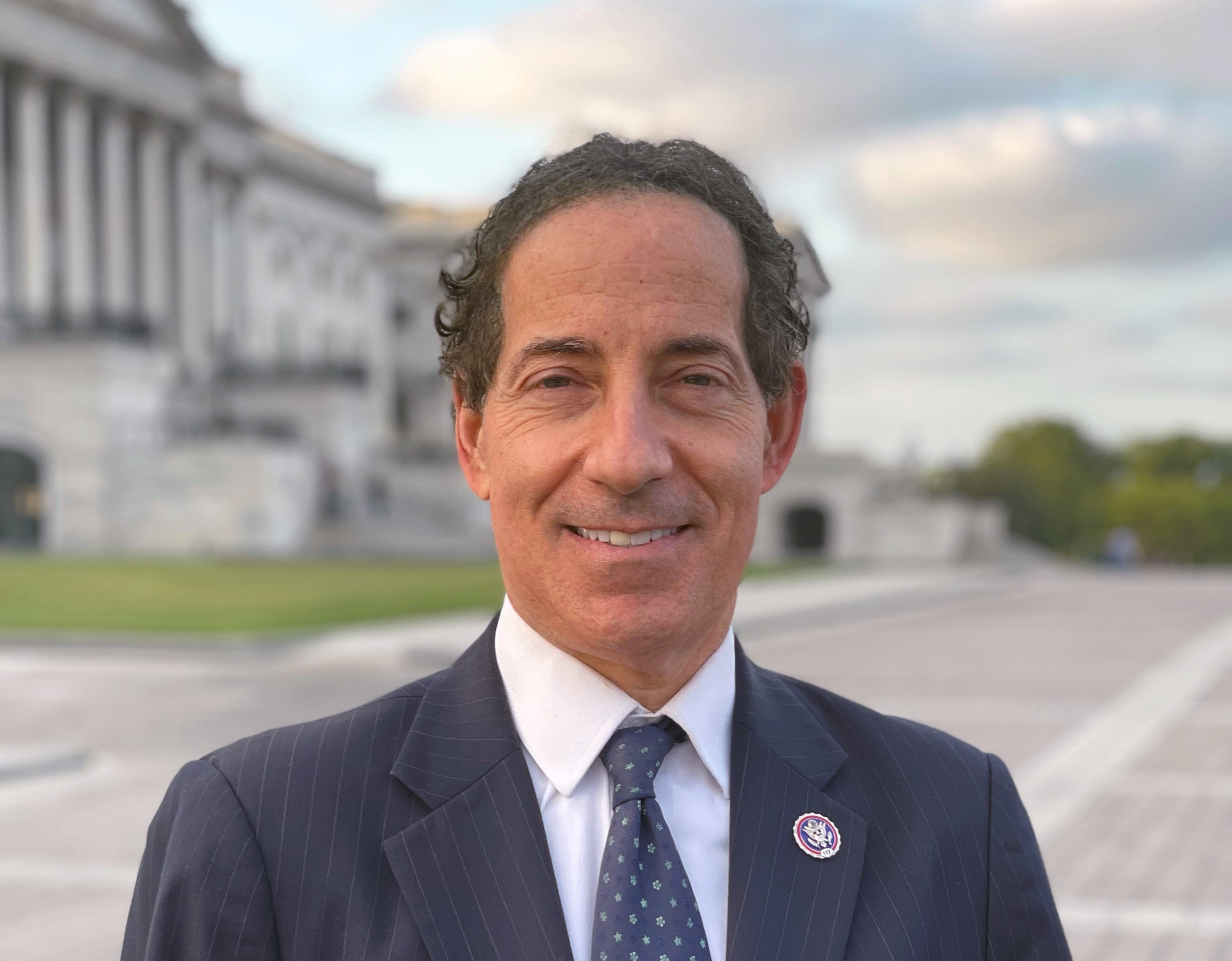
That distinction is the key to understanding why Rep. Jamie Raskin’s September 6, 2026 interview hit like a match in dry grass. Asked whether President Donald Trump has committed impeachable offenses, Raskin answered: “Undoubtedly. We don’t have time to remotely scratch the surface.” And when the conversation turned to whether another impeachment would be politically unthinkable, he refused to treat it as taboo if Democrats regain control of the House.
Two separate controversies then fused into one viral moment: Raskin’s impeachment comments and his decision not to engage a clip reel of inflammatory remarks by streamer Hasan Piker, calling that line of questioning “an irrelevant distraction.” In the clip economy, those were instantly framed as one story about what Democrats would pursue and what they would ignore.
The durable story, though, is constitutional. What counts as “impeachable”? Who decides? What does a House majority actually empower, and what does it not?
Join the Discussion
What Raskin actually put on the table
Raskin’s core claim was not simply that Trump should be criticized. It was that Trump’s conduct meets the constitutional threshold for impeachment. He did not, in the excerpted exchange, lay out a full bill of particulars, instead indicating the list was extensive: “We don’t have time to remotely scratch the surface.”
He also connected “accountability” directly to the 2026 midterms, because impeachment begins in the House. That is not political spin. It is the Constitution’s architecture. If a party does not hold the House, it does not control the committee gavels, the investigation schedule, or the floor votes required to adopt articles of impeachment.
In other words: when Raskin talked about a third impeachment in the same breath as winning the House, he was describing a procedural reality as much as a partisan ambition.
Impeachment is a process, not a punchline
Article I gives the House the “sole Power of Impeachment.” The Senate has the “sole Power to try all Impeachments.” That separation is why impeachment can be both legalistic and political at the same time.
The House role: accusation
- The House can investigate, draft articles, and vote to impeach by a simple majority.
- Impeachment does not remove anyone from office. It moves the case to the Senate.
The Senate role: trial and removal
- The Senate conducts a trial. When the president is tried, the Chief Justice presides.
- Conviction requires a two-thirds vote of senators present.
- If convicted, the official is removed. The Senate can also vote to disqualify the person from future federal office.
This is why “third impeachment” is not a single event. It is a multi-step constitutional pathway with several off-ramps, including the biggest one: the two-thirds Senate threshold.
What counts as “impeachable,” anyway?
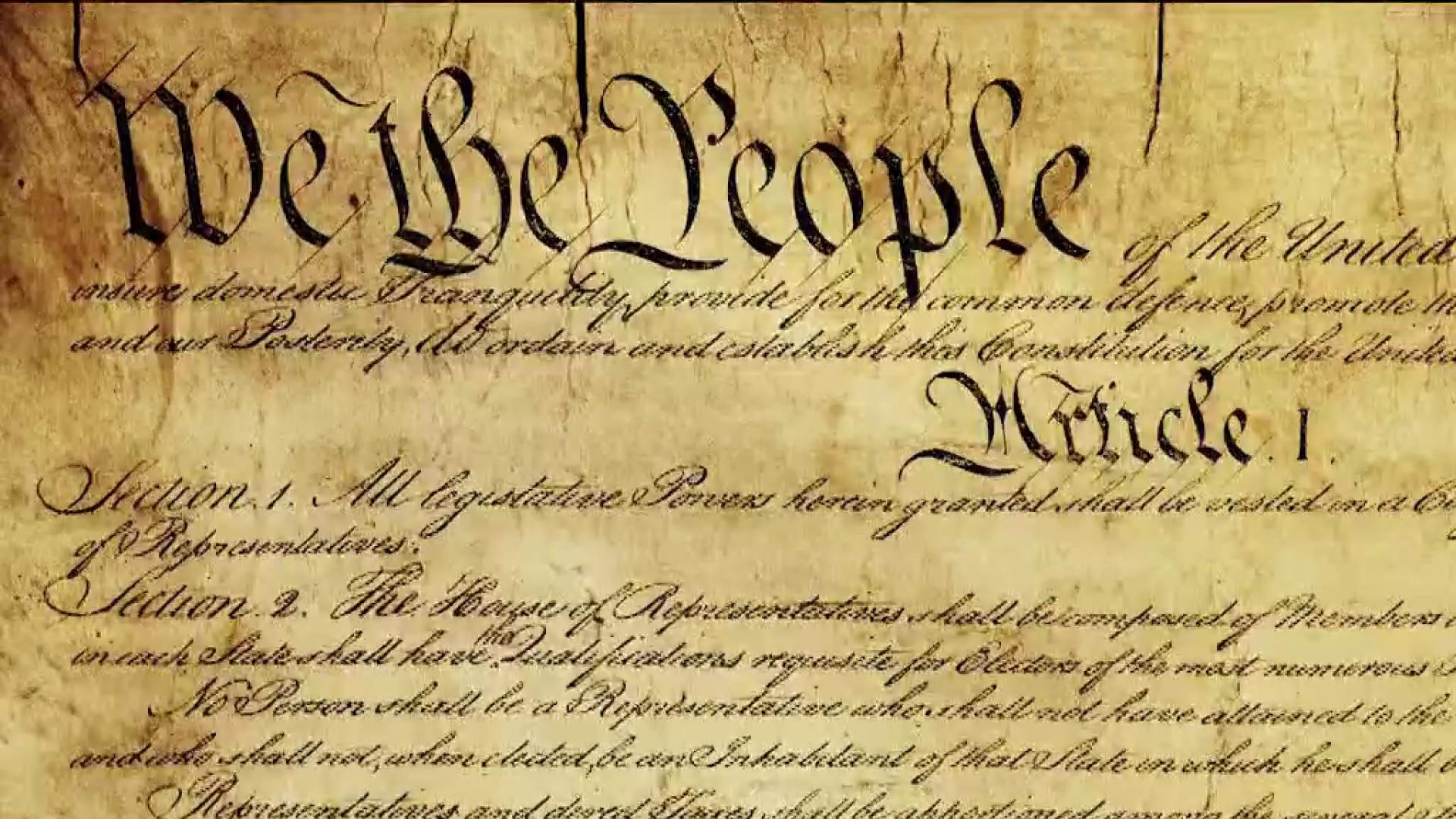
The Constitution’s standard is famously spare: “Treason, Bribery, or other high Crimes and Misdemeanors.” That last phrase does not mean “any crime” and it does not mean “anything unpopular.” It is a term of art inherited from British parliamentary practice, aimed at abuses of public power, betrayals of trust, and conduct incompatible with office.
That ambiguity is not a drafting mistake. It is a design choice. The Framers wanted a mechanism broad enough to address corruption and constitutional defiance, but narrow enough that removal would still require an overwhelming Senate consensus.
So when Raskin says Trump has “undoubtedly” committed impeachable offenses, the constitutional argument he is invoking is not primarily about a criminal code citation. It is about the duties of the presidency and the limits of lawful power.
Why the interview also became a fight about Hasan Piker
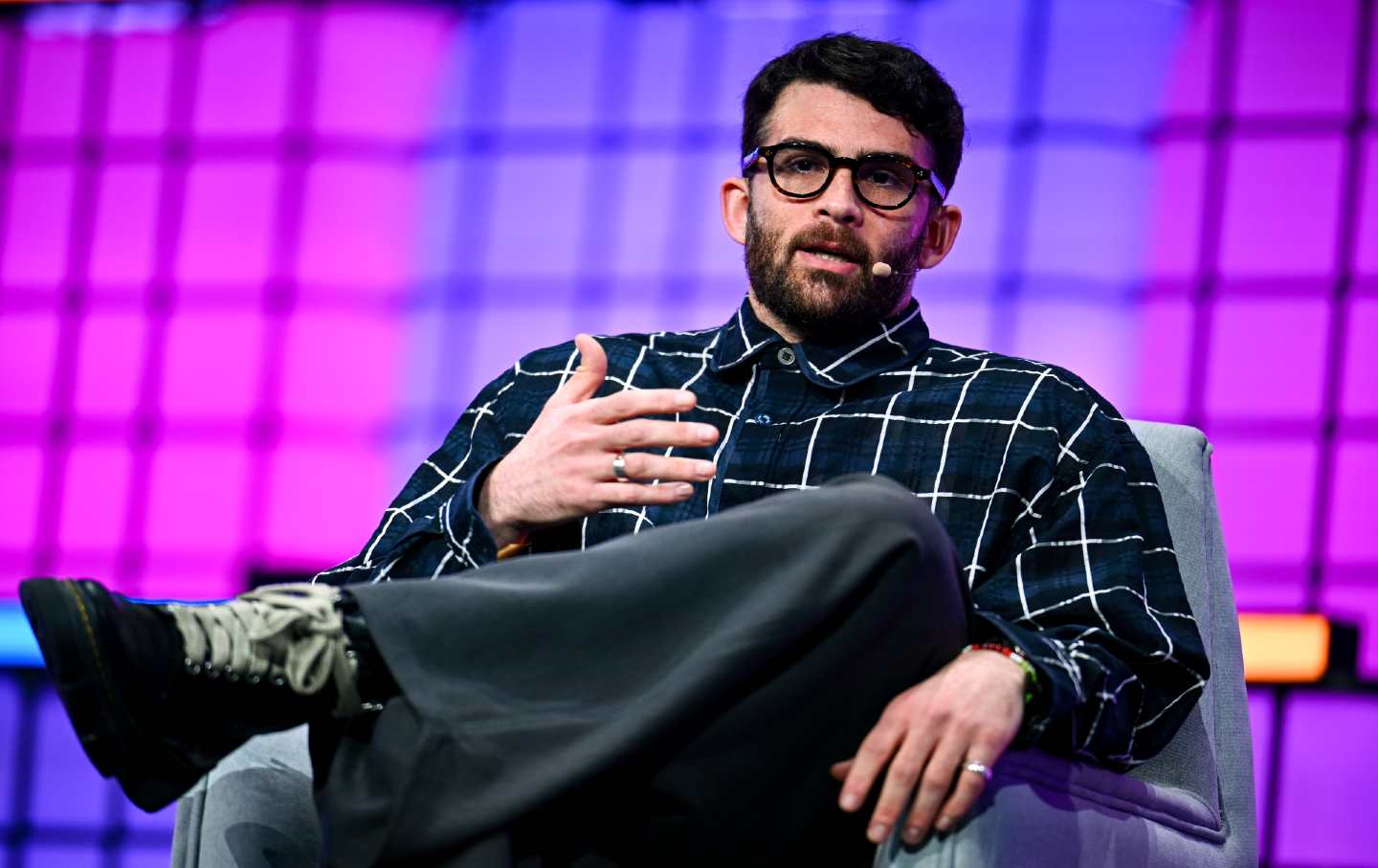
In the same interview, Kristen Welker played clips of Hasan Piker and asked Raskin to react, including remarks characterized as endorsing violent actors. Raskin declined to condemn Piker and instead dismissed the exchange as “an irrelevant distraction.”
It is easy to see why that moment spread. It lets each side tell a clean moral story:
- For critics of Democrats, it reads as: a party leader will not disavow a provocative online figure.
- For defenders of Raskin, it reads as: a legislator is being pulled off constitutional oversight into a culture-war loyalty test.
But constitutionally, the Piker exchange is adjacent noise. Streamers do not draft articles of impeachment. The House does. The question is whether Congress will use its oversight and impeachment powers, and on what evidentiary record.
Still, politically, these moments matter because impeachment is not self-executing. It requires sustained public attention, disciplined messaging, and a willingness to spend months on procedure. Viral side battles can drain oxygen from the legal theory and the factual case.
If Democrats take the House, what changes immediately?
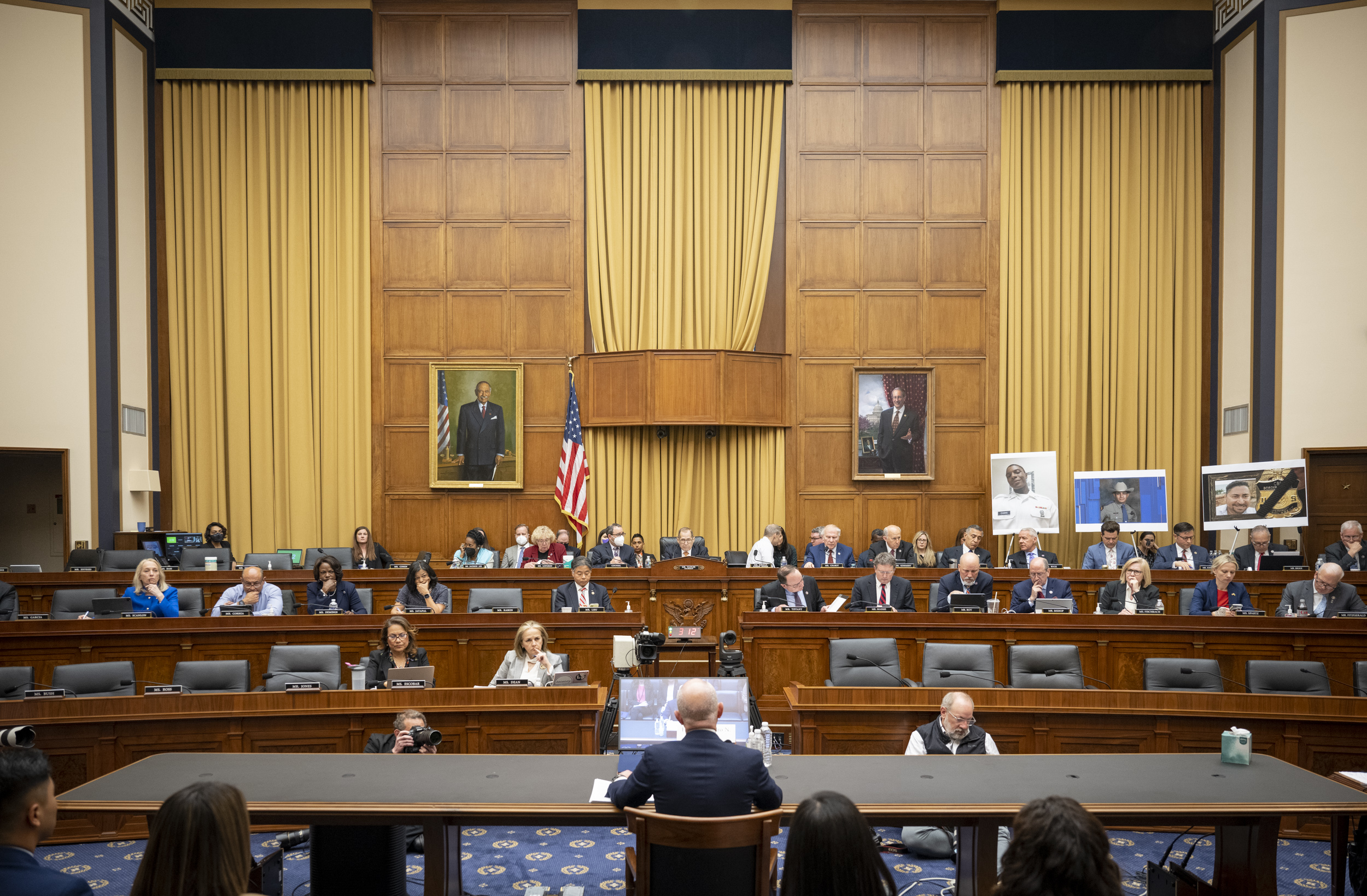
If Democrats win a House majority in 2026, the immediate shift is institutional control:
- Committee chairs can schedule hearings, issue subpoenas, and set investigative priorities.
- Floor control determines whether articles of impeachment can be brought up for a vote.
- Oversight leverage increases because agencies respond differently when Congress credibly signals it will litigate subpoenas and use appropriations pressure.
What does not change automatically is the Senate math. Even a House impeachment without a plausible path to Senate conviction can be framed either as principled accountability or performative escalation, depending on the audience. That tension is why impeachment debates almost always collapse into arguments about legitimacy rather than just facts.
The constitutional tension underneath the clip war
Raskin’s comments landed in a country that still has not agreed on what impeachment is for.
One view treats impeachment as an emergency brake, reserved for clear, broadly recognized abuses. The other treats impeachment as a constitutional tool that must be used whenever a president violates the public trust, even if the Senate will refuse to convict.
The Constitution itself does not pick one philosophy. It splits the difference: the House can act by majority, but the Senate can only remove by supermajority. That structure forces impeachment to be both a legal proceeding and a political test of national consensus.
That is why Raskin’s “undoubtedly” is more than a spicy soundbite. It is a claim about constitutional standards and presidential power. And the backlash is not just about Trump. It is about whether Americans still accept impeachment as a normal mechanism of republican self-defense, or view it as a partisan weapon that should be holstered permanently.
Quick FAQ
Can the House impeach a president more than once?
Yes. The Constitution does not limit the number of impeachments. Each impeachment would require its own investigation and vote on articles.
Does impeachment require a crime?
Not necessarily. The constitutional category of “high Crimes and Misdemeanors” is broader than statutory criminal law and traditionally focuses on abuses of office and breaches of public trust.
Does an impeachment automatically remove a president?
No. Removal requires conviction in the Senate by a two-thirds vote.
Why did Raskin refuse to condemn Hasan Piker?
In the exchange shown publicly, Raskin called the question “an irrelevant distraction” and did not engage the clip reel. Supporters interpret that as refusing to be diverted; critics interpret it as avoiding condemnation.
The bottom line
A third impeachment is not a meme or a prophecy. It is a constitutional possibility that depends on three things: (1) House control, (2) the factual record built through oversight, and (3) whether any of it can meet the Senate’s two-thirds reality.
Raskin used a Sunday interview to signal that, in his view, the constitutional threshold has already been crossed. The viral fight over an online streamer may keep traveling with that clip, but it is the impeachment mechanics, not the internet drama, that will decide whether anything actually happens.