
You can almost watch the internet misfile this story in real time.
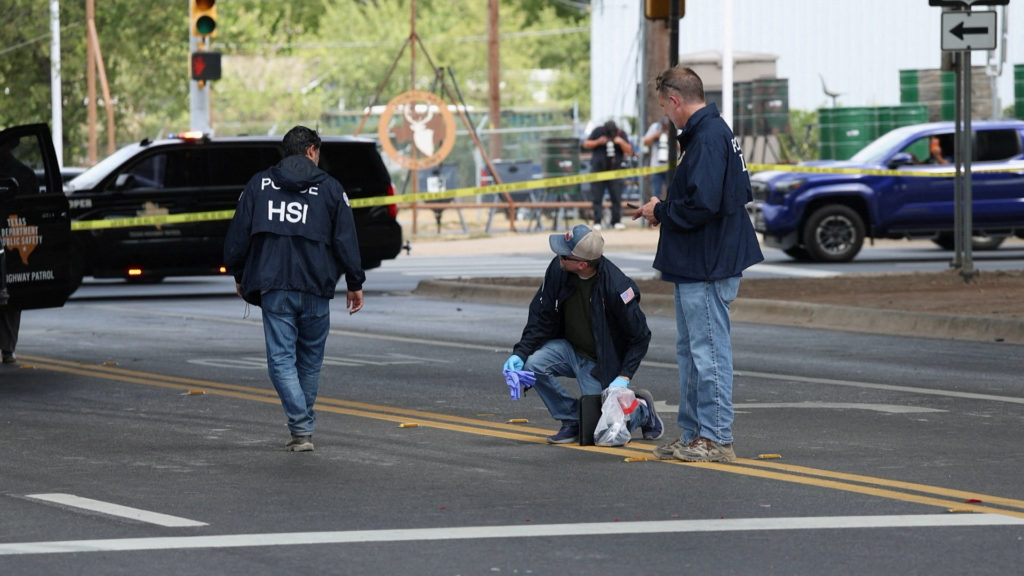
A man is shot during a federal immigration enforcement operation in North Austin. Within hours, the incident is being argued as a referendum on gig-economy hiring, identity fraud, border policy, and whether immigration agents have become a roaming police force with a different rulebook.
DoorDash is the hook. The shooting is the accelerant. The real story is the collision between federal power, street-level force, and a legal status question that social media is trying to answer with vibes instead of evidence.
Join the Discussion
What happened in North Austin
The basic timeline is not complicated, even if the details still are.
- The shooting happened in North Austin near Anderson Square and Research Boulevard.
- It occurred shortly before 1 p.m. local time.
- An ICE officer shot Wilber Rafael Garces Perez, a 28-year-old Venezuelan man, during an enforcement operation.
- Austin police leadership has said city officers were not involved in the shooting.
- Local EMS officials said they believed Garces Perez was shot once in the torso, and he was taken to Dell Seton Medical Center in serious but stable condition.
The point worth underlining is this: an ICE operation turned into a shooting in a public commercial area in broad daylight. That fact alone would have ignited a political argument, even if DoorDash had never been mentioned.
Was he delivering for DoorDash?

This is the piece that made the story portable, meme-able, and instantly tribal.
Garces Perez’s immigration attorney, Kate Lincoln-Goldfinch, has said he was making a DoorDash delivery when the incident happened. DoorDash has also confirmed that he was making a delivery at the time, while emphasizing that Dashers are independent contractors, not employees.
That confirmation matters because it narrows one viral dispute. It does not answer the more legally important questions: under what identity was he working, what documents were used, and whether he was authorized to work in the United States at that time.
The disputed question: immigration status and work authorization
Two claims have been competing for oxygen online.
One version paints Garces Perez as a lawful entrant with a complicated case. Lincoln-Goldfinch has said that, based on the information available, he “entered the United States lawfully.” She has also said he is married to a woman who has legal status in the United States.
The other version, reflected in federal statements summarized by multiple officials in public comments, is that he was under a final order of removal. That is a specific legal posture, meaning immigration authorities believe the deportation process has run its course and a removal order is executable.
Notice what is missing from most viral posts: the paperwork. Immigration cases turn on documents, dates, and filings. The public usually learns the truth slowly, through court records, agency statements, and sometimes FOIA releases, not through a screenshot thread.
Also missing: the separate question of employment authorization. Even people who entered lawfully can lack permission to work. And people without work authorization can still be routed into gig platforms if someone else’s identity is used. Social media is currently treating these as one question. They are not.
Why the “stolen Social Security number” claim is hard to resolve from the outside
Online commentators have latched onto a simple challenge: how could someone deliver for a gig platform without a Social Security number, and does that imply a stolen identity?
There are at least three reasons that is not something the public can responsibly “solve” from a distance.
- Platforms verify identity, but the public does not see the verification file. Even when companies confirm someone was delivering, they do not publicly disclose the documents used to onboard that person.
- Immigration status and tax identity are not the same thing. People can have lawful presence without work authorization, and different tax identifiers exist. None of that proves fraud. None of it rules it out either.
- Fraud is a factual allegation, not a vibe. It requires documentation and typically an investigation. Posting “unless…” is not evidence.
If fraud is part of this story, it will show up the boring way: in charging documents, sworn affidavits, or agency findings. Until then, the “stolen SSN” claim is a political Rorschach test disguised as a question.
The constitutional issue hiding behind the DoorDash angle

DoorDash makes this feel like a workplace story. It is not. It is a government force story.
When a federal officer shoots someone during an enforcement action, the constitutional backdrop is familiar even if the agency is not. The key questions are variations of the same ones that arise in any law enforcement shooting:
- Authority. What legal basis supported the stop or attempted detention? Was it an arrest warrant, an administrative immigration warrant, or something else?
- Reasonableness. Under the Fourth Amendment, was the use of force objectively reasonable under the circumstances as the officer perceived them?
- Process and accountability. What investigation follows, and who has jurisdiction? Local police, federal investigators, internal agency review, prosecutors, or all of the above?
Immigration enforcement adds its own twist because ICE often operates with administrative tools that do not look like the criminal warrants people recognize from TV. That difference matters for public trust. It can also matter legally, depending on what exactly happened, what documents existed, and what was communicated.
But no matter where you land politically, the Constitution does not create an “immigration exception” to basic limits on unreasonable seizures. The fight is over facts and standards, not over whether the Fourth Amendment clocks out when ICE clocks in.
Why protests and backlash were predictable
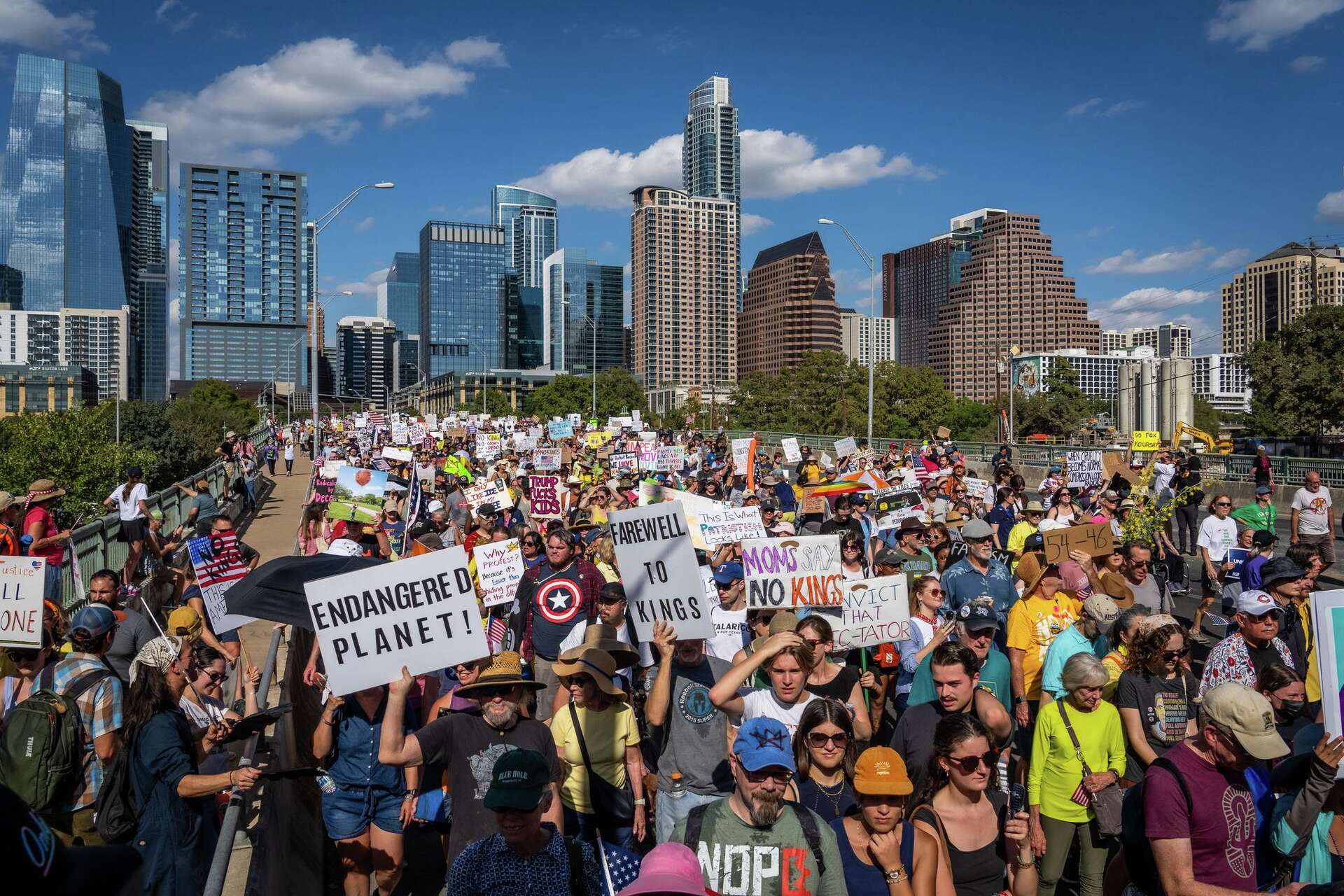
This incident lands directly on a national fault line: whether the federal government is enforcing immigration laws too aggressively, not aggressively enough, or in ways that are legally sloppy but politically useful.
To critics of ICE, the shooting reads as proof that immigration enforcement has become militarized and dangerous in everyday public spaces. To supporters of mass deportation policies, it reads as proof that enforcement is finally real, and that unauthorized work in the gig economy is an open door to abuse.
Both sides are using the same case to tell opposite stories about legitimacy.
That is what makes it durable. This is not just one confrontation in a parking lot. It is a proxy battle over what kind of enforcement regime Americans are willing to live with.
What to watch next (if you want the truth, not the heat)
Most viral controversies collapse when the underlying record becomes public. If you want to understand what actually happened in North Austin, the next developments that matter are specific and document-driven.
- Investigative findings about the shooting. Whether the officer’s use of force is deemed justified, and what evidence supports that conclusion.
- Clarity on the enforcement basis. Whether ICE was acting on a final order of removal, an administrative warrant, a criminal warrant, or a combination.
- Custody status and any charging decisions. Lincoln-Goldfinch has said Garces Perez was released from the hospital and sent to what she believed was ICE custody. If there are criminal charges, they will be public.
- Any verified record on work authorization and identity. If there was identity theft, you will eventually see formal allegations, not insinuations.
The temptation in stories like this is to pick a moral first and then go shopping for facts. The Constitution works better in the opposite order.
A narrow ending to a wide story
It is possible, in the end, that DoorDash is only a detail: a man was delivering food when a federal operation found him.
But details can be destiny in constitutional conflicts. A delivery app becomes a symbol of who belongs in the labor market. An administrative removal process becomes a question about street-level power. A single gunshot becomes a test of whether accountability is real or just rhetorical.
And that is why this story will not stay confined to Austin, even if the truth of it does.
Quick FAQ
Who was shot in the Austin ICE incident?
Wilber Rafael Garces Perez, a 28-year-old Venezuelan man, identified by his attorney.
Was he actually working for DoorDash at the time?
His attorney said he was making a DoorDash delivery, and DoorDash has confirmed he was making a delivery at the time.
Were Austin police involved?
Austin’s police chief said city officers were not involved in the shooting.
Is his immigration status confirmed?
Key details remain disputed in public. His attorney has said he entered the United States lawfully based on available information. Federal officials have said he was subject to a final order of removal. The official record will matter.