A federal judge on Friday ordered the Justice Department to stop threatening state and local election officials with criminal prosecution over their handling of disputes about voter qualifications.
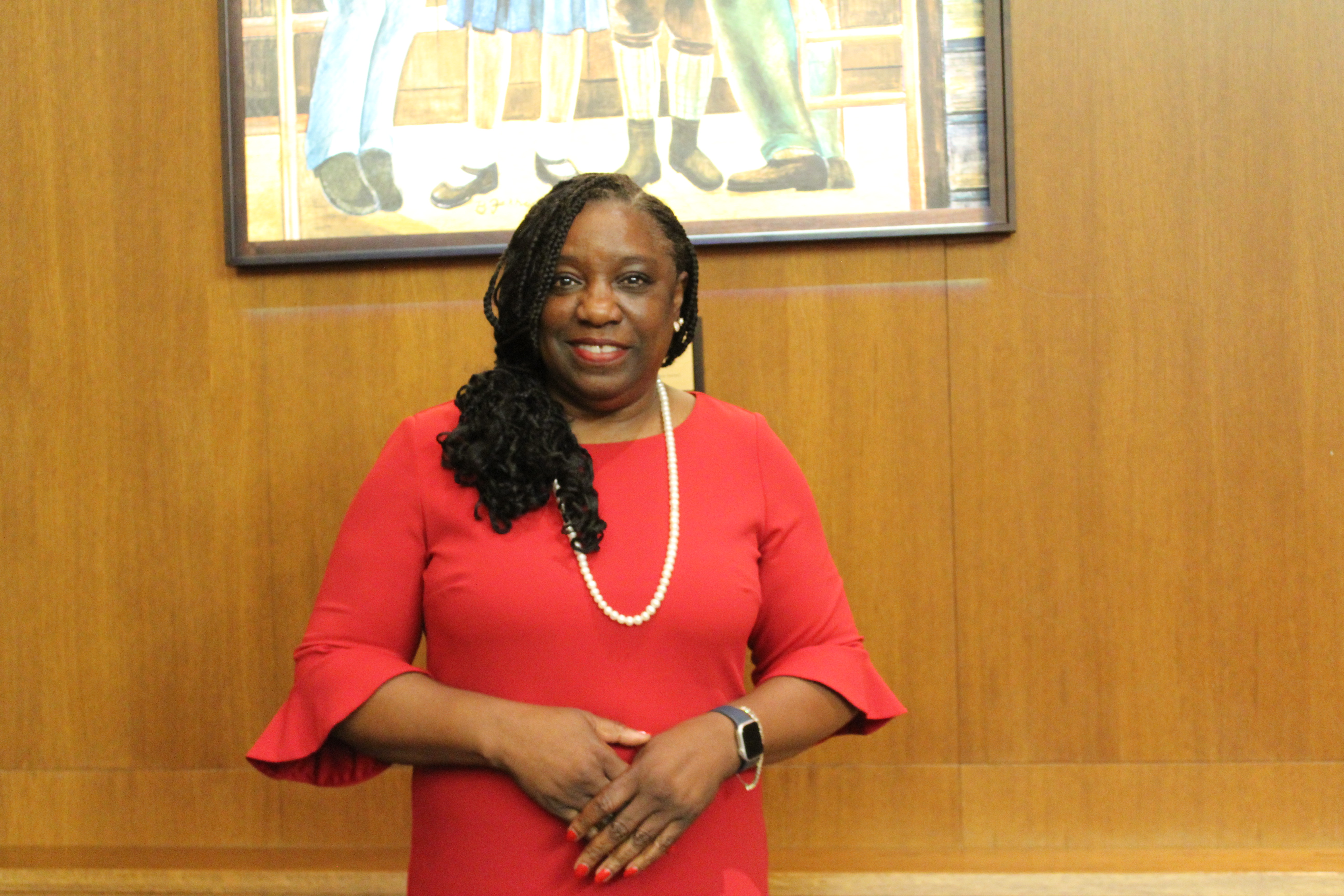
U.S. District Judge Trina Thompson issued a temporary restraining order that also requires the department to contact election officials who already received such communications and tell them that the court has put the federal “demands and threats of prosecution” on hold.
Join the Discussion
What DOJ must stop
Judge Thompson’s order targets actions that would apply direct federal pressure to the people who administer elections at the state and local level.
Under the order, the Trump administration must stop demanding that election workers take steps that would change how ballots and voter rolls are handled during the midterms. The court barred demands that election workers:
- Remove voters from statewide rolls based on the administration’s claims that certain voters are ineligible.
- Refuse to issue ballots to specific voters.
- Segregate ballots cast in the midterms based on those eligibility claims.
Why the judge acted now
Temporary restraining orders are meant for situations where a court believes waiting could cause immediate harm. Thompson pointed to the public’s interest in election officials being able to do their jobs under established procedures, with the official day of the elections just days away.
“Because the public has a paramount interest in ensuring that election officials and workers are able to carry out their work in accordance with federal law and election procedure, and the official day of the Elections is only a couple of days away, the balance of the equities and public interest weigh in Plaintiffs' favor,” Thompson wrote.
The letters and the lawsuit
The ruling follows letters the Justice Department sent on Thursday to election workers in all 50 states. Those letters alluded to possible prosecution if election records were not preserved.
Thompson issued the temporary restraining order in connection with a lawsuit brought by the Service Employees International Union and other groups. DOJ did not immediately respond to a request for comment on the judge’s ruling.
The order also requires an affirmative step: DOJ must reach out to state or local officials who received warnings and inform them that “demands and threats of prosecution to election officials and workers … have been enjoined.”
Related California case
Thompson’s order follows a warning issued earlier in the week by another California-based federal judge, U.S. District Judge David Carter.
Carter rejected a Justice Department effort to compel California to set aside any ballots cast by up to 20,000 people federal officials had identified as likely noncitizens. “These threats must stop,” Carter wrote.
On Friday, the 9th Circuit Court of Appeals declined to set aside Carter’s order, leaving it in place.
Boasberg and the 20,000-person list
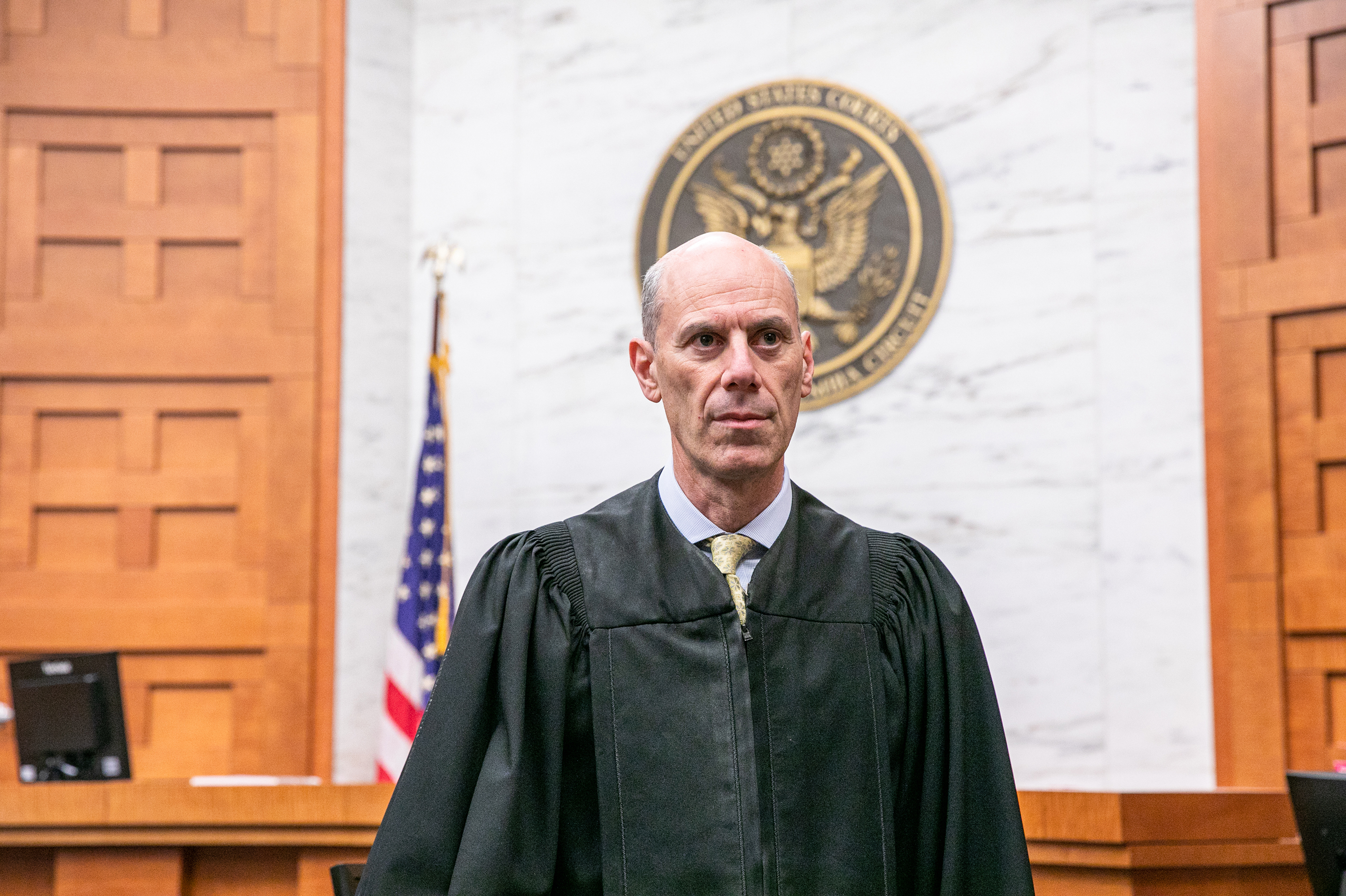
A separate dispute has also moved forward in Washington. U.S. District Judge James Boasberg, the chief judge of the federal district court in Washington, D.C., ordered the Trump administration to provide the list of those 20,000 purported noncitizens to an immigrant advocacy group.
Boasberg’s order was rooted, in part, in the group’s claim that the Trump administration’s threats were influencing the conduct of state and local elected officials.
What happens next
A temporary restraining order is an emergency measure, not a final decision on the merits. It blocks the challenged conduct while the lawsuit proceeds.
For election officials, the immediate impact is that the court has directed DOJ to stop issuing prosecution threats tied to voter-qualification disputes, to stop demanding changes to how voter rolls and ballots are handled, and to notify recipients that those “demands and threats of prosecution” have been enjoined.