A new legal fight in California centers on a familiar question with high stakes: what happens when federal investigators flag possible noncitizens on voter rolls, and what election officials can realistically do once ballots are already moving.
The number in the current dispute is more than 20,000. A Justice Department lawsuit seeks to force California to verify the citizenship of people federal investigators identified as likely noncitizens after U.S. Citizenship and Immigration Services (USCIS) cross-checked voter registration records with federal immigration data. Justice Department lawyers described the process as “preliminary.”
The clash has spilled into public view. Bill Essayli, the first assistant U.S. attorney for California’s Central District, highlighted a Los Angeles County election official’s court declaration and called it a “massive concession.” “American citizens’ votes are being diluted in California,” Essayli wrote.
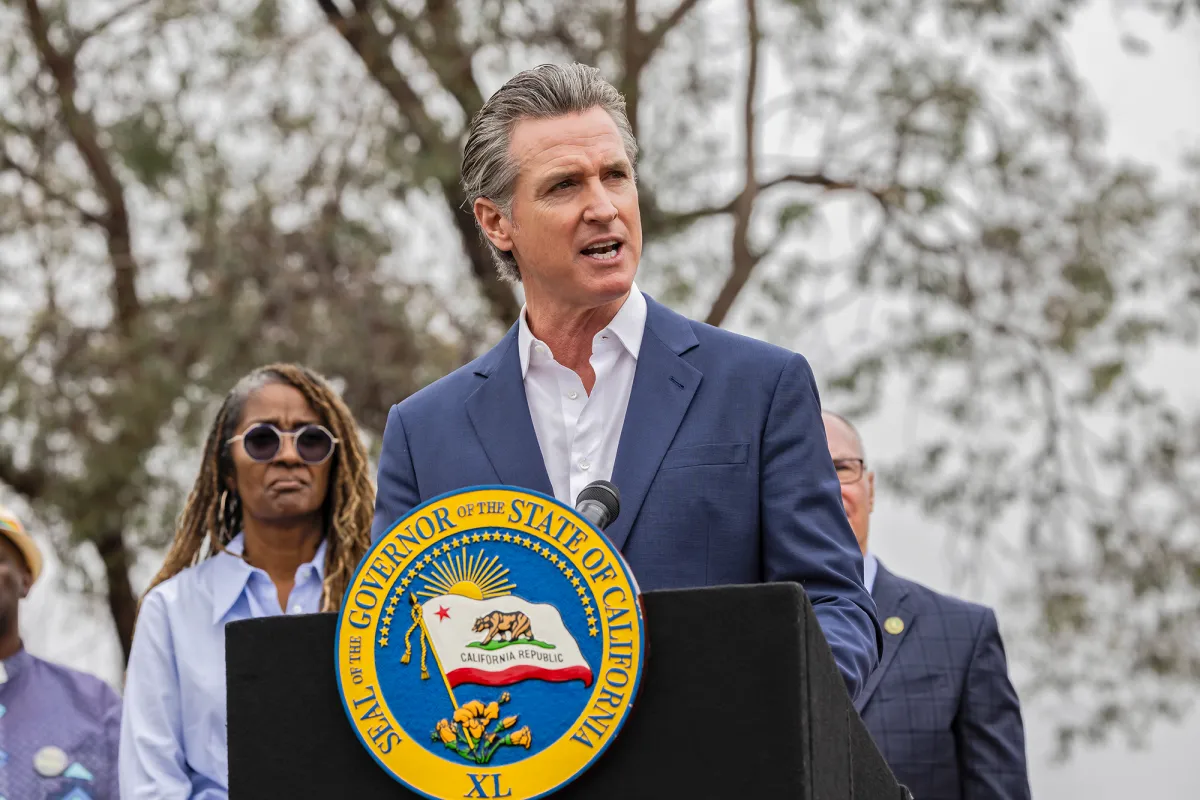
Newsom’s press office, responding on X, argued the state follows a 1993 federal law that requires people registering through the DMV to swear under penalty of perjury that they are eligible, including that they are U.S. citizens, and added: “May want to brush up on your election law before tweeting. Perhaps Second Assistant is more apt from now on?” Essayli replied by citing federal statutes that make it unlawful for noncitizens to vote in federal elections.
In the filings, the fight turns on two practical questions: what county registrars can verify using their own records, and what can still be separated once mail ballots have been processed.
Join the Discussion
What sparked the dispute
Essayli surfaced a court document filed Tuesday in which a Los Angeles County election official described the limits of what the county registrar can do on citizenship questions using its own records.
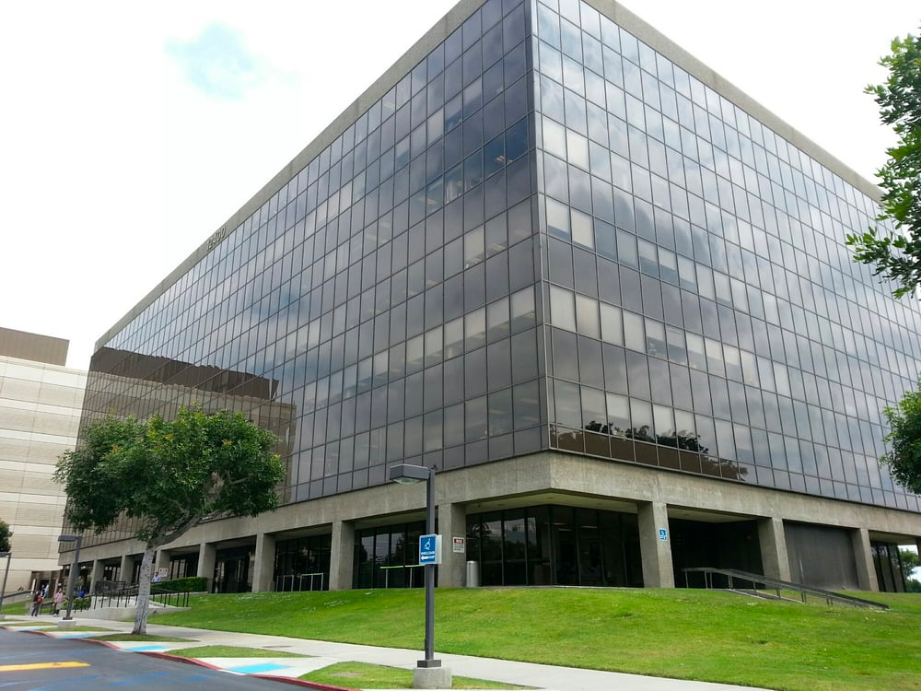
Monica Flores, an official with the Los Angeles County Registrar’s Office, said in her declaration that the registrar’s office “is not equipped or authorized to verify voter citizenship because it does not independently house citizenship-related information beyond the voter attestation.” She also wrote that the registrar’s office “is not an investigative agency,” adding she was unaware of “any state or federal law granting it investigative authority.”
That statement sits at the center of the lawsuit’s practical fight: what election administrators can do with a federal list, and what they say they cannot.
What the federal list is
In the Justice Department’s complaint, USCIS cross-checked California voter registration records against federal immigration data. The result was a list of more than 20,000 registered voters identified by federal investigators as likely noncitizens. The Justice Department’s lawyers described the investigative process as “preliminary.”
California voters were mailed ballots beginning Oct. 1. In its initial complaint filed Oct. 15, the Justice Department asked a federal court to require California to set aside mail ballots associated with people on that list until their citizenship could be verified.
What counties can verify
One major point of contention is what local election offices can do on their own. In the public back-and-forth, Newsom’s press office pointed to the 1993 federal law requiring people registering to vote through the DMV to swear under penalty of perjury that they are eligible, including that they are U.S. citizens. Similar attestation requirements apply to federal mail-in registration forms.
Flores’ declaration describes the administrative limit from the county’s perspective. The registrar’s office, she wrote, does not independently house citizenship-related information beyond what the voter attests on the registration form.
Why ballot timing matters
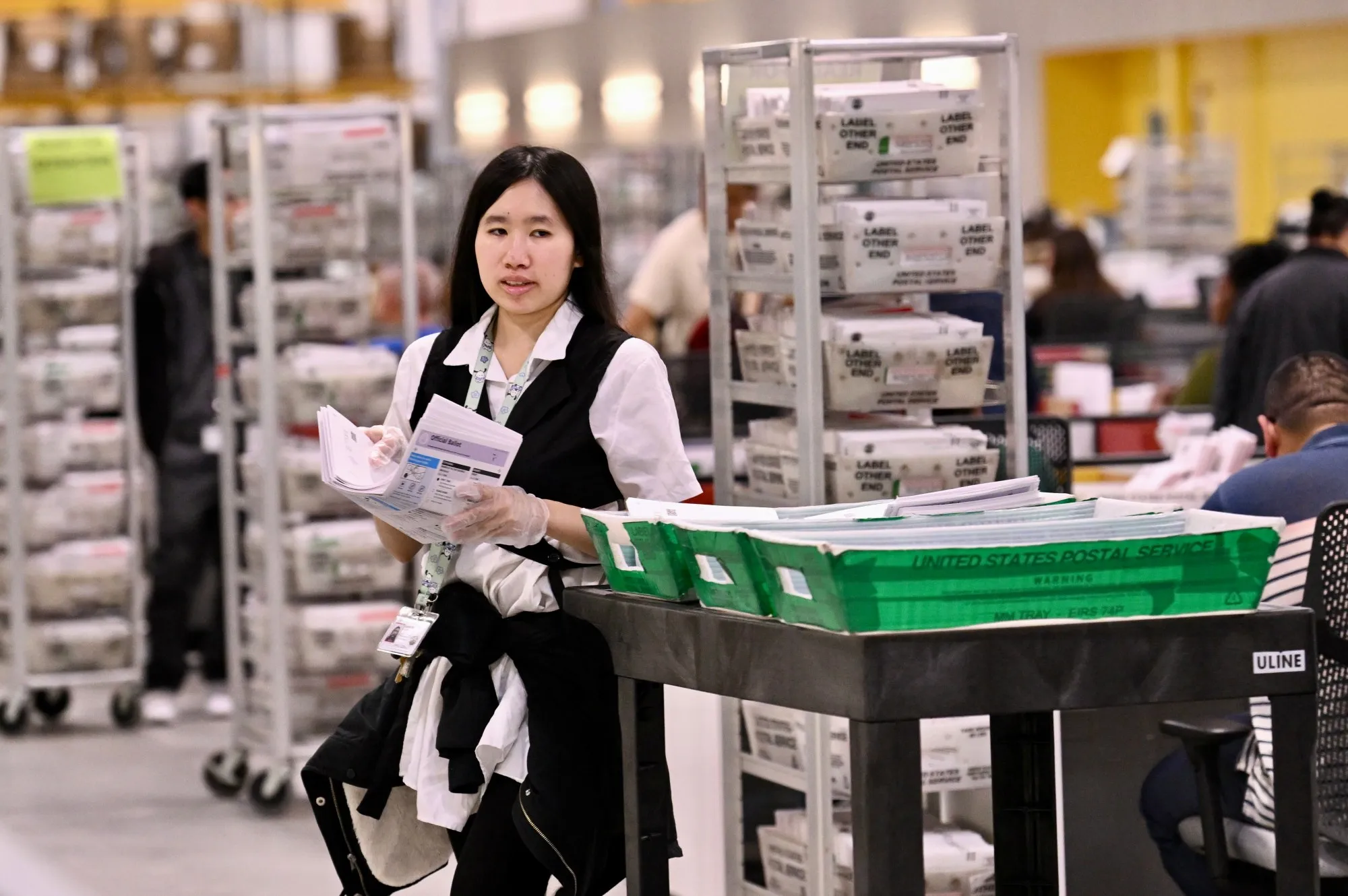
The Justice Department asked the court to require mail ballots associated with names on the list to be set aside until citizenship could be verified. Flores argued that, as a practical matter, that is “virtually impossible” once a ballot’s signature is verified because the ballot is removed from its identifying envelope and processed alongside hundreds of thousands of others.
As of Tuesday, Los Angeles County had processed 331,000 ballots, according to Flores’ statement in court.
What a 200-record sample showed
Even while emphasizing the office is not an investigative agency, Flores said staff reviewed a sample of 200 records from the Justice Department list that had Los Angeles County addresses.
Her court filing described why she viewed the October list as operationally unreliable in that sample:
- “The October list is unreliable: 112 of the 200 records correspond to registrations that are “canceled or inactive.”
- “Of the voters where birthplace was meaningfully reported, 38.9% indicate that they were born in the United States, which is strong evidence of citizenship.”
- “71.2% of the records have no voting history.”
Essayli disputed the significance of those figures, saying they “are meaningless because, by their own admission, they have no way to verify anyone’s citizenship status or their birthplace.”
What the criminal case shows
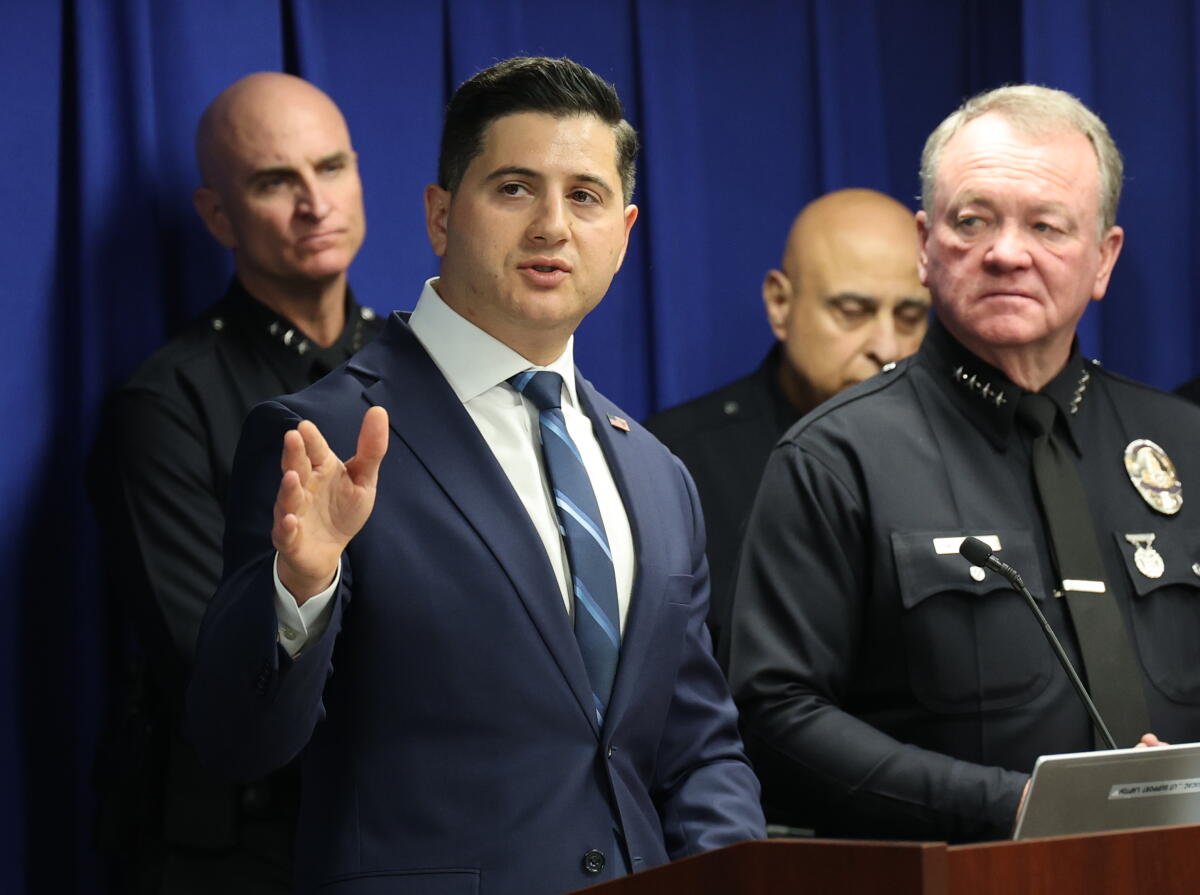
The lawsuit dispute exists alongside a separate track: criminal allegations tied to the same broader concern. On Monday, the Justice Department charged 28 individuals off that list, all lawful permanent residents, with making false statements on naturalization applications and fraudulently registering to vote.
Most of them cast unlawful ballots in elections, officials said, and the Justice Department has alleged some voted illegally multiple times.
What the filings raise
The filings frame a dispute about what should follow from a “preliminary” cross-check and what state and local election administrators can do with a federal list once ballots have been mailed and processed.
On one side is a federal push for additional verification when federal immigration data flags potential issues. On the other is a county election office saying it does not have independent citizenship information beyond voter attestation and lacks investigative authority, while also warning that setting aside specific ballots becomes unworkable once envelopes and ballots are separated.