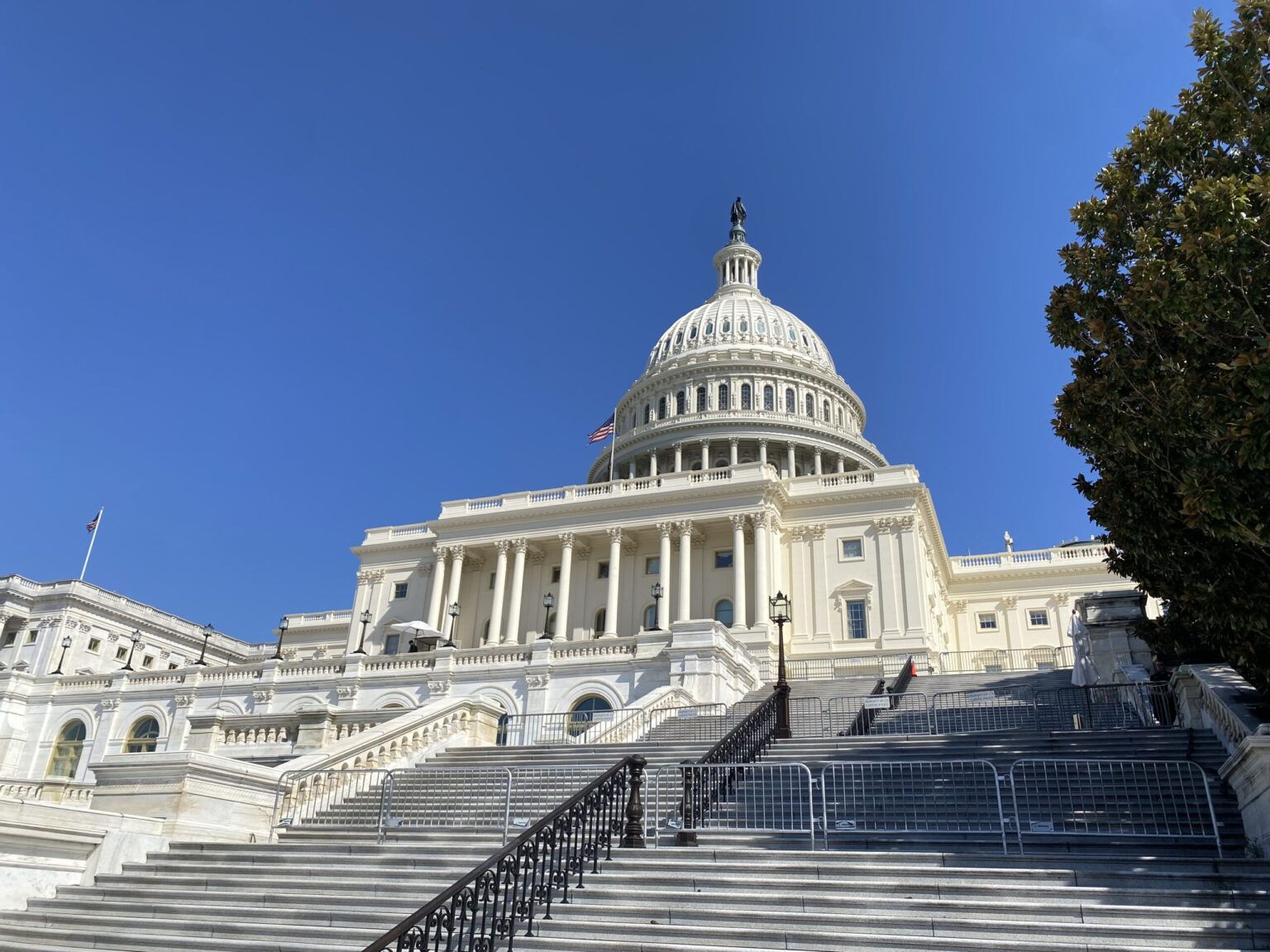
Trent England is warning that Democrats could change the Electoral College to elect presidential candidates by the national popular vote if they win majorities in four state legislatures.
One idea already in the public debate is the National Popular Vote Interstate Compact, which would award participating states’ electoral votes to the national popular vote winner when it takes effect.
Join the Discussion
The claim
England, founder and executive director of Save Our States, said Democrats could change the Electoral College to elect presidential candidates by the national popular vote if they win the majority in four state legislatures.
He argues that this kind of change would “take power away from the states in electing the president.”
How electors are picked
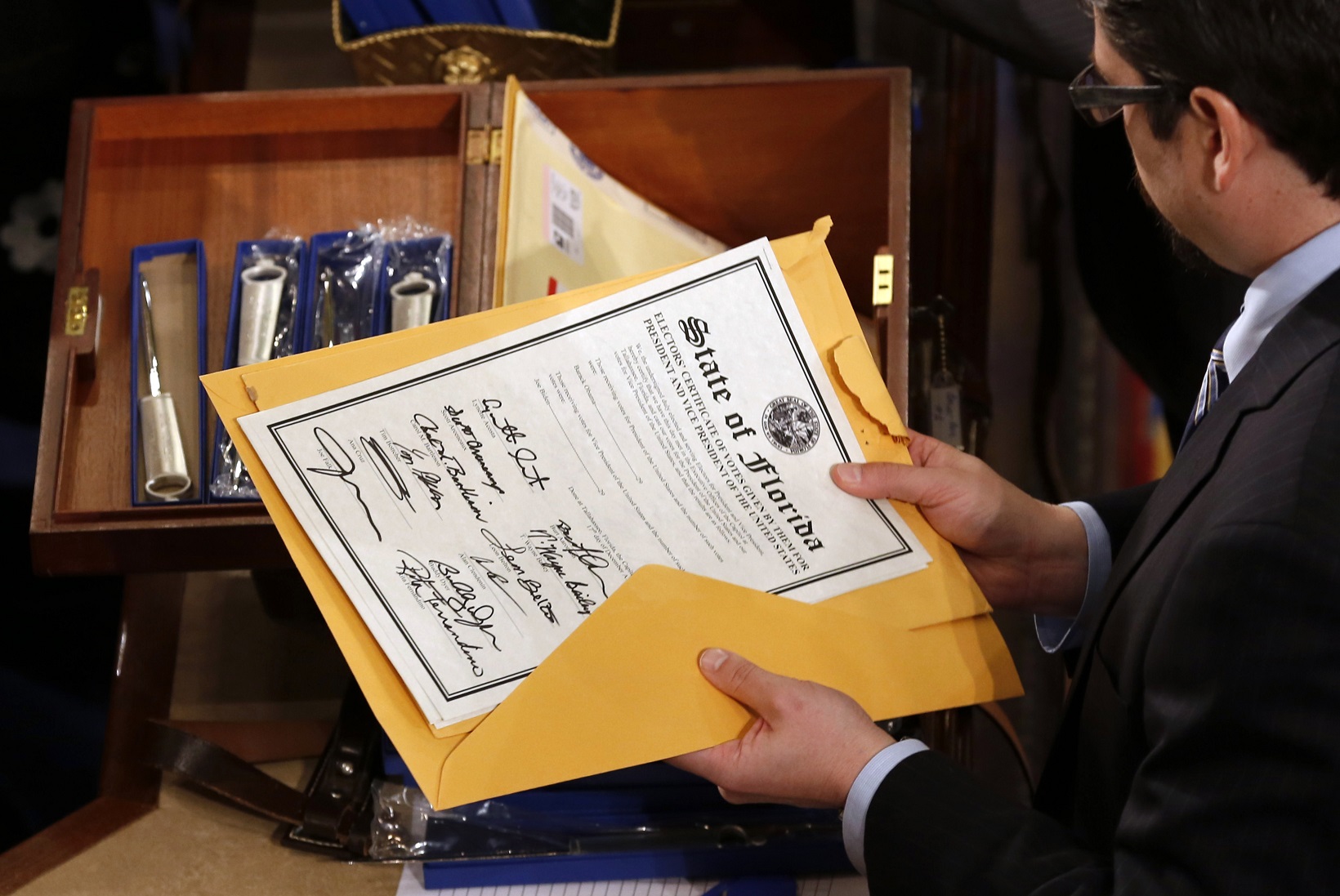
Each state’s political parties nominate people to be presidential electors for that state prior to Election Day.
In 48 states, presidential electors for the Electoral College are chosen by a “winner-take-all” system, meaning the political candidate with the most votes statewide receives all the state’s electors.
The compact
The National Popular Vote Interstate Compact, often shortened to NPVIC, would assign participating states’ electoral votes to whichever presidential candidate wins the national popular vote when it takes effect.
18 states and Washington, D.C., have joined the compact.
Legal questions
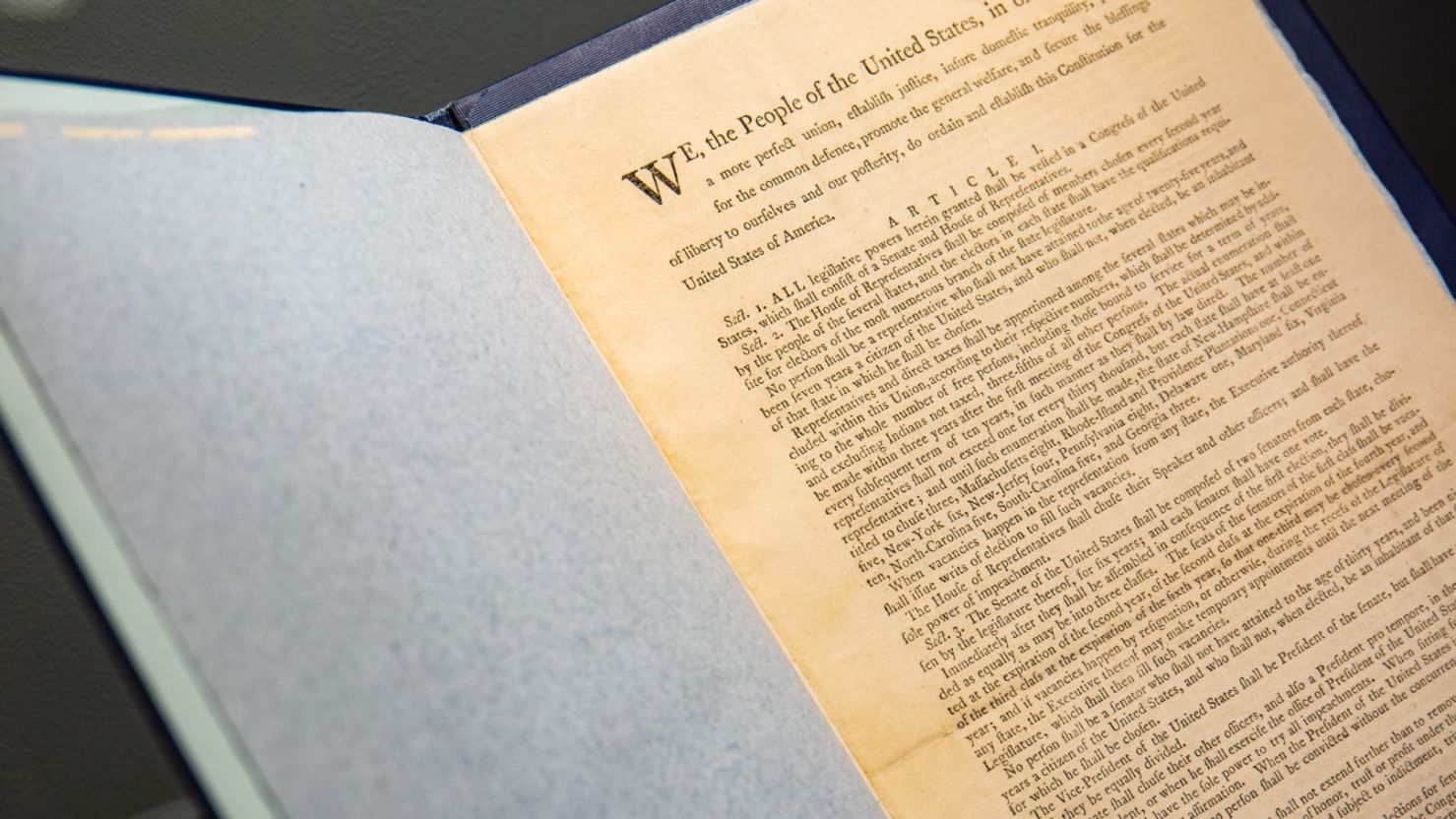
In comments on the issue, some people have raised questions about whether this kind of interstate agreement is constitutional, pointing to the Compact Clause.
One commenter quoted Article I, Section 10, Clause 3: “No State shall, without the Consent of Congress, lay any Duty of Tonnage, keep Troops, or Ships of War in time of Peace, enter into any Agreement or Compact with another State, or with a foreign Power, or engage in War, unless actually invaded, or in such imminent Danger as will not admit of delay.”
What would change
If the NPVIC takes effect, participating states would direct their electoral votes based on the national popular vote winner, rather than their own statewide result.
Bottom line
Based on what is being discussed:
- England says winning majorities in four state legislatures could be enough to advance a shift toward electing presidential candidates by the national popular vote.
- The NPVIC would award participating states’ electoral votes to the national popular vote winner when it takes effect, and 18 states and Washington, D.C., have joined it.
- Some commenters argue the compact raises constitutional questions, citing the Compact Clause.