
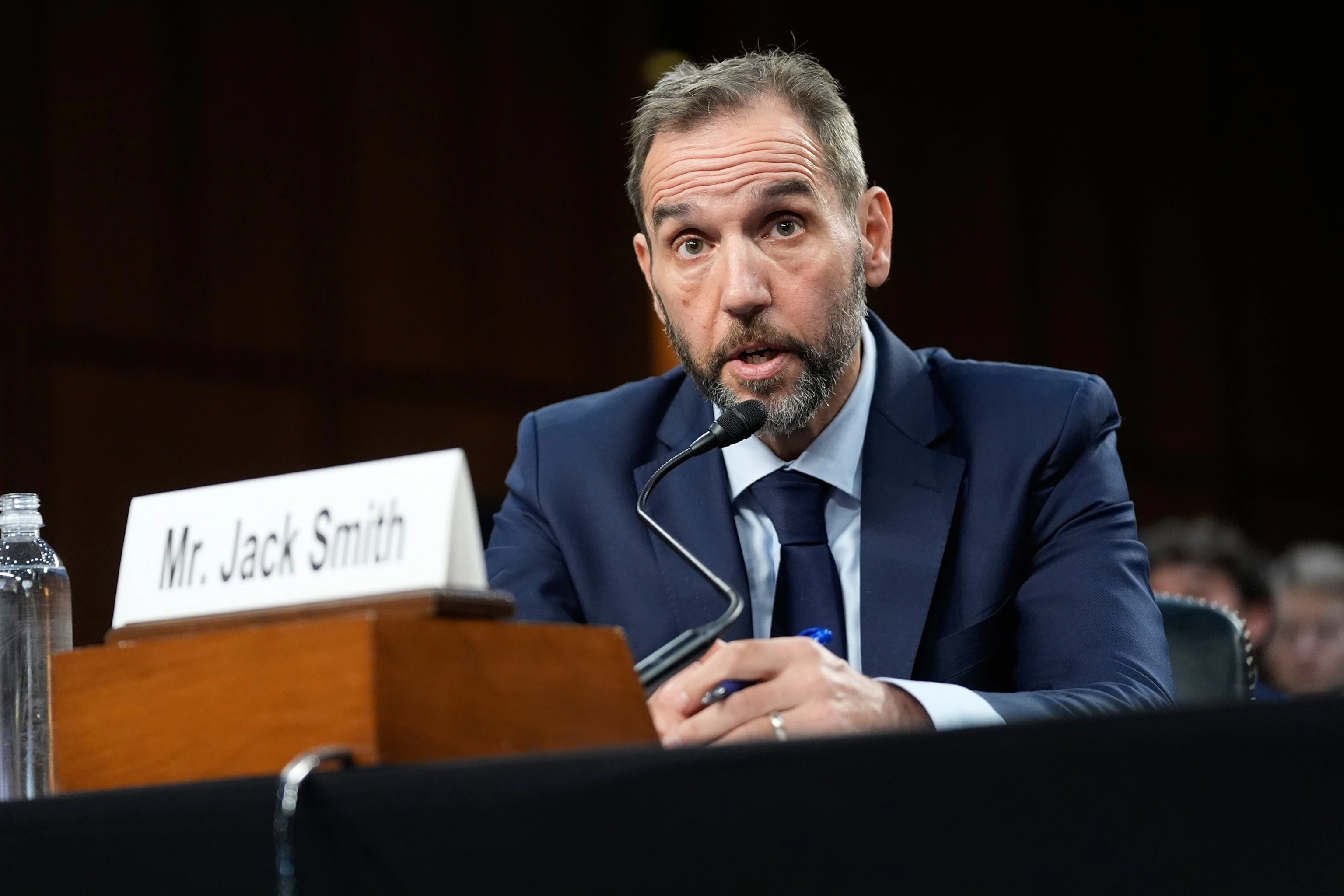
A four-hour Senate Judiciary Committee hearing put former special counsel Jack Smith back in the hot seat over two federal investigations into Donald J. Trump: one tied to efforts to undo the 2020 election and one tied to classified documents kept at Mar-a-Lago.
Republicans repeatedly argued the prosecutions were political. Smith said his decisions were driven by the law and the facts, and he told senators he brought charges because Trump “engaged in criminal activity.”
Join the Discussion
The clip that spread online
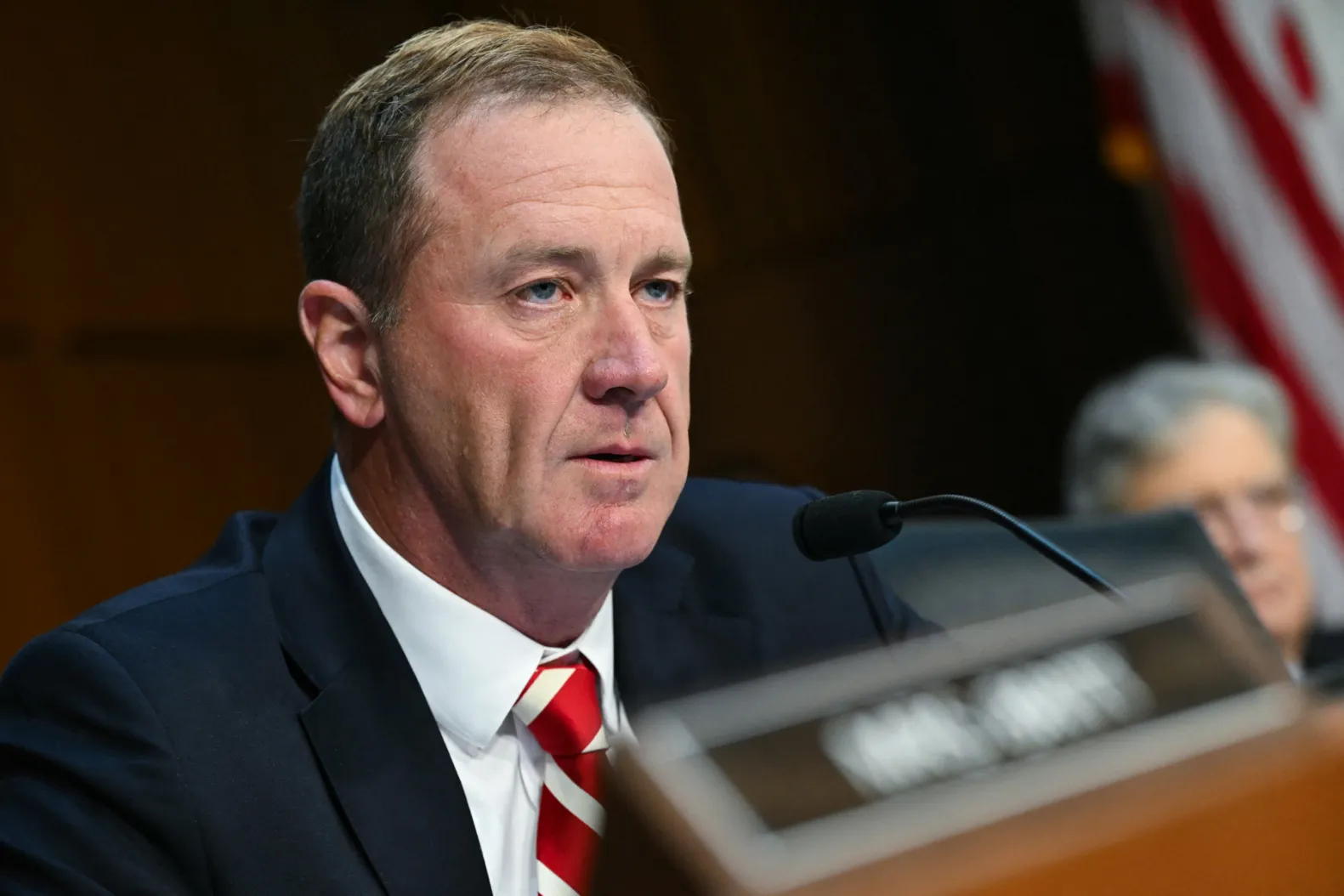
A four-minute exchange involving Sen. Eric Schmitt of Missouri quickly overshadowed other moments from the hearing on social media.
Schmitt accused Smith of lying under oath about attending an Atlanta Hawks home game in February 2024, suggesting the trip was part of a plot to coordinate with Atlanta prosecutors in Georgia. Smith appeared deeply confused and flatly denied it. “I definitely did not go to a Hawks game,” he said. “I’m sure of that.”
Schmitt and Sen. John Kennedy of Louisiana also held up a poster board that Schmitt said showed text messages among members of Smith’s team from Feb. 3, 2024, discussing seats at a basketball game. “I don’t think you know we have this stuff, so I’ll give you a second to process it so you don’t perjure yourself,” Schmitt said.
Schmitt then declared, “I think you’ve already perjured yourself,” and called Smith a “dirtbag.”
Given time to respond by Sen. Amy Klobuchar of Minnesota, Smith said he did attend a basketball game that day, but it was the Iowa Hawkeyes at the University of Maryland. He noted that Caitlin Clark scored 38 points and had 12 assists. Klobuchar suggested it was a “Hawks” versus “Hawkeyes” mix-up. Schmitt said he still stood by calling Smith a “dirtbag,” then left the hearing.
Phone record subpoenas
Much of the hearing returned to a core dispute from Smith’s investigations: subpoenas for lawmakers’ phone records as he and his team sought to trace Trump’s pressure campaign on Congress to block Joseph R. Biden Jr.’s Electoral College certification.
Republican senators argued the effort clashed with the Constitution’s Speech or Debate Clause. Everyone agrees members of Congress cannot be prosecuted or forced to testify about their legislative acts. But appeals courts have disagreed about whether the clause also creates a confidentiality shield, and no court has interpreted it as barring subpoenas to phone companies for call logs.
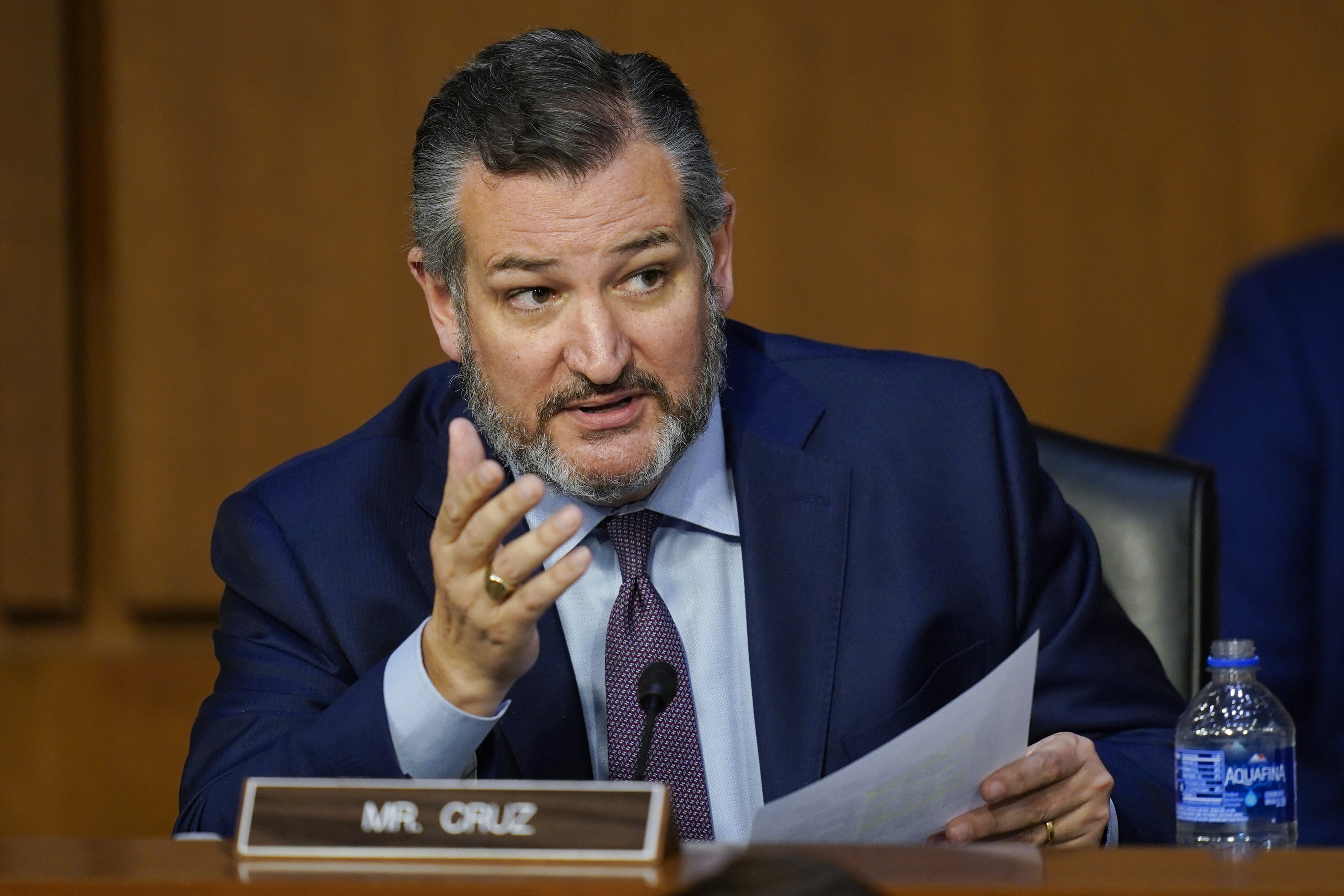
Republicans also objected to court orders that kept phone companies from notifying lawmakers at the time. Sen. Ted Cruz of Texas framed the issue in political terms, angrily asking, “Is it a crime to be a Republican?” Smith answered: “Absolutely not.”
Smith said the investigative steps were aimed at Trump’s conduct, not at criminalizing lawmakers, and that the Justice Department’s public integrity section signed off on the subpoenas.
Darline Graham presses Smith
Senator Darline Graham, the sister of the late Sen. Lindsey Graham, who died in July, confronted Smith about a subpoena for her brother’s phone records and challenged the rationale used to justify nondisclosure orders to phone companies.
“Do you really believe that Lindsey was going to destroy evidence that was not even in his possession?” she asked.
Smith drew a line between subject and bystander. “No, I believe your brother was a patriotic public servant. He was not a target of our investigation, and in fact he likely would have been a witness in our case” against Trump, he replied.
Smith told Cruz and Graham that the concern behind secrecy was not that lawmakers would tamper with evidence or intimidate witnesses, but that if the subpoenas became public, Trump or his associates could destroy evidence or intimidate witnesses.
How the cases began and ended
Smith testified against the backdrop of two investigations the Justice Department opened in early 2022. One focused on a campaign plan to create false slates of electors as a pretext to block Biden’s certification. The other examined Trump’s hoarding of classified documents while out of office and his obstruction of efforts to retrieve them.
In November 2022, after Trump announced he would run for president again, Smith was appointed as special counsel to oversee the already-pending inquiries. In 2023, Smith brought two indictments against Trump.
Trump ultimately prevailed over the two federal cases by winning re-election in 2024, leading to Smith’s resignation.
At the hearing, Smith said that if asked whether to prosecute a former president today, based on the same facts, “I would do so regardless of whether that president was a Republican or a Democrat.” He also told senators, “I will not be silenced by continued threats of prosecution from the president or others.”
The money angle
Smith’s team also examined whether Trump had defrauded supporters by raising vast sums after the election while promising to expose fraud that did not happen. Investigators subpoenaed financial records of Republican-aligned groups as they traced what happened to the money.
That effort did not result in charges.
Democrats cite the record
Democrats on the panel responded by directing attention to the evidence that led to the indictments over efforts to undo the results of the 2020 election and over Trump’s handling of classified documents at Mar-a-Lago.
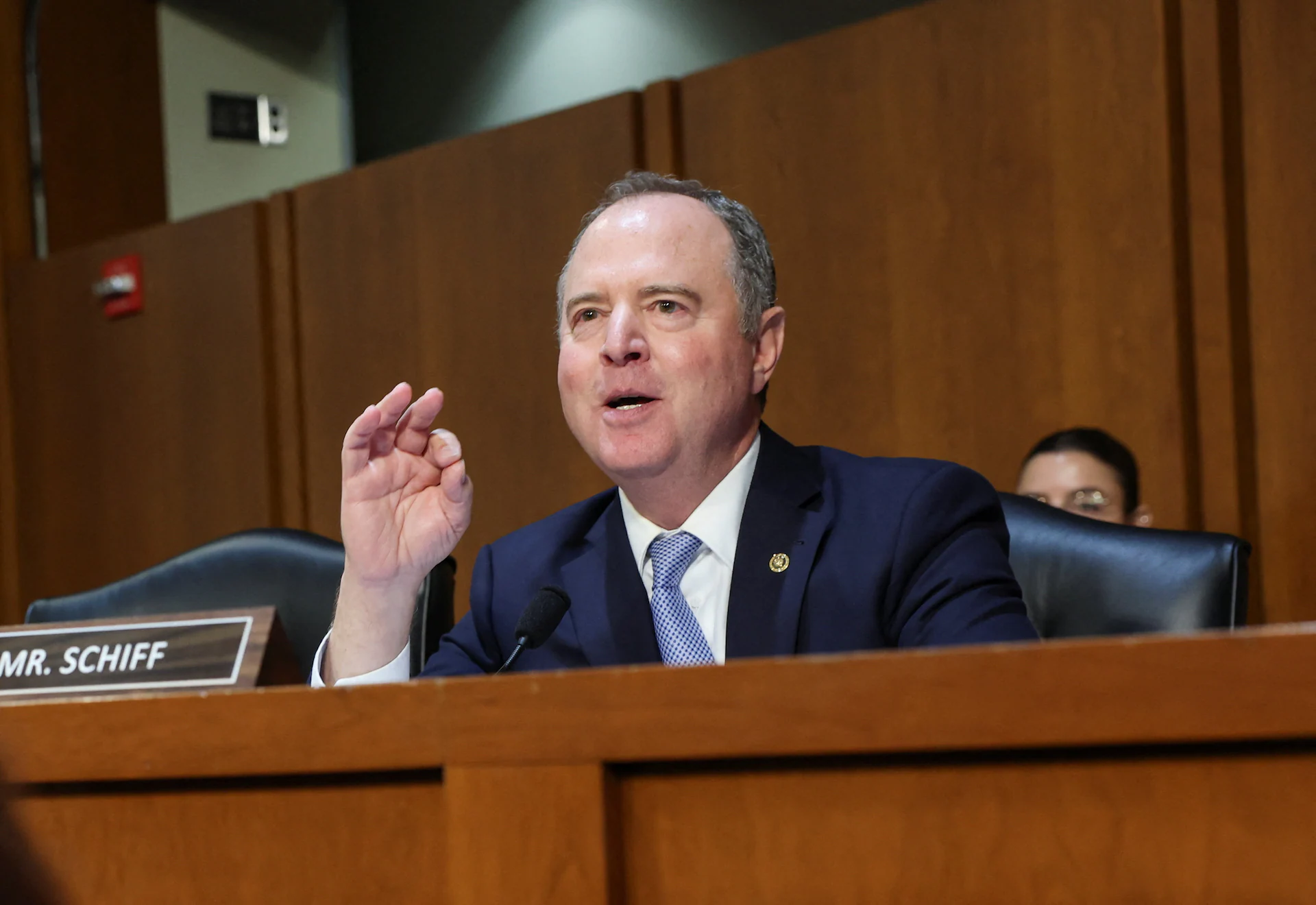
Sen. Adam Schiff of California said the anger directed at Smith and the F.B.I. was a smoke screen for facts Republicans would rather not face, including that the former president had engaged in wrongdoing and that witnesses in both cases were largely Republicans.
Sen. Cory Booker of New Jersey called the hearing “a farce.” Republicans attacking Smith, he added, “choose Trump over truth, corruption and crimes over the Constitution, and I’ve had enough of it.”
Smith on staying quiet
Smith maintained a measured, even meek, tone as senators alternated between praising him and treating him as a villain. But he offered one regret about how he handled the public side of the job.
He said he came from a generation of prosecutors who spoke almost exclusively in courtrooms, not in public, even to defend the integrity of the work or the prosecution team. In these cases, he said, that tradition proved costly.
“I do agree that prosecutors in the future need to learn to be able to communicate to the outside world,” Smith said.
What the hearing showed
- A credibility fight: Republicans accused Smith of lying, while Smith defended the investigations as carefully following the law, Justice Department rules, and best practices for prosecutors.
- An unresolved legal question: The clash over lawmakers’ call records remains tied to contested court interpretations of Speech or Debate protections and third-party records.
- Pressure after the cases: Attorney General Todd Blanche has suggested the department would investigate Smith to determine if he had lied to Congress.