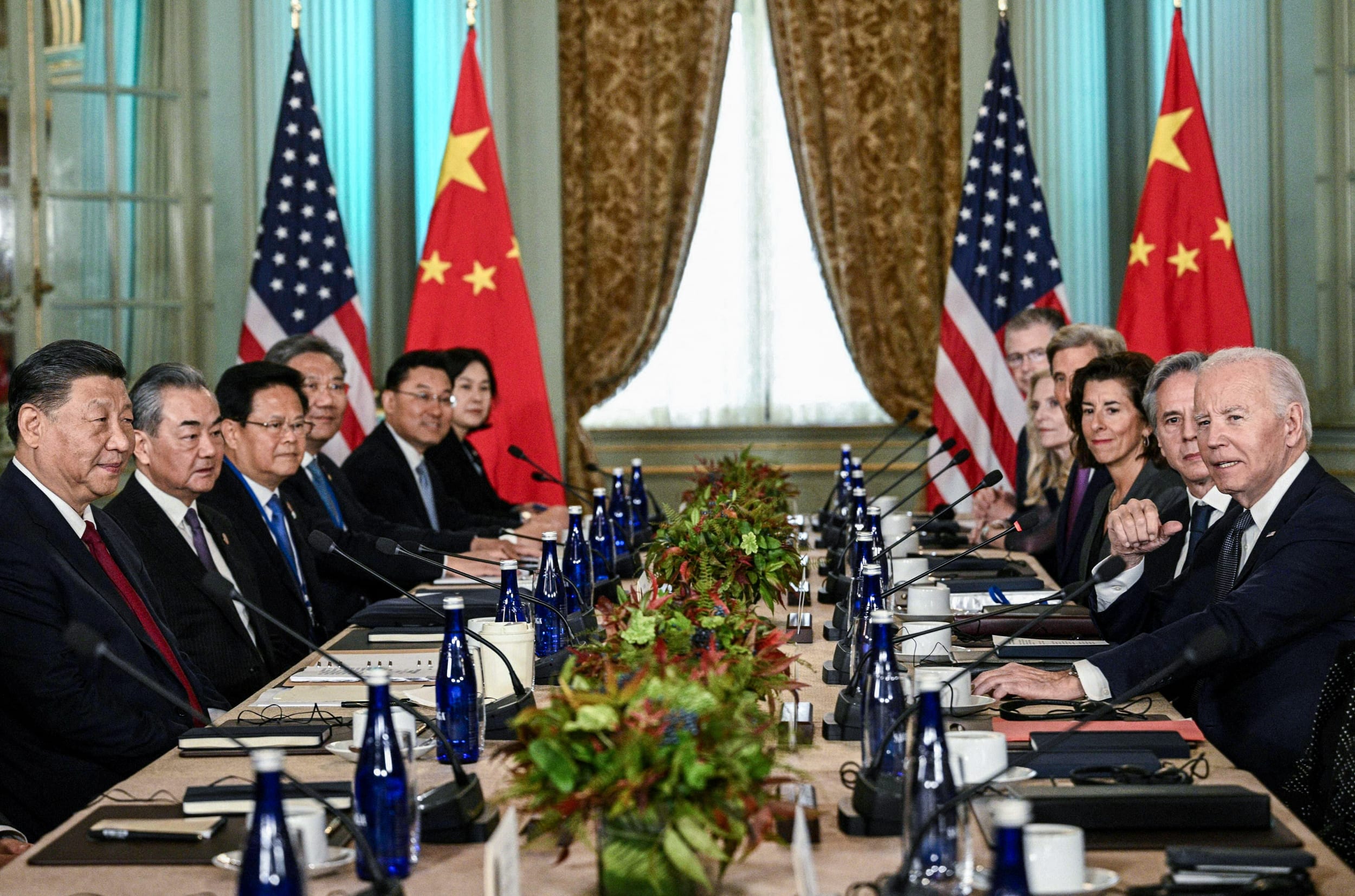
Summits make presidential power look like a single lever. A leader flies in, doors close, statements come out, markets move.
But the Constitution does not give the president a “China policy” button. What it gives is a set of shared powers that pull against each other: Congress writes the rules of trade, the president conducts diplomacy, and modern statutes fill the space between. That is why a president can sometimes raise tariffs quickly, sometimes cannot, and can often tighten export controls on sensitive technology without passing a new law, at least where Congress has already delegated authority and the executive follows required procedures.
Join the Discussion
The Constitution’s split screen
Start with the basic design. The president is the nation’s chief diplomat, but not its lone lawmaker.
Congress controls commerce. Article I gives Congress power to “regulate Commerce with foreign Nations” and to “lay and collect Taxes, Duties, Imposts and Excises.” Tariffs are, in constitutional DNA, a legislative tool.
The president conducts foreign relations. Article II makes the president the executive, the commander in chief, and the officer who receives ambassadors and negotiates treaties (with the Senate’s advice and consent). Even when Congress sets the rules, the president often controls the day-to-day implementation through agencies.
The Senate has a hand on the wheel. Treaties require two thirds of the Senate. Many modern trade deals are not treaties, though, because Congress uses statutes to authorize them.
This separation is not a glitch. It is the point. The Framers remembered what happens when one person can tax, trade, and retaliate at will.
Tariffs: delegated power
When people ask, “Can the president raise tariffs on China,” the most accurate answer is: not by pure constitutional power, but often yes through laws Congress already passed.
Congress has built a series of statutory “doors” the president can walk through. Each door has conditions, procedures, and sometimes time limits. The biggest ones include:
Section 301 (Trade Act of 1974). Allows tariffs or other restrictions after the U.S. Trade Representative investigates and finds another country’s acts, policies, or practices are “unjustifiable” or “unreasonable or discriminatory” and burden U.S. commerce. This is the legal foundation for many modern tariff rounds, including the U.S. tariff actions involving China that began in 2018.
Section 232 (Trade Expansion Act of 1962). Allows tariffs on national security grounds after a Commerce Department investigation. It is framed as “security,” but it can function as trade leverage.
IEEPA (International Emergency Economic Powers Act, 1977). Allows the president, after declaring a national emergency, to regulate or block certain transactions involving foreign entities (50 U.S.C. §§ 1701 to 1708). It is not a tariff statute. Its fit is strongest for transaction bans, asset blocking, and payment or financing restrictions that can reshape trade flows in tariff-adjacent ways.
Section 201 safeguards (Trade Act of 1974). Temporary protection when imports seriously injure domestic industry, after an International Trade Commission investigation.
None of these are a blank check in theory. They are delegations. Congress hands the president tools, and the president chooses when to use them.
Who is in charge of tariffs?
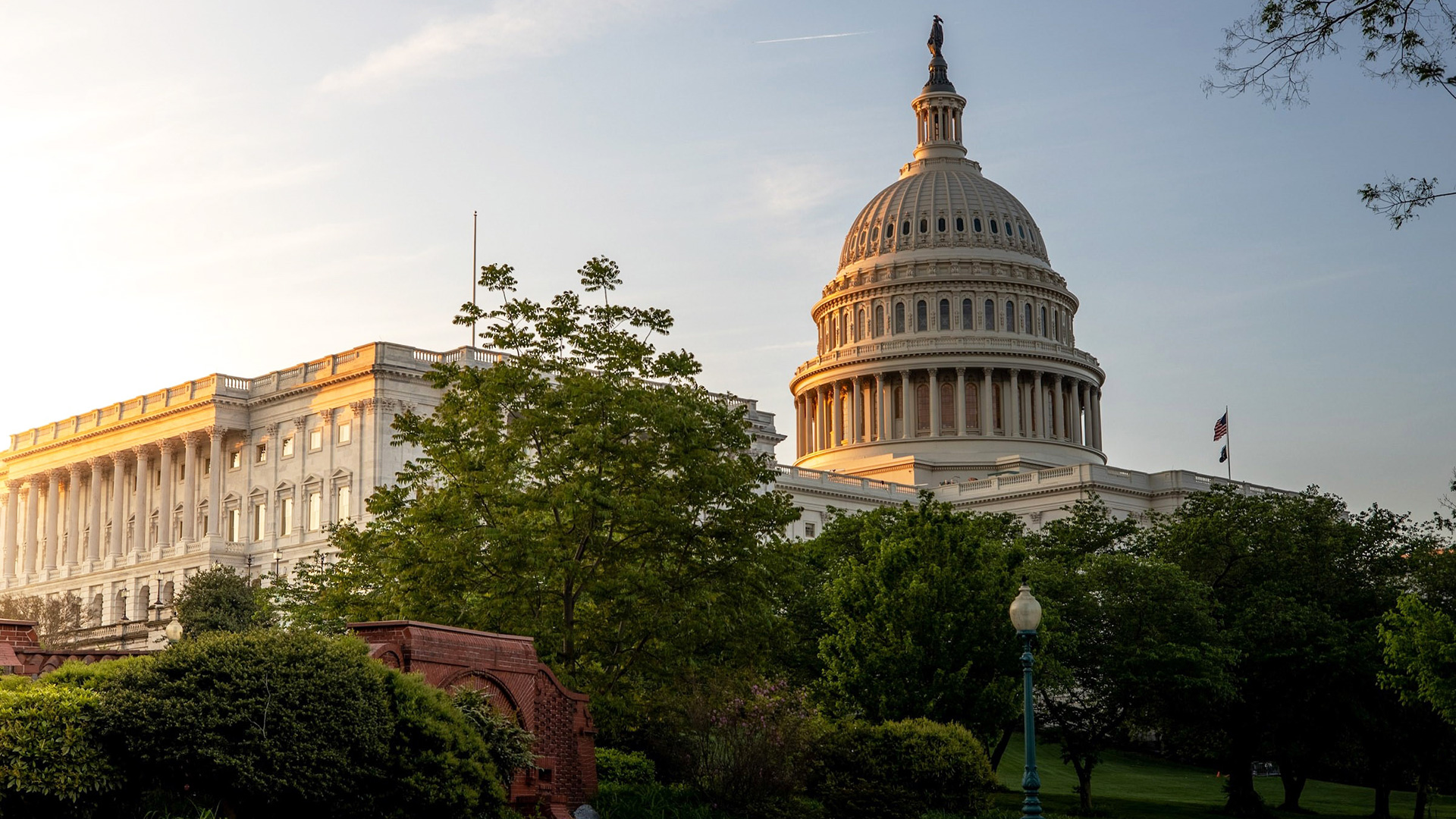
Legally, Congress is in charge because Congress can rewrite or repeal the delegations, and because the House and Senate control appropriations that fund enforcement and administration. Practically, presidents steer because these laws are already on the books and move faster than new legislation.
Courts can also matter. Challenges to tariffs often argue that an agency skipped required steps, exceeded statutory authority, or acted arbitrarily under administrative law. Courts traditionally give the political branches wide latitude in foreign affairs and trade, especially when Congress has spoken, but they still scrutinize whether statutory prerequisites and procedures were met.
And even when domestic law permits tariffs, international constraints and consequences still exist. WTO rules, retaliation, and supply chain substitution do not necessarily stop a tariff, but they often shape how long it lasts and how costly it becomes.
AI and export controls
AI policy sounds futuristic, but the legal mechanism is familiar: export control. The U.S. government has long restricted the spread of sensitive technology. Today the contested items are advanced chips, chipmaking equipment, and AI model training capabilities.
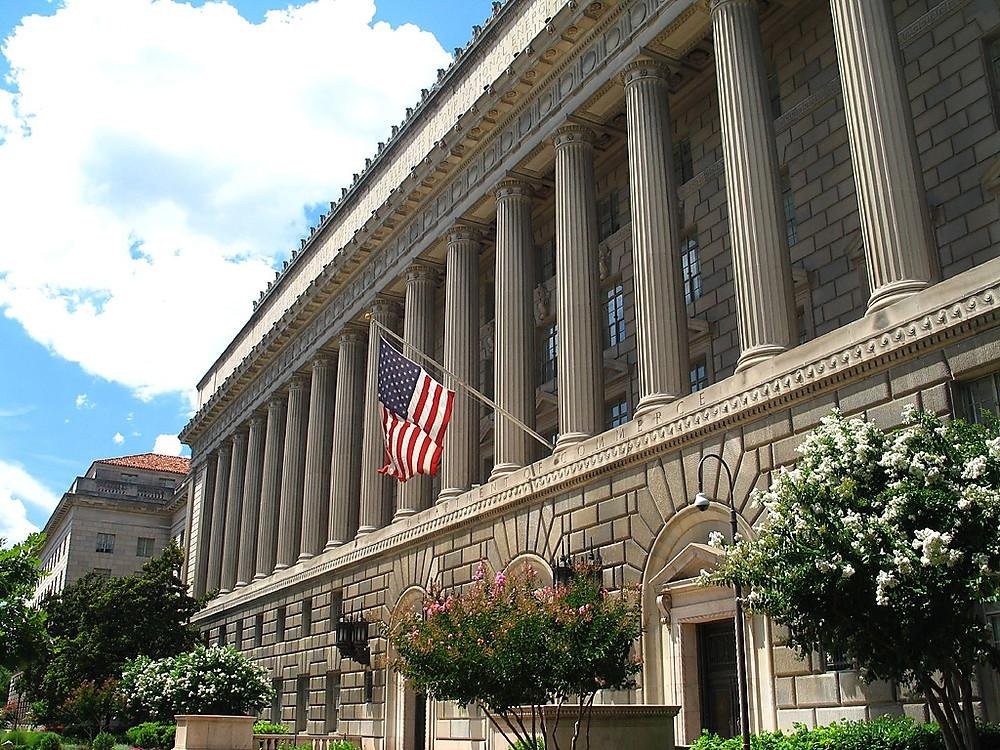
The president does not need a new constitutional amendment to do this. He needs statutory authority executed through agencies, chiefly the Department of Commerce, and those authorities can be substantial. Still, major new categories, novel controls over intangible transfers, or economy-wide prohibitions can run into statutory limits, notice-and-comment requirements, and constitutional challenges.
The Export Control Reform Act of 2018 (ECRA). Provides modern authority for controlling “dual use” items, meaning civilian goods with military or intelligence applications.
Commerce Department’s Bureau of Industry and Security (BIS). The operational arm that issues licensing rules, updates the Export Administration Regulations, adds parties to the Entity List, and writes technical restrictions that industry must follow. A concrete example is BIS rules restricting exports of certain advanced computing chips and semiconductor manufacturing items to China.
Sanctions tools. The Treasury Department’s Office of Foreign Assets Control (OFAC) can block transactions and designate companies, which can indirectly restrict access to AI infrastructure, dollars, or financing.
Because export controls are about what Americans may sell, ship, or license, they fit neatly into executive enforcement. Congress sets the framework. The president directs the priorities. The administrative process can still take time, especially when rules require interagency coordination or public notice and comment.
Can a president ban AI to China?
He can push policy far, but “ban” is rarely a single switch. AI restrictions typically come in layers:
Hardware controls (advanced chips, manufacturing tools).
End use and end user controls (limits tied to military, surveillance, or specific entities).
Investment screening, but with an important distinction. Inbound investment screening is primarily CFIUS, operating under statute (including FIRRMA). Outbound investment limits are newer, built from recent executive action and implementing rules that are still developing and can depend on how clearly Congress has authorized the program.
Each layer requires a legal hook. The president’s advantage is that many hooks already exist and are administered by executive agencies. The constraint is that broader, economy-wide prohibitions are more likely to generate legal challenges, First Amendment or overbreadth arguments in edge cases, procedural delays, and political blowback.
Rare earths and supply chains
Rare earth minerals matter because they sit inside modern life: defense systems, magnets, smartphones, electric motors, and advanced manufacturing. The leverage problem is not theoretical. It is logistical. If refining capacity sits abroad, the supply chain becomes a pressure point.
What can the president do? A lot on the margins, less on the geology.
Defense Production Act (DPA). The president can incentivize domestic production, prioritize contracts, and support industrial capacity in the name of national defense (50 U.S.C. § 4501 et seq.).
Federal procurement and stockpiles. The executive branch can buy, store, and prioritize materials for defense needs through existing authorities and appropriations, including the National Defense Stockpile managed by the Defense Logistics Agency.
Permitting and environmental tradeoffs. The president can steer executive agencies, but major changes to permitting timelines and environmental standards often run into statutory limits Congress wrote.
Allied agreements. The president can negotiate supply-chain arrangements with allies, though binding commitments may require congressional authorization or funding.
This is the pattern again: the president can direct, accelerate, and negotiate. But building mines, refineries, and processing plants is slow, expensive, and legally entangled with domestic law that Congress controls, and with appropriations that Congress must provide.

Fentanyl: diplomacy plus tools
When summits include fentanyl or precursor chemicals, the president’s powers are a blend of foreign relations and law enforcement coordination.
Diplomacy. The president can negotiate commitments, joint investigations, and information sharing. These can be powerful even when they are not treaties.
Sanctions. Under statutes like IEEPA and other sanctions laws, the executive can target entities involved in trafficking networks.
Customs enforcement. Agencies can intensify screening and enforcement priorities, subject to resources Congress funds.
The president can move quickly here, too. But again, budgets and lasting legal changes come from Congress.
Summits vs. law
A president can promise many things in a bilateral meeting, but the Constitution cares about who must act for a promise to become binding.
Political commitments can be immediate and meaningful, but they are often reversible by the next administration.
Treaties require the Senate and are rare in modern trade and tech policy.
Executive agreements and memoranda can direct agencies, coordinate policy, or set frameworks, but they cannot override statutes Congress already passed.
New tariff regimes, new industrial subsidies, and major regulatory architectures generally require Congress, either to authorize them or to fund them.
In other words: the president can change the temperature fast. Congress changes the plumbing.
The legal bottom line
If you want the clean constitutional answer to “What can the president actually do on tariffs, AI, and China?” it is this:
Tariffs: Congress owns the power, but Congress has delegated wide discretion. Presidents can raise, lower, or rearrange tariffs quickly when a statute provides a pathway and the executive meets the statute’s prerequisites.
AI and advanced tech: Export controls and sanctions are executive-branch strongholds, rooted in statute and implemented by agencies under presidential direction. They are powerful, but not limitless, and they still run through administrative process and judicial review.
Rare earths and supply chains: The president can prioritize and incentivize domestic capacity and negotiate with allies, but long-term supply resilience depends on law, permitting, and money that Congress controls.
Summit outcomes: Diplomacy is real power, but durable policy usually requires statutes, appropriations, or Senate-approved treaties.
The Constitution built a system where foreign policy is energetic but not monarchical. The news will often frame U.S. China policy as a battle of leaders. The law treats it as a shared project of branches, committees, agencies, courts, and, eventually, voters.