
Deportation sounds, in political shorthand, like a single government action: you are “removed,” and that is the end of the story.
In reality, deportation is a chain of smaller legal decisions. Where will you be sent? What if you face persecution or torture there? What if you have new, material evidence, but you never get a realistic chance to put it in front of the immigration courts before you are put on a plane?
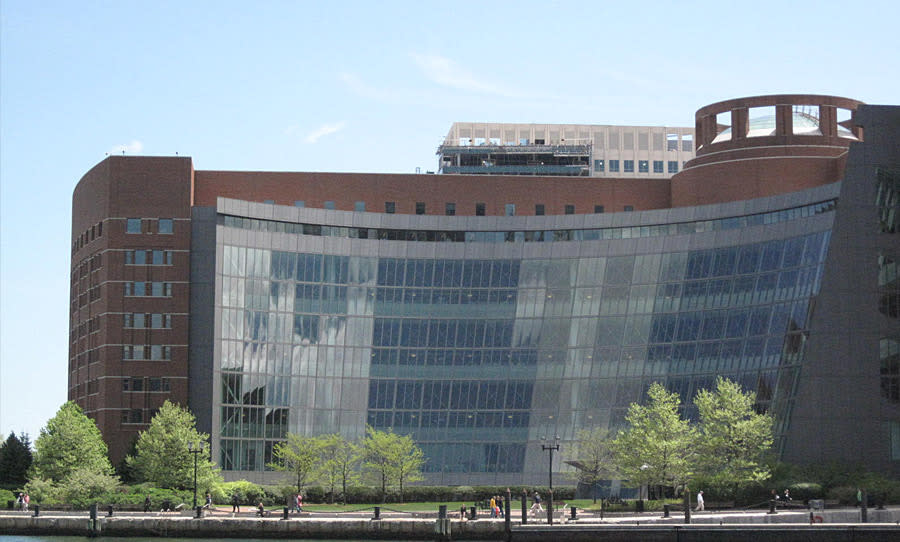
That is the practical core of Devitri v. Cronen, 933 F.3d 44 (1st Cir. 2019), a First Circuit decision arising from emergency litigation brought by Indonesian Christians facing imminent removal. They sought time to pursue motions to reopen based on changed country conditions, and they asked the federal courts for stopgap relief so they could actually use the reopening process Congress has provided.
- Court: U.S. Court of Appeals for the First Circuit
- Year: 2019
- Posture: emergency appeal from a district-court order granting interim injunctive relief (the parties and courts referred to it as a preliminary injunction in the reported decision; the exact label and mechanics should be confirmed against the district-court docket/order)
- Core question: whether removal could be carried out on a timeline that left no meaningful opportunity to prepare and file motions to reopen based on changed country conditions
- What it did: the First Circuit affirmed the district court’s interim order temporarily preventing removal long enough to preserve access to the reopening mechanism, as framed in the case’s emergency posture
Join the Discussion
What the case was about
A removal order can feel final, but immigration law includes limited mechanisms for reopening a case. One of the main tools is a motion to reopen, which asks an immigration judge or the Board of Immigration Appeals (BIA) to revisit a final order because something legally significant has changed.
“Changed country conditions” is the common version people mean. In plain terms, it is a claim that conditions in the country of removal have materially changed since the earlier proceedings, in a way that could affect eligibility for protection.
In Devitri, the people seeking relief were Indonesian Christians who argued that conditions in Indonesia had worsened and that they needed a fair chance to assemble and present updated evidence through motions to reopen. The dispute reached federal court in an emergency posture, with removal dates approaching quickly enough that they argued they could be deported before their reopening requests could be prepared and filed in any realistic way.
Motions to reopen on changed-conditions grounds are rarely quick. They often turn on current human-rights reporting, expert declarations, and supporting affidavits. That evidence takes time to gather, translate, and organize into something an immigration court can evaluate.

Due process basics
The Fifth Amendment promises that no person shall be deprived of life, liberty, or property without due process of law. Not “no citizen.” No person.
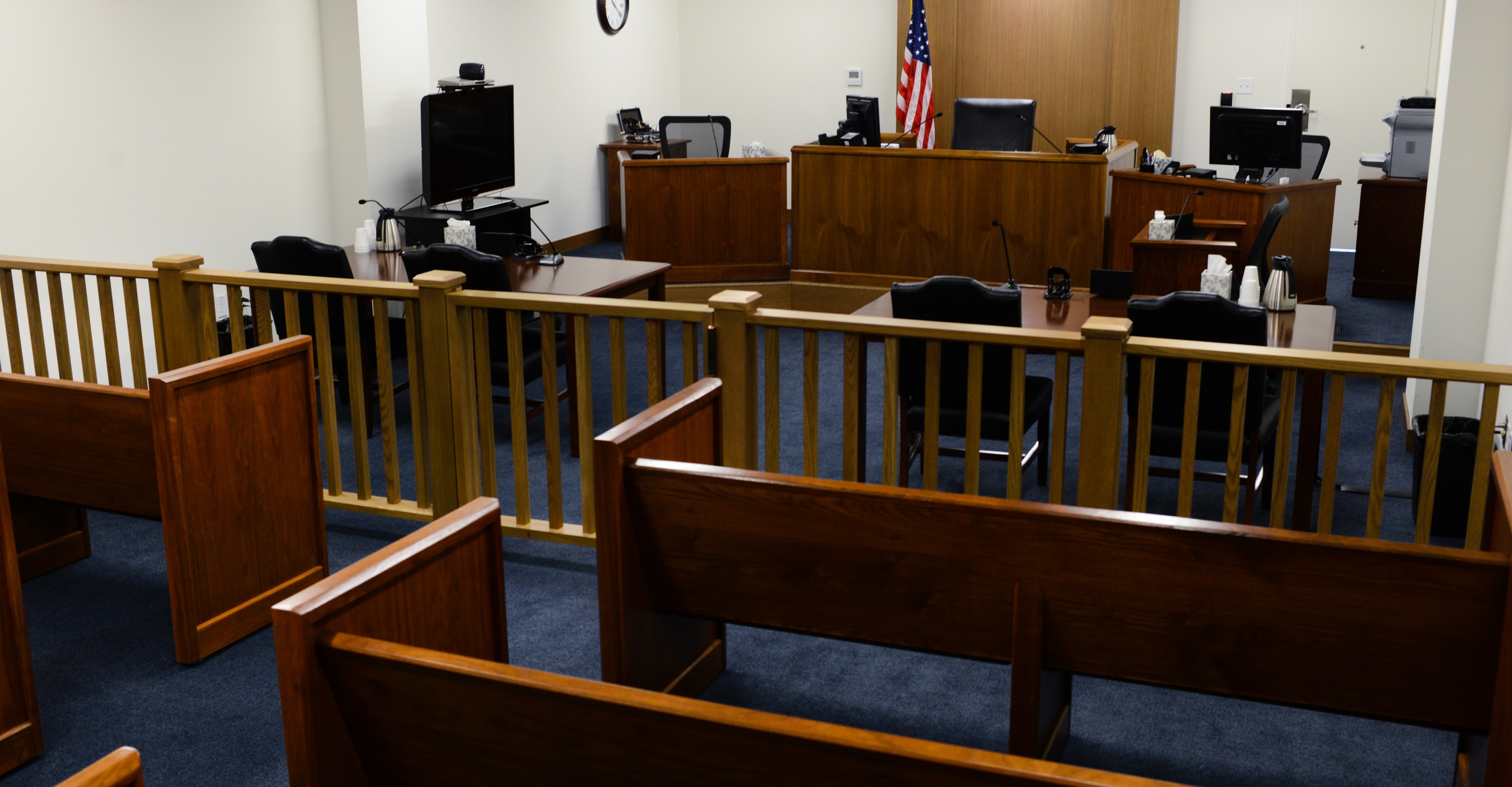
That does not mean immigration works like a criminal trial. Removal proceedings are civil, and Congress has wide latitude to design the system. But the Supreme Court has long recognized a baseline principle: when the government uses its immigration power to expel someone from the United States, there must be a fair opportunity to be heard at a meaningful time and in a meaningful manner.
Two Supreme Court landmarks help frame the point, with important limits:
- Yamataya v. Fisher (1903) (often called The Japanese Immigrant Case). At a high level, it stands for the proposition that noncitizens in the United States are entitled to due process in deportation, including a fair opportunity to be heard in context. It is not a promise of maximal procedures in every case, but it rejects “no process at all.”
- Zadvydas v. Davis (2001). This is a detention case, not a removal-procedure case. The Court interpreted the post-removal-order detention statute to avoid serious constitutional concerns, underscoring that constitutional limits still matter in immigration enforcement even after a final order.
In practical terms, due process in removal usually means notice of what the government plans to do and a meaningful opportunity to respond. A chance to seek relief that exists only on paper, or a schedule so compressed that it blocks any realistic effort to consult counsel and submit evidence, can collapse into something close to no opportunity at all.
Why timing mattered
Devitri was not a broad ruling that every motion to reopen automatically pauses deportation. The general rule in immigration practice is the opposite: filing a motion to reopen does not automatically stay removal.
Instead, a person who needs more time typically must seek a stay of removal. Which decisionmaker has authority depends on posture and the part of the system the case is in.
- EOIR (immigration court and the BIA): stays are often sought from the immigration judge or, if the case is at the appellate level, from the BIA, depending on what is pending and where jurisdiction lies.
- Federal court: if a petition for review is properly before a court of appeals, the circuit court can consider a stay motion under its standards.
- DHS execution: absent a stay, DHS generally retains authority to carry out removal under the final order, even while certain filings are being prepared or considered.
The timing problem in emergency-removal cases is practical and recurring. Motions to reopen based on changed country conditions are evidence-heavy. If removal happens first, even litigation that can theoretically continue from abroad may become far harder to pursue. Communication and document collection can break down, access to counsel can become limited, and the logistics of participating in U.S. proceedings can change overnight.
There is also a technical wrinkle that helps explain why removal can matter so much. Immigration regulations historically included a so-called departure bar, a regulatory rule that treated a person’s departure as a barrier to reopening. Many circuits have rejected the departure bar for statutory motions to reopen, but the doctrine has been historically circuit- and context-dependent. Readers should check controlling precedent in the relevant circuit, especially for arguments about discretionary or sua sponte reopening (meaning reopening on the agency’s own initiative).
How it reached federal court
One reason Devitri draws attention is its route into federal court. After the REAL ID Act, most direct challenges to removal orders are channeled into petitions for review in the courts of appeals, not habeas petitions in district court.
That channeling is a hard line in many cases. District-court habeas jurisdiction is significantly limited when a claim is, in substance, an attack on the validity of a removal order. Courts closely police whether a filing is truly collateral, meaning it targets the timing or manner of enforcement rather than relitigating the merits of the order.
In Devitri, the plaintiffs pursued habeas-related litigation under 28 U.S.C. § 2241 seeking narrow, interim relief tied to timing: not “erase the final order,” but “do not carry out removal on a schedule that makes it impossible to invoke the reopening mechanism in a meaningful way.” Put differently, the court treated the claim as a procedural-access dispute about using an existing statutory process, rather than a backdoor merits appeal.
That framing is also the limit. Devitri should not be read as a general template for using § 2241 to pause removal. Jurisdiction turns on posture and on what, exactly, the claim is asking a court to do.
What the First Circuit did
Devitri v. Cronen, 933 F.3d 44 (1st Cir. 2019), reached the First Circuit as an emergency matter focused on interim relief, not a final merits decision on asylum, withholding of removal, or CAT protection.
The district court entered an order temporarily preventing the petitioners’ removal so they could pursue motions to reopen based on changed country conditions. The First Circuit affirmed that order, as described in the reported decision.
A careful way to understand the First Circuit’s reasoning is that it treated the dispute as about access and timing. The plaintiffs were not arguing that they could never be removed. They were arguing that, in their circumstances, removal would happen so fast that the reopening mechanism Congress created would become unusable in practice.
Like most requests for interim relief, the analysis sits in the shadow of familiar equitable factors, including likelihood of success on the relevant legal theory, irreparable harm, the balance of equities, and the public interest. In an emergency posture like this, the key practical showing was that removal before a meaningful opportunity to file could inflict an irreparable loss of access to the reopening process itself, at least as framed in the litigation.
Three practical takeaways follow from that emergency posture:
- It was about procedure, not immunity from deportation. The point was to preserve access to reopening, not to grant permanent protection from removal.
- Timing can decide whether process is real. If the government’s schedule leaves no realistic opportunity to consult counsel and assemble evidence, a statutory mechanism can become hollow even if it exists on paper.
- Federal courts can be a backstop in truly time-sensitive situations. But the backstop is narrow: it depends on jurisdiction, posture, and the demanding standards for interim relief.

What happens next
Cases like Devitri leave a practical question behind: can the government still deport people with final orders while motions to reopen are in play? Sometimes yes. There is no general automatic stay.
In the ordinary run of cases, the pathway looks like this: a person prepares and files a motion to reopen with the immigration court or the BIA and separately seeks a stay from the decisionmaker with authority in that posture. If a petition for review is filed in a court of appeals, removal is still not automatically stayed, and a stay requires a motion and satisfaction of the circuit’s standards.
And the story does not end with the injunction. The practical “next step” for petitioners who receive a short window is straightforward but demanding: use the time to actually file the motions to reopen, supported by the country-conditions evidence and declarations needed to make the motion viable.
Those stay standards vary in articulation by circuit, but commonly track familiar equitable factors, including likelihood of success and irreparable harm, alongside the balance of equities and the public interest.
Devitri matters because it addressed a narrow corner case where removal was imminent enough that the reopening pathway risked becoming purely theoretical.
It also points to a limit: courts often reject attempts to repackage merits challenges to a removal order as “timing” challenges. The more a claim looks like “the final order is wrong,” the more likely it belongs in the petition-for-review channel, not in emergency district-court litigation.
Key limits
- Fact-specific, emergency posture: Devitri turned on a particular record and a particular timeline.
- No automatic stay rule: it did not create a general right to remain in the United States whenever a motion to reopen is contemplated or filed.
- Posture controls remedies: whether a court can hear a claim, and what kind of stay or injunction is available, depends heavily on jurisdiction and procedural posture.
- Circuit variation exists: issues like the departure bar and the availability of certain reopening arguments can vary by circuit and context.
Key points
Do noncitizens have Fifth Amendment rights?
Yes. Due process protections extend to “persons,” not only citizens. The scope and procedures can vary by context, but due process does not vanish in immigration.
Is there a constitutional right to a stay?
Not as a general entitlement. But when the government carries out removal, it must do so within the limits the Constitution allows and the procedures Congress has provided. In emergency timing disputes, the question is often whether interim relief is necessary so an existing statutory mechanism can be used in a meaningful way.
What was the core issue in Devitri?
Whether the government’s removal timeline left a meaningful opportunity to prepare and file motions to reopen based on changed country conditions, rather than making that statutory mechanism theoretical in practice.
Does the ruling apply nationwide?
A First Circuit decision is binding within that circuit. Its reasoning can influence other courts, but its practical reach depends on later cases, differing procedural postures, and jurisdictional limits that can vary by circuit.
The takeaway
The Constitution does not micromanage deportation. It does something subtler: it requires the government to treat removal as a legal act, not only a logistical one.
When a court pauses a deportation on statutory-process or due process grounds, it is not declaring immigration enforcement illegitimate. It is insisting that enforcement be carried out through procedures that are real enough to matter.
That is the enduring question behind the headlines. Not whether the government can deport, but whether it can carry out removal on a timeline that prevents a person from making use of the legal mechanisms Congress has provided to present new, country-conditions evidence. In Devitri v. Cronen, the First Circuit’s answer, in emergency posture, was concrete: it affirmed interim injunctive relief designed to preserve a meaningful chance to pursue reopening before removal.