
You can tell how fraught the line between “government” and “campaign” can be by a phrase that keeps appearing in press guidance and official disclaimers: personal capacity.
You see it most often when a senior executive official makes a high-visibility public stop that looks, to many observers, like retail politics. The familiar question is not “Is this person running in 2028?” but the more constitutional one: What is a sitting cabinet officer allowed to do politically while still holding power over an executive department?
That question lives at the intersection of three forces that rarely get explained in plain English: the Hatch Act, federal ethics rules, and federal appropriations and travel reimbursement rules. They do not exist to stop political ambition. They exist to stop the government from becoming a taxpayer-funded campaign machine.
Join the Discussion
Why Iowa optics matter
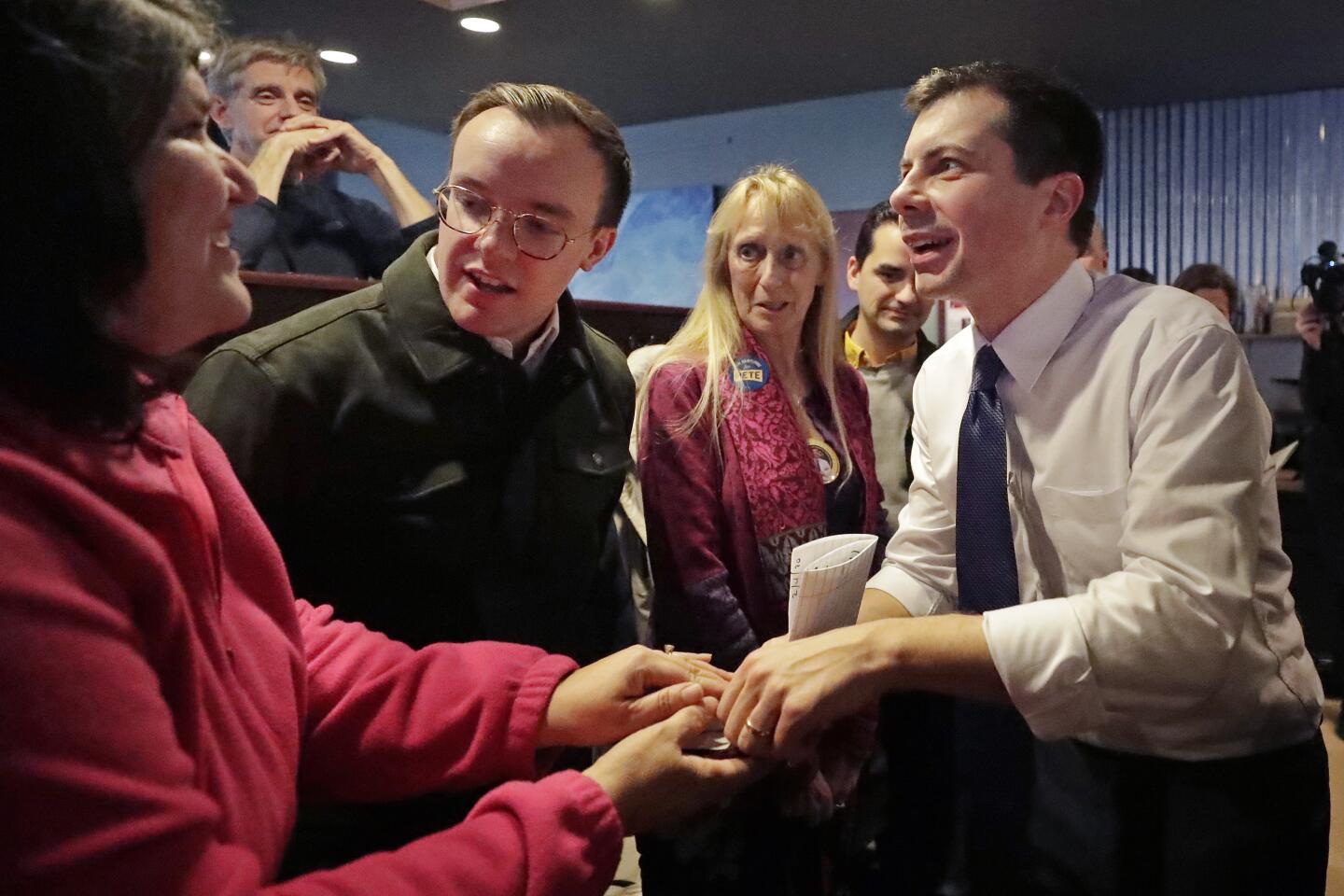
Iowa is not just another state on a map. For decades it held the first-in-the-nation caucuses, and that early position turned it into a place where national politicians practice the rituals of retail politics: handshakes, photo lines, and casual conversations that look spontaneous but are often carefully staged.
So when a sitting cabinet official shows up at an Iowa political magnet, such as the Iowa State Fair, people read it as more than a weekend outing. It might be nothing. It might be a signal.
The government’s response to that suspicion is not to ban cabinet officials from going to fairs. It is to insist on a firewall: official resources on one side, political activity on the other. In public communications, the phrase “personal capacity” is often used to signal that the official is not acting for the government. But the label is not the test. What matters is duty status, what resources were used, and whether the messaging is directed at electoral outcomes.
What “personal capacity” means
“Personal capacity” is not a magic spell that makes ethics problems disappear. It is a claim about purpose, status, and resources:
- Purpose: The appearance is not part of official duties and is not undertaken on behalf of the department.
- Status: The person is off duty and not acting with official authority.
- Resources: The official is not using government staff time, government communications channels, or taxpayer-funded travel to advance a political goal.
It also helps to separate three buckets that often get blurred in real time:
- Official capacity: Doing government work, speaking for the department, using official resources.
- Political or campaign capacity: Activity directed at the success or failure of a party, candidate, or partisan political group.
- Personal capacity: Nonofficial, noncampaign activity as a private citizen.
In practice, agencies police the boundary through pre-clearance with ethics offices, written determinations, staff instructions, and cost allocation. If an appearance is truly personal, it should look like personal conduct when you follow the money and the manpower.
The Hatch Act basics
The Hatch Act is the headline law in these situations, but it is often misunderstood. The standard rule is not “no politics,” it is “no politics using the government’s power.” It prohibits federal employees from using official authority or influence to interfere with or affect the result of an election, and it limits political activity while on duty or using government resources.
What the law focuses on
OSC and agency ethics offices typically look at a few practical questions: Are you on duty? Are you in a federal workplace? Are you using a government vehicle, government travel, official staff support, official social media, or official titles in a way that suggests the government is taking sides?
Most cabinet officials are “less restricted”
Cabinet secretaries are presidentially appointed and Senate-confirmed. Most Senate-confirmed presidential appointees in the executive branch are generally treated as less restricted employees under Hatch Act rules. That means they may do more partisan political activity on their own time than “further restricted” employees, but the core prohibitions still apply, especially the ban on using official authority or government resources to affect an election.
“Further restricted” status is tied to specific roles and agencies (often in areas like law enforcement or national security functions). Most PAS officials are not in that bucket, but it is one reason agencies tell people to get ethics advice before mixing official travel with political stops.
In plain English: a cabinet secretary can be a political figure, but they still cannot turn the machinery of government into campaign infrastructure.
What would raise Hatch Act concerns
- Using an official government event to solicit votes, donations, or campaign support.
- Directing federal employees, as part of their jobs, to assist with partisan political activity.
- Using official social media channels, official press operations, or government-produced video to promote partisan political goals.
- Using a government vehicle or other official resources for political activity.
None of this requires the person to announce candidacy. The law is about activity, not the formal status of “candidate.”
Ethics and position misuse
Even when the Hatch Act does not clearly bite, federal ethics rules often do. Executive branch ethics standards generally prohibit officials from using public office for private gain. Depending on context, that can include using the prestige of office to benefit a political effort, a friend, or an outside organization.
“Misuse of position” is the government’s way of saying: you cannot borrow the credibility, access, or apparatus of your office to create advantages that normal citizens do not have.
That is why “personal capacity” messaging is typically paired with practical separations, such as limiting staff involvement, avoiding official seals and backdrops, and preventing official channels from amplifying what is really political content.
Campaigning vs. governing
One source of public confusion is the difference between partisan campaigning and issue advocacy. An official can aggressively promote the administration’s policies as part of governing. That is not, by itself, “campaign activity,” even if it has political consequences.
The line is crossed when the message is directed at the success or failure of a political party, candidate, or partisan group, or when official power is used to help electoral outcomes. “Vote for,” “defeat,” fundraising, campaign strategy, and party committee work are the easy examples. The harder cases are the ones that borrow campaign energy while insisting they are only about policy.
Travel and who paid
The most concrete disputes in this area often come down to travel. The framework is less one single “travel law” and more a set of appropriations principles, agency travel regulations, and long-running rules on political travel reimbursement.
The simple version works like this:
- Official travel: Taxpayers may pay if the purpose is governmental.
- Political or campaign travel: Campaign or political entities generally pay.
- Personal travel: The individual generally pays.
Mixed-purpose trips are where it gets complicated. Agencies typically require documentation and reimbursement based on time and purpose. In some situations the political side must reimburse the government for incremental costs attributable to political activity. That is the accounting version of the firewall.
Trip rules can also vary at the margins by agency and office, and in real life the decisive document is often a trip-specific determination from ethics and travel counsel about how costs will be allocated.
This is why “personal capacity” triggers skepticism. The public has learned to ask the follow-up question: Was the travel actually personal, or did it ride on official logistics?
Readers who want the paper trail sources should look to U.S. Office of Special Counsel Hatch Act guidance, agency ethics and travel regulations, the Federal Travel Regulation (administered by GSA), and appropriations principles applied by agencies and the GAO in cost allocation disputes.
That question gets sharper for national security officials. Travel can involve resources unavailable to ordinary officials or ordinary candidates, including government aircraft and significant security. When those assets are in play, agencies have to be especially careful that public resources are not subsidizing politics.
Allowed and not allowed
Here is a plain-English way to think about it, with the usual caveat that facts matter.
Generally allowed
- Attending a public event as a private citizen, on personal time.
- Speaking at a partisan event or fundraiser when not on duty and not using government resources, subject to applicable rules and ethics guidance.
- Expressing political views in a personal capacity, without implying government endorsement.
Generally not allowed
- Using official authority, titles, or government communications to influence an election result.
- Pressuring or directing federal employees to do campaign or party work.
- Using taxpayer-funded travel, government vehicles, official staff time, or official facilities for political activity.
How this is enforced
Hatch Act rules for executive branch employees are enforced through the U.S. Office of Special Counsel (OSC), which investigates and can bring cases. For many employees, the Merit Systems Protection Board (MSPB) is the classic adjudication forum. Discipline can also occur through agency action or settlement, depending on the posture of the case and the employee’s status.
Separate from the Hatch Act, agency ethics officials advise on standards of conduct and conflicts rules, and Inspectors General can scrutinize travel, staffing, and the use of government resources. In short, the enforcement ecosystem is as much about paper trails and reimbursements as it is about speeches.
A common violation pattern
If you want a real-world example of how these lines get crossed, one recurring category in OSC enforcement is official communication channels. OSC has repeatedly treated partisan electioneering from official accounts, government websites, or official press operations as the kind of conduct the Hatch Act exists to prevent, even when it is only a post or a repost.
The theory is large even when the act looks small: the government’s megaphone cannot be used to take sides in elections.
That is why agencies obsess over whether messaging comes from official accounts or personal ones, and why “personal capacity” statements often come with strict instructions about who can post what, and from where.
Can a secretary lay groundwork?
Legally, an executive official can have political ambitions. Constitutionally, there is no rule that says a cabinet secretary must be politically dormant.
But the guardrails draw a line between:
- Being a political figure with a profile and future aspirations.
- Using the executive branch to promote those aspirations through official time, travel, staff work, or implied governmental endorsement.
An Iowa State Fair appearance is the kind of moment that can sit in the gray zone where legal compliance and public trust separate. An action can be technically permissible and still look like a misuse of the office’s prestige. That is the ethical tension embedded in the moment.
When optics pile up
The same dynamic shows up when an official’s day job is highly public. Official visits to agencies, interdepartmental coordination, and policy initiatives are normal features of executive branch governance.
But when unmistakably official moves coincide with highly visible “personal” or political-style stops, the public tends to interpret the full package as a single arc: influence, attention, positioning. Even if the motives are ordinary governance, the optics invite political interpretation.
Constitution and statutes
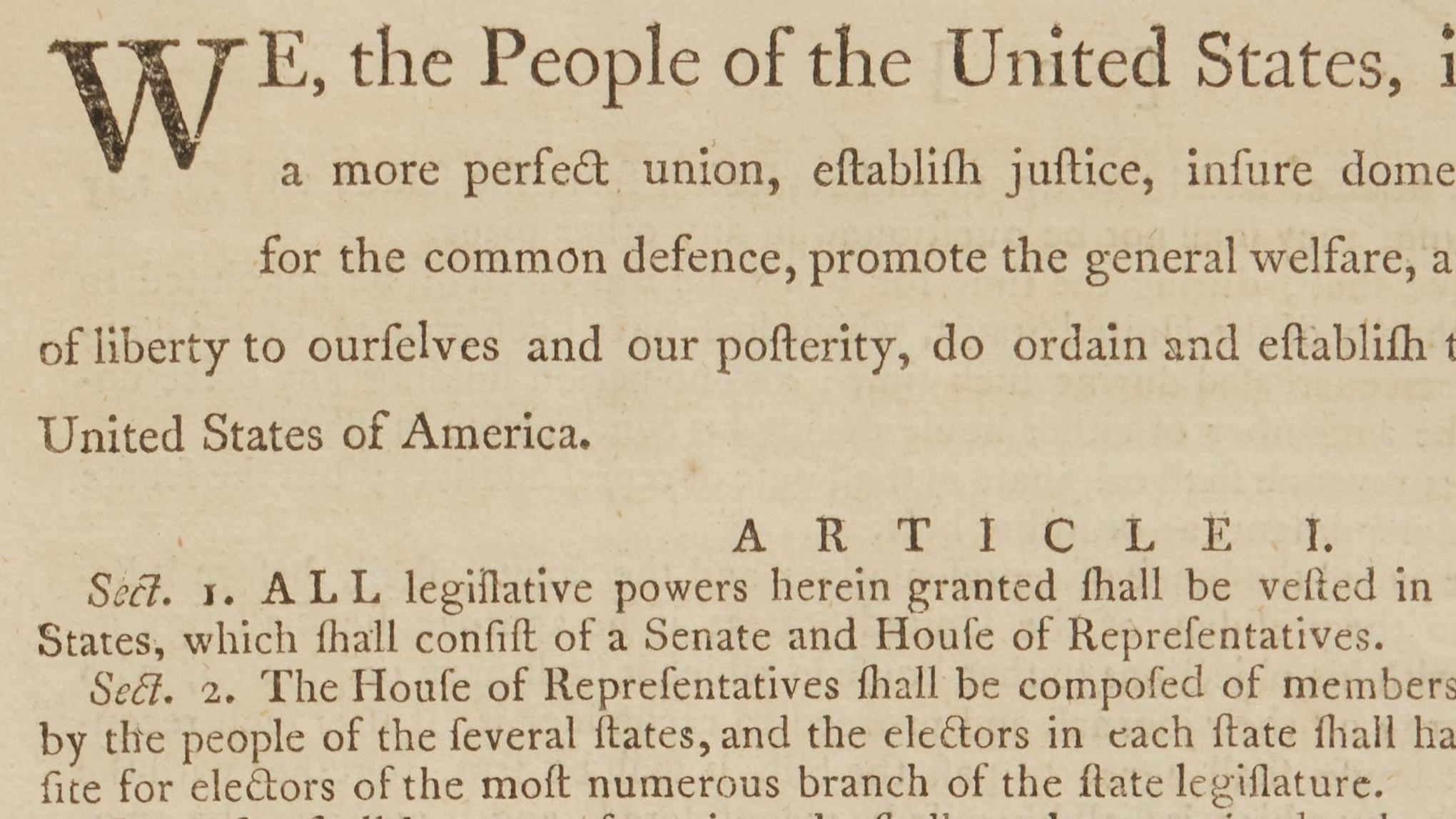
It is tempting to ask whether the Constitution itself blocks a cabinet secretary from acting like a candidate in waiting. It does not. The Constitution sets eligibility rules for the presidency, not rules of political etiquette for executive officers.
The guardrails here are statutory and regulatory: the Hatch Act, executive branch ethics standards, appropriations law principles, and agency-specific rules on political activity. Those rules do not stop officials from attending public events. They stop officials from drafting on government power to do it.
And that is why the phrase “personal capacity” keeps reappearing in modern politics. It is shorthand for a deeper promise: that even ambitious people must not convert public office into private political leverage paid for by the public.
FAQ
Does “personal capacity” mean no security or staff?
Not necessarily. High-level officials often receive security and support regardless. The ethical question is how that support is justified, funded, and separated from any political purpose, including how staff time is used and how costs are allocated.
Is it illegal for a cabinet secretary to appear with a member of Congress?
No. Legal issues arise if the appearance becomes partisan electioneering using official authority, government resources, or government time and facilities.
What is the clearest red line?
Using official authority to interfere with or affect an election result, and using taxpayer resources for political activity, are the clearest red lines. That principle runs through the Hatch Act, ethics rules, and appropriations constraints.