
Washington is again wrestling with a familiar boundary question in a new context: when does a wager become a federally regulated financial instrument, and when is it simply gambling?
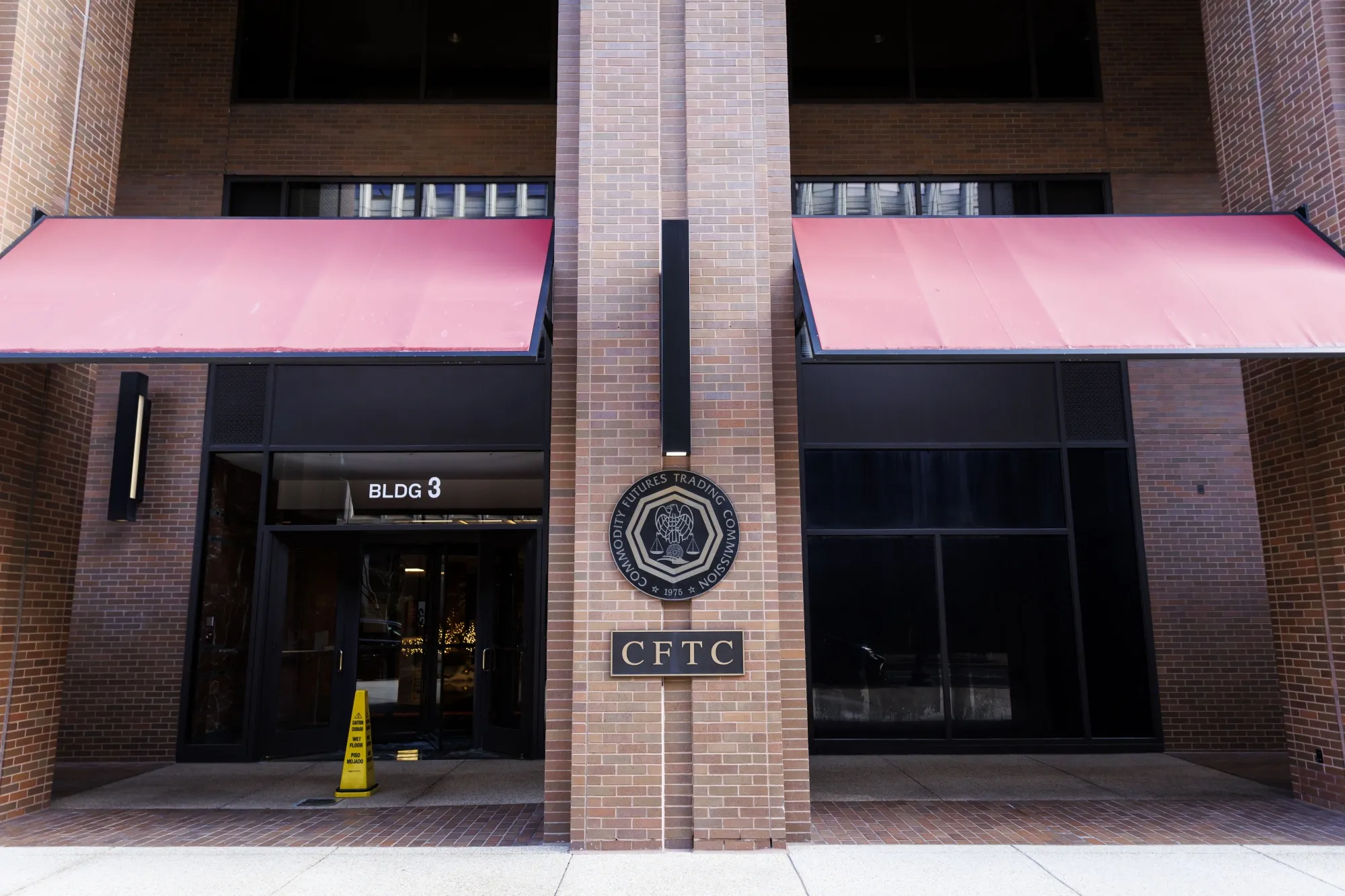
On Friday, the Commodity Futures Trading Commission filed two measures aimed at separating prediction markets from casino-style betting. One proposal would explicitly treat “event contracts” as federally regulated products under commodities law. The other, issued as an interim final rule, would make clear that traditional sportsbook and casino wagers do not fit through that same federal doorway.
Together, the measures help set the stage for a potential US Supreme Court battle over federal and state jurisdiction.
Join the Discussion
What the CFTC is proposing
The first proposal goes to the center of the legal dispute: what, exactly, counts as an event contract under federal commodities law?
The CFTC proposes clarifying the definition of “swap” to include event contracts, including those tied to sports, politics, cultural events and weather. It notes these contracts are financial instruments commonly known to the trade as swaps, and the agency wants to resolve ambiguity over how they should be treated under federal law.
CFTC Chairman Michael Selig framed the agency’s position in jurisdictional terms: “These products are commodity derivatives squarely within the CFTC’s regulatory remit under the Commodity Exchange Act and are within the agency’s exclusive jurisdiction.”
The second measure, an interim final rule, takes the opposite approach for a different category of products. It would codify the CFTC’s view that casino-style gambling products, including wagers placed on sportsbooks and casino games, are excluded from the “swap” definition.
Selig put the distinction plainly: “Casino-style gambling products are not derivatives,” adding, “Just as the CFTC has done with respect to other products historically regulated by the states, the Commission today provides clarity regarding the limits of its regulatory remit by codifying the exclusion of casino-style gambling products from the ‘swap’ definition.”
Both measures, filed on Friday, carry 30-day comment windows.
Why it matters now
The push is driven by active disputes over who gets to regulate these markets.
Several states have sued prediction-market operators, including Kalshi and Polymarket, alleging illegal gambling. The CFTC has countersued to defend its federal jurisdiction over event contracts, arguing that they fall beyond the reach of state regulators.
In that context, the commission’s proposals function as an effort to draw cleaner lines between event contracts the agency views as swaps and casino-style betting the agency says is not.
What courts have said
Recent appellate rulings have put the jurisdiction fight in sharper relief.
In late September, prediction market Kalshi lost on appeal after a court ruled that Ohio and Tennessee can regulate sports-event contracts under their state gambling laws. A three-judge panel at the Sixth US Circuit Court of Appeals sided unanimously with Ohio and Tennessee, finding Kalshi failed to demonstrate its sports-event contracts are “swaps” under the jurisdiction of the CFTC.
Still, an April decision by the Third Circuit Court of Appeals allowed Kalshi to do business in New Jersey as its appeal process proceeds. The April ruling said Kalshi was likely to succeed with its argument that federal law preempts New Jersey’s regulations.
What to watch next
- The 30-day comment windows. Both measures are open for public comment, which will help shape the record around how the rules are interpreted and applied.
- Supreme Court activity. A group of state lawmakers has filed an amicus brief with the US Supreme Court urging it to weigh in on the case between Kalshi and state gaming authorities, potentially resolving whether state authorities or federal agencies have jurisdiction over prediction market companies.
For now, the commission is trying to separate two categories that can look similar on the surface: event contracts the agency says belong in federal derivatives law, and casino-style wagers it says do not.