
Here is the question that keeps nagging at me, the kind I used to ask a classroom full of teenagers who thought “rights” were something you either had or you did not.
If you need a license to make a living, does that mean the government gets to watch you do it all day, every day?
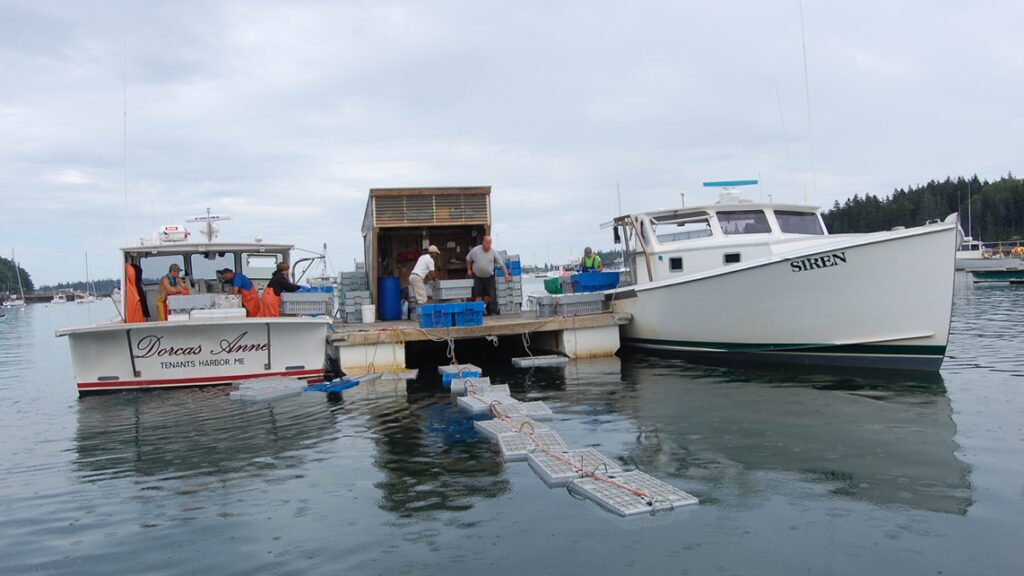
Frank Thompson, a fifth-generation lobsterman out of Vinalhaven, Maine, has fought a tracking mandate for years. His boat must carry an electronic tracking device, a small box that logs where he is. Thompson calls it a 24/7 “ankle bracelet.” On Monday, the Supreme Court declined to hear his challenge, leaving a lower-court ruling in place. Thompson says he is not done fighting.
Join the Discussion
What the rule does
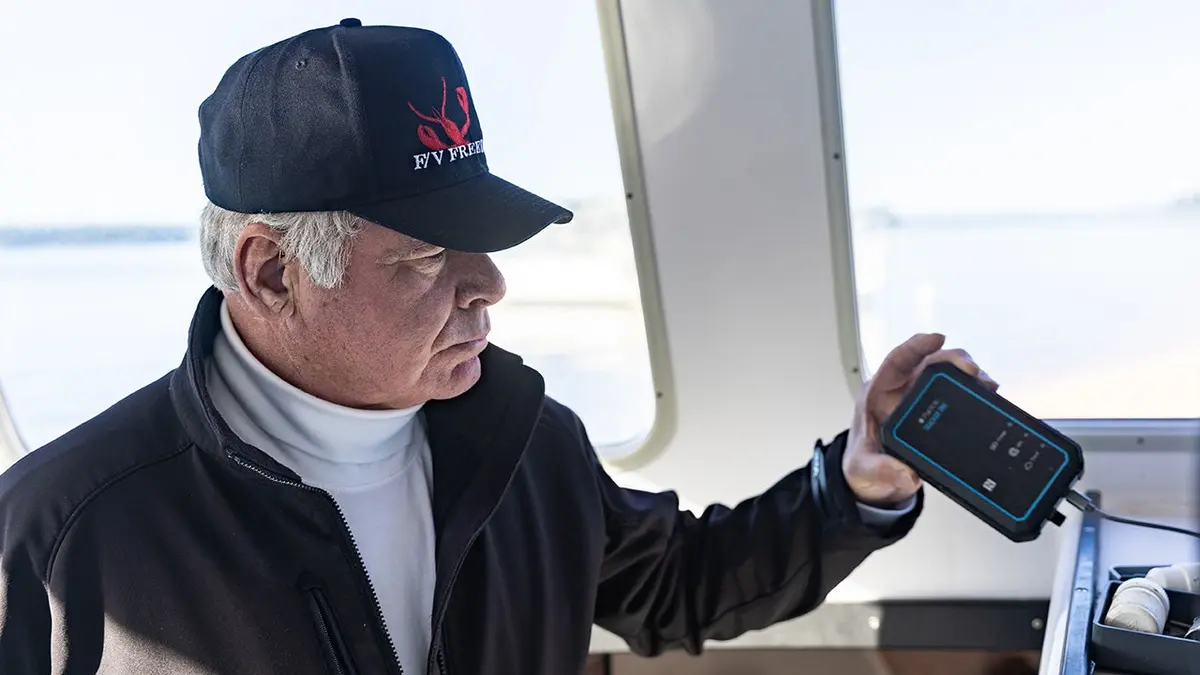
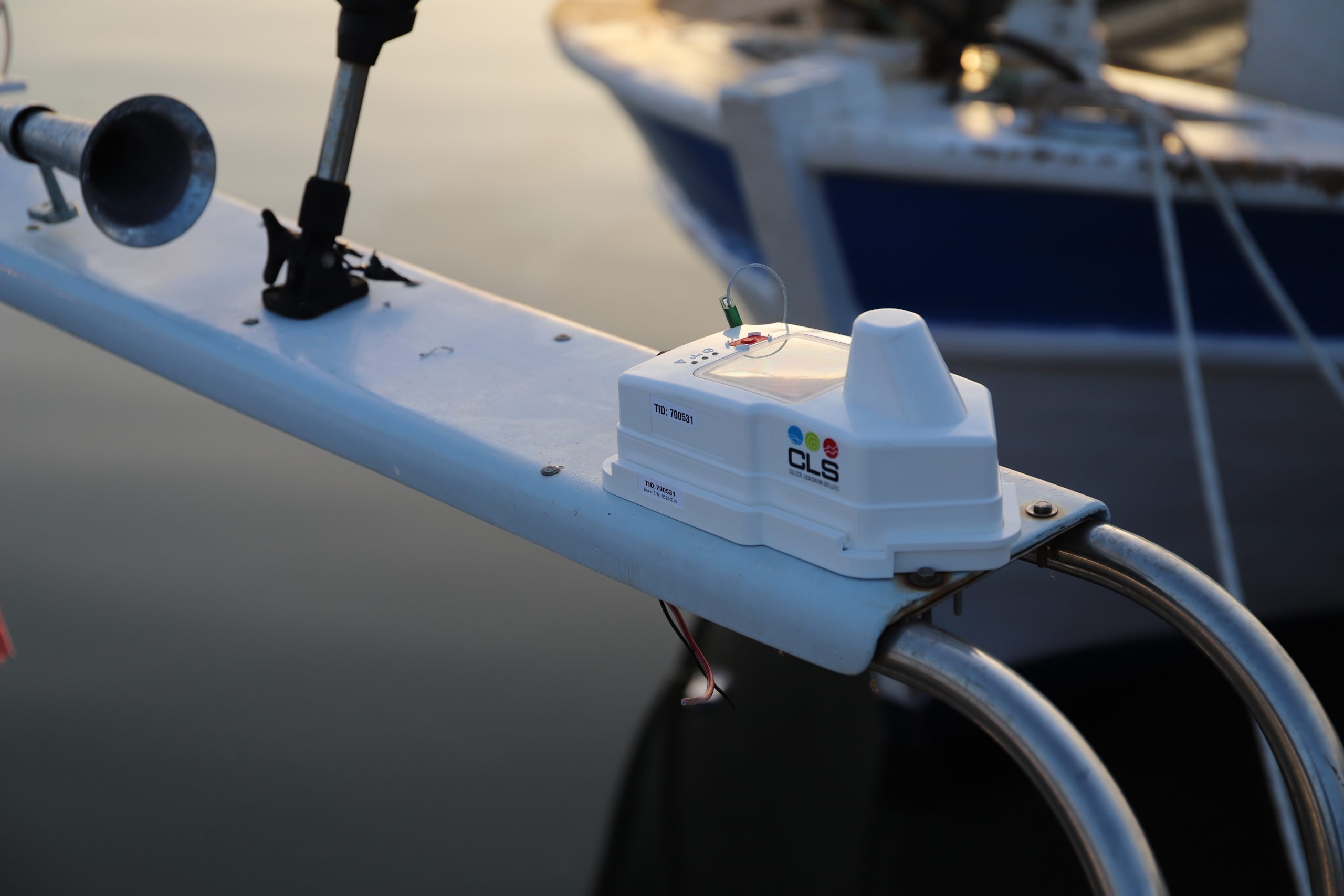
The mandate requires a small electronic box to be installed aboard federally licensed lobster boats in Maine.
The Maine Department of Marine Resources says the devices collect a boat’s location once per minute while the vessel is moving and every six hours while docked.
Thompson says the collection does not stop when the workday ends. He says the device captures data even when he uses the boat for personal trips, such as traveling back to the mainland or taking his family out.
Why he calls it unconstitutional
Thompson frames the issue in personal terms and constitutional ones. “This is totally against the Fourth Amendment, and somebody’s got to hear it one way or another,” he said. “This black box that they’re putting aboard the boat is not legal, in my mind, and I’m not a criminal.”
He says the constant tracking creates a lingering sense of exposure. Whether he is working or not, he said the device gives him “a creepy feeling” about who has his information and who is possibly watching.
“Freedom is gone. What else can they do to us?” he said.
How it became a Fourth Amendment case
Shortly after the mandate took effect, Thompson and four other lobstermen filed a federal lawsuit, arguing the device subjected them to tracking they never consented to.
Matthew Gilliam, Thompson’s attorney at Pacific Legal Foundation, said lobstermen must carry the trackers “as a condition of earning a living and keeping their lobster license,” and he argued the mandate infringes on Fourth Amendment rights “because it was warrantless.”
“That forced trespass was a violation of the Fourth Amendment because it’s an unreasonable search and seizure,” Gilliam said.
What the courts did
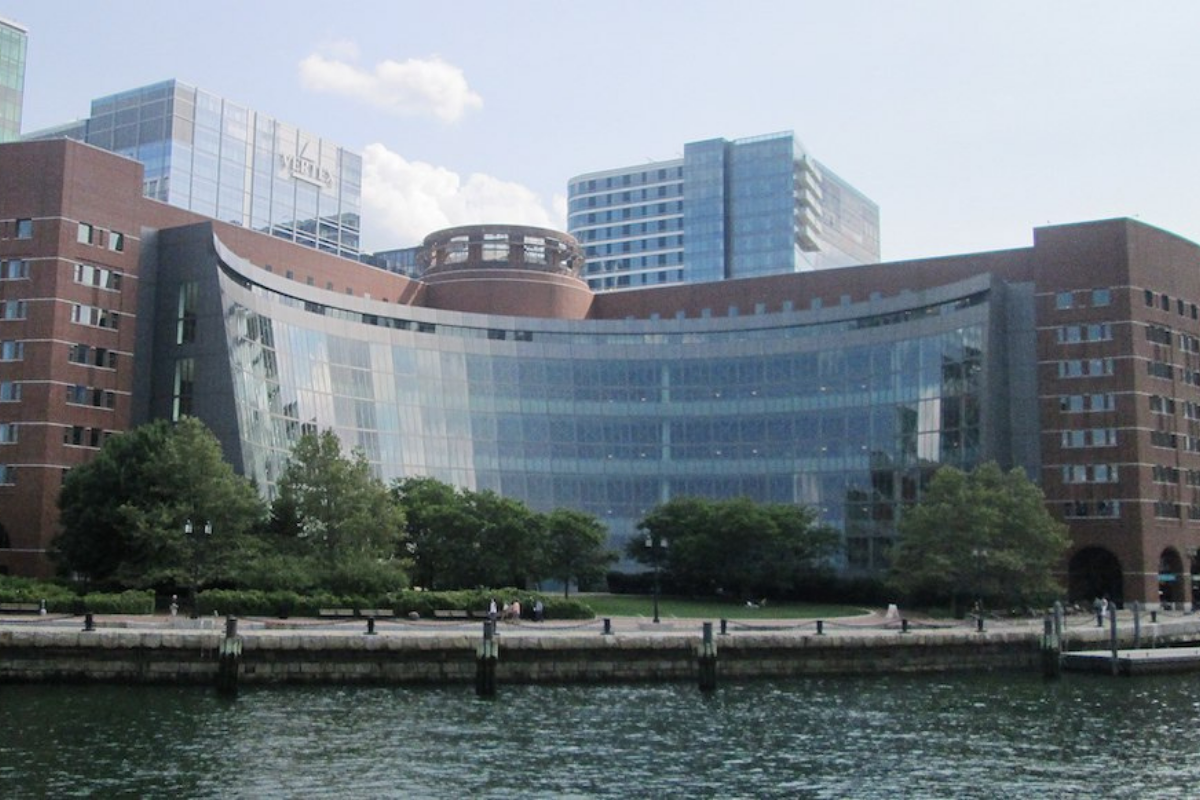
A federal judge dismissed the case. The U.S. Court of Appeals for the First Circuit upheld that decision, finding the tracking requirement did not violate the Fourth Amendment under an exception for closely regulated industries.
On Monday, the Supreme Court declined to hear Thompson’s challenge, leaving the First Circuit ruling in place.
Thompson said he was out fishing when one of his sons texted him about the decision. “I just told myself, I said, ‘Well, it ain’t over yet,’” he said.
Why whales are part of this
Maine DMR implemented the rule in 2023 at the direction of the Atlantic States Marine Fisheries Commission. State officials and conservationists have backed the mandate as necessary to protect endangered North Atlantic right whales, monitor lobster populations and sustain the industry for years to come.
Thompson disputes the premise. “They’re bringing it up because it’s for the whales,” he said. “Well, the government’s lying through their teeth like they always do, and I’m not a criminal.”
After Monday’s decision, Maine DMR Commissioner Carl Wilson defended the requirement in a statement: “DMR continues to believe this data collection requirement is critically important to the long-term sustainability of the lobster fishery and resource.”
Why other industries care
Thompson says the privacy concerns do not stop at the shoreline. The American Farm Bureau Federation, which represents farmers and ranchers, supported his Supreme Court appeal and filed an amicus brief arguing the lower court’s reasoning could weaken Fourth Amendment protections for farmers, ranchers and others in regulated industries.
Thompson offered a comparison from daily life: “Everybody’s got cell phones, they can track us if they want to. But put a black box on a tractor, seeing how many days that he’s out in the field or whatever, it’s just, the independence is gone.”
This is where my own worry kicks in. A court label like “closely regulated” can start to sound less like a category and more like a permission slip. Not because the Constitution changes, but because the practical boundary around it can feel thinner for people whose jobs come with constant oversight.
What happens next
Thompson says he still wants answers about why lobstermen are being treated like they have done something wrong. “We’re just out there making a living and we’re taking good care of the resource,” he said. “You can’t believe the steps that we’ve done to take care of it and we don’t get credit for nothing.”
He warned that expanding regulations across different fisheries could “ruin us.” “People just don’t think before they react to it,” he said. “All these rules and regulations and it’s taking away a lifestyle of generations of freedom.”
As for the tracking requirement itself, Thompson said he will continue to work with his lawyers to try to remove it. “I’m fighting for everybody, not just myself,” he said. “I’m just fighting for freedom for everybody.”
Gilliam echoed that broader point: “Lobstermen and others have Fourth Amendment protections and we’ll continue fighting against government overreach.”
Conservation Law Foundation Associate Attorney Sarah Shahabi, whose organization supported the tracking requirement during the First Circuit appeal, praised Monday’s decision in a press release: “This decision is a valuable step toward appropriately managing this iconic species.”