In a country built on divided sovereignty, the hardest questions are often not about what we should do, but who gets to do it.
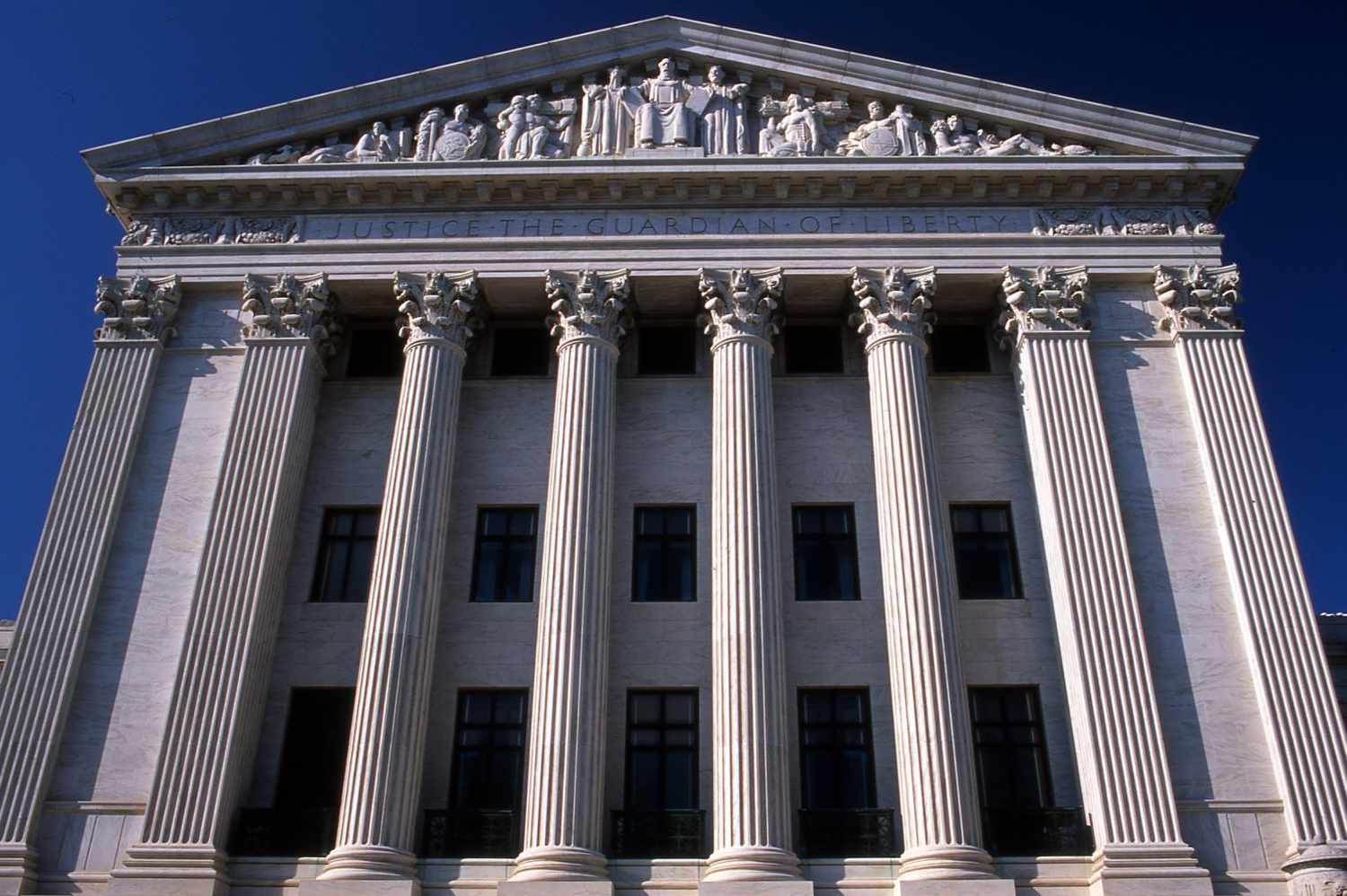
That is the constitutional engine under a high-stakes fight now before the Supreme Court: whether states and cities can use their own courts to seek massive damages from oil producers for the effects of global climate change, or whether federal law leaves no room for that approach.
On Monday, the justices sounded wary of the state-by-state strategy. Several suggested that these local and state claims may be blocked by the federal Clean Air Act, putting a familiar federalism question at the center of an unusually far-reaching set of cases.
Join the Discussion
What the suits seek
California and nearly three dozen states and municipalities have filed claims against oil companies seeking to hold them financially responsible for climate-related harms.
Beyond that headline, the litigation is sprawling. Different governments are pursuing their claims in different places, rather than in a single unified national case.
Who is involved
A list maintained in an archive of climate accountability lawsuits identifies states and territories that have initiated or joined these legal actions as including: California, Colorado, Connecticut, Delaware, the District of Columbia, Hawaii, Illinois, Kansas, Maine, Maryland, Massachusetts, Michigan, Minnesota, New Jersey, New York, Oregon, Pennsylvania, Puerto Rico, Rhode Island, South Carolina, Vermont, and Washington.
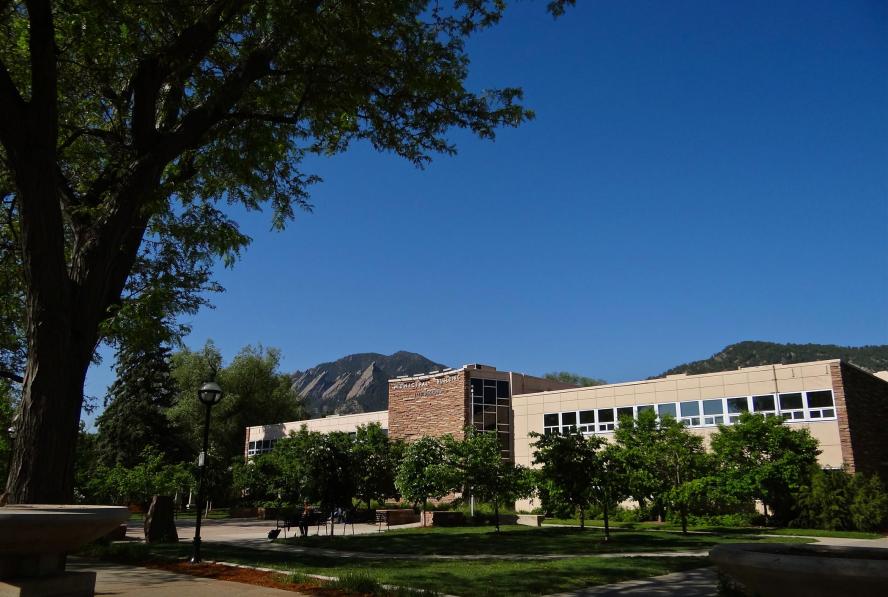
That same list describes prominent local-government examples as including Boulder (and Boulder County) in Colorado; Baltimore in Maryland; Honolulu in Hawaii; and Imperial Beach in California, along with other municipal and county entities.
The core legal tension
At the Supreme Court, the key issue is not a broad referendum on climate policy. It is a question about legal authority and boundaries.
Several justices suggested on Monday that the Clean Air Act may block these state and local claims. In practical terms, that skepticism reflects a concern about using state-by-state lawsuits to impose huge damage verdicts on energy producers for the effects of global climate change, even as federal law sets a nationwide framework in this area.
Why federalism is at the center
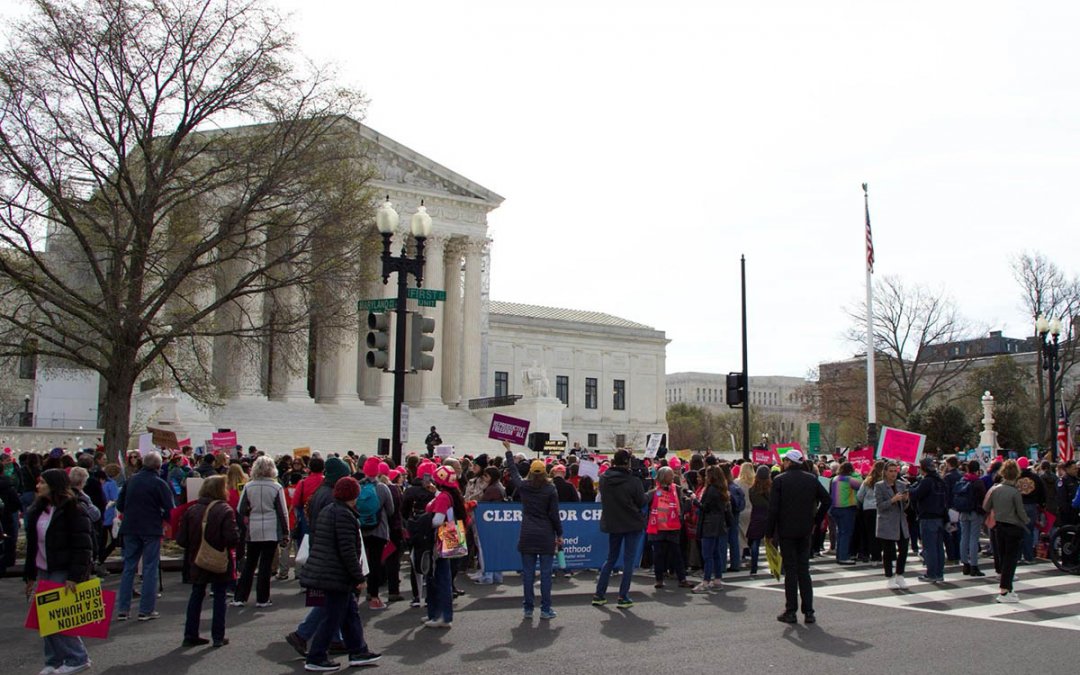
Federalism gives states real power, including the ability to run their own court systems. But it also recognizes a basic reality: some disputes spill across borders, and Congress can set national rules that limit what states may do in that space.
The justices' reaction on Monday suggests they are taking that boundary seriously here. If the Clean Air Act is read to foreclose these claims, it would mean states and cities cannot use their own lawsuits to pursue climate-change damages from oil producers in the way these cases attempt to do.
What to watch next
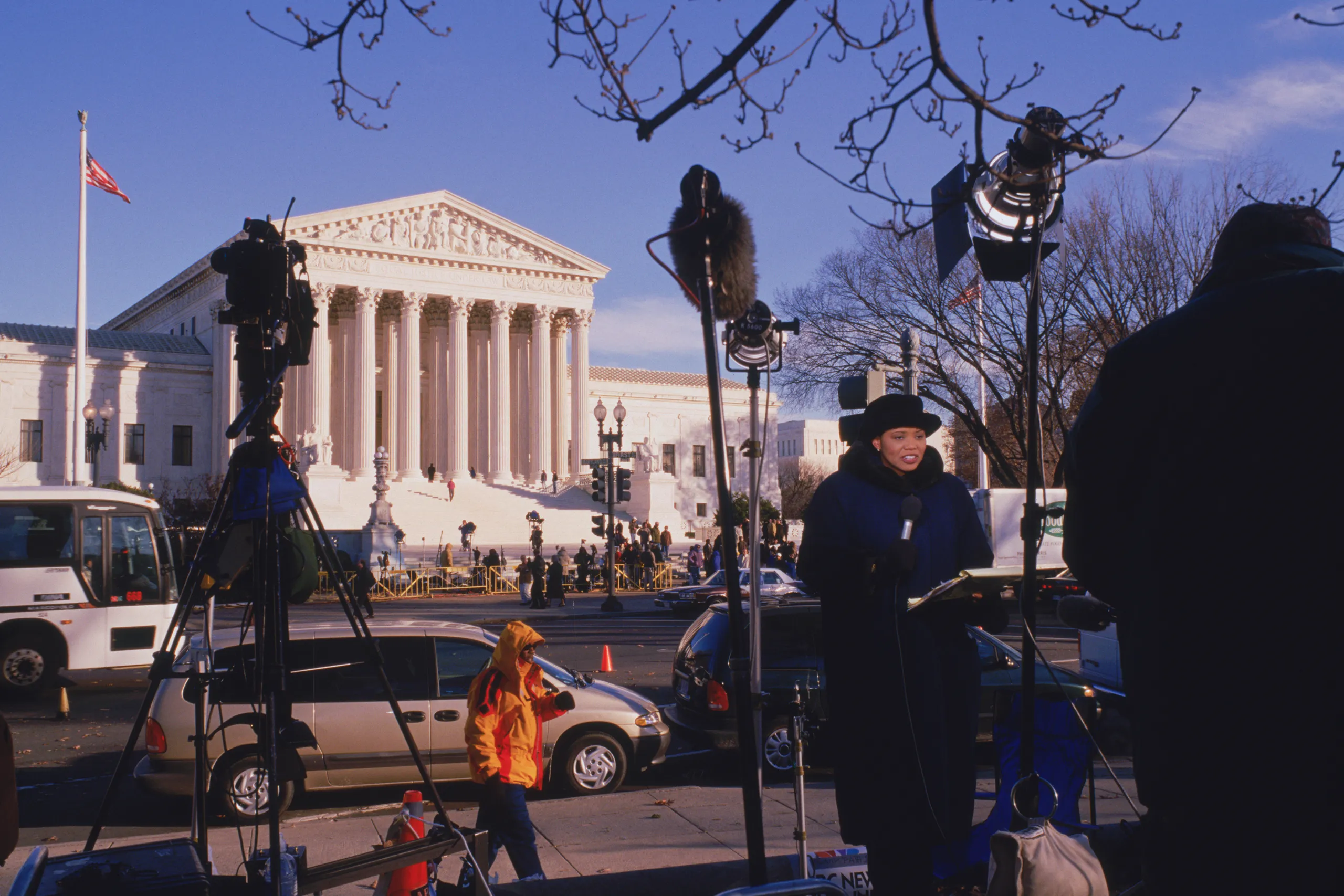
The next question is where the Court lands on the Clean Air Act issue the justices raised on Monday. The Court's concern was clear: it sounded wary of a state-by-state wave of climate-change damages suits aimed at the same industry, and several justices indicated those claims may be blocked by federal law.
However the Court rules, the decision will help define how much room state and local governments have to pursue these cases in their own courts, and how firmly federal law sets the outer limits.