
A new lawsuit filed in federal court in Washington, D.C., is challenging the Trump administration’s efforts to collect and analyze voter data from across the country. The complaint alleges the Department of Homeland Security obtained voter files from at least 47 states, then handled the information in ways the plaintiffs say violate federal law.
At the center of the case is what the lawsuit describes as a secretive probe that includes a policy to combine voter data with commercial datasets. The plaintiffs say the approach ignores federal safeguards and the privacy rights of millions of Americans.
The suit asks a court to declare the collection illegal, block the challenged DHS policy, and require deletion of the voter information already obtained.
Join the Discussion
What the lawsuit alleges
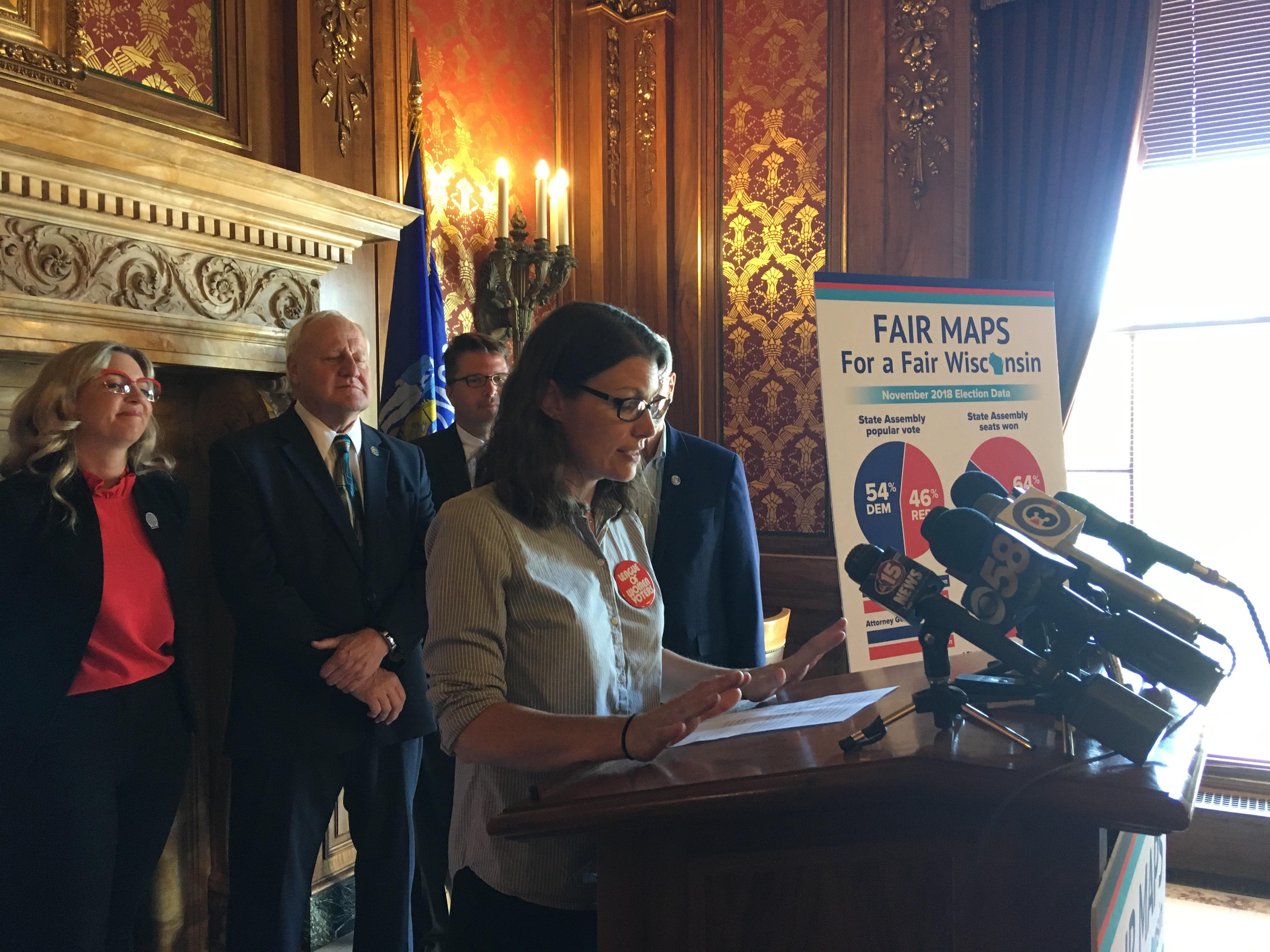
The lawsuit was brought by the League of Women Voters, the Electronic Privacy Information Center, and the League of United Latin American Citizens.
The complaint alleges DHS obtained voter files from at least 47 states as part of an effort to collect and analyze voter data nationwide. It also alleges DHS maintained a policy to combine voter data with commercial datasets, which the plaintiffs say ignores federal safeguards and affects the privacy rights of millions of Americans.
The lawsuit also alleges the administration obtained and processed voter records even though officials in 30 states had previously refused federal demands to turn over voter information.
Why the fight is about authority
The lawsuit is the latest legal challenge tied to President Donald Trump’s efforts to combat noncitizen voting.
The president has purported repeatedly argued that noncitizen voting poses a serious threat to election integrity, although studies and prosecutions have found documented instances of noncitizens casting ballots to be rare.
The administration has repeatedly sought a greater federal role in voter eligibility and election administration, areas traditionally overseen primarily by states under the Constitution and federal law. Federal courts have repeatedly rejected administration efforts to compel states to turn over voter information.
Why commercial data matters
A central allegation is not just that DHS gathered voter files, but that it did so as part of a probe that included a policy to combine voter data with commercial datasets.
The plaintiffs say that approach ignores federal safeguards and implicates the privacy rights of millions of Americans. In other words, the lawsuit focuses on both collection and how the data is handled and analyzed after collection.
Timing before Election Day
The lawsuit was filed less than three weeks before Election Day, as the administration continues pressuring states and alleging they are not doing enough to purge noncitizens from their voter rolls.
California lawsuit filed the same day
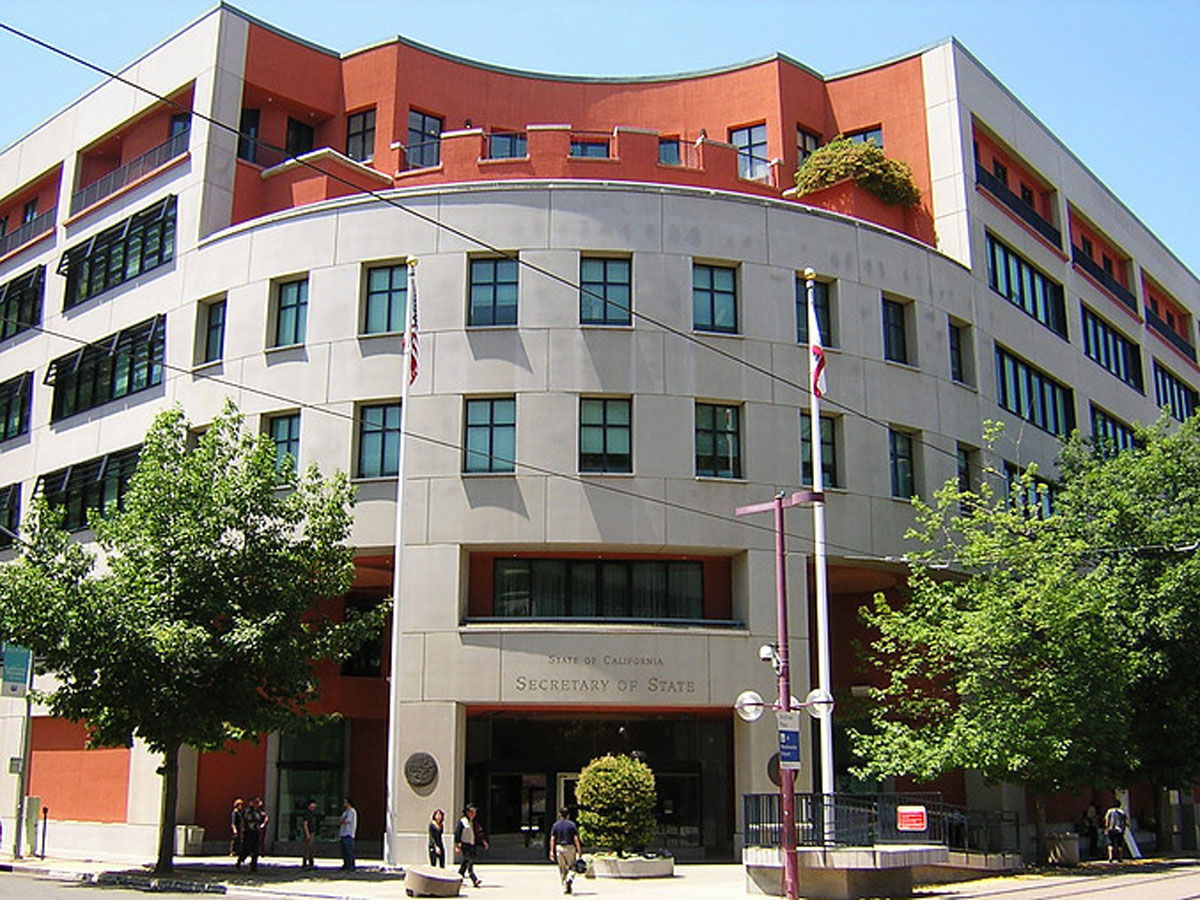
On the same day the voter-data lawsuit was filed, the administration sued California election officials, arguing they failed to act quickly enough to review names the federal government identified as “likely” noncitizens. The Justice Department asked a judge to block the state from counting mail-in ballots from those individuals unless their eligibility can be confirmed.
California’s secretary of state’s office said it was given only 48 hours to review roughly 20,000 names and said the federal government had not provided the underlying evidence or methodology supporting its claims.
The Justice Department’s lawsuit says U.S. Citizenship and Immigration Services conducted a “multiagency and multilevel review” and determined with “high confidence” that roughly 20,000 people on California’s voter rolls were likely noncitizens.
What the court is being asked to do
The plaintiffs are asking for three forms of relief:
- A declaration that the administration’s collection of voter data was illegal.
- An order blocking DHS’ policy challenged in the lawsuit.
- An order requiring DHS to delete and stop using the voter information it has already obtained.
DHS response
DHS did not immediately respond to a request for comment.
FAQ
Who filed the lawsuit?
The lawsuit was filed by the League of Women Voters, the Electronic Privacy Information Center, and the League of United Latin American Citizens.
What does it claim DHS collected?
The complaint alleges DHS obtained voter files from at least 47 states and processed the records in a way that violates federal law.
What policy does the lawsuit target?
The lawsuit highlights an alleged DHS policy to combine voter data with commercial datasets.
What does the lawsuit ask a judge to order?
The complaint asks the court to declare the collection illegal, block the policy, and order DHS to delete and stop using the voter information already obtained.