
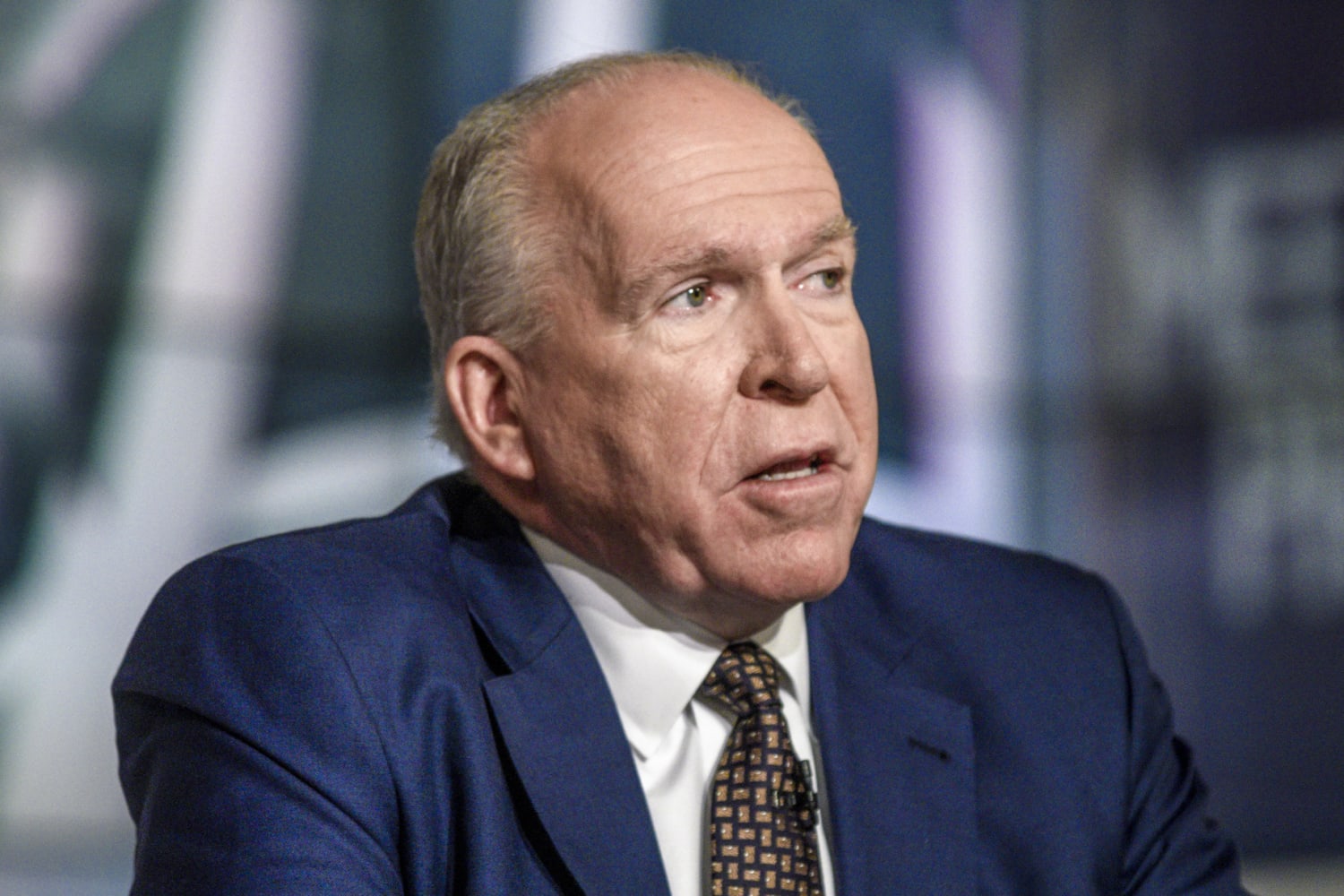
When a former senior official sues a sitting administration, most people assume the court is about to referee the underlying political fight. That is not what happened in John Brennan’s case.
A federal judge dismissed Brennan’s lawsuit against President Donald Trump and multiple top officials because of a problem that is both boring and foundational: standing. In constitutional law, standing is the gate. If you cannot get through it, the judge never reaches the merits.
The dismissal also came as Brennan remains a target in federal investigative activity involving grand juries. Those two realities can coexist because a civil suit and an investigation are separate tracks, with different standards and timelines.
Join the Discussion
What he sued over
Brennan filed a 46-page lawsuit on July 1, 2026, naming Trump as well as FBI Director Kash Patel, Attorney General Todd Blanche, CIA Director John Ratcliffe, and other officials.
The core request was not a declaration of innocence and not damages. Brennan wanted the court to step in now, before any charges exist, and force stronger preservation of materials he believes could matter later if he ever needs to defend himself in criminal court.
He pointed to categories of potentially ephemeral communications and records, including deleted social media posts, the use of Signal and other platforms with auto-delete functions, unpreserved texts and direct messages, AI queries, and Microsoft Teams chats. He also cited what he described as failures to preserve discovery in other matters, including the prosecution of Rep. LaMonica McIver.
His broader concern was that missing records could make it harder to evaluate whether the investigations were driven by legitimate law enforcement interests or political retaliation.
The judge’s key finding
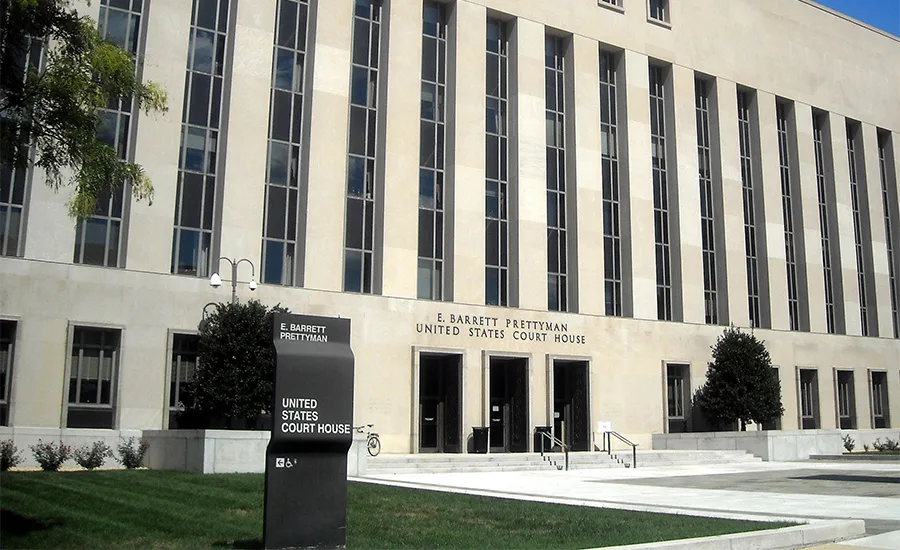
Judge Jia Cobb, a Biden appointee, did not brush off Brennan’s allegations. She called his claim that the administration was targeting him for opposing the president “deeply concerning.” But concern is not jurisdiction.
The judge dismissed the case because Brennan did not show a concrete, imminent injury that a federal court is permitted to remedy right now. She ruled that his concerns about the potential destruction of evidence needed for a future criminal defense were too “speculative.”
As Cobb put it, “For Brennan’s constitutional injury to actually accrue, a series of dominoes must fall, and Defendants’ deletion of records is just one of those dominoes.” She added, “There is no dispute about this: Defendants describe this domino chain in their motion to dismiss ... and Brennan accepts it in his response.”
In other words, the feared harm depended on several events that had not yet occurred, and the court treated that chain of contingencies as too uncertain to support standing.
What prosecutors are looking at
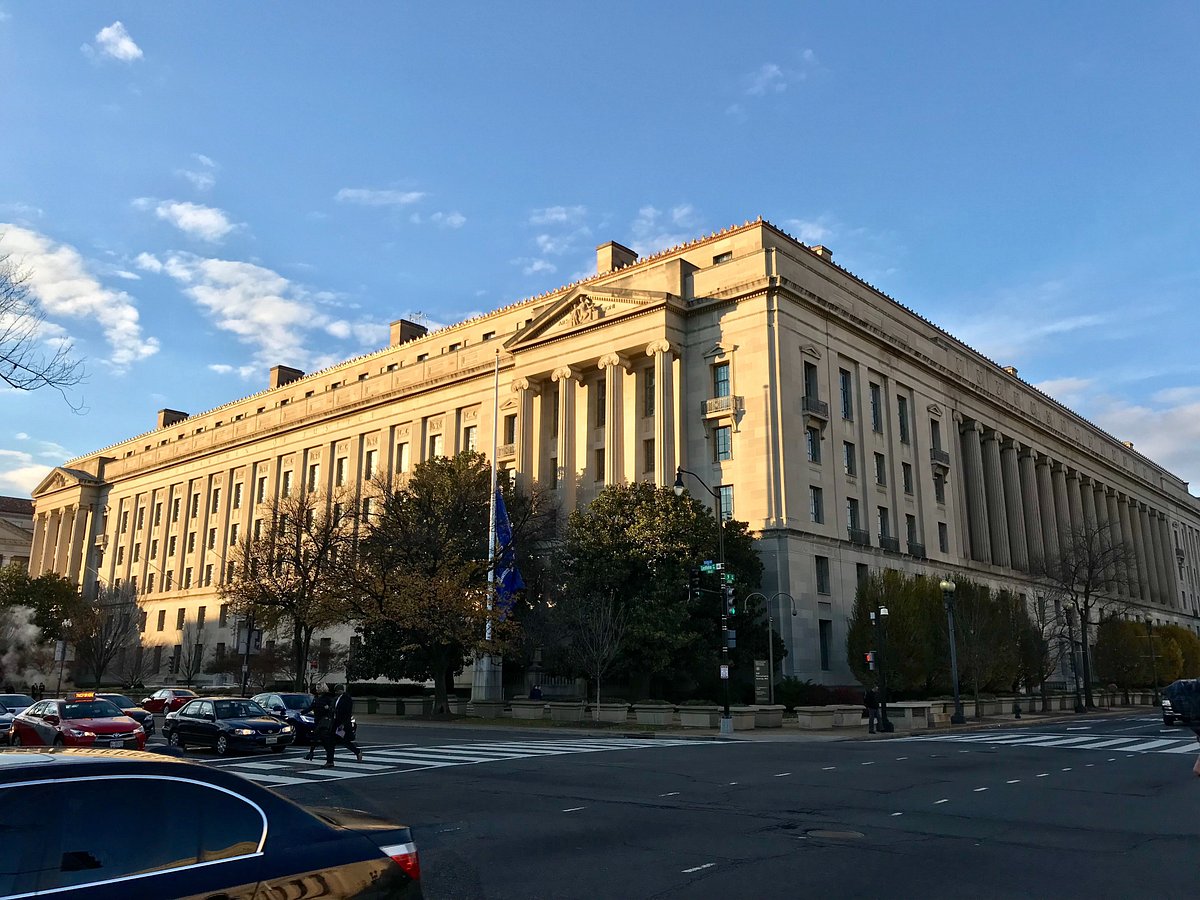
The dismissal comes as Brennan faces two federal investigations.
One is a Justice Department probe into whether former intelligence officials conspired to violate Trump’s civil rights through investigations into alleged ties between his 2016 presidential campaign and Russia.
A separate investigation is examining whether Brennan made false statements during 2023 congressional testimony about the Steele dossier’s role in a 2017 intelligence assessment of Russian interference in the presidential election.
Trump has repeatedly accused Brennan, former President Barack Obama and other former intelligence officials of orchestrating the “Russia collusion hoax,” and they have rejected those accusations, arguing that the administration is trying to discredit legitimate intelligence findings about Russian interference in the 2016 election.
Why probes can continue
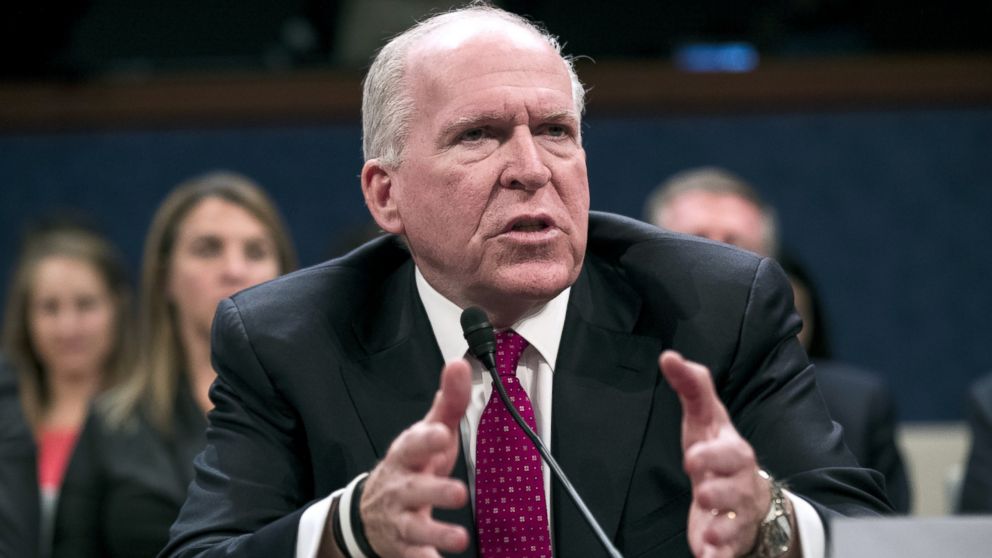
A civil dismissal for lack of standing does not shut down federal investigators. It does not declare the investigation lawful or unlawful. It simply says the plaintiff is not entitled to have this court decide this dispute right now.
In Brennan’s situation, he has been identified as a target in two federal investigations that have involved three grand jury inquiries, two in the Southern District of Florida and one in Washington, D.C. He has not been charged. He was subpoenaed to testify before a federal grand jury in Fort Pierce, Florida, on Oct. 15, though that appearance was postponed.
What the suit alleged
The complaint described what Brennan characterized as “unprecedented, irregular conduct” within the Justice Department that was driven by what he called the “president’s retribution agenda.”
It cited the removal of DOJ prosecutor Maria Medetis Long from the Brennan investigation in April 2026 after she expressed doubts about the strength of the case, and her replacement by Joseph diGenova, who later resigned amid reported internal disagreements.
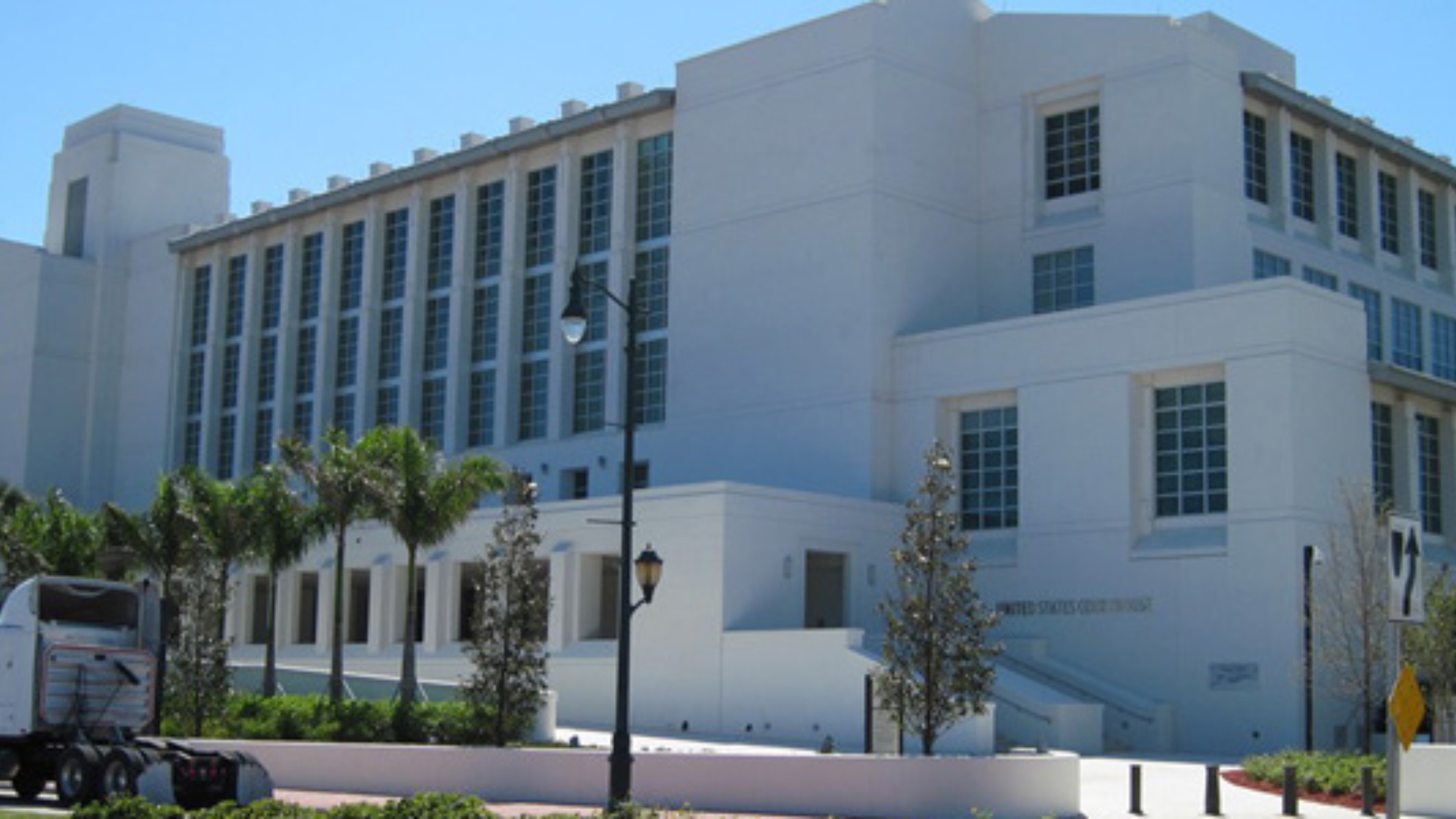
Brennan’s attorneys also accused the department of trying to steer grand jury proceedings toward Trump-appointed Judge Aileen Cannon in Fort Pierce rather than allowing normal assignment, and questioned why Florida was the chosen venue when much of the conduct at issue occurred in Washington, D.C.
The complaint also accused DOJ and FBI leaders of improperly discussing details of the investigations publicly. It cited Blanche’s statement that DOJ had issued “200 grand jury subpoenas” and was investigating a “pattern of behavior” to “destroy” Trump, as well as Patel’s public discussion of the investigations and targets.
Why it still matters
It is tempting to read “dismissed” as “cleared.” That is not what this procedural outcome means. A standing dismissal says nothing definitive about whether an investigation is justified, whether officials preserved every relevant record, or whether any future prosecution would be proper.
What it does show is how difficult it can be to get a court to intervene early, before any criminal case exists, based on a feared future loss of evidence. Judge Cobb’s ruling turned on timing and uncertainty, not on a final judgment about the underlying accusations Brennan raised.
Quick answers
Why was the lawsuit dismissed?
Because the court held he lacked standing. Judge Cobb ruled that his concerns about future evidence destruction were too speculative and depended on a chain of events that had not occurred.
What was the one key problem?
Standing, specifically the absence of a concrete, imminent injury. Judge Cobb described the feared injury as a series of “dominoes” that might never fall.
Can grand juries keep investigating?
Yes. The dismissal does not terminate or restrict grand jury proceedings. It only ends that particular civil case in that court.
Has Brennan been charged?
No. He has been identified as a target in two federal investigations involving three grand jury inquiries, but he has not been charged with a crime.