
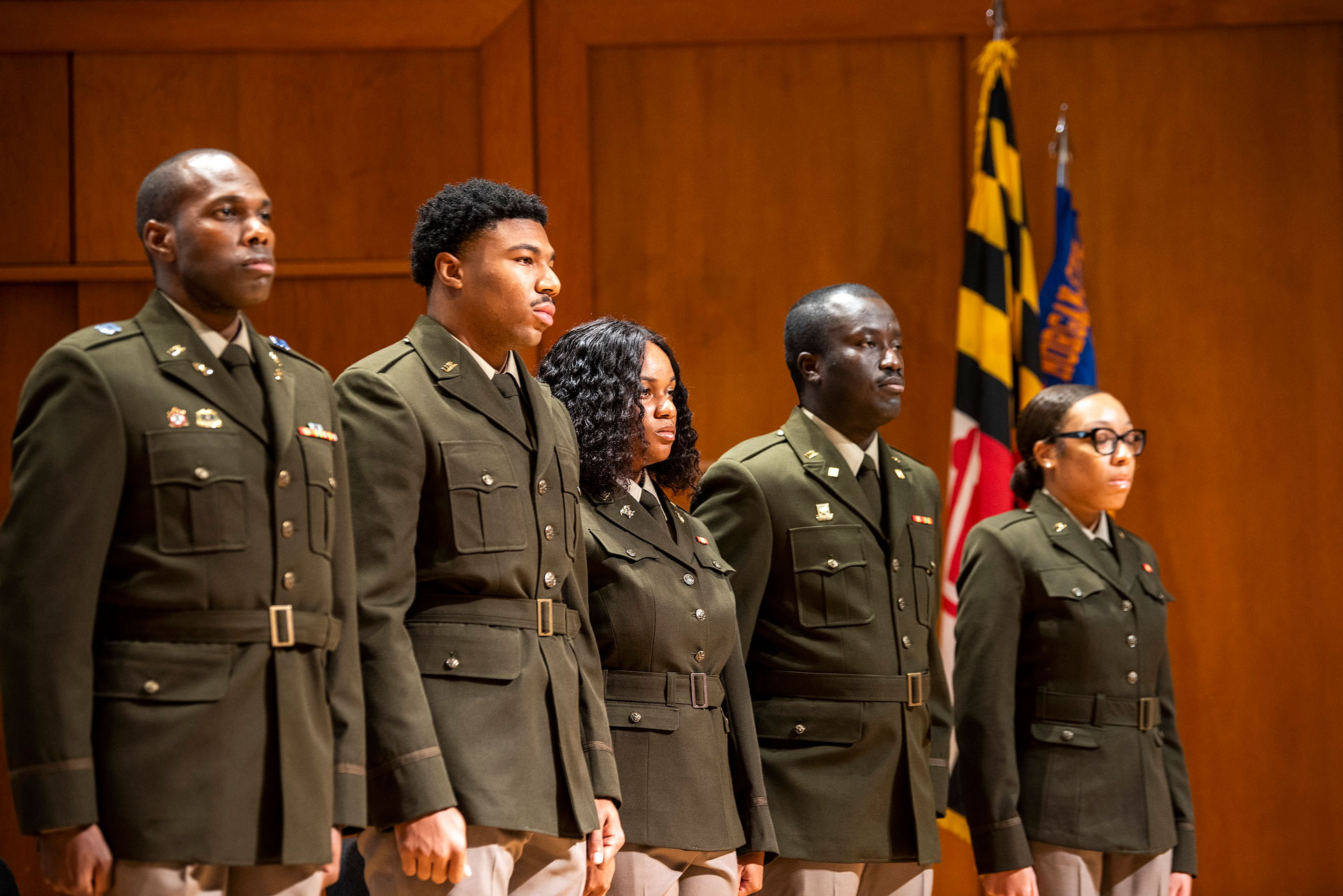
Missing a paycheck is not an abstract policy problem. It is rent. It is child care. It is a credit score. And when the employer is the federal government, the power imbalance is baked in. You cannot exactly threaten to take your labor elsewhere when you are a reservist with orders in one hand and a federal badge in the other.
That is the pressure point behind a new wave of claims from Army and Navy reservists who also hold federal civilian jobs. They say the government has withheld money that Congress required and the Supreme Court has already clarified. The harder question is the one civics class always circles back to: when Washington is late or wrong, what real protections exist and who enforces them?
Join the Discussion
The dispute in plain English
Five current and former federal employees who serve as reservists have filed a complaint at the Merit Systems Protection Board (MSPB), the forum Congress created to hear many federal workplace disputes. The case is captioned Jaudon v. Department of Defense and was filed on Sept. 23.
The named complainants are Shea Matthew Gibbons, Lacy Jaudon, Bryce Miller, John Mezzanotte, and Shahara Timbrook. Their civilian roles span multiple agencies, including the Defense Department, the Justice Department, and the Department of Veterans Affairs.
The money they say they are owed is not combat pay, not a reenlistment bonus, and not a special “thank you” check. It is something far more bureaucratic, and for that reason, easier to quietly mishandle.
What differential pay is
Reservist differential pay is designed to plug a specific hole. A federal civilian employee gets called to active duty. Military pay for that period can be lower than the employee’s civilian salary. Congress decided that for certain kinds of active duty service, the employee should not take a pay cut for answering the call.
So the government pays the difference between the two rates. It is a make-whole mechanism, not a windfall. The underlying authority comes from a statute enacted in March 2009, now codified at 5 U.S.C. § 5538.
If you want the idea in one sentence: the country should not incentivize public servants to avoid military orders because the mortgage does not care about patriotic slogans.
The Supreme Court ruling
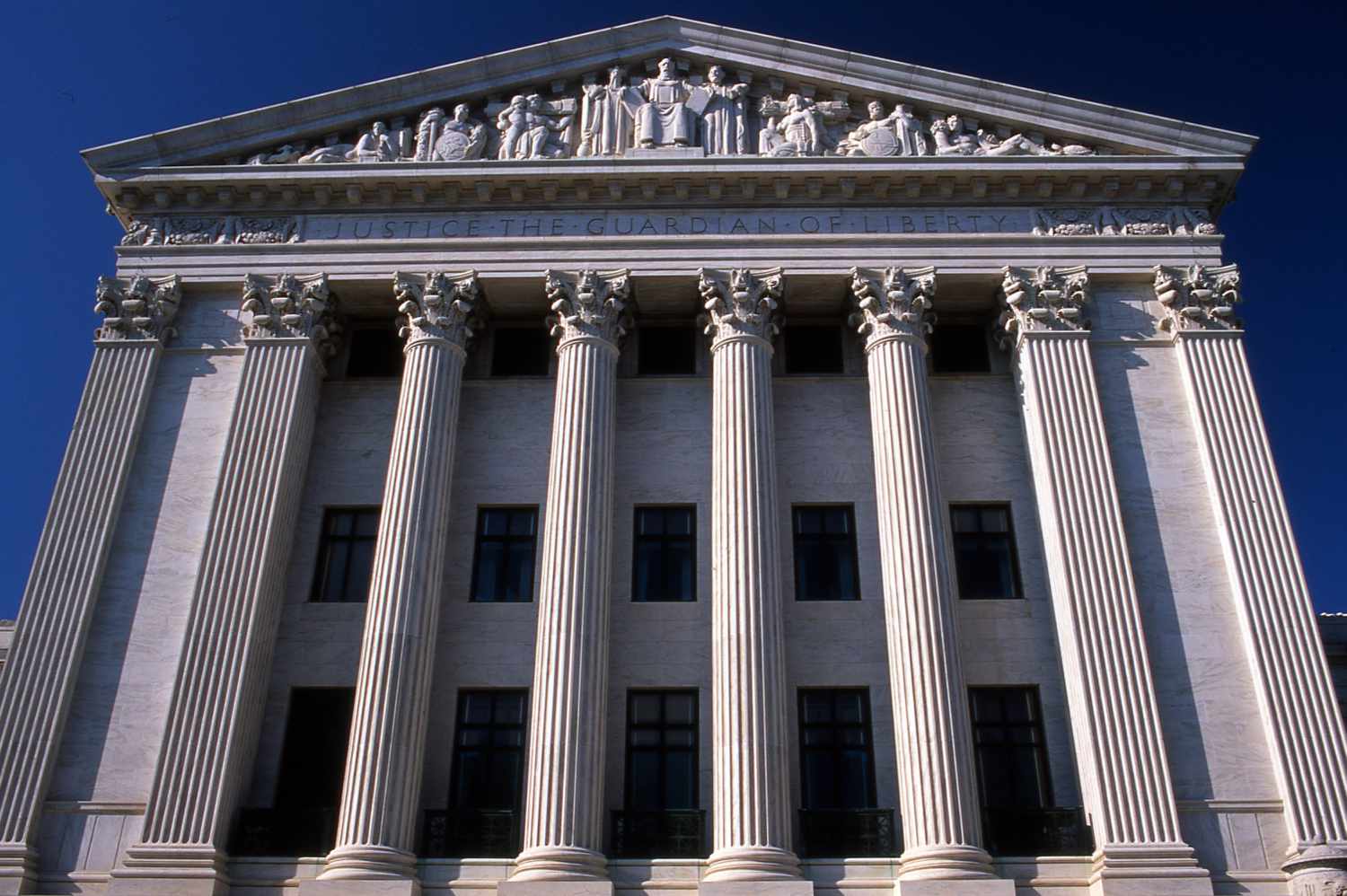
On April 30, 2025, the Supreme Court decided Feliciano v. Department of Transportation by a 5-4 vote. The case involved Nick Feliciano, an air traffic controller with the Federal Aviation Administration and a Coast Guard reservist who was denied differential pay.
The key legal fight was over what it means for a reservist to be called to active duty “during” a national emergency. The government urged a narrower reading, arguing that a reservist had to show a meaningful connection between the particular service and a particular emergency.
The Court rejected that narrowing move. Writing for the majority, Justice Neil Gorsuch explained the overlap is temporal. If the active duty and the national emergency coincide in time, the statutory condition is satisfied.
That might sound technical. It is not. It is the difference between a right that is predictable and a right that depends on your agency’s willingness to concede the point.
Why payments are still missed
This is where constitutional civics meets administrative reality. A Supreme Court opinion can clarify what the law means, but it does not automatically rewrite every federal website, payroll system, and internal policy memo that has been operating under the old interpretation.
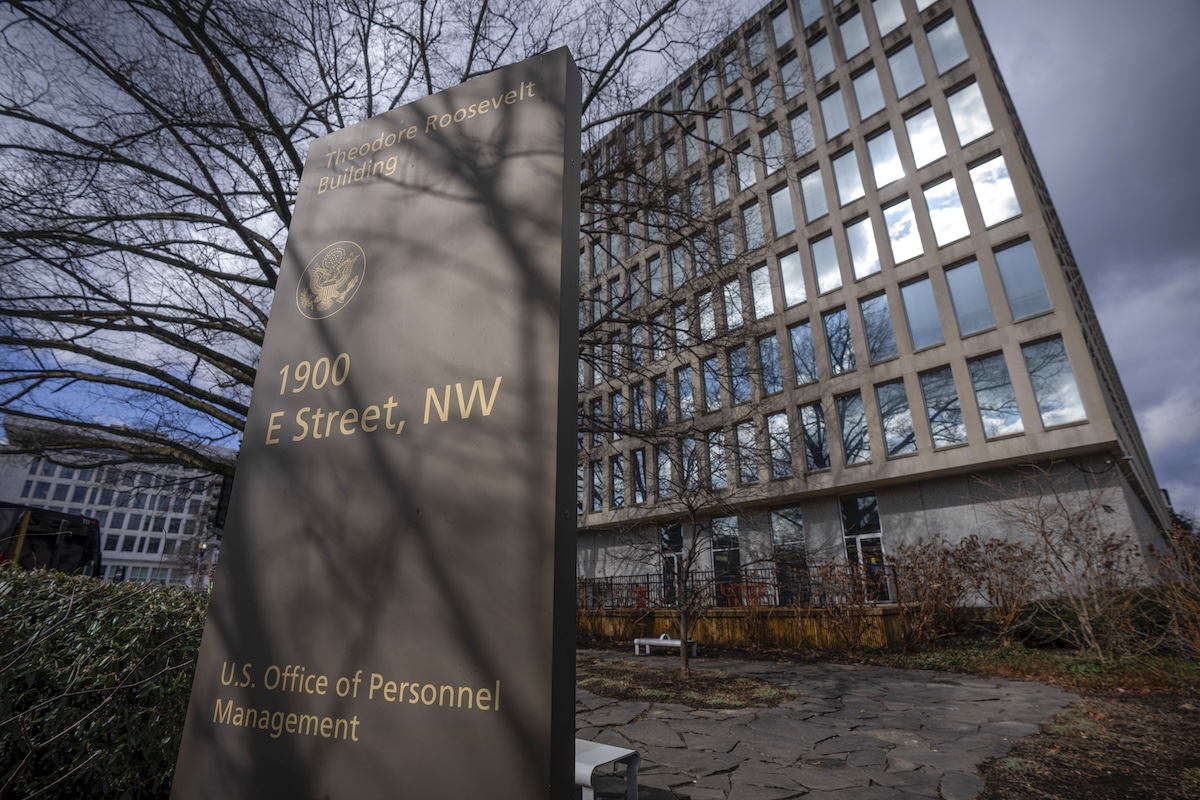
In these disputes, one flashpoint has been the federal personnel guidance available through the Office of Personnel Management (OPM). More than a year after Feliciano, public-facing guidance has still reflected the narrower interpretation the Court rejected, including statements about voluntary active duty under 10 U.S.C. § 12301(d), the category of service at issue in Feliciano.
Section 5538 specifically assigns OPM, in consultation with the Defense Department, responsibility for regulations implementing the differential pay framework. When that machinery lags, employees can win in principle and still lose in practice, at least temporarily.
Attorney Andrew Tutt, who represents the reservists bringing the MSPB complaint, put it bluntly: “The Supreme Court could not have been clearer: these men and women earned this pay, and the law requires the government to make them whole.”
What legal protections exist
1) There is a statute, not just a promise
For the reservist differential itself, the strongest protection is simple: it is in the U.S. Code. Agencies do not get to treat it like a “nice to have” benefit when budgets are tight.
2) A Supreme Court ruling helps, but it is not self-executing payroll
Feliciano tells agencies and reviewing bodies what the law means. It does not cut the check. Someone still has to apply the ruling across real cases, with real timecards, real leave codes, and real disputes over whether a particular duty status qualifies.
3) The forum matters, because time limits matter
Some reservists have pursued claims in the U.S. Court of Federal Claims. In Platero v. United States, that court certified a class in March, but a six-year statute of limitations limits how far back the claims can reach, with the class window tied to claims dating to May 2019.
The MSPB complaint takes a different route, leaning on the Uniformed Services Employment and Reemployment Rights Act (USERRA). The complainants argue that USERRA carries no filing deadline, and that the MSPB can therefore reach back further than the Court of Federal Claims could under its usual limitations rules. Whether the MSPB accepts that theory is still an open question, but it illustrates a lesson I used to drill into my students: procedure is power.
4) Back pay is possible, but “damages for indignity” usually are not
In most federal pay disputes, the realistic remedy is the money that should have been paid, plus whatever interest or adjustments the governing scheme allows. The system is designed to correct the payroll error, not to punish the sovereign for causing stress. That is not morally satisfying, but it is how sovereign immunity and remedial statutes tend to operate.
What to do if you are owed pay
Document the overlap. The heart of Feliciano is timing. Keep orders, leave and earnings statements (LES), civilian pay stubs, and dates of the national emergency period you believe applies.
Use the agency process early. Many disputes can be resolved if the payroll office correctly codes the period of active duty and reruns the calculation. Escalation is slower and harder after the fact.
Watch the calendar anyway. Even when a law is argued to have no filing deadline, other deadlines can creep in through related procedures, appeal windows, or forum-specific rules.
Know your lane: USERRA, MSPB, or Court of Federal Claims. The same underlying harm can have multiple legal doors. The right door depends on the claim type and how far back you need to go.
None of this is legal advice, but it is civic advice: when the government owes you money, you need facts, dates, and paper.
The bigger civics question
The Constitution does not contain a “Pay the reservists on time” clause. What it contains is structure. Congress writes the rules of compensation. Executive agencies administer them. Courts interpret disputes. And somewhere in that triangle sits a citizen who served under orders and still has to argue for what the law already says.
If this episode tells us anything, it is that rights are only as real as the institutions that operationalize them. The Supreme Court can win you clarity. Congress can win you a statute. But only competent administration wins you a paycheck on Friday.