
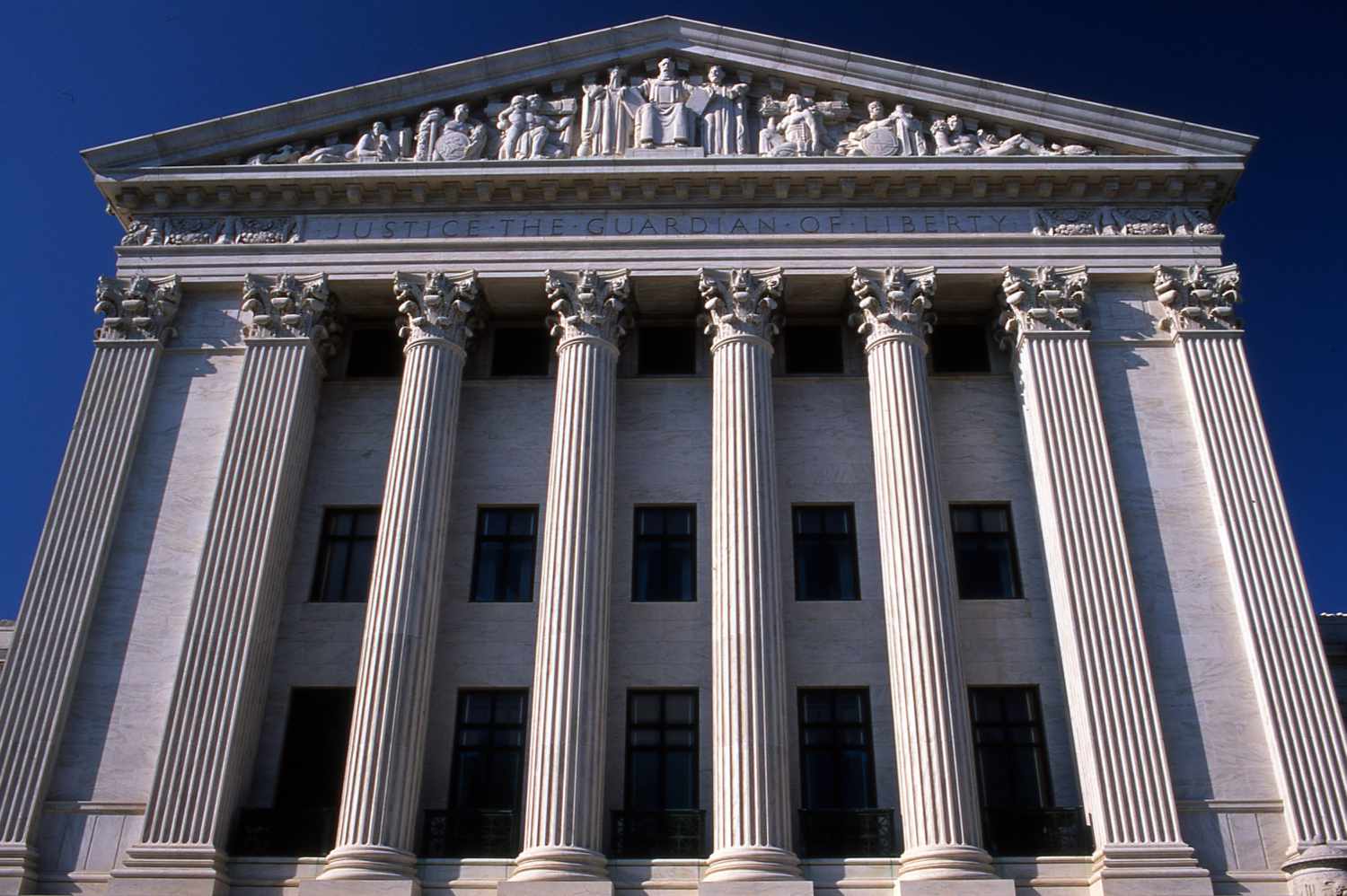
When a campaign says it is being “priced out” of television, that is not just a fundraising complaint. It is a regulatory question with constitutional stakes, because the federal government has long treated broadcast airwaves as a scarce public resource and built rules around who gets access, when, and at what price.
This explainer looks at the legal fight over broadcast ad rates, a debate that turns on a deceptively technical phrase in federal law: the lowest unit rate. The practical stakes are real. In the weeks before an election, small changes in what broadcasters must charge can shift millions of dollars in ad spending and, more importantly, who can afford to be heard.
Join the Discussion
What courts and the FCC do

The “lowest unit rate” requirement is a longstanding part of federal broadcast law, administered by the Federal Communications Commission (FCC). Most of the day-to-day action happens through station compliance, campaign negotiations, and FCC complaints rather than through headline Supreme Court rulings.
When disputes do land in front of regulators or judges, they usually turn on enforcement details: who qualifies as a legally qualified candidate, what counts as the same “class of time,” how to treat package discounts and makegoods, and what remedies are available if a station’s pricing practices do not match what the statute requires.
Courts matter, but typically in a narrower way. They review FCC decisions, interpret the statutory terms Congress wrote, and police the boundaries of agency authority. In many cases, that path looks like an FCC complaint and decision first, followed by judicial review in a federal appeals court (often the D.C. Circuit), depending on the issue and posture of the case.
Why ad rates matter

Campaign ads are one of the few forms of political speech that still run headfirst into a pricing gatekeeper. If your message depends on reaching voters through local television, the question is not only what you want to say. It is whether you can afford the market price for airtime during the most watched programs, when rates can spike dramatically.
Congress’s response, dating back decades, was to give legally qualified candidates a form of pricing protection during the periods when campaigning is most intense. The goal is not to subsidize campaigns as such. It is to prevent the broadcast market from becoming a practical barrier to access where only the best-funded speakers can consistently buy the best time.
In other words, ad-rate rules are one of the places where election law tries to keep a basic constitutional promise intact: political speech should not become a luxury purchase.
Lowest unit rate, in plain English
The “lowest unit rate” rule does not require stations to charge candidates the cheapest ad price they offer at any time of year. It is narrower and more complicated.
During the statutory pre-election windows, a station must sell airtime to a legally qualified candidate at the lowest rate the station charges any advertiser for the same class of time and the same amount of time, during the same period and under comparable sales terms (including the kinds of discounts and package structures the station makes available).
- The windows are specific. For most races, the rule applies in the 45 days before a primary (including primary runoffs, where applicable) and the 60 days before a general election for that office.
- Same class of time matters because a fixed-position prime-time spot is not the same class as a preemptible or rotating spot.
- Same amount of time matters because a 30-second ad is priced differently than a 15-second ad.
- Same period matters because stations offer different packages and discounts as demand changes, especially close to Election Day.
This is why disputes happen. Two sides can agree on the words “lowest unit rate” and still fight about what counts as comparable. The closer you get to Election Day, the more money is riding on the comparison.
Who gets the discount
The pricing protection is aimed at candidates, not everyone who wants to influence an election.
That distinction is central to the modern campaign finance landscape:
- Candidate committees generally qualify for lowest unit rate during the statutory windows if the candidate is legally qualified in that jurisdiction and the ad is a candidate “use.”
- Outside groups like super PACs and many issue-advocacy organizations usually do not receive the same rate protections, even if their ads mention candidates, because the statute’s pricing right is tied to candidate purchases.
- “Use” is about appearance. A candidate “use” generally means the ad includes the candidate’s recognizable voice or image. Authorization and disclaimers matter for other legal reasons, but “use” itself is not defined by whether an outside group authorized the message.
One more definition often drives the real-world fights: legally qualified candidate. At a high level, it usually means the person has publicly announced, is eligible for the office, and has met ballot-access requirements (or made the required substantial showing for write-in status), so the station and the FCC are not forced to treat every would-be speaker as a candidate on demand.
The First Amendment angle
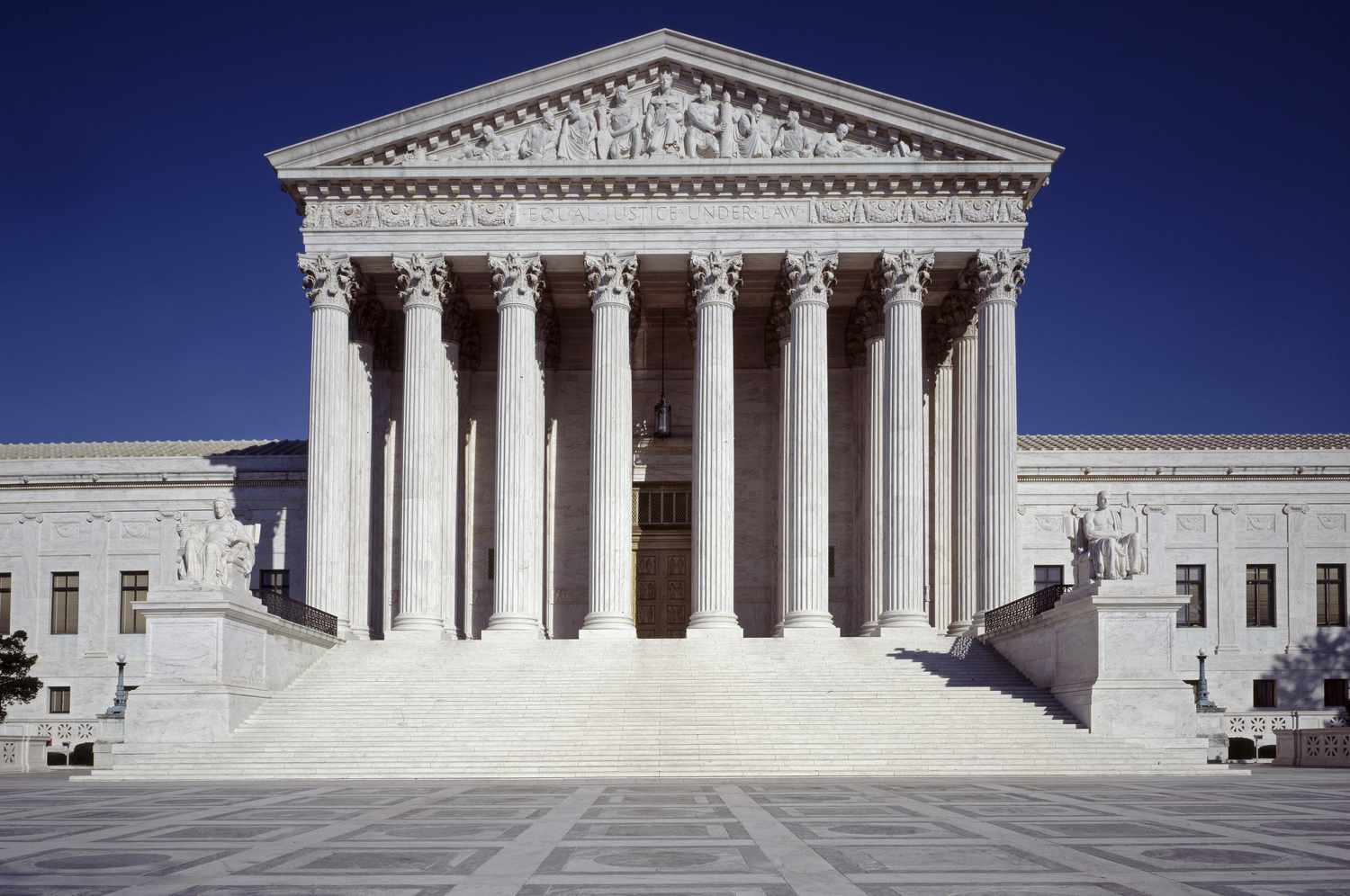
Political advertising sits at the intersection of two constitutional ideas that often pull in opposite directions.
1) Political speech is core First Amendment speech
If the government is going to regulate anything, campaign speech is the thing the Constitution is most suspicious of regulating. Courts routinely describe political speech as the “core” of the First Amendment.
2) Broadcasting has long been treated differently
Broadcast regulation is built on the idea that the airwaves are limited and licensed. That scarcity rationale has historically allowed more government involvement in broadcast than in newspapers or online platforms. The Supreme Court’s broadcast cases are not all consistent over time, but the theme is durable: the government can impose some access and public-interest obligations on licensees in a way that would be much harder to justify for private speakers in other media.
The ad-rate rule fits that pattern. It is not a general command that “speech must be cheap.” It is a condition attached to a licensed use of public spectrum: if you hold a broadcast license and sell political ads, federal law can set some baseline terms for access.
What could change
The big practical question is not whether the rule exists. It does. The question is how aggressively it gets enforced and how cautiously broadcasters price and document political advertising during the protected windows.
Here are the consequences to watch in any serious enforcement push, whether it comes through FCC complaints, negotiations, or litigation:
- More leverage for campaigns in rate disputes. Stations may be less willing to gamble on aggressive interpretations when a challenge is likely to stick.
- More compliance pressure on broadcasters. Broadcasters may tighten internal documentation and pricing practices, especially around discount packages and makegoods.
- More ad inventory for candidates. If candidates can reliably access lower rates, they can buy more spots with the same budget, which can crowd out higher-priced non-candidate buyers during peak windows.
- More fighting at the edges. The next disputes tend to be less about the headline rule and more about what counts as comparable time and comparable discounts, including the line between fixed, preemptible, and rotating classes.
How this affects spending
Election spending is not just a function of how much money exists. It is also a function of the price of the megaphone.
If candidates can obtain more predictable lowest unit rates, two things can happen at once:
- Candidates may stretch dollars further, buying more broadcast time with the same contributions.
- Outside groups may tilt to other channels (cable, streaming, digital) if broadcast inventory becomes more candidate-dominant during protected periods.
That shift matters because the modern era is defined by how much spending occurs outside candidate committees. A rule that strengthens candidate access does not cap super PAC spending. But it can change the tactical landscape of where money goes and how efficiently it reaches voters.
Courts and agencies
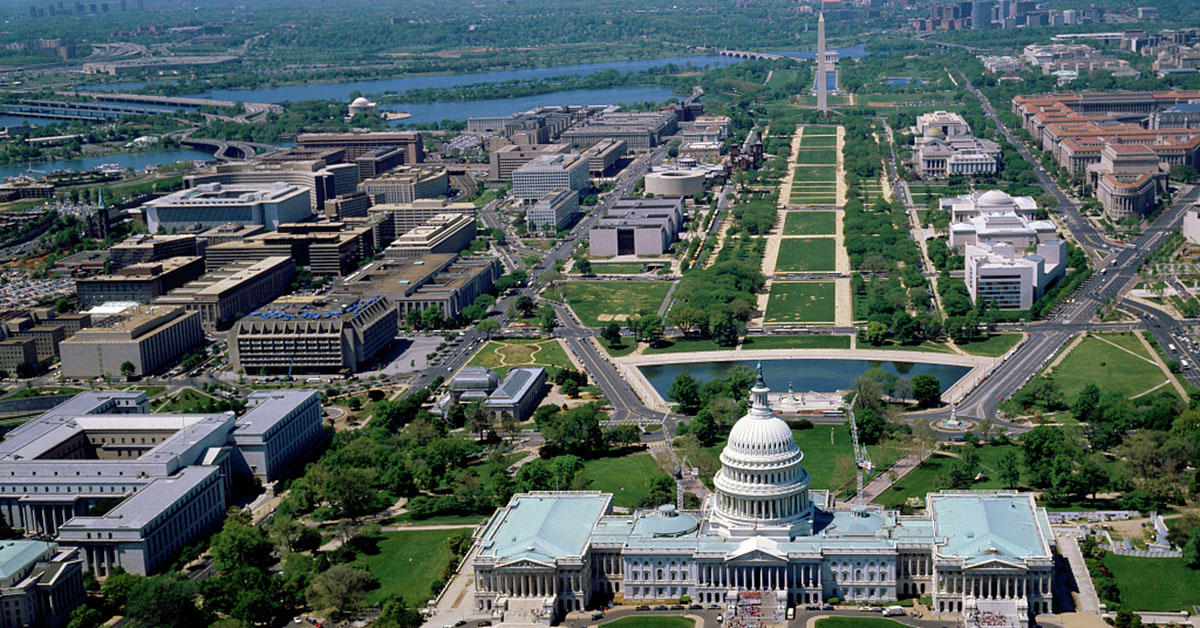
Even when a dispute is about campaign speech, the underlying institutional question is often this: who gets to interpret and enforce federal law.
Broadcast ad-rate rules live in the space between statute (what Congress wrote), regulation (what the FCC implemented), and judicial review (what courts will police). When courts step in, they are often clarifying how much room agencies have to make practical choices versus how strictly judges will hold them to the statutory text.
This matters beyond elections. It is part of the larger American argument about accountability: agencies are expert and fast, but courts are designed to be independent and slow. The Constitution does not pick a winner automatically. It sets up the tension and then forces institutions to justify their power, case by case.
FAQ
Do broadcasters have to run political ads?
For federal candidates, broadcast stations have significant access obligations under federal law, including a “reasonable access” requirement for many federal candidate uses. State and local candidates generally do not have the same federal reasonable-access right, even though other broadcast political rules still apply.
Does the First Amendment require equal or cheap airtime?
No. The First Amendment is mainly a shield against government censorship. The lowest unit rate rule is a statutory policy Congress enacted for broadcast licensees, not a free-standing constitutional entitlement.
Does this apply to cable news or online ads?
Typically, no. “Lowest unit rate” is a broadcast concept tied to FCC-licensed spectrum. Cable and digital advertising operate under different legal and contractual rules.
Why do technical pricing rules get so much attention?
Because technical rules can decide who gets heard. And when election speech is affected, regulators and courts alike get pulled into arguments about whether protections are real, enforceable rights or merely guidance that can be priced around.
The bigger picture
The Constitution does not contain the words “lowest unit rate.” It does not map out how campaigns buy 30-second spots in late October. But it does insist that political power remain accountable to the people. In modern America, that accountability runs through mass media.
This is a reminder that election law is not just about money and strategy. It is also about access, and access is where the First Amendment stops being a slogan and starts being infrastructure.