
When people hear that the federal government “licenses” television stations, a natural conclusion follows: if Washington grants the privilege, Washington can take it away. And if it can take it away, why not use that threat when a network becomes politically inconvenient?
That line of thinking is exactly why the Constitution is still worth arguing about. Not because it makes politics nicer, but because it forces power to explain itself.
So, can the Federal Communications Commission really yank a TV network’s broadcast licenses because of a political feud? In theory, the FCC has tools. In practice, those tools collide with process, evidence, and the First Amendment, especially if the government is seen as trying to strong-arm programming decisions.
Join the Discussion
What the FCC licenses
The FCC does not “license a network” in the way it licenses a pilot or a barber. It licenses individual broadcast stations that use the public airwaves. In this case, ABC owns eight local TV stations, including WABC-TV in New York and KABC-TV in Los Angeles.
Those station licenses typically run on eight-year terms. When the term ends, the licensee seeks renewal. The FCC can also, in rare circumstances, pursue revocation.
Why the timing raised alarms
The FCC ordered an early review of ABC’s station licenses, tying the move to its ongoing investigation into whether Disney’s diversity, equity, and inclusion practices violate federal anti-discrimination rules.
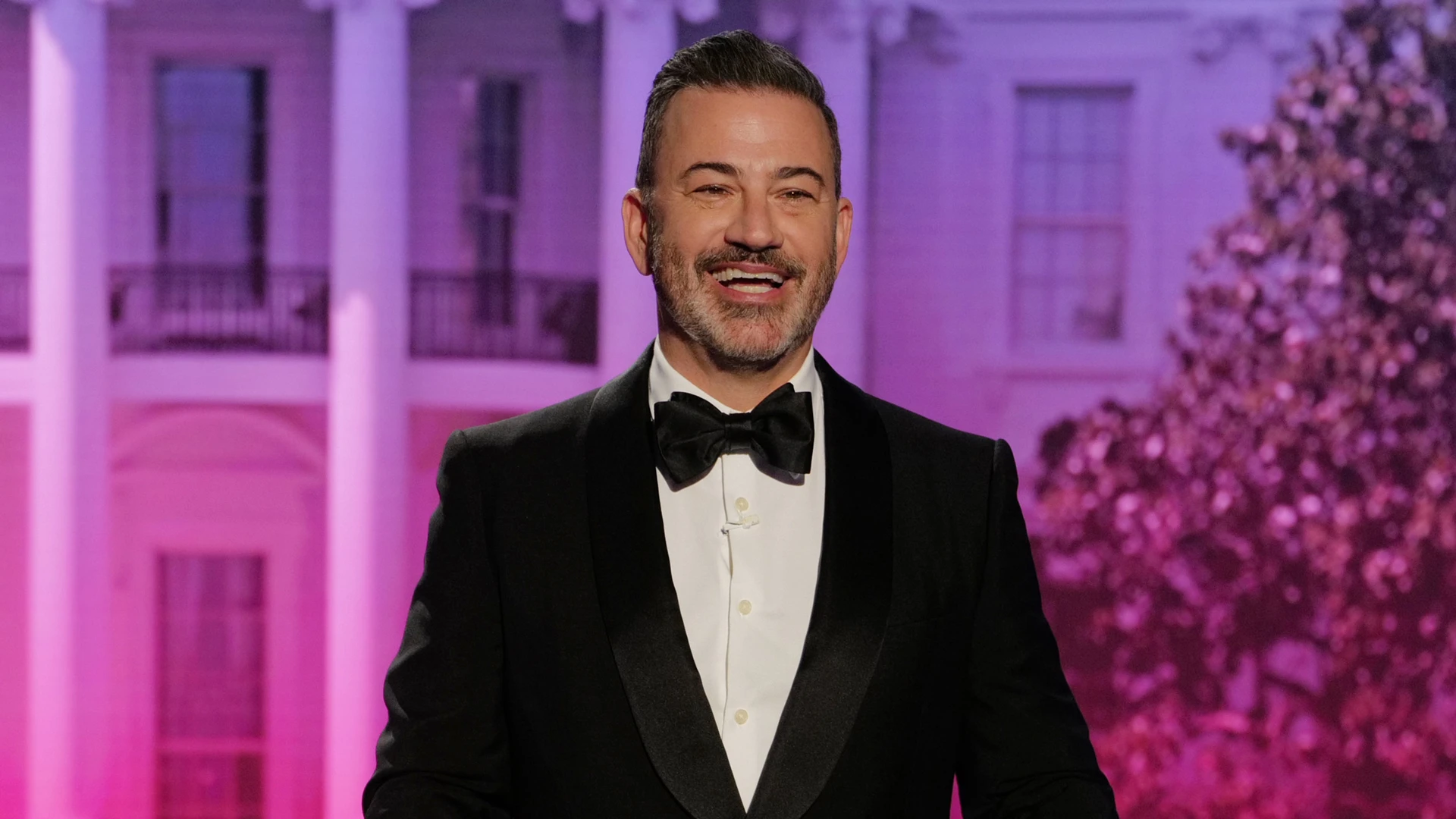
The timeline, though, is what set off the debate. The expedited review came the day after President Trump publicly called for Jimmy Kimmel to be fired following a joke Kimmel made on ABC that angered the President and the First Lady, Melania Trump.
Katie Fallow, deputy litigation director of Columbia University’s Knight First Amendment Institute, described the move this way: “This is a way to put pressure on Disney and ABC to achieve different programming and to get them to fire Jimmy Kimmel.”
Even if you assume the agency’s stated rationale is the real one, legal experts argue the timing still matters because it shapes how a court might interpret motive. And motive is where ordinary regulation can start to look like viewpoint pressure.
The FCC’s stated case
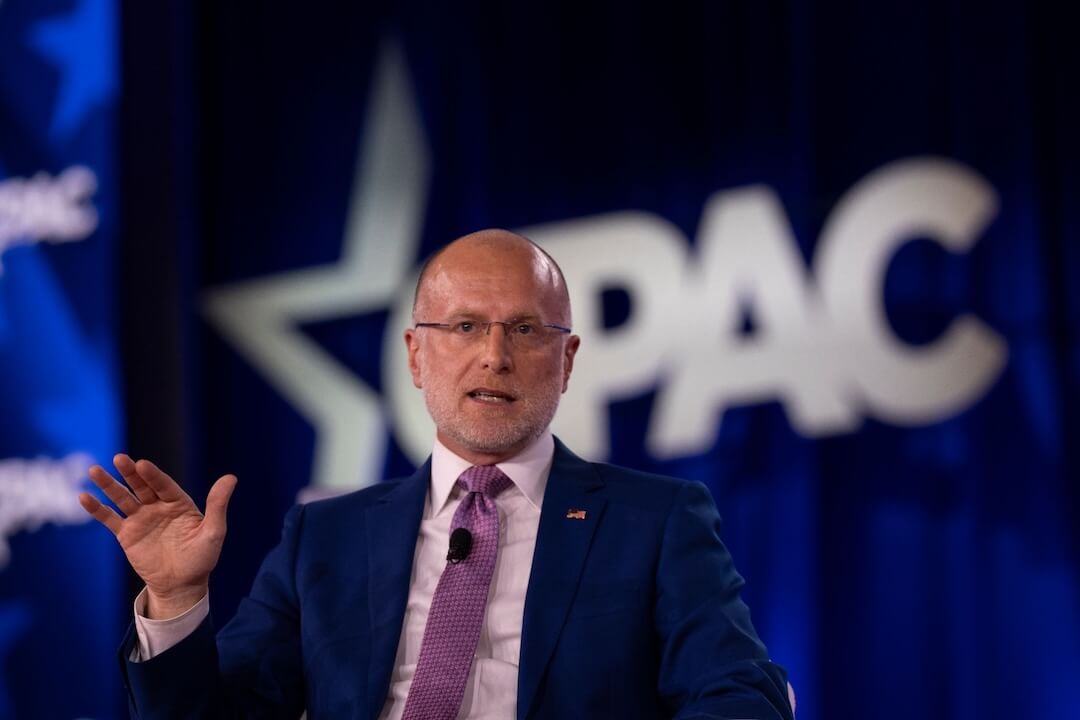
The FCC’s investigation of Disney began in March 2025 and centers on whether Disney’s DEI policies violated federal anti-discrimination rules. FCC Chairman Brendan Carr has argued that ABC’s mandatory “inclusion standards” may have led the network to institute racial and identity quotas at every level of production. The agency has also accused ABC of race-based hiring practices and of restricting corporate fellowships to selected demographic groups.
At a press conference, Carr rejected the idea that the early-renewal push was about a late-night joke and instead emphasized discrimination allegations, including a claim about workplace segregation: “You can go all the way back to more than a year ago, in March of last year, where I wrote a letter to Disney saying that there was evidence... or allegations indicating that Disney, through this sort of invidious form of DEI discrimination, was creating, as I specified in a letter to them, racially segregated spaces inside the company,” he said.
He framed the issue as equal employment compliance, adding: “We’ve been very clear that we’re holding broadcasters accountable to their obligations — not just public interest standards, but [equal employment opportunity] obligations.”
Carr also pointed to another example from this week, noting the FCC ordered Bridge News to file early license renewal applications for its TV stations.
Disney has said it has a “long record” of compliance and stated: “We are confident that the record demonstrates our continued qualifications as licensees under the Communications Act and the First Amendment and are prepared to show that through the appropriate legal channels.”
The First Amendment risk
Here is the part that matters for anyone who likes the idea of “teaching the media a lesson.” If licensing power is used to punish a broadcaster because political leaders dislike a comedian, critics argue it stops looking like neutral enforcement and starts looking like retaliation.
The government can enforce neutral rules. What it cannot do, consistent with the First Amendment, is use licensing as a backdoor to control editorial choices, compel viewpoint changes, or coerce personnel decisions tied to speech.
And yes, broadcasters operate in a regulated space. But that does not mean their editorial independence becomes conditional. The constitutional problem is not that the FCC has authority. It is what happens if that authority is turned into leverage over content.
Two paths, both steep
1) Denial of renewal
The FCC can try to deny renewal of a station license. But that is not an on-off switch. It is a process, and a slow one. The station generally continues operating while the case plays out.
To get there, the agency would need to build a record strong enough to survive scrutiny in a formal proceeding. That typically means presenting evidence before an administrative law judge, getting a decision for each station, and then bracing for appeals. Across multiple stations, it can take years, not weeks.
2) Revocation
Revocation is the heavier hammer, because it can force a station off the air. But it is also the harder case to make.
Public-interest attorney Andrew Jay Schwartzman put it bluntly: “There’s no way they would try to revoke the license. The legal standard is insurmountable.” He added, “Revocation places the entire burden on the FCC to demonstrate that the broadcaster is engaged in the most gross forms of abuse of rules and misconduct.”
Those guardrails help explain why revoking a TV station license is almost unheard of, with the last such case occurring several decades ago.
How unusual is this?
The FCC almost never denies renewals, and revocations are even more unusual.
One often-cited example dates to 1975, when the FCC denied renewal for five radio station licenses after finding the owner directed stations to provide favorable coverage of two Senate candidates. Whether you see that as a cautionary tale about media ethics or government intrusion, it underlines the point: license denials are the exception, not the routine.
Concerns about predictability are not limited to civil-liberties groups. The National Association of Broadcasters warned that the license renewal process must be grounded in “predictability, fairness and transparency.” It called the FCC’s “nearly unprecedented request for one company to quickly reapply for all of its licenses — rather than utilize its traditional enforcement process” a move that “creates significant uncertainty for all broadcasters.”
DEI claims are not content claims
Even if an investigation starts as an employment compliance matter, there is a bright line the government risks crossing if it tries to turn that into a say over programming.
Free speech attorney Robert Corn-Revere warned that if the government pivots from employment allegations to second-guessing content, it invites serious constitutional trouble: “If they’re really just noticing issues on DEI, then they would not be able to get into the programming issues. And if they do list programming issues, they buy themselves a whole lot of trouble under the First Amendment.”
That is the core tension. “Public interest” can be a real standard. It can also become a convenient costume for political payback. The First Amendment exists because that temptation never goes away.
The question underneath the question
People ask whether the FCC can yank licenses. But the deeper question is whether we want broadcast licenses to become a behavioral leash.
Today it is a late-night host. Tomorrow it is a local station that runs the “wrong” investigation, interviews the “wrong” activists, or airs the “wrong” sermon. The tool does not stay pointed at your enemies. It stays in the toolbox for whoever comes next.
That is why the real answer is less about the FCC’s formal authority and more about constitutional purpose: government power over speech must be limited not when it is unpopular, but precisely when it is tempting.