
When a public figure says a network host should be “reported to the FCC for rebuke or punishment” over allegedly inaccurate commentary, it taps into a persistent American misunderstanding: that because broadcasters use “public airwaves,” the government can police their news judgments.
The Constitution does not work that way. Not even close.
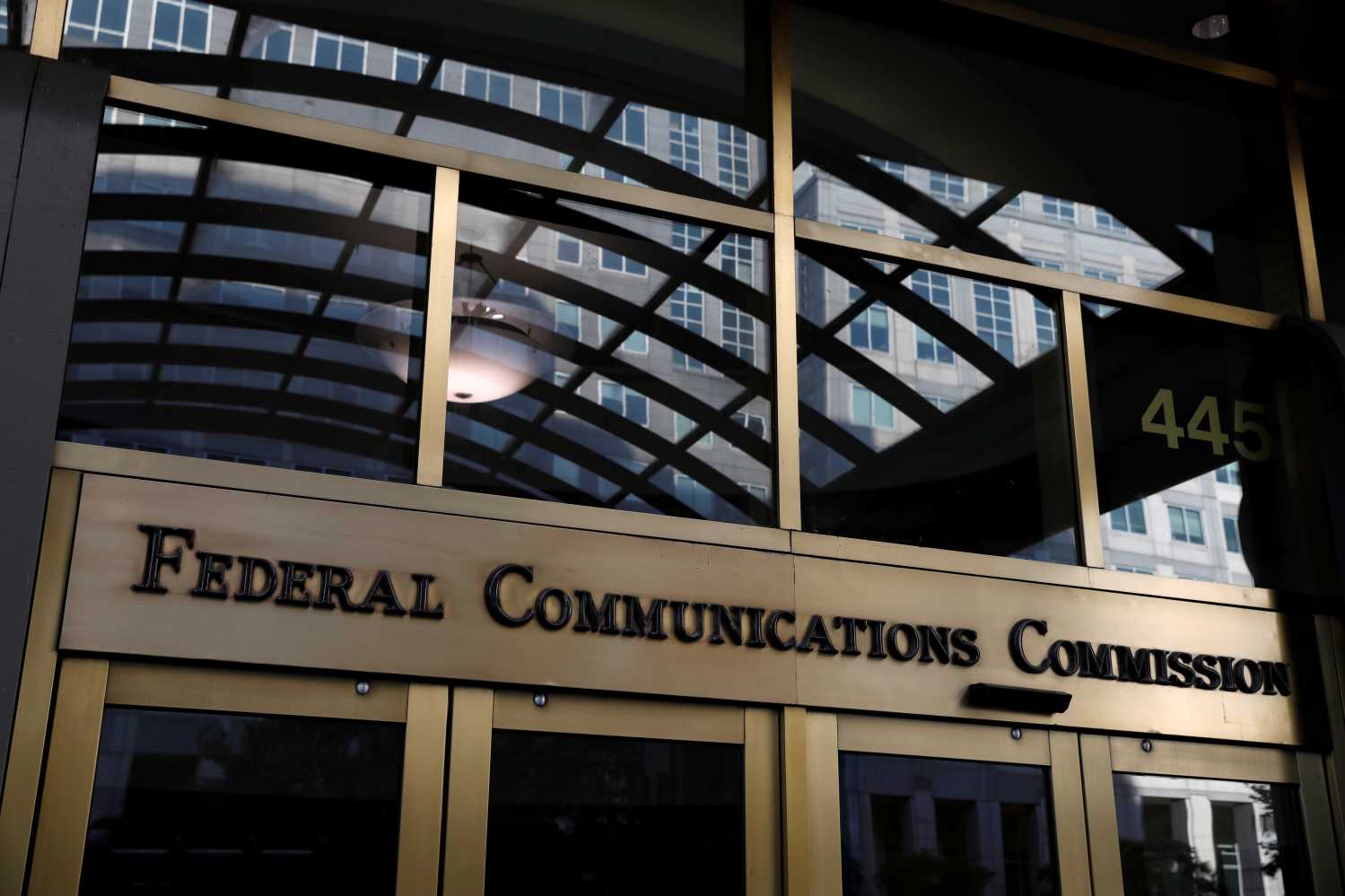
The Federal Communications Commission (FCC) does have real authority over broadcast radio and television. It grants and renews licenses and enforces certain rules tied to spectrum scarcity and technical interference. But punishing a station or network because officials dislike its political coverage is exactly the kind of government retaliation the First Amendment is designed to prevent.
Join the Discussion
What the FCC regulates
The FCC’s core job is managing the electromagnetic spectrum: who gets to broadcast on which frequencies, at what power, and under what technical conditions so stations do not interfere with each other.
That technical mission grew into a licensing system for over the air broadcasting. If you run a TV station or an AM/FM radio station, you generally need an FCC license. Licenses are time-limited and can be renewed. The FCC can fine stations or, in rare cases, refuse renewal or revoke a license for serious violations.
But there is a crucial limit: the FCC is not a national editor. It is not a truth commission for political commentary. Most complaints about “bias,” “unfair coverage,” or “they said something wrong about me” do not map onto any enforceable FCC rule.
Broadcast vs cable and online
A lot of confusion comes from treating “the media” as one legal category. It is not.
Broadcast TV and radio (ABC, NBC, CBS local affiliates; local radio stations) use licensed spectrum. The FCC has jurisdiction over licensing, technical rules, and some limited content-related rules.
Cable channels (like MSNBC, Fox News, CNN) are typically not licensed as broadcasters the same way. They travel through cable systems and do not depend on scarce broadcast spectrum in the same way.
Streaming, podcasts, websites, newspapers live largely outside FCC content regulation. They may face defamation law, election law, or other statutes, but not the FCC’s broadcast licensing regime.
So when someone says “they’re using public airwaves,” that may describe a local broadcast affiliate carrying a program, but it usually does not describe national cable distribution or online clips. The legal tools change depending on the platform.
First Amendment limits
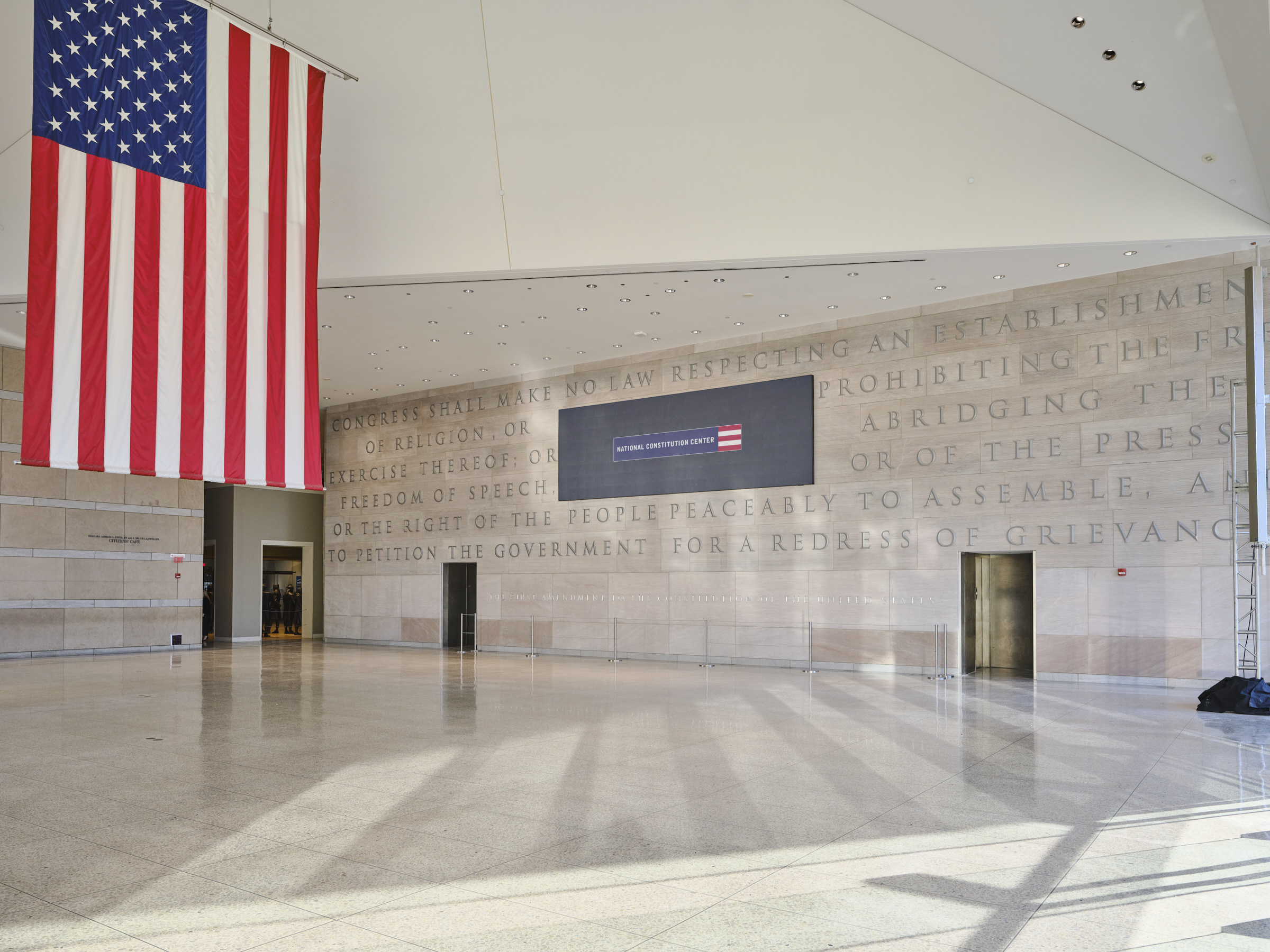
The First Amendment is not merely a permission slip for the press. It is a restriction on government power: “Congress shall make no law… abridging the freedom of speech, or of the press.”
That principle applies to federal agencies too. The FCC is part of the executive branch. It cannot use its licensing power as a lever to reward friendly coverage or punish hostile coverage. If it could, “freedom of the press” would become a conditional privilege: say the right thing, keep your license.
Courts treat viewpoint discrimination and retaliation for protected speech as among the most constitutionally suspect actions the government can take. Even where broadcast regulation is permitted in some contexts, a government effort to target a station because of its political slant or a particular host’s commentary runs directly into First Amendment doctrine.
Can the FCC punish political commentary?
In general, no. There is no broad FCC rule requiring political neutrality, “balance,” or factual correctness in news analysis. The FCC does not referee whether a host’s statement about endorsements, polls, or political “results” is fair, complete, or framed the way a candidate prefers.
That is not a loophole. It is the design of a free press system. In a constitutional republic, political figures can rebut, criticize, boycott, fact-check, and persuade. What they cannot do is convert regulatory power into a disciplinary tool for disfavored coverage.
The fairness doctrine
Many Americans remember or have heard of the old “Fairness Doctrine,” a mid-20th-century FCC policy that encouraged broadcasters to cover controversial issues and to do so in a way that was, in the FCC’s view, fair. It is often invoked today as if it still exists.
It does not. The FCC stopped enforcing it decades ago, and it has been formally eliminated. Modern broadcast journalism is not governed by a general “must present both sides” federal rule.
Content rules the FCC can enforce
The FCC’s content-related authority is narrower than many people assume, but it is not zero. The major categories that still matter are:
Indecency and profanity rules for broadcast (especially during hours when children are likely to be in the audience). These are controversial and litigated, but they are not about political viewpoint.
Obscenity, which is not protected by the First Amendment and can be sanctioned, though that category is legally specific and difficult to prove.
Hoaxes that cause public harm. The FCC has limited authority to address certain broadcast hoaxes when they foreseeably cause substantial public harm. Again, this is not about “bad takes” on politics.
Political advertising rules, which are often misunderstood. For federal candidates, stations generally must offer “reasonable access” and, in some contexts, cannot censor the candidate’s own ad. Those rules can lead to a station airing claims it dislikes, which is the opposite of government enforced correctness.
Technical and emergency alert requirements, closed captioning obligations, sponsorship identification rules, and ownership disclosures. These are compliance categories, not editorial discipline.
None of these categories gives the FCC a general license to punish a broadcaster because a host characterized someone’s endorsement record as “mixed” or because an official believes coverage was unfair.
Do “public airwaves” change the rule?
“Public airwaves” is a real concept in the sense that the spectrum is publicly managed, and licenses are granted to private entities subject to conditions. But that does not translate into a constitutional blank check to control political speech.
Historically, the Supreme Court allowed more regulation of broadcasting than of print, often citing spectrum scarcity. That is why the FCC can impose some rules on broadcast licensees that would be unthinkable for newspapers.
But even under that more permissive broadcast framework, punishment based on political viewpoint, or pressure designed to chill criticism of government officials, is constitutionally toxic. The government can manage the spectrum without managing the message.
Can a President direct the FCC?
The FCC is an independent agency, which is a legal way of saying it is designed to be somewhat insulated from direct presidential control. Commissioners are appointed by the President and confirmed by the Senate, and politics undeniably affects appointments and priorities.
Even so, an effort by any administration to wield the FCC as a weapon against disfavored press coverage would raise multiple legal problems:
First Amendment retaliation: government action taken because of protected speech is subject to serious constitutional scrutiny.
Due process concerns: license renewal and enforcement proceedings require fair procedures, not ad hoc punishment campaigns.
Abuse of discretion: agencies must act within statutory authority and provide reasoned explanations. “We dislike that host” is not a lawful basis for enforcement.
Other remedies
If you believe a broadcaster made a false statement, there are other legal and civic routes. Most are difficult, and that difficulty is also part of the First Amendment’s architecture.
1) Defamation, in limited cases
Defamation claims are not handled by the FCC. They are handled in court under state law, constrained by constitutional standards. For public officials and public figures, the bar is high: under New York Times v. Sullivan and later cases, the plaintiff generally must show “actual malice,” meaning the statement was made with knowledge of falsity or reckless disregard for the truth.
That standard is not a bug. It is a constitutional choice meant to protect robust debate about powerful people.
2) Correction and rebuttal
Public figures routinely respond with their own data, their own platforms, and their own counter-narratives. That is often the primary remedy the Constitution contemplates: more speech, not enforced silence.
3) Private accountability
Advertisers, affiliates, and audiences can pressure stations in lawful ways. Those pressures are private, not governmental. The First Amendment restrains the state, not public disagreement.
FAQ
Can I file an FCC complaint about biased coverage?
You can file a complaint, but “bias” is usually not an FCC violation. The agency does not police political neutrality in news coverage the way many people assume.
Can the FCC revoke a license over a political segment?
Revocation is rare and typically tied to serious, provable violations such as deception in licensing, criminal conduct by the licensee, or major repeated regulatory noncompliance. Disliked commentary is not a standard basis.
Does the First Amendment protect broadcasters even if they are wrong?
Mostly, yes. The First Amendment protects a wide range of speech, including harsh opinions and many factual errors. The legal system addresses the most harmful falsehoods through narrow doctrines like defamation, fraud, or perjury, not through political regulators.
Are cable networks regulated like broadcast stations?
No. Cable and online media do not fit the classic broadcast licensing model. That is one reason calls to “use the FCC” against a cable network often misfire legally.
Bottom line
The FCC can regulate the mechanics of broadcasting because the spectrum is limited and licensed. But the First Amendment draws a bright line against government punishment aimed at controlling political narratives, disciplining specific journalists, or retaliating for unfavorable coverage.
“Public airwaves” does not mean “public obedience.” In a system built for free citizens, the press does not keep its microphone by staying on the government’s good side.