
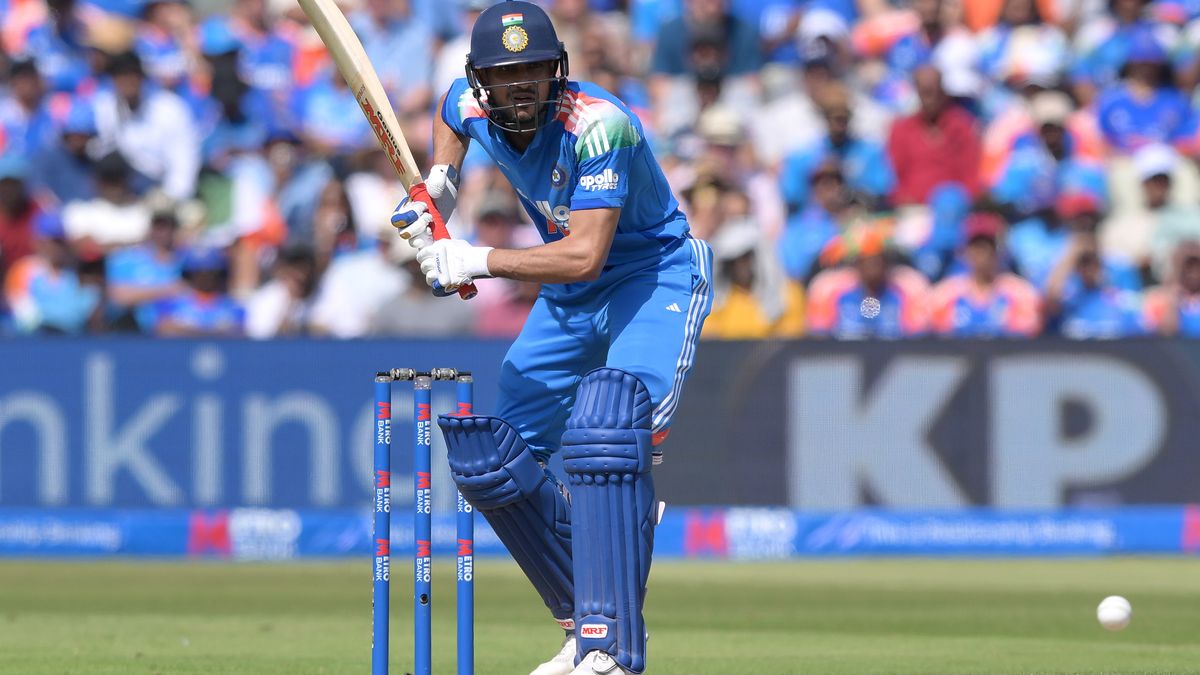
“Ind vs Eng” looks like a simple sports shorthand. In practice, it is a match-day query. When it climbs on Google Trends in the United States , it usually means a lot of fans are trying to verify, in real time, what is happening in India vs England and how to follow it: start time in their timezone, legal ways to watch, confirmed playing XIs, plus the toss and any late lineup updates.
This is how modern sports search works. People do not type “India vs England cricket” when the first ball is minutes away. They type the shortest possible query that still pulls up a match centre, a live scorecard, or a streaming listing. Often, that query is “ind vs eng.”
Join the Discussion
What caused the spike
The spike usually lines up with match-window intent. Fans want the details that move late and change everything right before start: start time, venue, toss decision, and who is actually in the XI.
That’s why “ind vs eng” climbs at the exact moment everyone is checking the same checklist at once.
Where to check fast
- Official match centre: ICC, BCCI, ECB, or the tournament’s official site or app
- Live scorecard: the official scorecard is the safest source for toss and XIs
- Viewing info: the rights holder’s site, app, or official social accounts for that series
Match basics
Search spikes like this usually happen around a specific India vs England fixture, but the exact format and match details change by tour, series, and tournament. If you are here for the practical facts, treat this as the reliable checklist to check on the official match centre.
- Match: India vs England (verify whether it is a Test, ODI, or T20I)
- Venue: Look up the ground listed on the match centre
- Start time: Use the listed local start time, then convert to ET, CT, MT, and PT
- Toss: Check who won and what they chose (bat or bowl)
- Playing XIs: Confirmed XIs can shift late due to fitness, illness, or tactical swaps
Live score: Follow the official match centre scorecard for ball-by-ball, overs, and confirmed XIs.
Start time (UK and US)
India vs England is played in both countries depending on the tour, but US fans often run into UK-to-US conversions during England home fixtures. Use the match centre’s posted start time and convert it to your timezone. Quick reference during daylight saving time (when the UK is on BST and the US is on DST):
- BST to ET: subtract 5 hours
- BST to CT: subtract 6 hours
- BST to MT: subtract 7 hours
- BST to PT: subtract 8 hours
If the match is listed in GMT instead of BST, subtract one less hour than the lines above. Also note that the US and UK switch clocks on different weeks, so double-check the match centre’s timezone label (BST vs GMT) before you set an alarm.
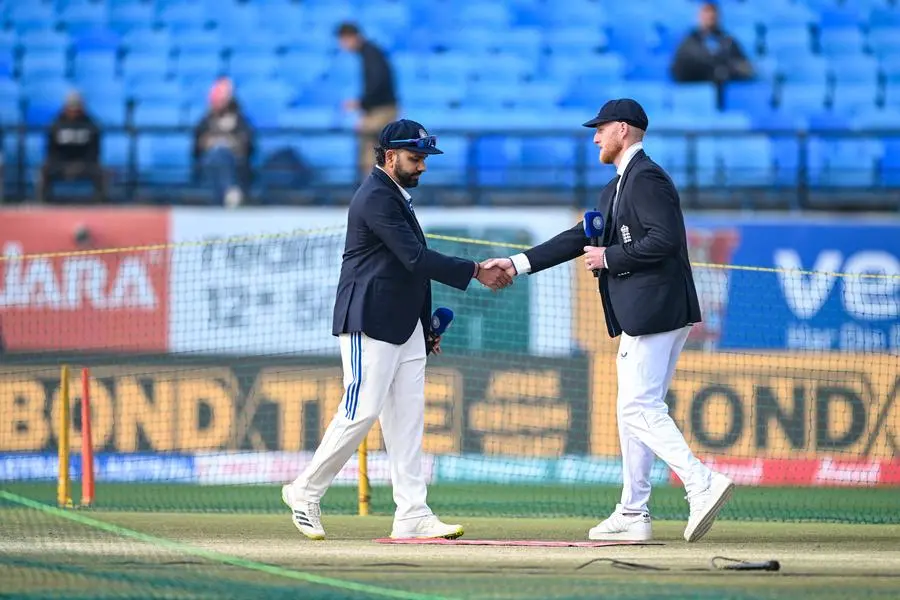
The toss
In cricket, the toss is not a formality. It is the first strategic decision, and it reshapes expectations about conditions and pacing.
That is why “ind vs eng” spikes right around toss time. One update changes how you read the opening stretch:
- Chase vs set a total: In limited overs, choosing to bowl can signal comfort with a chase, but it can also be a conditions call.
- Conditions read: Early swing or seam, cloud cover, dew later on, or a surface that changes through the day can all push teams toward one choice.
- Powerplay pressure: The first 10 overs in an ODI and the first 6 in a T20I feel different once you know who is setting the pace.
Watching live, the toss line on the scorecard changes the assumptions people bring into over one.
Lineup update
Late substitutions reliably drive search spikes because they answer a specific fear every live viewer has: Am I following this with outdated information?
Instead of anchoring this to a single, specific swap, the useful point is how to read any late XI change when you see it posted:
- Role change: A top-order batter out can force a reshuffle that impacts the whole innings.
- Tempo shift: A like-for-like replacement on paper can still change scoring rate expectations.
- Balance: One extra seamer or spinner can reveal conditions, not just selection preference.
- Wicketkeeper swap: This is also a fielding and combination decision, not just batting.
None of that guarantees an outcome. It does change the assumptions viewers bring into the match.
How to watch in the US
US viewers searching “ind vs eng” usually want one thing: a legitimate live feed. Rights vary by series, tour, and tournament, so the safest move is to check the broadcaster listed on the official match page, then confirm on the rights holder’s app or site.
One practical rule: avoid unofficial links. They get pulled mid-match and can expose you to aggressive pop-ups or worse.
Why shorthand wins
There is a small information-demand lesson hiding in a cricket trend. A trends chart is a heat map of what people need immediately and cannot get quickly enough in one place.
“Ind vs Eng” is the internet compressing live-event intent into three words. Under the shorthand is a very specific checklist: match time, where to watch, who is playing, and what the toss changed. When those pieces move late, the search spike follows.