
When a cricket match trends in the United States, it usually looks like a mystery for about five minutes. Why would Zimbabwe vs Bangladesh spike on Google in a country where most sports bars cannot tell a T20 from a Tuesday?
USConstitution.net does not usually do sports. But the Constitution is a practical guide to modern systems: when something suddenly matters to a lot of people at once, look for the structure underneath it.
The structure here is simple. This is not a scandal, a fight, or a rumor. It is a match-day discovery surge, meaning a predictable burst of “how do I actually watch this?” searches right before play begins.
They are not searching for cricket 101. They are searching for three things: start time in US time zones, where the broadcast rights landed, and how to stream legally without clicking into a malware trap.
Quick answer (what people mean by the spike)
- Intent: “When is it on, where is it airing in the US, and is there a safe stream?”
- Method: Confirm the fixture in an official match center, identify the US rights holder, then confirm the listing inside the app or schedule page.
- Final check: Trust the platform’s in-app guide over third-party blogs, because start times and availability can shift.
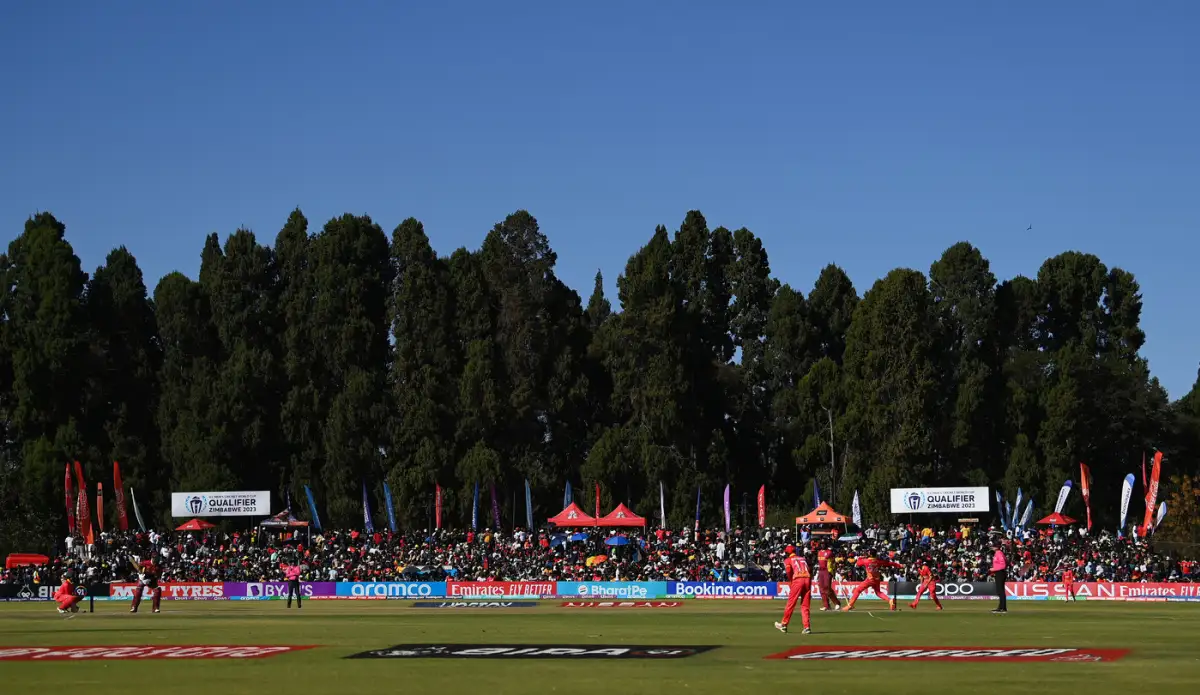
Join the Discussion
What the spike means
Search spikes like this tend to be misread as cultural moments. They are rarely that. They are closer to a civic phenomenon: people trying to locate the official channel in a fragmented system.
International cricket in the US has a particular problem. There is no single default home the way the NFL has a handful of obvious broadcasters. Instead, rights are often split by:
- format (T20Is vs ODIs)
- tour (each bilateral series can be packaged differently)
- territory (US rights can differ from the UK, South Asia, or Africa)
- platform (streaming service versus linear TV)
So on match day, Americans who follow cricket, diaspora fans, casual sports viewers, and audiences who may be coming in via odds pages or fantasy coverage all do the same thing at once. They open Google and type the simplest phrase they can. That phrase is “Zimbabwe vs Bangladesh.”
Why it is happening now
Most often, this pattern is tied to a specific fixture window: a Zimbabwe vs Bangladesh limited-overs match day, often a T20I. If you are reading this because a particular match is about to start, treat any viral “1st T20I” labeling you see on social or search results as a claim to verify, not a fact to assume.
Two things make the spike feel sudden even when the match has been scheduled for a while:
- Time zones: Zimbabwe time can push a match into early US morning hours, which forces a quick “can I watch this live?” decision.
- SEO timing: “How to watch” pages publish right before the toss, which amplifies the same set of searches.
In other words: this is clockwork trend behavior, not chaos.
Find legal streams in the US
If you are trying to watch legally in the United States, the best advice is not a single brand name. It is a method.
Step 1: Confirm the match
Before you trust a “free live” link, confirm the match details (venue, start time, format) in an official or quasi-official match center. Low-friction starting points include:
- Zimbabwe Cricket fixtures (the board’s fixtures or match center page)
- Bangladesh Cricket Board fixtures (BCB schedule or match center page)
- ICC live scores and results pages (useful for scorecards and start times, even when the ICC is not the organizer)
This matters because search results often blend live matches, replays, highlights, and similarly named fixtures.
Step 2: Identify the US rights holder
What most viral searchers are really asking is: which service holds the US rights for this specific series?
That answer can change from tour to tour, and from season to season. Even when a platform commonly carries cricket, it may not carry this bilateral series in this territory.
The correct move is to search for:
- “Zimbabwe vs Bangladesh US broadcast rights”
- “ZIM vs BAN watch in USA”
- “Bangladesh tour of Zimbabwe live streaming USA”
Do not trust SEO “how to watch” posts without an in-app listing. Verify on the streaming service’s own schedule page or in-app guide. If the match does not appear there, you do not have a legal stream on that platform, no matter what a third-party blog claims.
Step 3: Start with common legitimate US carriers
If you need a practical place to begin, these are common legitimate carriers for international cricket in the US. Rights vary widely by series and season, and some tours may be on none of the services below. Treat this as a checklist, not a promise:
- Willow TV (often via a standalone subscription or select cable bundles)
- ESPN+ (select cricket rights depending on competition and territory)
- Prime Video (select cricket in some territories and packages)
- ICC.tv (some ICC events and territories, depending on rights)
The only durable rule is still the same: verify the specific match listing inside the platform.
Step 4: Choose region-correct viewing
Cricket rights are territorial by design. If you are in the US, the legal option is the service that owns US distribution. “It works in my cousin’s country” is not a rights strategy.
And it is worth saying plainly: unofficial streams are not just a copyright issue. They are often a security issue. The moment you are asked to disable protections, install an extension, or “verify you are human” with a suspicious download, you are no longer watching cricket. You are negotiating with someone else’s business model.
US start time
The most common practical question in the US is simple: when does it start here? The complication is that listings can appear in local time, venue time, or GMT, and start times can shift for weather, broadcast adjustments, or schedule changes.
A durable approach:
- Find the match start time in venue local time and confirm the date (day shifts matter).
- Convert using a reliable converter by searching: “[start time] Harare to ET” (or PT, CT, MT).
- Confirm in the streaming app, because that is what your device will actually follow if the listing updates.
If the match begins in the Zimbabwe afternoon, many US viewers will be dealing with morning hours. That reality alone explains part of the spike: people are deciding between watching live and planning for highlights or a replay.
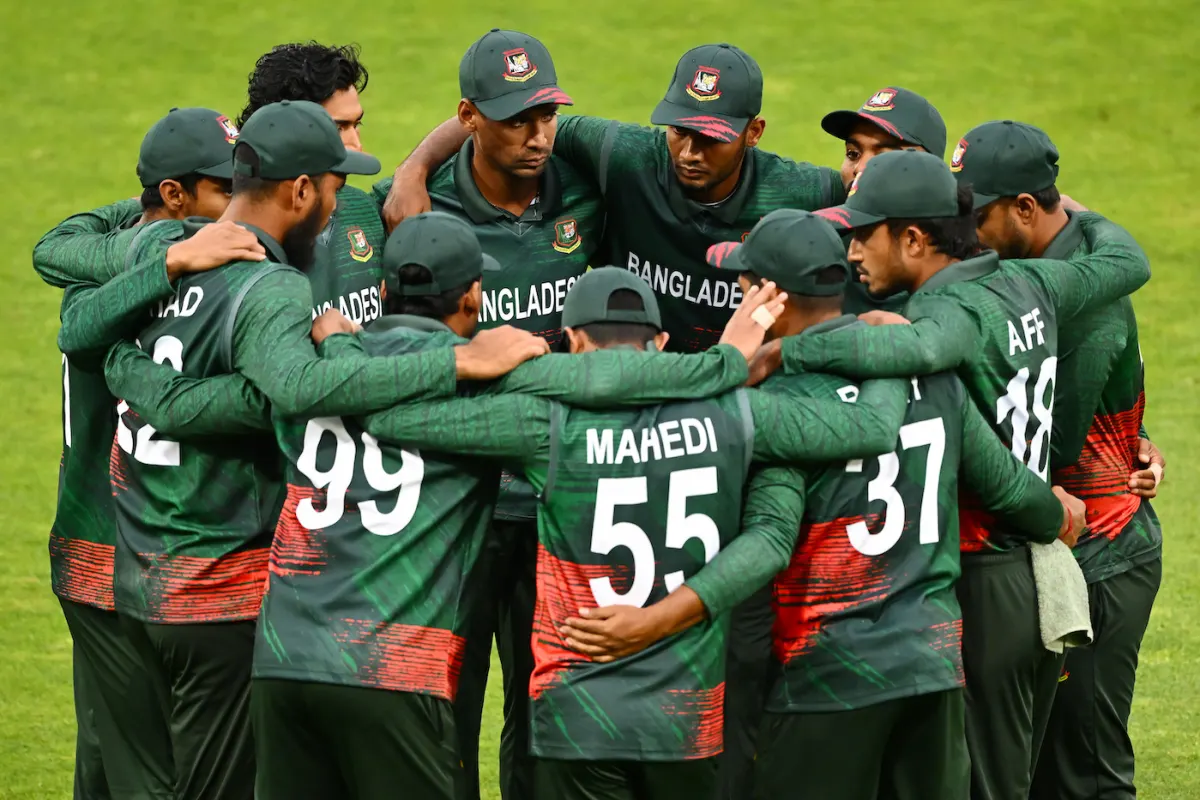
Series context
Bangladesh has often been the higher-ranked T20I side in recent years, but rankings move and matchups are not decided by spreadsheets. Zimbabwe’s durable advantage is the one cricket always respects: home conditions.
In shorter formats, conditions amplify style, but they do not need mythology. The safe claim is the true one: local surfaces and ground dimensions change how captains use bowlers, how batters pace an innings, and how risk gets priced. That is why a first match in any short series draws extra attention. It is not just entertainment. It is information.
Why “how to watch” wins
There is a civic education angle hiding in the sports algorithm. People assume access is automatic, then discover it is conditional.
With live sports, access is governed by contracts, licensing, and territory restrictions. That is not unlike how constitutional rights work in practice: the broad principle is easy to state, but the lived reality depends on who has authority, which rule applies, and what forum you are in.
So on match day, the public does what the public always does when rules are opaque. It searches for a shortcut. The internet responds with hundreds of near-identical guides. Some are careful. Some are wrong. Some are traps.
The durable takeaway is not “here is today’s link.” It is: verify the rights holder and confirm the match listing inside the service you are paying for.
Before you press play
- Match verified: You confirmed the format and fixture details in an official match center.
- Territory verified: The platform explicitly lists availability in the United States.
- Listing verified: The match appears on the platform’s schedule page or in-app guide.
- Time verified: You checked the in-app time because start times can shift.
- No risky prompts: No extensions, no downloads, no “free stream” pop-ups.
- Backup plan: You know where legal highlights, short clips, or a replay will be posted.
If you cannot find a legal stream
Sometimes the answer is simply that a match is not carried cleanly in a given territory. If you cannot locate a legal US listing, do not reward the sketchy link economy. Use the legitimate fallbacks:
- Official highlights: Boards and series accounts often post clips and recaps on YouTube and social platforms.
- Match center updates: Ball-by-ball, scorecards, and commentary can be followed legally in official match centers.
- Audio and radio: Some boards and partners offer official audio commentary streams, which is often the fastest legitimate option when video rights are locked up.
- Replays: Some rights holders post full match replays after a delay, even when the live window is restrictive.
What to expect next
If there are multiple matches in the series, search interest will behave like a heartbeat: a sharp rise before the toss, a second peak mid-match, then a quick taper after the result, followed by another spike for the next fixture.
The real story is not that Americans suddenly discovered Zimbabwean cricket. It is that live sports still has a basic access problem, and Google is where people go to solve it.