
Across the country, families are learning a hard civics lesson: the most emotional school debates are often the ones with the most complicated lines of authority. Who decides what a school can keep from parents about a child’s gender identity? When does student privacy matter most? And where, exactly, do constitutional rights fit in a local school office?
Those questions have sharpened after a major Supreme Court action last month involving California’s approach to parent notification and gender identity at school. Even though the case began in one state, it has quickly become a reference point for districts everywhere, including very small ones, because it touches a foundational issue in American law: parents are typically presumed to be the primary decision-makers for their children.
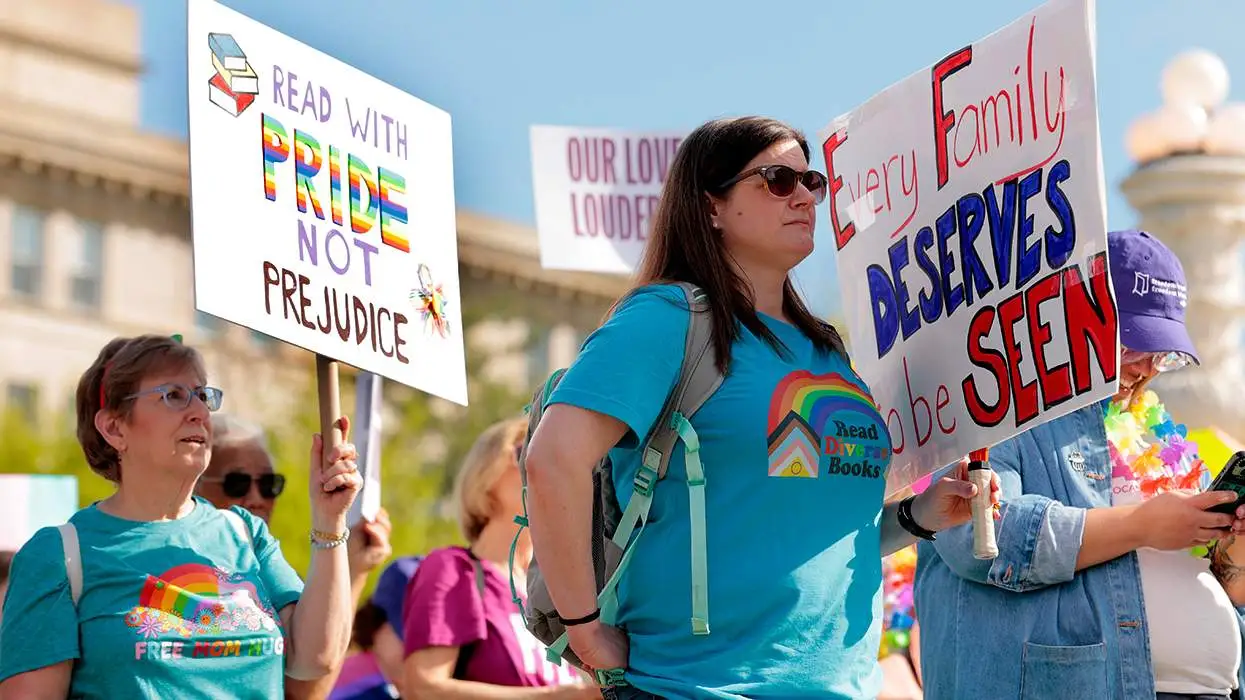
Join the Discussion
What the Supreme Court did
The Supreme Court temporarily blocked California from enforcing a policy that prevents school staff from notifying parents if a student expressed a desire to engage in gender transitioning, unless the child consents to the parents finding out. The dispute reached the Court as Mirabelli v. Bonta, after the U.S. Court of Appeals for the 9th Circuit had sided with the state.
The high court temporarily vacated the 9th Circuit’s order in a 6-3 vote, with three liberal justices dissenting. The Court’s unsigned order included language that has been quoted widely because it frames the constitutional tension in plain terms:
“The State argues that its policies advance a compelling interest in student safety and privacy,” the Court wrote. “But those policies cut out the primary protectors of children’s best interests: their parents.”
It is worth slowing down on what this does and does not mean. A temporary block is not a final ruling on the full merits of the case. But when the Court says a policy is likely unconstitutional at this stage, it can shift legal risk calculations in the real world. That is analysis, not a promise of what the Court will ultimately do, but it helps explain why districts and advocacy groups are now moving quickly.
The Alaska policy drawing fire
In Alaska, a small K-12 district, Hoonah City School District, has become the latest target in this broader conflict. A conservative legal organization asked the U.S. Departments of Education and Justice to investigate the district’s approach to parent communication about gender identity.
The complaint centers on a policy instructing school administrators to use a student’s legal name and pronouns when communicating with parents, even if the student is going by a different name and pronouns at school. The argument is that, in real life, this can create two parallel realities: one identity presented at school, and another presented to parents.
America First Legal argued that in practice, the policy “requires school staff to present one identity to parents while facilitating another at school, effectively directing them to deceive parents about their own children.”
Ian Prior, a senior counsel for the group, put it bluntly: “Hoonah City School District’s nonsensical ‘gender identity’ policies strip parents of their rights, applaud deception, and brazenly violate federal law.”
Hoonah is not alone in facing scrutiny. The Justice Department’s Civil Rights Division has already indicated it is open to examining similar practices, including through a probe opened into the Los Angeles Unified School District, the nation’s second-largest school district comprising more than half a million students.
Another dispute in New Jersey
The post-decision ripple effects are also showing up on the East Coast. The conservative Thomas More Society made a similar legal threat last month against the Westwood Regional School District in New Jersey.
The legal group said it would initiate litigation if the district did not rescind a policy that lets schools withhold students’ gender identity information from parents. Peter Breen, an executive vice president with the Thomas More Society, said he had hoped the Supreme Court’s decision “would end the practice of secret gender transitions, but what’s becoming clear to us is this is just the beginning.”
“We are already fielding requests from other parents across the country, and we anticipate sending a lot more demand letters, unfortunately,” Breen said.
Understanding the collision
When people talk past each other on this issue, it is often because they are talking about different kinds of rights at the same time. Here are the three that most often collide.
1) Parents’ rights to direct upbringing
American constitutional law has long recognized that parents have a protected role in directing the care and upbringing of their children. That does not mean parents win every dispute with a school. It does mean that government institutions, including public schools, generally need a strong justification before they deliberately cut parents out of major decisions.
2) Student privacy and safety
Schools have real obligations to prevent bullying, harassment, and retaliation. They also manage sensitive student information every day. Supporters of non-notification policies often frame them as a safety measure for students who fear rejection or abuse at home. In the California case, attorneys argued the policy was designed to protect transgender children from allegedly abusive parents.
The constitutional problem emerges when “privacy” becomes a blanket rule that assumes parents are a danger by default. The Supreme Court’s language suggests skepticism of that approach, especially when the policy is designed to keep parents from learning about consequential changes at school.
3) School authority to run school
Public schools have broad discretion over daily operations: records, classroom management, and how staff communicate with families. But discretion is not the same thing as unlimited power. When a district sets a policy that effectively creates a wall between parent and child on a personal matter, courts may ask whether the school has crossed from educating into substituting its judgment for a parent’s.
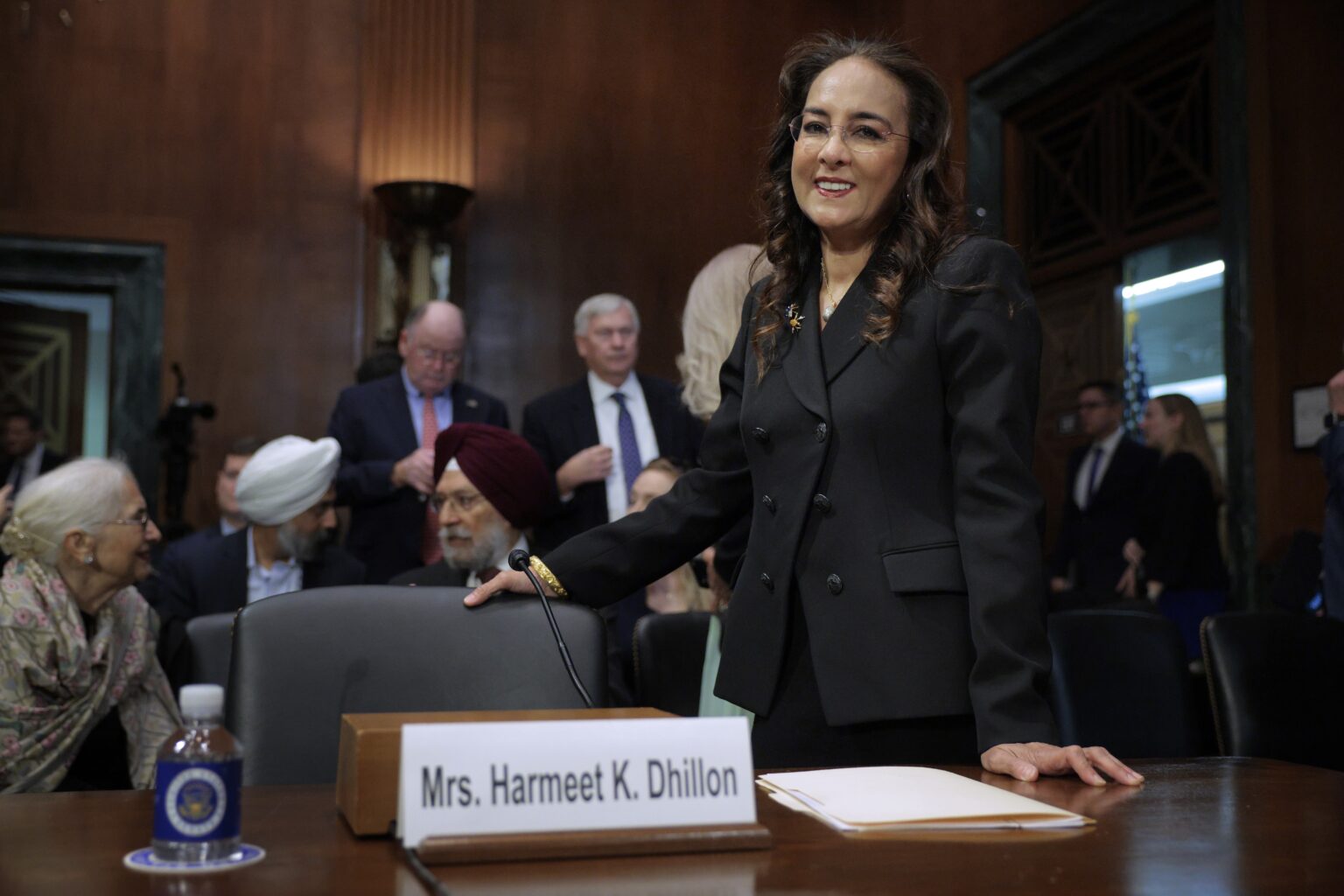
How “secrecy” policies work
When families hear the phrase “gender secrecy,” they sometimes imagine a single dramatic act: a school refusing to answer a parent’s direct question. The phrase itself is contested, and often used by critics. In practice, the policies critics describe can be more subtle and administrative.
- Two-name systems: a student uses one name in class and another in emails or official communications home.
- Pronoun splits: staff use one set of pronouns at school while using different pronouns with parents.
- Consent gates: staff may be directed not to disclose certain information unless the student agrees.
Supporters say these practices can reduce harm to vulnerable students. Critics respond that they create a government-managed secret about a child’s identity, and that secrecy itself can be harmful, especially when parents are trying to understand sudden changes in behavior, anxiety, depression, or social conflict.
Who controls what schools can hide
If you are looking for a single rule, it is not there. What you get instead is a patchwork of legal authorities:
- Local school boards adopt policies and administrative regulations.
- State governments can set statewide education rules and student privacy standards, and can limit what districts may do.
- Federal law can come into play through civil rights enforcement and constitutional claims.
- Federal courts decide whether a policy violates constitutional protections, including religious liberty claims and parental rights theories.
The Supreme Court’s recent action matters because it can change risk calculations. A policy that once felt legally safe because a state endorsed it may look more vulnerable if it functions to exclude parents as a category. That vulnerability is already being tested through complaints, demand letters, and investigations.
What parents can do now
When a controversy touches your child, it is easy to feel like you must either accept everything quietly or go to war immediately. Most families can start with calmer, practical steps.
- Ask for the written policy. Do not rely on rumors. Request the exact board policy and any administrative regulations or guidance.
- Clarify communication rules. Ask how staff are directed to handle names, pronouns, and parent questions.
- Document interactions. Keep notes of meetings and emails, especially if you are told information cannot be shared.
- Use board meetings strategically. Public comment is most effective when it is specific: quote the policy language and ask for a revision.
- Know the difference between privacy and secrecy. Protecting a student from bullying is not the same thing as institutionalizing non-disclosure to parents.
If a dispute escalates, families may seek legal advice. But even then, the first battleground is often policy drafting, not courtrooms.
The bigger question
At heart, this debate is not only about gender identity. It is about the boundaries of trust in public institutions. Schools serve children, but they do so on behalf of families and communities. When a district adopts a system that presents one story to parents and another story to the child’s daily environment, it invites a constitutional question and a social one: is the school acting as an educator, or as an alternative parent?
After the Supreme Court’s recent move, policies built around bypassing parents could face more legal pressure, especially as more complaints and demand letters emerge. The next phase is likely to play out district by district, not just in national arguments, but in the fine print of handbooks and the ordinary emails that go home at the end of the day.