The Strait of Hormuz is not just a narrow stretch of water. It is a pressure point where global commerce, regional rivalries, and U.S. constitutional limits collide.
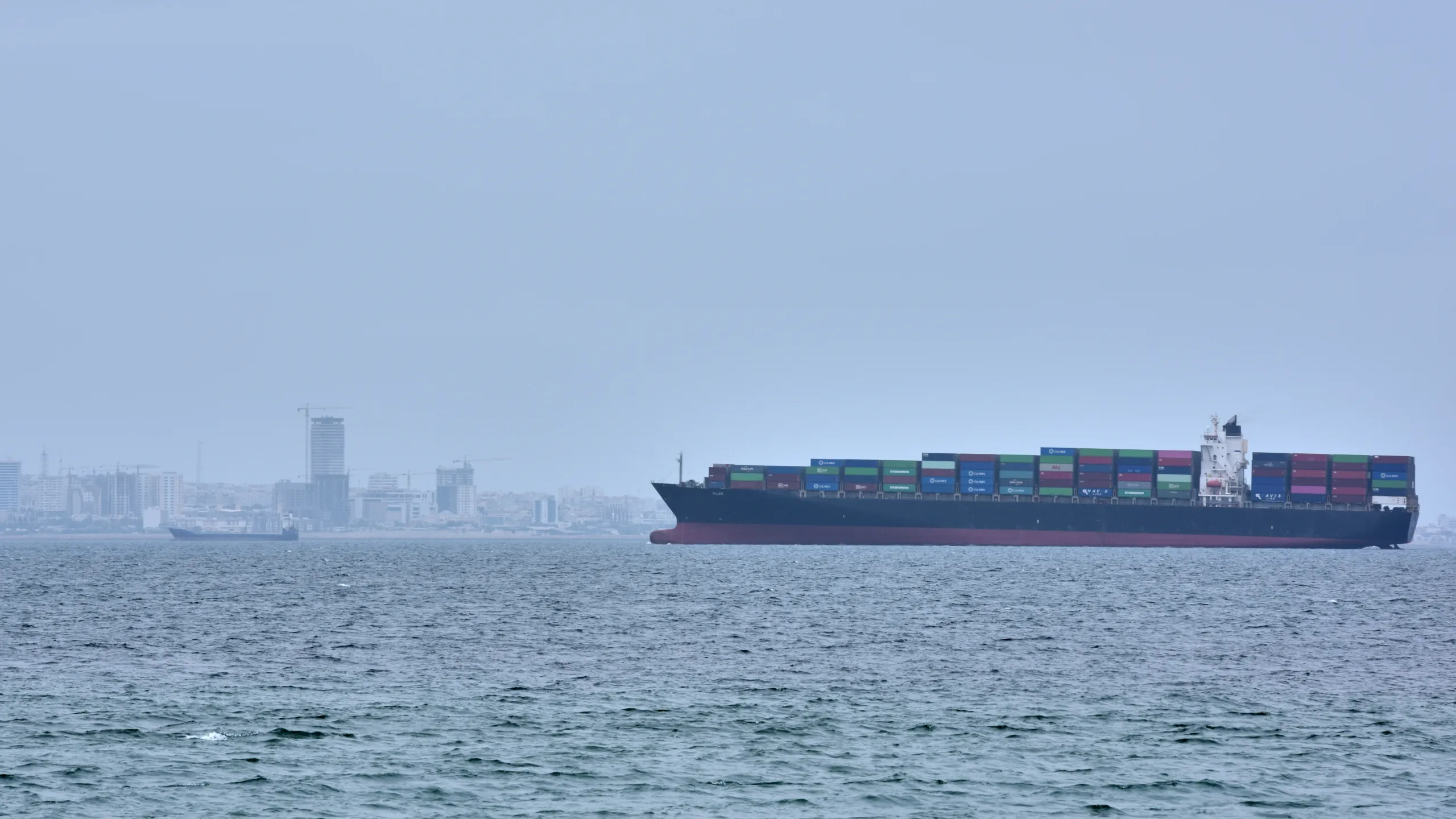
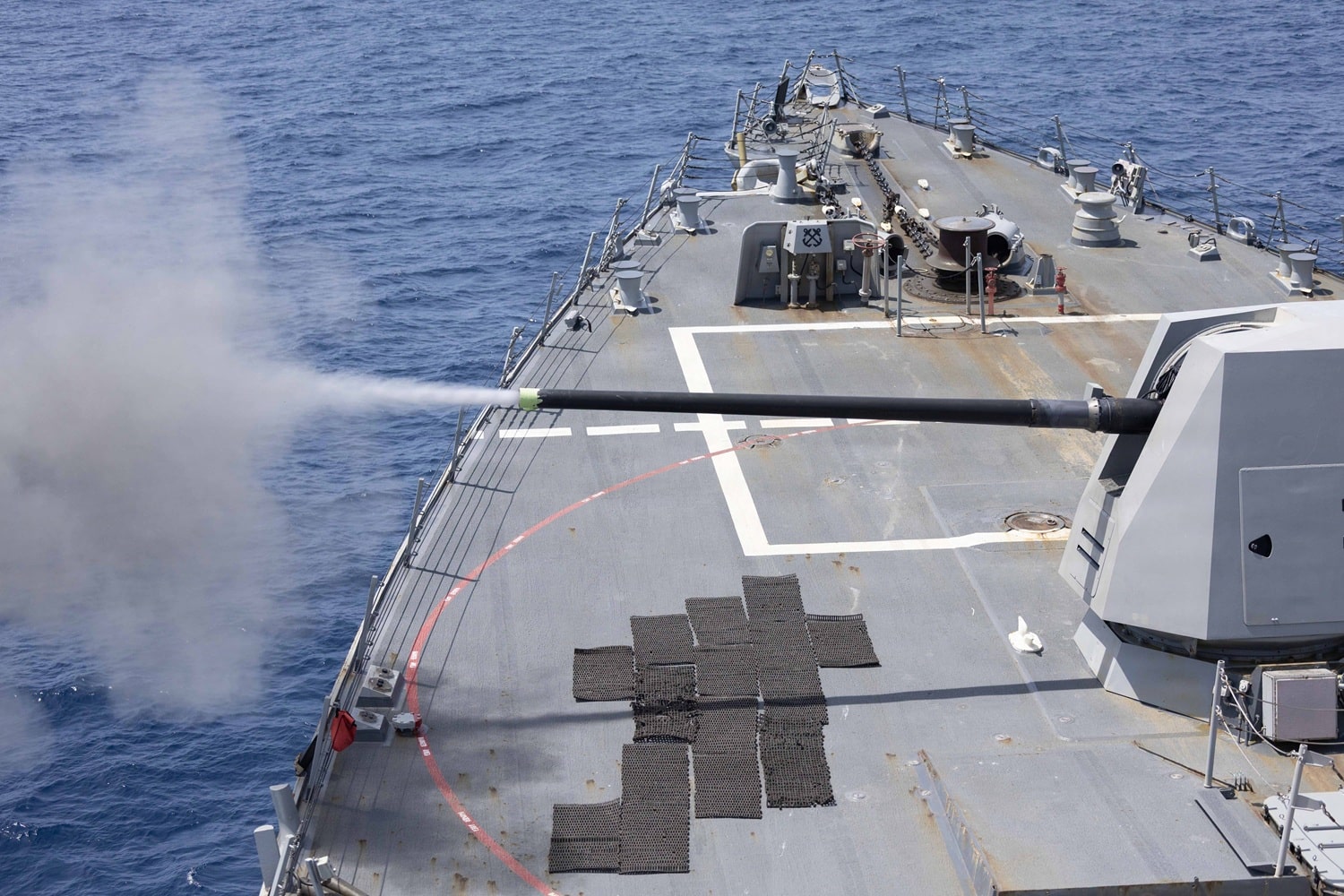
On April 19, 2026, U.S. Central Command released video showing the destroyer USS Spruance firing on an Iranian-flagged cargo vessel that President Donald Trump said was named TOUSKA, after it attempted to pass through what was described as a blockade in the Strait of Hormuz. Trump said the ship was given “fair warning” before the U.S. Navy attacked it, and that it was seized.
It is easy to file this away as a tactical episode. Constitutionally, incidents like this can cast a longer shadow. A limited naval action can stay limited, or it can become the first link in a chain of retaliation. The difference often turns on two things most Americans rarely see: the President’s claimed legal authority and the military’s rules of engagement.
Join the Discussion
What happened
Based on the public information released so far, the key points are straightforward:
- The vessel was described as an Iranian-flagged cargo ship that Trump said was named TOUSKA.
- It attempted to move through the Strait of Hormuz despite what was described as a blockade.
- Video released by U.S. Central Command depicts the USS Spruance firing during the incident.
- Trump said the vessel received “fair warning” before the attack.
- Trump said the ship was ultimately seized by U.S. forces.
One constitutional question pops immediately: is this the kind of “hostilities” that triggers Congress’s role, or is it a defensive, limited use of force the President can direct under existing authority?
What is not yet clear from the public material is the legal basis for the blockade itself, or key operational details such as damage, injuries, what followed the firing, or how the seizure was carried out.
War powers basics
The Constitution splits responsibility on purpose.
- Congress has the power to “declare War,” to fund the military, and to make rules for the armed forces.
- The President is the “Commander in Chief,” meaning he directs military operations once forces are deployed and can respond to urgent threats.
In real life, that division is often messy. Modern conflicts rarely begin with a formal declaration, and presidents of both parties have used force first and sought political support later.
But the core idea remains: Congress is supposed to decide whether the nation will enter a sustained conflict, while the President can act quickly to protect U.S. forces and interests when time is short.
Is this an act of war?
People often ask this as a yes-or-no question, but constitutionally it is more useful to ask two smaller questions:
1) What authority is being claimed?
Interdictions at sea can be framed as law enforcement-like actions, defensive operations, or a component of an ongoing military mission. Each framing has consequences. A “defensive” incident is easier for a President to justify under commander-in-chief authority. A new, sustained campaign of attacks and seizures starts to look more like the kind of conflict Congress is meant to authorize.
2) Does it trigger retaliation?
Even a limited strike can invite a response. In a tight maritime corridor like the Strait of Hormuz, retaliation can be fast, ambiguous, and difficult to attribute. That is exactly how an isolated incident can become the opening chapter of something larger.
Rules of engagement
Rules of engagement, often shortened to ROE, are practical instructions that determine when and how U.S. forces may use force. They are built to fit legal requirements such as the law of armed conflict, but they also serve a strategic purpose: they try to prevent commanders from stumbling into escalation.
Trump’s comment that the ship received “fair warning” points to a familiar ROE concept: graduated responses. In many maritime encounters, forces use a ladder of steps such as radio calls, visual signals, warning shots, and only then disabling or destructive fire, depending on the threat.
Why does that matter constitutionally? Because ROE can shape what an incident becomes. A carefully controlled engagement may stay contained. A single misread signal, or a shot fired too soon, can expand the fight before Congress has said a word.
Congress and war powers
After Vietnam, Congress attempted to reassert its constitutional role through the War Powers Resolution of 1973. In simplified form, it tries to do three things:
- Require the President to notify Congress when U.S. forces are introduced into hostilities or situations where hostilities are imminent.
- Create a clock for ending involvement absent authorization, often discussed as a 60-day framework (with additional provisions).
- Reinforce the principle that sustained hostilities should not continue without congressional backing.
Presidents frequently argue the Resolution is unconstitutional or does not apply to a particular operation. Congress, for its part, often avoids a clean up-or-down vote, especially when the immediate facts are complex or politically risky.
That stalemate is how the nation can drift: not necessarily into a declared war, but into ongoing hostilities that never quite receive the full democratic debate the Framers envisioned.
How escalation happens
Naval incidents are uniquely prone to escalation for a few reasons:
- Speed: commanders may have seconds to decide, while Congress moves slowly.
- Ambiguity: shipping lanes are crowded, and intentions can be disputed.
- Symbolism: seizures, blockades, and strikes are public and humiliating, which can pressure governments to respond.
- Geography: the Strait of Hormuz is narrow and strategically vital, so even small confrontations can disrupt global energy markets and trigger regional involvement.
Once the cycle begins, each side may claim it is acting defensively. Constitutionally, that is a dangerous posture, because it can keep major decisions in the executive branch while the political system debates whether it is really a war.
What to watch next
If you are trying to assess whether this incident stays limited or starts pulling the United States toward a broader conflict, a few public signals matter:
- Notice to Congress: whether the administration submits a war powers report or similar notice, and how it describes the situation.
- Stated legal basis: whether the President claims inherent Article II power, relies on an existing authorization for use of military force, or describes the event as enforcement of a blockade regime.
- What the video does and does not show: public footage can depict firing, but still leave unanswered questions about the full sequence of events and the operational outcome.
- Duration and pattern: a single incident is different from a campaign of repeated strikes or interdictions.
- Retaliation: attacks on U.S. ships, bases, or commercial shipping can quickly change the legal and political landscape.
- Congressional posture: hearings, funding restrictions, or an explicit authorization are all ways Congress can exercise its constitutional role.
One naval encounter does not automatically equal war. But it can create the conditions for war, especially if it becomes routine and Congress does not clearly decide where the line is.
The bottom line
The President can act quickly at sea. That is part of what it means to be Commander in Chief. But the Constitution does not treat that speed as a blank check for open-ended conflict.
When force becomes sustained, when goals expand, or when the risk of retaliation rises, Congress’s duty to deliberate and authorize is not a formality. It is the mechanism meant to keep the nation from sliding into war on momentum alone.
The reported seizure of the TOUSKA near the Strait of Hormuz is a reminder that constitutional questions are not just courtroom puzzles. Sometimes they arrive with warning shots.