
A growing number of climate activists and state and local governments have tried to use the courts to pressure oil and gas companies, not only through regulation, but through lawsuits that seek massive financial liability. The basic theory is straightforward: if a judge or jury can be persuaded that energy companies “caused” climate harms, the resulting damages and penalties could reshape the industry from the courtroom outward.
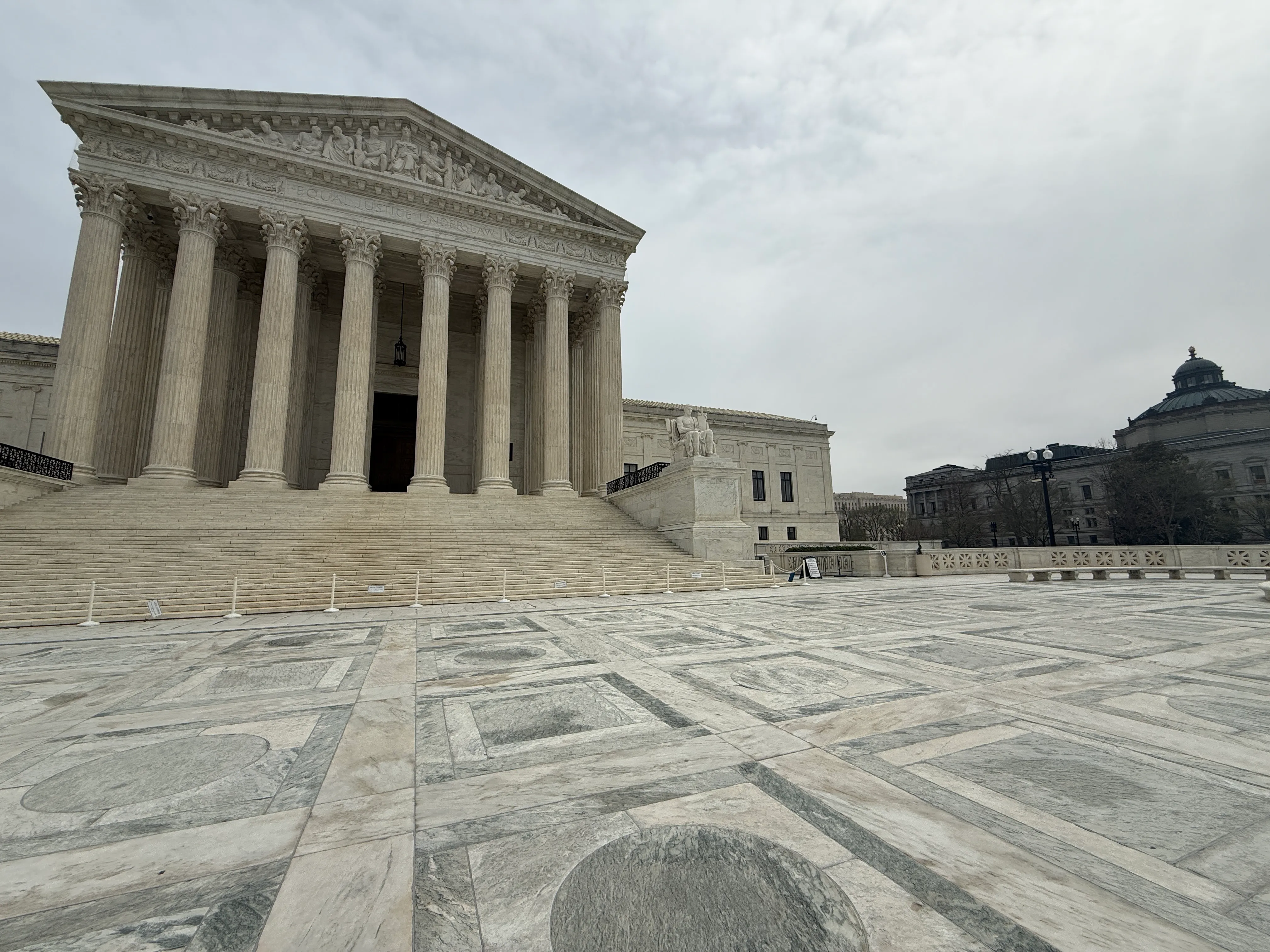
This week, the Supreme Court struck down an attempt to penalize oil companies tied to helping the United States during World War II, according to supporters of the decision. The ruling does not settle every climate case in the country. Still, backers of the decision say it signals limits on how far certain climate-litigation theories can be stretched, at least in this World War II-linked context.
Join the Discussion
What the Court blocked
At the center of the dispute was a legal effort to impose penalties on oil companies based on conduct connected to helping the U.S. effort during World War II. Supporters of the decision describe the Supreme Court’s ruling as rejecting that attempt.
Beyond that core point, the public takeaway should stay modest. The decision is being discussed as narrow because it addresses a World War II-related penalty effort, not the full menu of climate lawsuits now working their way through lower courts. Defendants in other cases may still cite the ruling, and critics of expansive climate tort theories expect it to be used as persuasive support for tighter legal boundaries. But the Court did not, on its own terms, resolve every climate-tort question in the country.
This matters because tort-style liability can be powerful. Even without a final verdict, the risk of very large damages and prolonged litigation can affect how businesses invest, insure, and price their products. When that pressure targets an industry that supplies heat, electricity, transportation, and industrial inputs, the consequences can extend far beyond a single courtroom.
Why critics say lawfare
These cases are sometimes described by critics as climate “lawfare.” In that critique, the label is not about whether climate change is real or whether emissions matter. It is about the tactic: using litigation as the primary weapon to achieve policy goals that normally move through legislatures, agencies, and elections.
In that view, common elements of the broader playbook include:
- Seeking favorable venues: filing in jurisdictions thought to be more receptive to expansive liability theories.
- Expansive causation arguments: trying to connect a global, multi-decade phenomenon to specific defendants in a way that yields a clean damages number.
- Leverage through process: using discovery and prolonged litigation costs to push companies toward settlements or concessions before any final merits decision.
Supporters of these lawsuits argue they are pursuing accountability. Opponents argue the cases try to use state-level claims to drive national outcomes. In the World War II-related effort the Court struck down, opponents say the Supreme Court decision is best read as a reminder that some theories have legal stopping points, at least in that specific setting.
Federal and state lines
When a court is asked to impose sweeping liability for the production and sale of energy, it is not only a fight about climate science. It can also raise questions about who sets the rules for an industry that operates across state borders and intersects with national priorities.
That is the underlying tension these cases can create: Can one state’s legal standards, applied through damages, effectively steer the national economy? The Supreme Court’s latest ruling does not answer that question for every possible lawsuit. Even so, legal critics of expansive climate tort theories argue the decision can be cited to support keeping some categories of national policy disputes out of state-court damages frameworks, especially when a theory is linked to companies helping the United States during World War II.
What happens next
This is not the end of climate litigation. Expect activists and government plaintiffs to adapt. After a Supreme Court setback like this, supporters of the decision argue some options may be less attractive, and strategies may shift toward claims that are easier to connect to specific conduct and specific harms.
1) More federal pathways
When broad state-law theories hit resistance, plaintiffs often look harder at federal statutes or federal-court claims. That route can be slower and more technical, but it can fit better with disputes that are inherently nationwide.
2) More targeted cases
Cases tied to specific, local conduct and identifiable local harms tend to be more legally durable than cases that treat global emissions as a single, litigable injury. That can mean a shift toward disputes about particular facilities, permits, or discrete allegations of misrepresentation, rather than asking one jury to assign climate damages for entire regions.
3) A turn toward injunctions
Sometimes plaintiffs want money. Sometimes they want a court order that changes business behavior. If sweeping damages theories become harder to sustain, injunction-focused litigation can look more attractive.
What it means for gas prices
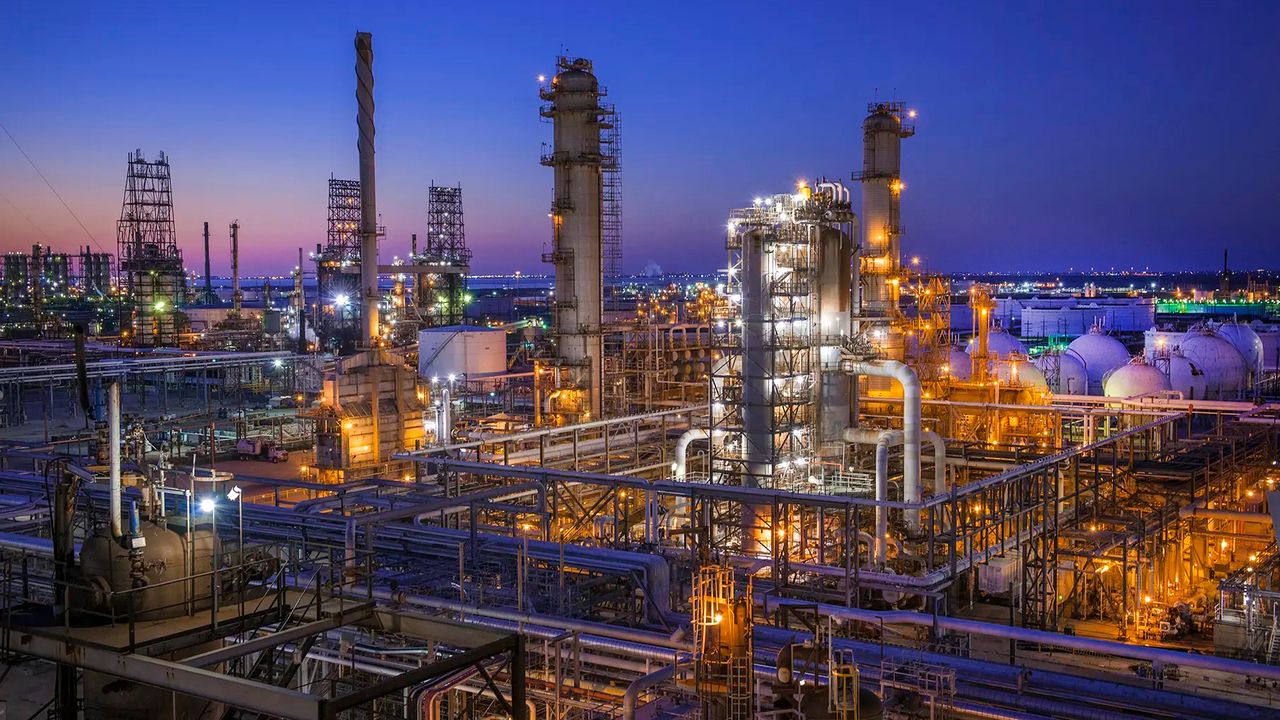
Even people far from a courtroom can still see major litigation reflected in the economy over time. Here is how large, high-stakes lawsuits can filter through to consumers in general:
- Higher risk premiums: if companies face unpredictable mega-verdicts, their insurance and financing costs can rise.
- Lower investment certainty: capital tends to avoid sectors where future liability is unknowable, and less investment can mean tighter supply.
- Costly settlements: large settlements can come with operational commitments that raise costs, apart from the payout itself.
Energy prices are influenced by many forces, including global supply, refinery capacity, seasonal demand, and geopolitics. Legal uncertainty is not the only factor, and this particular ruling is not a direct, near-term price lever. The narrower point is that sustained legal risk across a sector can shape long-run investment decisions and supply planning at the margins.
Affordability is already a live issue. The Energy Secretary said gas prices could stay above $3 per gallon until next year. Court rulings do not set pump prices, but legal and regulatory uncertainty can be one part of the broader backdrop that investors and producers consider.
Accountability still matters
In a constitutional system, how decisions are made matters nearly as much as the decisions themselves.
Big questions like how quickly to transition energy systems, how to balance emissions goals with affordability, and who should pay for infrastructure involve tradeoffs. Legislatures can weigh those tradeoffs openly, revise them, and be held accountable at the ballot box. A courtroom is designed for resolving discrete disputes, not for setting energy policy for everyone.
The Supreme Court’s ruling does not end climate policy debates. Supporters of the decision say it reinforces a simpler point: the most sweeping changes tend to be more durable when they move through elections, legislation, and transparent regulation, rather than being imposed indirectly through expansive liability theories.
Bottom line
The Supreme Court struck down an attempt to penalize oil companies tied to helping the United States during World War II. Climate litigation will continue, but this ruling closes off that World War II-linked strategy, and supporters say it may also be cited to argue against similarly aggressive theories in other cases.
For everyday Americans, the larger concern raised by critics of these lawsuits is not that one Supreme Court decision will move prices overnight. It is that when lawsuits seek industry-wide consequences through massive verdicts, the costs and uncertainty can ripple outward into investment decisions and supply constraints over time. That debate now sits alongside an immediate pocketbook reality: the Energy Secretary has warned gas prices could remain above $3 per gallon until next year.