When presidents pick Supreme Court justices, the political world often talks as if those seats come with a kind of long-term loyalty. This week offered a useful reminder that the Constitution does not work that way.
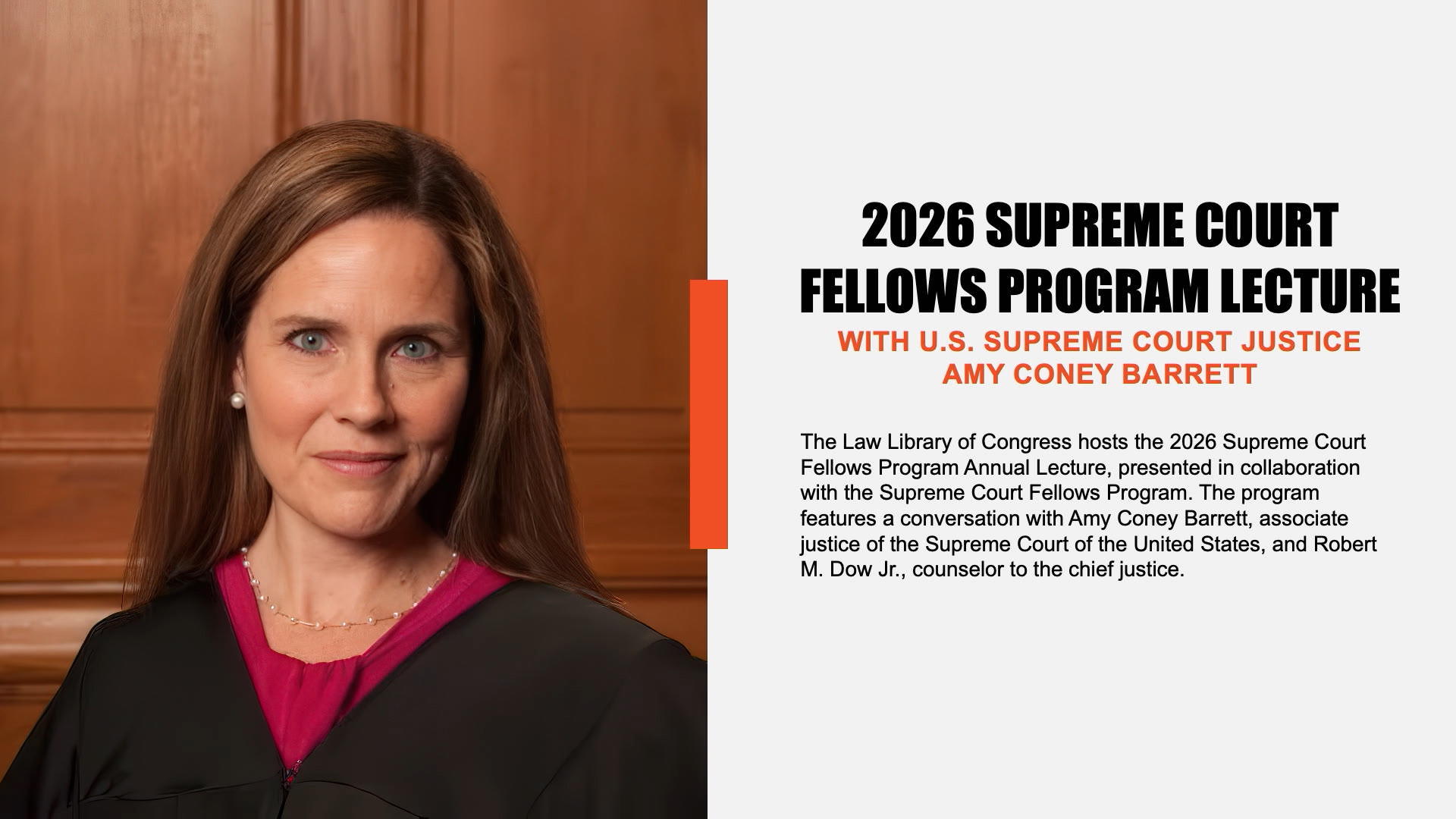
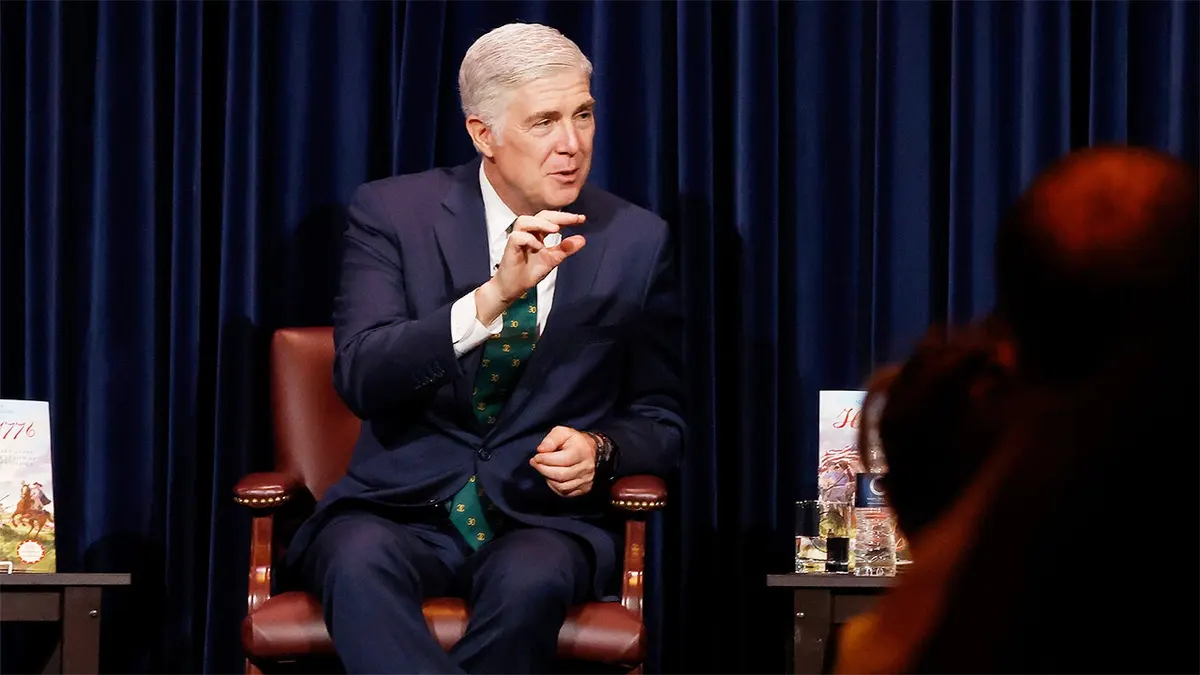
After the Supreme Court struck down most of President Donald Trump’s sweeping tariffs, Trump publicly blasted two justices he appointed, Neil Gorsuch and Amy Coney Barrett, for joining the majority. Beyond the headlines and the heat, the moment raises a steady civic question: how independent is the judiciary supposed to be, and how much influence can a president realistically have once a justice has lifetime tenure?
Join the Discussion
What the Supreme Court decided
The tariff dispute centered on a statute presidents sometimes rely on in urgent situations: the International Emergency Economic Powers Act, usually shortened to IEEPA.
In February, the Supreme Court ruled 6 to 3 that IEEPA did not give the president authority to impose broad, global tariffs, invalidating most of Trump’s sweeping global tariffs. Chief Justice John Roberts wrote the opinion, emphasizing the Court’s limited role under the Constitution:
"We claim no special competence in matters of economics or foreign affairs. We claim only, as we must, the limited role assigned to us by Article III of the Constitution," Roberts wrote. "Fulfilling that role, we hold that IEEPA does not authorize the President to impose tariffs."
Justices Clarence Thomas, Brett Kavanaugh, and Samuel Alito dissented, arguing that the president should have broader power to impose tariffs during national emergencies.
Trump’s criticism and “loyalty”
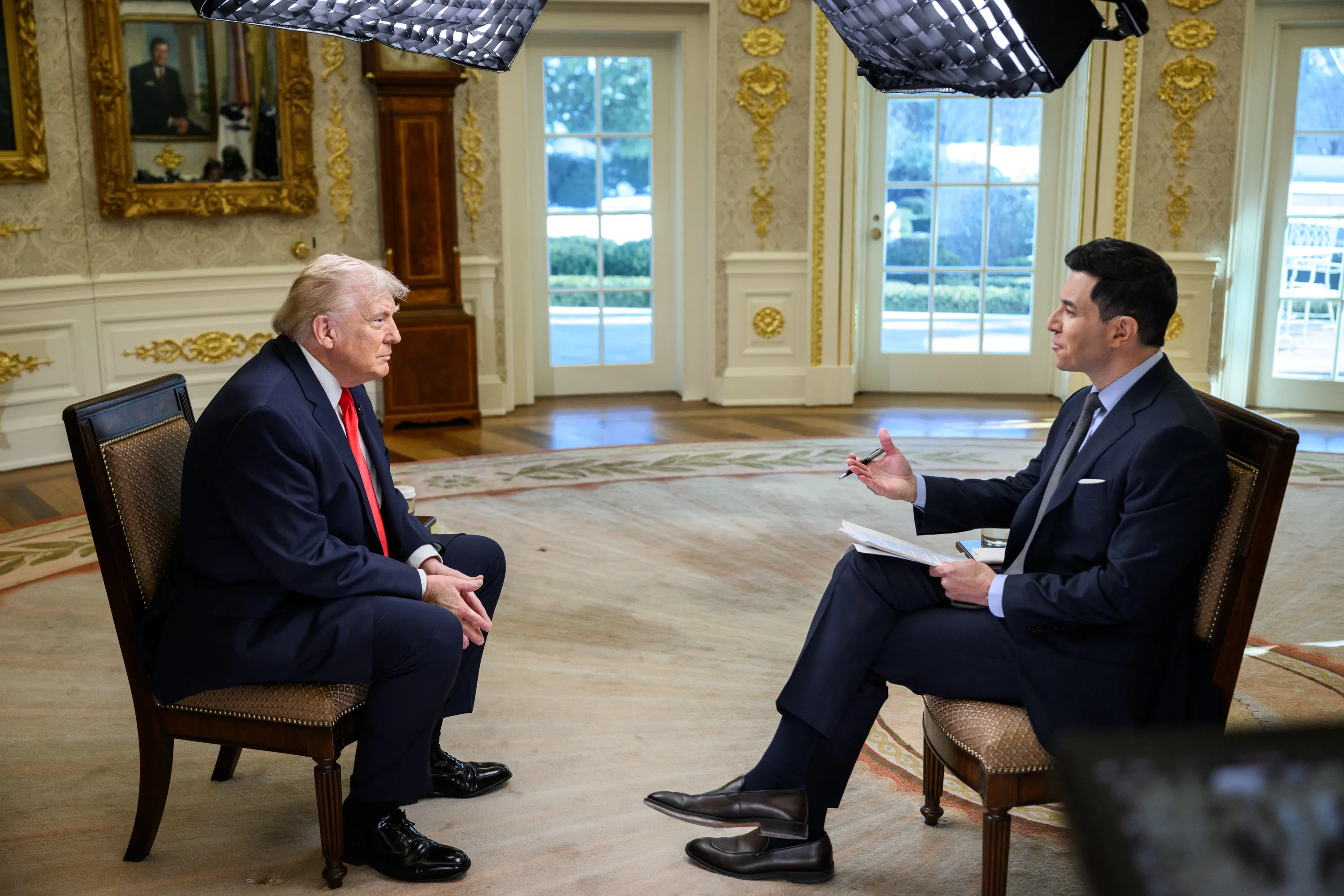
On Sunday, Trump aimed his frustration at Gorsuch and Barrett on his social media platform for joining the Court’s majority. He wrote that they were appointed by him and “yet have hurt our Country so badly!” He claimed the decision would force the United States to return money and said, "their decision on Tariffs cost the United States 159 Billion Dollars".
He also argued that the Court could have avoided that result by adding what he called a small fix, writing: "They could have solved that situation with a 'tiny' sentence, 'Any money paid by others to the United States does not have to be paid back.' Why wouldn’t they have done so?"
Then Trump went further, suggesting that party alignment should matter in judging. In one post, he wrote: "With certain Republican Nominated Justices that we have on the Supreme Court, the Democrats don’t really need to 'PACK THE COURT' any longer" and added, "In fact, I should be the one wanting to PACK THE COURT!"
It is worth pausing here, because this is where constitutional design matters more than political grievance. A justice is not supposed to be loyal to a president, or to a party, or to a policy agenda. A justice is supposed to be loyal to the law as they understand it, and to the Constitution that structures their job.
Independence is built into Article III
Judicial independence is often described in moral terms, like bravery or integrity. But the Constitution treats it as architecture.
Article III gives federal judges life tenure during “good Behaviour,” and it protects their compensation from being reduced while they are in office. Those provisions do something very practical: they reduce the pressure to please the political branches. A justice does not need to campaign for reappointment, does not need to win over voters, and does not need to keep the president happy to keep the job.
This is why it is entirely normal, in the constitutional sense, for a justice to rule against the president who nominated them. The appointment is the president’s influence. The decision is the justice’s responsibility.
What Trump added about other cases
Trump’s posts did not stop with tariffs. On Sunday, he also said he believed the Supreme Court would block his attempt to limit access to birthright citizenship. The Court heard a case on April 1 over Trump’s executive order.
He framed his position in national terms, writing, "I don't want loyalty, but I do want and expect it for our Country," and later added, "Well, maybe Neil, and Amy, just had a really bad day, but our Country can only handle so many decisions of that magnitude before it breaks down, and cracks!!!"
Why presidents cannot direct the Court
Presidents do have significant influence over the judiciary, but that influence is mostly indirect and front-loaded.
- They nominate judges and justices, often with the hope that their constitutional philosophy aligns with the administration’s goals.
- They shape litigation strategy through the Justice Department, choosing which arguments to press and which cases to appeal.
- They can advocate publicly for policies, for interpretations, and for outcomes.
But once the Court is deciding a case, the president cannot lawfully order an outcome. And the Court has its own institutional incentives that do not always match a president’s political timetable. A statutory case like this one, about whether a particular law authorizes tariffs, can turn less on ideology than on how the justices read Congress’s words and the limits of delegated power.
The “limits” lesson
Tariffs are not just a technical policy tool. They touch prices, supply chains, jobs, and international relationships. Presidents often prefer flexibility in this area because the world changes quickly and negotiations are messy.
Still, the Court’s February ruling reflects a basic separation-of-powers principle: if the executive branch is going to use a statute to take a major action, the statute has to actually authorize that action.
Chief Justice Roberts’s wording is revealing because it describes a judicial mindset that is intentionally limited. The Court is not claiming it knows the best economic policy. It is claiming it knows what job Article III gives it: interpreting legal authority.
What this says about court-packing
Trump’s comments also touched on “packing the Court,” a phrase usually used to describe expanding the number of justices to change the Court’s direction.
Whatever one thinks of that idea as a political tactic, the episode shows why court-packing arguments often start from a misunderstanding: that justices are predictable votes if only you choose the right “team.” In reality, lifetime tenure plus a professional judicial culture creates room for justices to surprise presidents, disappoint interest groups, and frustrate party strategists.
That unpredictability is not a bug in the system. It is one of the ways the system tries, imperfectly, to keep legal judgment from becoming simple political obedience.
A note on criticism
Public criticism of the Supreme Court is not unconstitutional. Presidents, members of Congress, and everyday citizens have First Amendment rights. But the tone and the expectation matter.
Criticizing a decision is one thing. Suggesting that a justice owes personal loyalty to the president who nominated them is another. That expectation cuts against the very reason the Constitution insulates judges from ordinary political pressure.
Bottom line
Trump’s anger at Justices Gorsuch and Barrett is a vivid, modern example of an old constitutional reality: presidents can help shape the Court through appointments, but they cannot control it. The judiciary’s legitimacy depends on its ability to decide cases based on law, even when that produces outcomes that frustrate the political branches.
If there is a civics takeaway here, it is this: the limits of presidential influence over the Supreme Court are not a failure of democracy. They are one of the Constitution’s safeguards.