
College sports used to be governed by a familiar arrangement: the NCAA wrote the rulebook, schools handled day-to-day compliance, and conferences often supported enforcement in uneven ways. States mostly stayed out of the way. NIL changed that. Transfers changed that. And lawsuits, especially antitrust suits, changed that.
In response, lawmakers in Washington have periodically floated a federal framework for how college athletes can be paid for their name, image, and likeness, how and when they can transfer, and who decides eligibility. Sometimes those ideas appear as discussion drafts, sometimes as introduced bills, and sometimes as hearings that test the political appetite for a national rulebook.
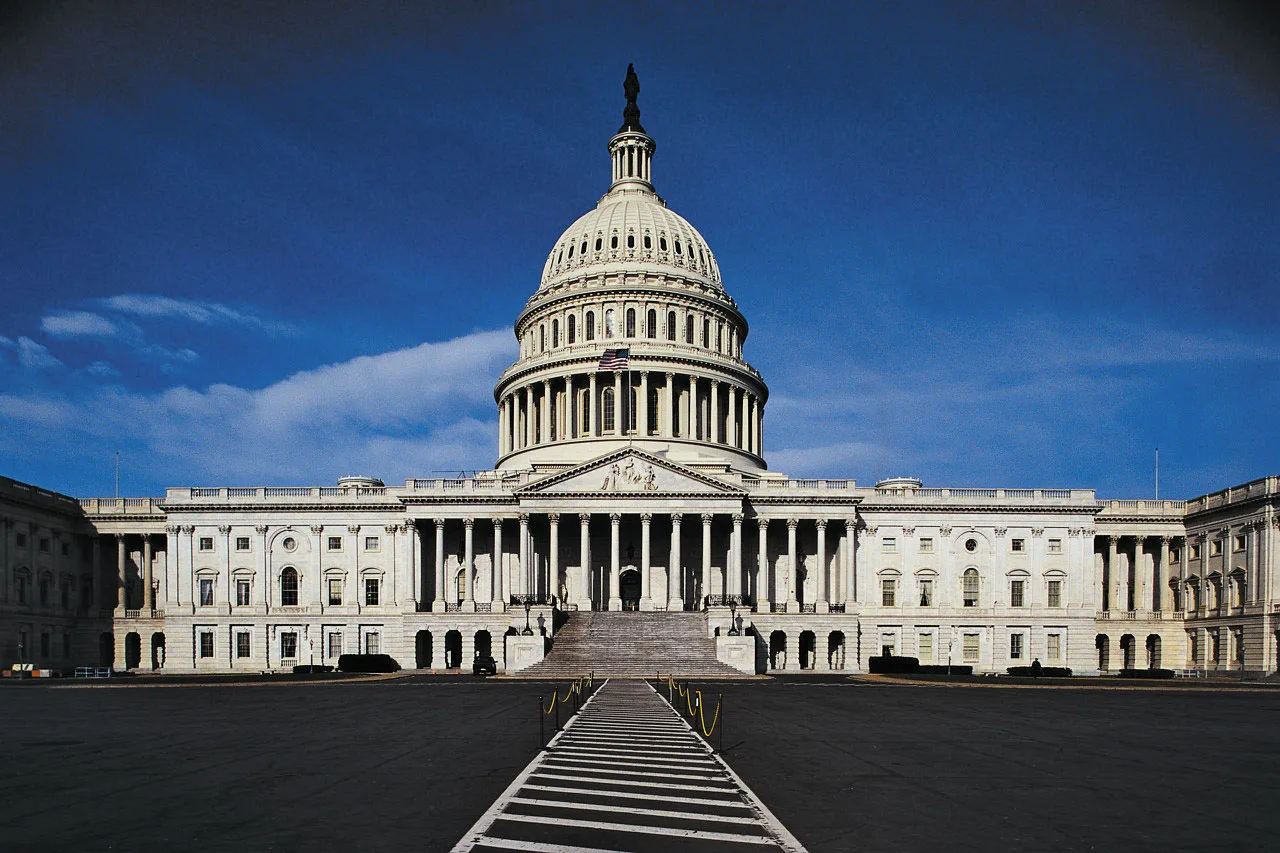
The durable story is about power: what Congress can standardize nationwide, what the NCAA can still control as a private association, and what states lose when federal law occupies the field.
Join the Discussion
Where NIL and transfers stand
NIL stands for name, image, and likeness. In plain English, it is the legal right of an athlete to make money from personal publicity, like endorsements, social media sponsorships, autographs, camps, appearances, and merch that uses their identity.
But college NIL is not governed by one national statute. It is a patchwork:
- State laws that set boundaries and protections, which vary dramatically.
- NCAA policy, including an interim NIL approach shaped by state-law pressure and the risk of litigation.
- Conference and school policies layered on top of both.
- Private contracts, especially through NIL collectives (booster-backed groups that help arrange NIL opportunities) and brand agreements.
Transfers are also unstable. The NCAA sets baseline eligibility rules and waivers, conferences and schools add process and timing, and the whole structure sits under pressure from shifting NCAA guidance, sport-by-sport variations, and ongoing litigation challenging transfer-eligibility limits. When transfer restrictions look like restraints on athlete movement, courts can end up analyzing them like the kinds of restraints antitrust law is suspicious of.
If you do not follow this closely, here is the practical reality: eligibility rules often turn on timing. Many sports operate with transfer windows, and athletes can also run into what lawyers and compliance offices call an eligibility clock, meaning the rules that govern how long someone has to compete once they enroll and when that clock pauses or does not.

What a federal bill could change
Because Congress has been considering multiple college-sports proposals rather than one settled statute, exact language can shift. But bills in this space tend to target the same pressure points. If a comprehensive bill advances, expect it to try to do some combination of the following.
1) A national NIL rulebook
A federal law could set baseline rules for NIL deals. That can include what schools may facilitate, what disclosures are required, whether certain inducements are banned, and whether athletes must use particular reporting systems.
The biggest practical impact would be preemption: once Congress sets national standards, state NIL laws that conflict with that federal scheme can be displaced.
A concrete example of the problem a federal bill is trying to solve is that one state may allow schools to play a larger role in arranging NIL opportunities, while another state may cabin what institutions can do, or define violations and remedies differently. In a national recruiting market, those mismatches become competitive incentives, not just compliance details.
2) Standardized transfers and eligibility
Congress could define how many times an athlete can transfer without sitting out, when eligibility clocks stop or start, and what counts as a permissible restriction for competitive balance or academic integrity.
That sounds like a sports-policy question, but it is also a legal strategy. If Congress blesses a particular structure, it can change how courts analyze those rules under antitrust law.
3) A new antitrust and litigation landscape
The NCAA’s central legal problem is that some rules can look like a cartel: schools are economic competitors agreeing on limits for athlete compensation. The Supreme Court’s 2021 decision in NCAA v. Alston applied rule-of-reason scrutiny to limits on education-related benefits and signaled real skepticism toward broad “amateurism” justifications, including in Justice Kavanaugh’s concurrence.
Alston did not decide NIL rules or every question about athlete compensation. But its reasoning, and the Court’s tone, influences how lower courts evaluate related restrictions.
So many federal proposals consider some form of:
- Limited antitrust safe harbor for defined eligibility or compensation rules.
- Standards that courts must apply when evaluating restraints related to college athletics.
- Federal enforcement hooks, such as FTC authority over deceptive NIL practices or contract disclosures.
4) Athlete protections as a tradeoff
Federal proposals often bundle restrictions with protections, such as:
- Guaranteed medical coverage for sports-related injuries
- Minimum scholarship terms and limits on mid-year cancellations
- Academic support standards
- Agent registration and contract transparency requirements
This is the political logic of a national framework: if Congress is going to give colleges more legal certainty, it will be asked to give athletes more enforceable rights than a private NCAA handbook can reliably provide.
Why Congress can get involved
If you are wondering why Congress can regulate college sports, you are asking a constitutional question. The strongest argument runs through Article I, Section 8, especially the Commerce Clause, which authorizes Congress to regulate commerce among the states.
Big-time college athletics has obvious interstate features:
- Broadcast contracts span the country.
- Recruiting is a national market.
- NIL deals are negotiated and paid across state lines.
- Teams routinely travel interstate for competition.
- Merchandising and ticket sales ride on national brands.
Modern Commerce Clause doctrine is broad, but contested at the margins. In practice, courts often ask whether Congress is regulating interstate commerce directly, or activity that substantially affects interstate commerce. A national NIL and transfer framework is not a constitutional reach in the abstract, but any specific bill still has to fit within that substantial-effects logic.
Federal law vs NCAA policy vs state law
This debate is often framed as “Congress vs the NCAA,” but legally it is a three-corner fight.
Congress vs the states: preemption
Under the Supremacy Clause in Article VI, valid federal law is the supreme law of the land. If Congress passes an NIL statute with explicit preemption, state NIL laws that conflict will give way.
That could mean states lose their ability to:
- Set different rules about what schools can arrange or facilitate
- Define different penalties for violations
- Create state-specific athlete protections that conflict with the federal standard
But preemption cuts both ways. A federal baseline could also stop a race to the bottom where certain states design laws mainly to attract recruits.
Congress vs the NCAA: regulating a private association
The NCAA is not a government agency. It is a private association of member schools. That matters because the Constitution’s rights guarantees typically constrain government, not private rulemakers.
Yet Congress can still regulate private actors through its commerce power, and it does all the time. Think labor law, consumer protection, civil rights in public accommodations, and antitrust itself.
The more delicate question is not “can Congress touch this,” but “should Congress lock in a particular model of athlete compensation and mobility.” When Congress writes the rulebook, the default becomes statutory. Changing it later requires another act of Congress, not just an NCAA vote.
NCAA vs the states: the patchwork problem
State NIL laws were, in part, an attempt to force the NCAA’s hand by creating conflicting regimes that the NCAA could not practically police nationwide. That strategy worked.
A federal statute could end the patchwork, but only by deciding which pieces are uniform and which are left to institutional discretion.
What this could mean for athletes
Depending on the final language, athletes could see changes in four day-to-day areas.
- More predictable NIL compliance: fewer state-specific surprises, but potentially stricter reporting and enforcement.
- Transfer clarity: clearer timelines and fewer case-by-case waivers, but possibly fewer opportunities for repeated transfers.
- Eligibility disputes: a shift from NCAA internal processes to federally influenced standards, potentially with clearer appeal rights.
- Collectives: rules may tighten around booster-backed entities, including what counts as pay-for-play versus legitimate endorsement value.
One practical example is the eligibility fight that happens when an athlete transfers, plays right away, and then a dispute erupts over whether a waiver was required. In today’s environment, those disputes can move from NCAA process to court filings quickly, which is part of what a federal framework is trying to head off.
What this could mean for schools
Schools want two things that often collide: competitive control and legal safety.
- Legal safety could come from clearer federal standards and reduced exposure to certain antitrust claims.
- Competitive control could come from standardized transfer limits and tighter boundaries on inducements.
But a federal framework can also create new compliance burdens, federal enforcement risk, and new litigation over whether the statute is being followed.
Two topics that tend to sit just under the surface in these negotiations are:
- Employment status: whether athletes are treated as employees matters for collective bargaining, wage-and-hour rules, and other labor-law consequences. Some bills try to define the question away, while others avoid it and leave it to agencies and courts.
- Title IX and gender equity: federal rules that change how money flows through athletic departments can create knock-on effects for equity compliance and how schools allocate resources and support.
What to watch in the text
If you want to know whether a proposal is a minor cleanup or a structural overhaul, focus on these legal pressure points:
- Preemption: Does it wipe out most state NIL laws, or preserve room for stronger state protections?
- Antitrust: Is there a narrow safe harbor for specific rules, or a broad shield that changes the entire litigation landscape?
- Employment status: Does the bill avoid the question, define athletes as nonemployees, or leave room for labor-law developments?
- Enforcement: Who enforces the rules, the NCAA, a new entity, the FTC, or state attorneys general?
- Private lawsuits: Can athletes sue under the statute, or is enforcement only through agencies?
Bottom line
The constitutional foundation is plausible: Congress can point to interstate commerce and set national standards that override conflicting state regimes. The hard part is political and policy-driven: deciding what the national standard should be, and who gets protected when uniformity requires tradeoffs.
In other words, Congress is not simply debating NIL. It is debating who gets to write the rules of the new college sports economy.
Quick FAQ
Does the Constitution mention NIL?
No. The constitutional question is about Congress’s power to regulate interstate commerce and to make federal law that overrides conflicting state rules.
Can Congress tell the NCAA what rules to use?
Congress cannot run the NCAA like an agency without creating an actual federal program, but it can regulate the underlying market. That often has the effect of forcing private organizations to rewrite their rules to comply.
Will a bill end NIL payments?
A serious federal proposal is unlikely to eliminate NIL entirely because NIL rests on basic publicity rights and a now-established marketplace. The fight is usually over boundaries, disclosures, booster involvement, and enforcement.
Will a bill end transfers?
No. But Congress could standardize transfer eligibility rules, including limits the NCAA has struggled to defend consistently under ongoing legal pressure.