
A naval blockade sounds like a Cold War era phrase, but constitutionally it raises a very modern question: how far can a president go, on their own, before the United States is effectively at war?
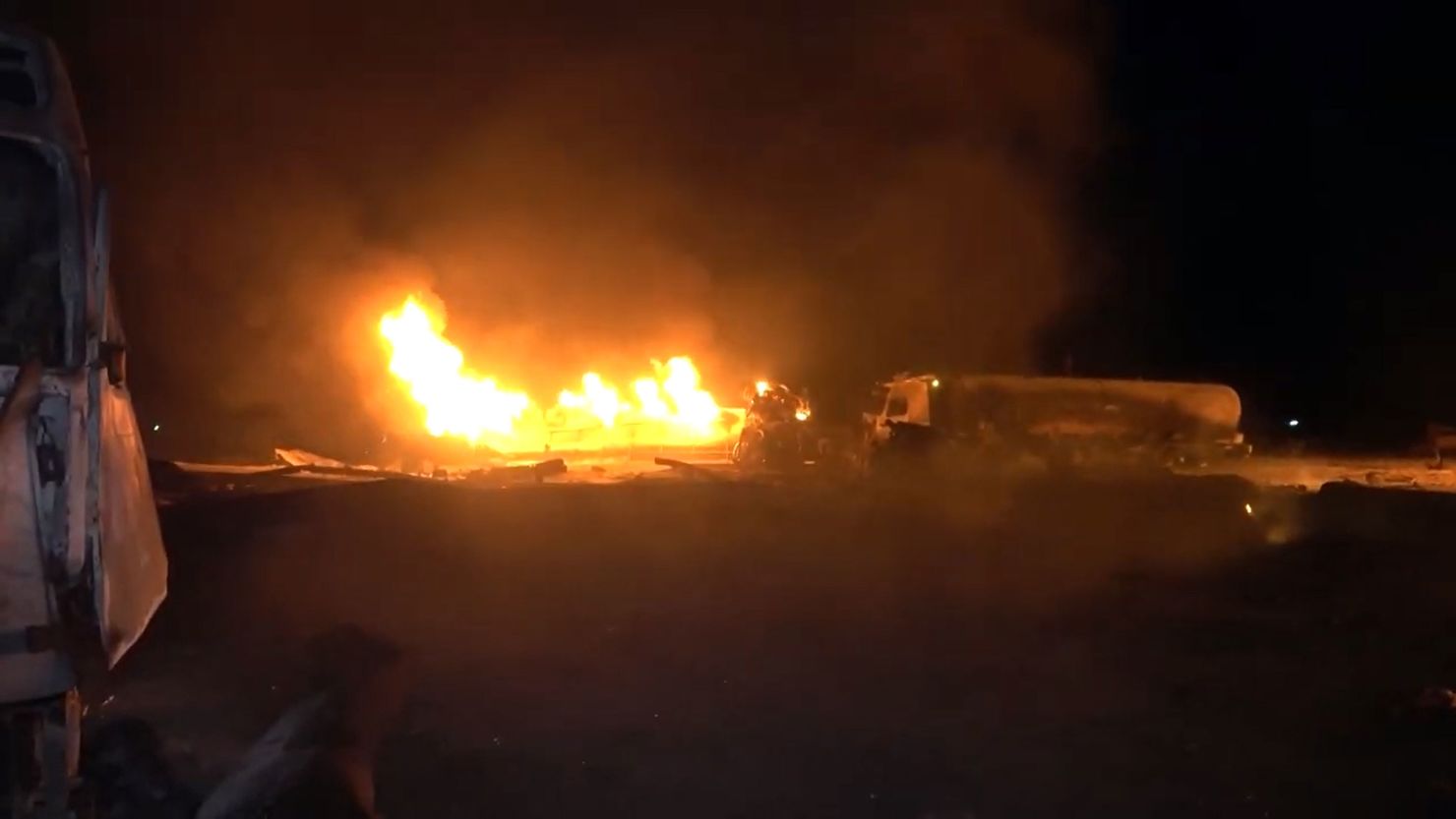
This question lands differently when the news is not hypothetical. President Donald Trump has ordered airstrikes in Yemen. Beyond that basic fact, this is not an attempt to add operational details or breaking news. It is a civics explainer about the legal framework that gets triggered when a president uses force.
To see why the framework matters, consider a hypothetical case study: a president ordering a naval blockade at a strategic chokepoint such as the Strait of Hormuz. That scenario is illustrative, not a second reported development. It helps clarify where the constitutional stakes rise fastest, because blockades are designed to control access, not simply punish a target.
Join the Discussion
Why blockades are different
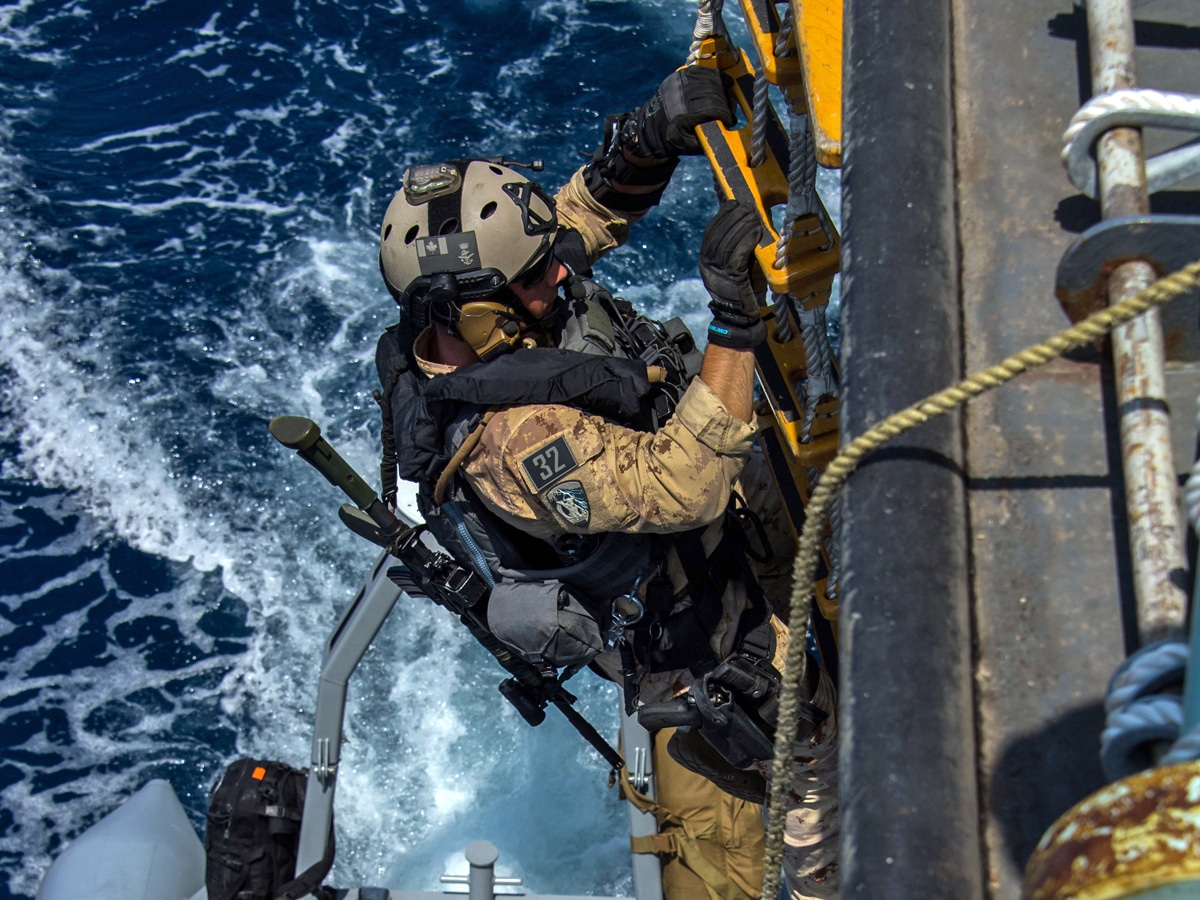
Presidents order many kinds of military actions, but blockades are in a special category because they are not just defensive. A blockade is designed to stop ships from passing. That can mean intercepting, diverting, boarding, or even seizing vessels. In practical terms, it can force a confrontation with another country’s military, commercial ships, or both.
Historically, blockades have often been treated as an act of war by the targeted nation because they impose control over international movement and trade. Even if the United States describes the action as limited or temporary, a blockade is not merely a warning. It is the use of military power to change what other actors may lawfully do on the water.
What the Constitution says
The Founders split war authority on purpose.
- Congress (Article I) has the power to declare war, raise and support armies, provide and maintain a navy, make rules for the armed forces, regulate foreign commerce, and control funding.
- The president (Article II) is the Commander in Chief of the armed forces and conducts foreign relations through the executive branch.
That division means the president can direct the military, but Congress decides whether the nation is committed to sustained war and pays the bills. In plain English: the president can move pieces on the board, but Congress sets the rules for the game and keeps the lights on.
Can a president act without Congress?
Legally and practically, the answer depends on what you mean by war. The Constitution does not define the term, and modern conflicts rarely begin with a formal declaration. Over time, presidents of both parties have argued that they may use force without a declaration when it is limited in scope, time, or objectives, or when it is necessary to protect U.S. forces and interests.
Trump’s order for airstrikes in Yemen fits within the modern pattern that often produces disagreement: the executive branch treats certain uses of force as short of full scale war, while critics argue that repeated or sustained military action should require clearer congressional authorization.
More broadly, other military tools raise even sharper questions, especially blockades. In the hypothetical case of a blockade, if U.S. forces are stopping ships, enforcing a military cordon, and trading fire if challenged, it starts to look less like a discrete strike and more like an ongoing hostilities framework. That is exactly the point where Congress’s role is supposed to become unavoidable.
Where the War Powers rules fit
After Vietnam, Congress passed the War Powers Resolution (often called the War Powers Act) to reassert its constitutional role. Whatever you think of it as policy, it is the main modern statute designed to force a conversation between the branches.
In simplified terms, it sets up a process:
- If U.S. forces are introduced into hostilities or situations where hostilities are imminent, the president must notify Congress.
- Absent congressional authorization, the statute is intended to limit how long forces can remain in that posture before they must be withdrawn.
Presidents often dispute parts of the law’s constitutionality, but many still file reports consistent with it. The recurring pattern is important for readers to notice: the executive branch often tries to preserve flexibility, while Congress often struggles to speak with one voice quickly enough to shape events.
Strikes versus blockade
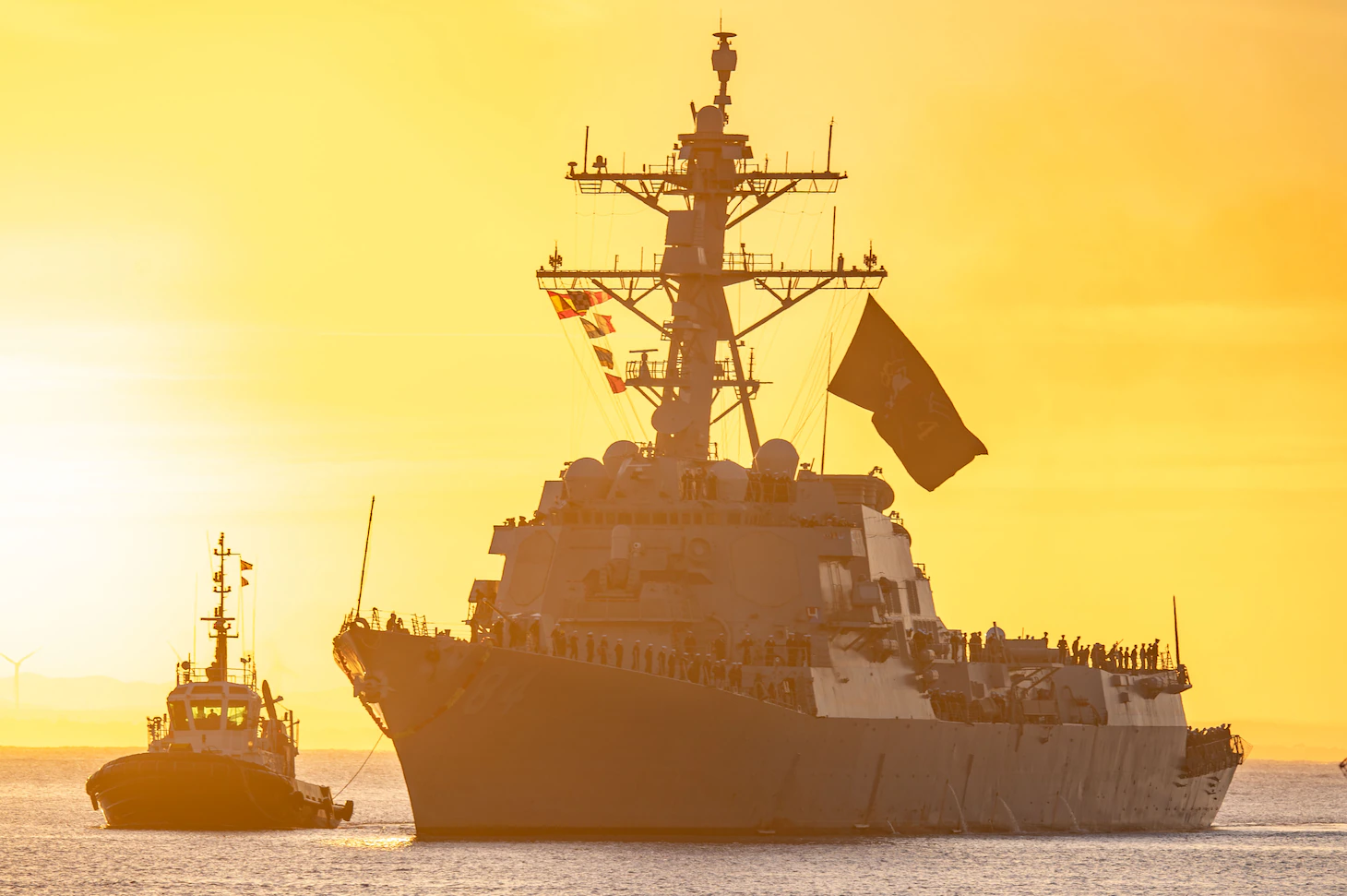
Airstrikes can be framed as brief and targeted, even when they are serious. A blockade is harder to keep brief because it only works if it is continuously enforced. That means:
- Duration is open-ended. A blockade that lasts a day is mostly symbolic. A blockade that matters can last weeks or months.
- Risk is ongoing. Every attempted transit becomes a potential incident.
- Spillover is likely. Commercial ships from third countries can become entangled, and energy markets react quickly.
From a constitutional viewpoint, those features are not small details. They are the difference between a president using force at a moment in time and a president setting national war policy by default.
What Congress can do
If members of Congress believe a president has crossed the line into unauthorized war, there are several tools available. None are effortless, but they exist for a reason.
1) Authorize the action
Congress can pass a new authorization for the use of military force or another tailored statute that approves the mission, sets limits, and defines objectives.
2) Refuse and demand withdrawal
Congress can pass a law directing an end to involvement. The hard part is political, not constitutional: it must clear both chambers and either be signed by the president or passed over a veto.
3) Control funding
The power of the purse is Congress’s most concrete leverage. Congress can restrict appropriations for particular operations or for expanding operations beyond defined boundaries.
4) Oversight
Hearings, subpoenas, and reporting requirements do not stop a strike or a ship interception, but they can change the public record and force the executive branch to clarify its legal theory and end state.
What courts usually do
Many Americans assume a court will quickly settle a war powers fight. In reality, courts often avoid becoming referees for the political branches on questions of war initiation and military operations. Lawsuits frequently stumble on issues like standing, ripeness, or the political question doctrine.
That is why, in practice, war powers disputes are often decided by two things:
- Whether Congress acts clearly and forcefully, rather than ambiguously.
- Whether events escalate to the point where Congress has to vote on funding, broader authority, or a direct response to attacks.
The civics takeaway
If you are trying to follow this as a citizen and not as a national security lawyer, here are three practical questions that cut through the noise:
- What is the legal basis? Is the administration relying on a specific statute, an existing authorization, or an inherent Commander in Chief power argument?
- What is the scope and end state? Is this a short-term operation, or a sustained military posture with no clear off ramp?
- What has Congress voted on? Not what leaders have said on television, but what the House and Senate have actually authorized or funded.
The Constitution’s design is not to make war easy. It is to make war accountable. Trump’s order for airstrikes in Yemen is the kind of event that brings that design back into view. A blockade, as a hypothetical example of a higher-escalation tool, shows how quickly that constitutional test can intensify.