
The House of Representatives is not a courtroom. It is not a human resources department, either. But it is a constitutional body with one glaring obligation that rarely gets tested in earnest: the duty to discipline its own members.
This week, that duty collided with political reality. Rep. Tony Gonzales of Texas made his resignation official as he faced a renewed push for expulsion amid scandal, and as the stakes sharpened into something more than talk. Other lawmakers, including Rep. Eric Swalwell of California, have faced calls to resign over a variety of separate scandals, too. The principle matters: when members exit just ahead of formal accountability, is the institution enforcing standards or simply watching the problem walk out the door?
Join the Discussion
The Gonzales resignation
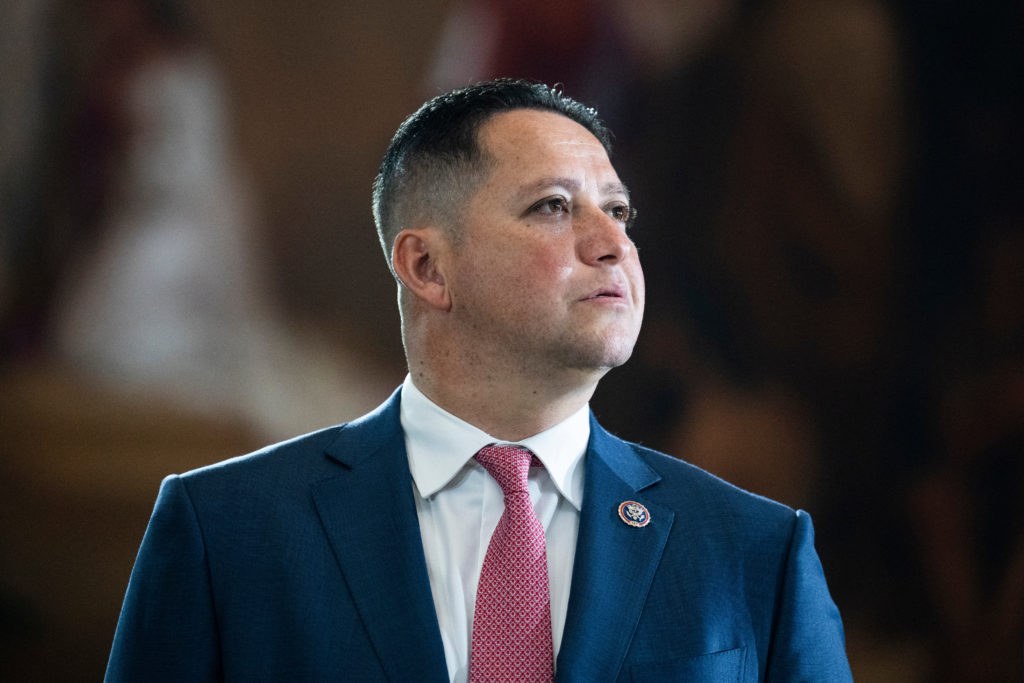
Rep. Tony Gonzales, R-Texas, made his resignation official Tuesday, with his brief letter read aloud on the House floor shortly before midnight.
“It has been my privilege to serve the residents of Texas's 23rd congressional district,” Gonzales wrote.
His resignation came as the threat of expulsion was revived. Rep. Teresa Leger Fernandez, D-N.M., introduced an expulsion resolution against Gonzales just before his resignation letter was read aloud, after Gonzales did not meet her deadline to resign from Congress.
That sequence does not prove motive. But it does highlight a recurring tension in the institution: when formal discipline stops being hypothetical, the pressure to resolve the situation quickly rises, and resignation can look like the cleanest available off-ramp for everyone involved.
Gonzales had announced Monday that he planned to “file his retirement,” but he did not specify when he would step aside.
The majority math
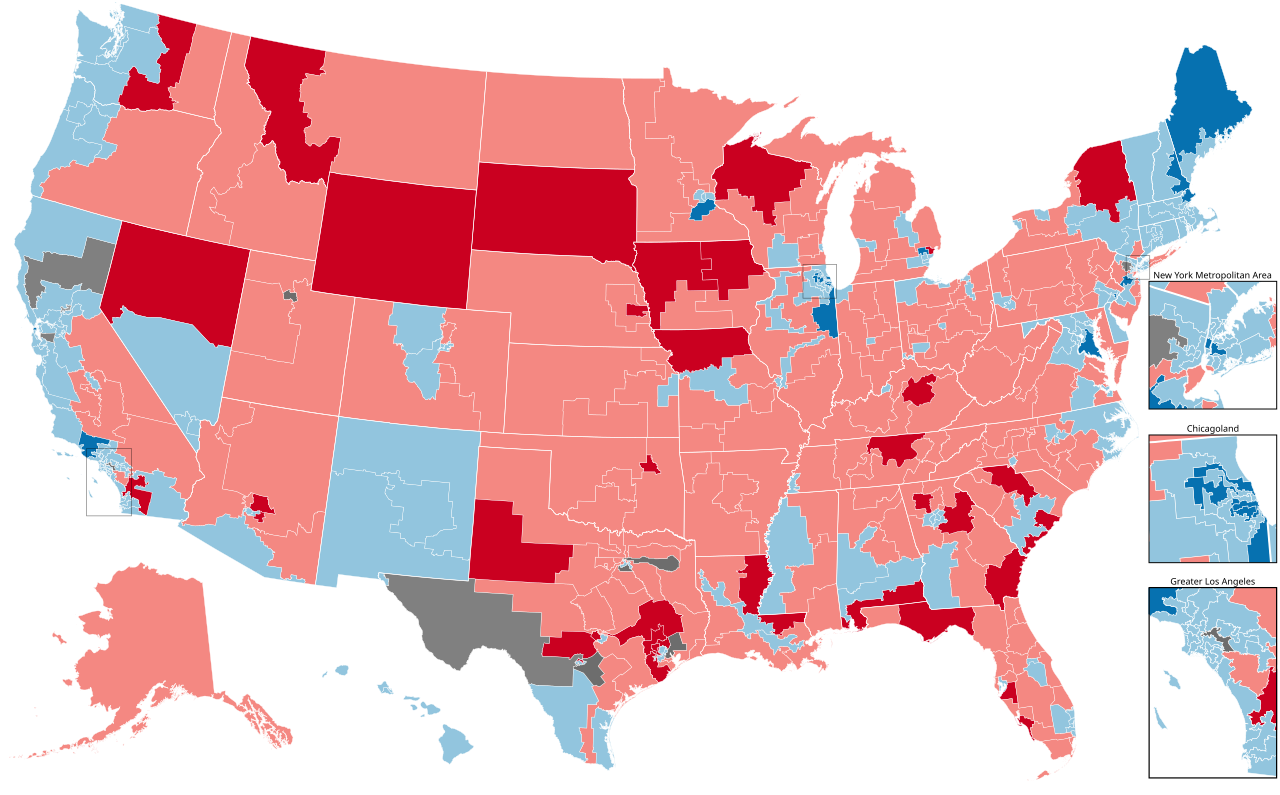
A House majority is not a mood. It is arithmetic. And when the margin is narrow, every resignation changes what leadership can pass, what it can block, and what it can credibly threaten.
Even without knowing the private calculations behind any one departure, the institutional incentives are easy to see. Vacancies create uncertainty, shift leverage, and can encourage leaders to delay hard votes until special elections refill seats and stabilize the whip count. Timing becomes part of the governing environment, whether or not it is the governing intent.
Other resignation calls
Gonzales was not the only lawmaker facing pressure, though the circumstances are separate and differ from case to case. Calls for resignations have also touched Rep. Eric Swalwell, D-Calif., Rep. Cory Mills, R-Fla., and Rep. Sheila Cherfilus-McCormick, D-Fla., over a variety of scandals.
Those are not one story. They are multiple, unrelated controversies arriving in the same institution at the same time. Taken together, they point to the same structural question: Congress is constantly asked to respond to misconduct, allegations, and controversy, but it rarely forces itself to use the clearest tool it has. When resignation becomes the most common endpoint, the body may avoid the hardest part, which is not removing a member. It is defining the line.
The power Congress uses sparingly
Article I gives each chamber broad authority over its own membership. The Constitution states that each House may “punish its Members for disorderly Behaviour, and, with the Concurrence of two thirds, expel a Member.” That two-thirds requirement is not an accident. It is a high bar meant to prevent a temporary majority from purging political enemies.
But the modern twist is this: the high bar makes expulsion rare, and rarity breeds avoidance. When a member resigns before a vote, the institution may get a cleaner headline, but it also loses the chance to define the standard, build a record, and demonstrate that its rules mean what they say.
Resignation and accountability
Resignation is not a constitutional loophole. Members have always been free to leave. The problem is what resignation can become in practice: a way to prevent a definitive institutional judgment, or at least a way to keep that judgment from ever being tested.
If the House does not vote, there is no formal finding by the body itself. There is no precedent with teeth. There is no moment when members must go on record. The public gets an outcome but not an answer to the question that matters in a republic: what conduct is disqualifying for someone who claims to represent the people?
And when the majority is precarious, the incentives can tilt further away from confrontation. Leaders may prefer resignation over expulsion because it reduces the chance of a messy, unpredictable two-thirds vote. Members may prefer resignation because it avoids the singular stigma of being expelled by peers. That is not a verdict on any one person’s intent. It is an observation about how institutions, under pressure, often default to the path that minimizes immediate collateral damage.
Does Congress police itself?
The House is built to be political. That is not a flaw. It is the design. But discipline cannot be purely political without becoming hollow.
If accountability depends on party margin, media attention, or whether a member chooses to stay and fight, then the real enforcement mechanism is not the Ethics Committee or the Constitution. It is convenience.
Self-governance requires something harder: members willing to place the institution above the immediate tactical advantage of a seat count. The public is often told that Congress is “broken.” Moments like this clarify what that can mean. It is not just gridlock. It is an unwillingness to render judgment on scandal and alleged misconduct in a way that is transparent, consistent, and not contingent on who benefits.
The question that remains
Vacancies will be filled. Special elections will come. The number will shift again.
But the constitutional question will stay: is the House using its disciplinary powers to protect the integrity of representation, or is it effectively outsourcing that responsibility to resignations that happen before consequences are fully adjudicated?
In a system that depends on public trust, Congress does not get credit for problems that disappear. It gets credit for standards it enforces.