
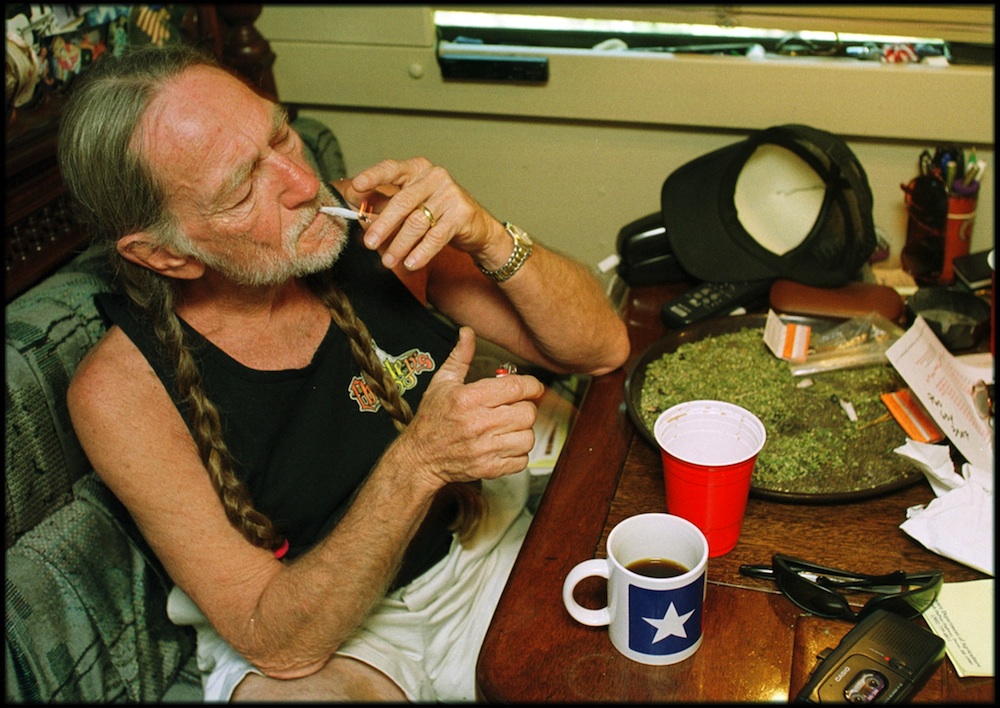
You can learn a lot about American politics by watching who decides to speak plainly, and when. This week, Willie Nelson did just that: a short video, a familiar face, a kitchen table setting, and a direct appeal to Texans about the next U.S. senator.
Nelson has officially endorsed Democrat James Talarico for the United States Senate. In the video, he looks into the camera in his signature red bandana and delivers a simple pitch that is equal parts personal and civic: “Hi, this is Willie Nelson. I’ve gotten to know James Talarico. He’s a good man and will be a good senator for the state of Texas. Please vote — and vote for James Talarico,” he says.
Join the Discussion
A celebrity endorsement that is also a voter message
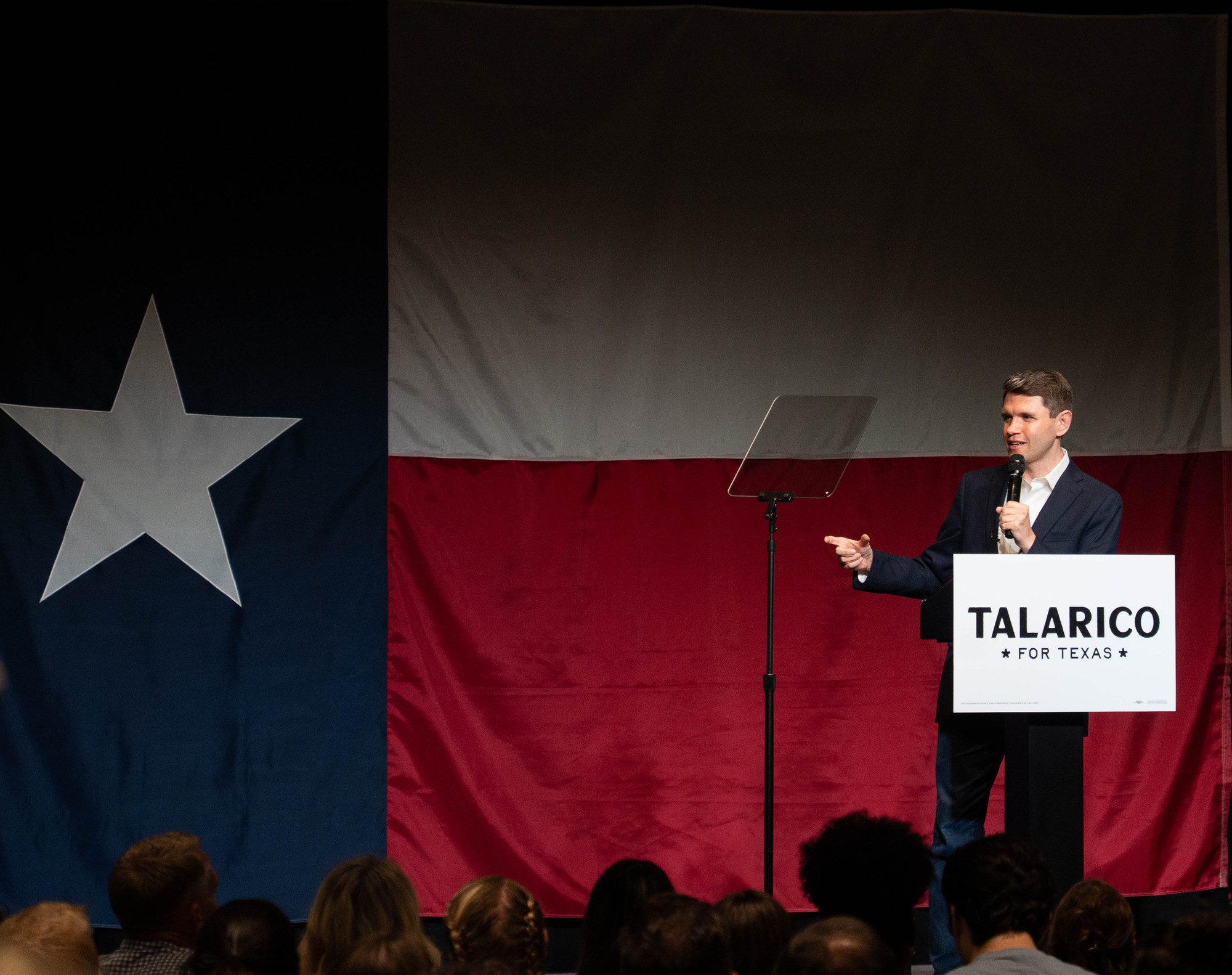
It is tempting to treat any celebrity endorsement as cultural trivia, a shiny object tossed into a serious race. But Nelson’s message is not primarily about fame. It is about legitimacy, character, and the oldest democratic instruction of all: show up.
That matters in a constitutional sense. The Constitution does not hand Americans a single, tidy sentence that says, here is your right to vote. Instead, it builds voting access through structure and a series of amendments that restrict how government can deny the franchise. The practical work of democracy still depends on turnout, persuasion, and mobilization. Endorsements like Nelson’s are one small part of that machinery, a nudge to participate, aimed at people who might otherwise tune out.
How Nelson and Talarico crossed paths
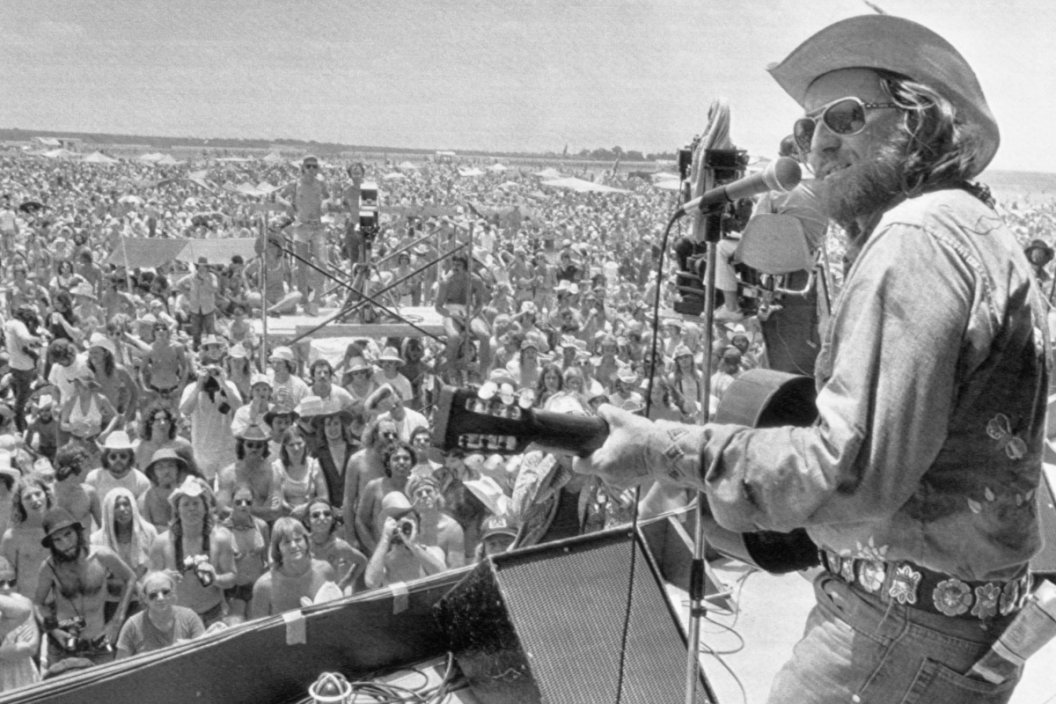
Nelson and Talarico’s connection is not purely transactional. Earlier this summer, Talarico appeared onstage with Nelson at Nelson’s annual Fourth of July Picnic in Austin. That kind of moment does what campaigns always hope to do: it turns a candidate into a person voters can picture in the civic life of the state, not only in political ads.
For Nelson, the endorsement fits a pattern. He has recorded similar videos backing Democratic candidates Gina Hinojosa for governor and Vikki Godwin for lieutenant governor. Nelson has long aligned himself with the Democratic Party, and in this cycle he is using a format he seems comfortable with: short, direct videos that feel more like neighbor-to-neighbor persuasion than a polished commercial.
A broader wave of musician support
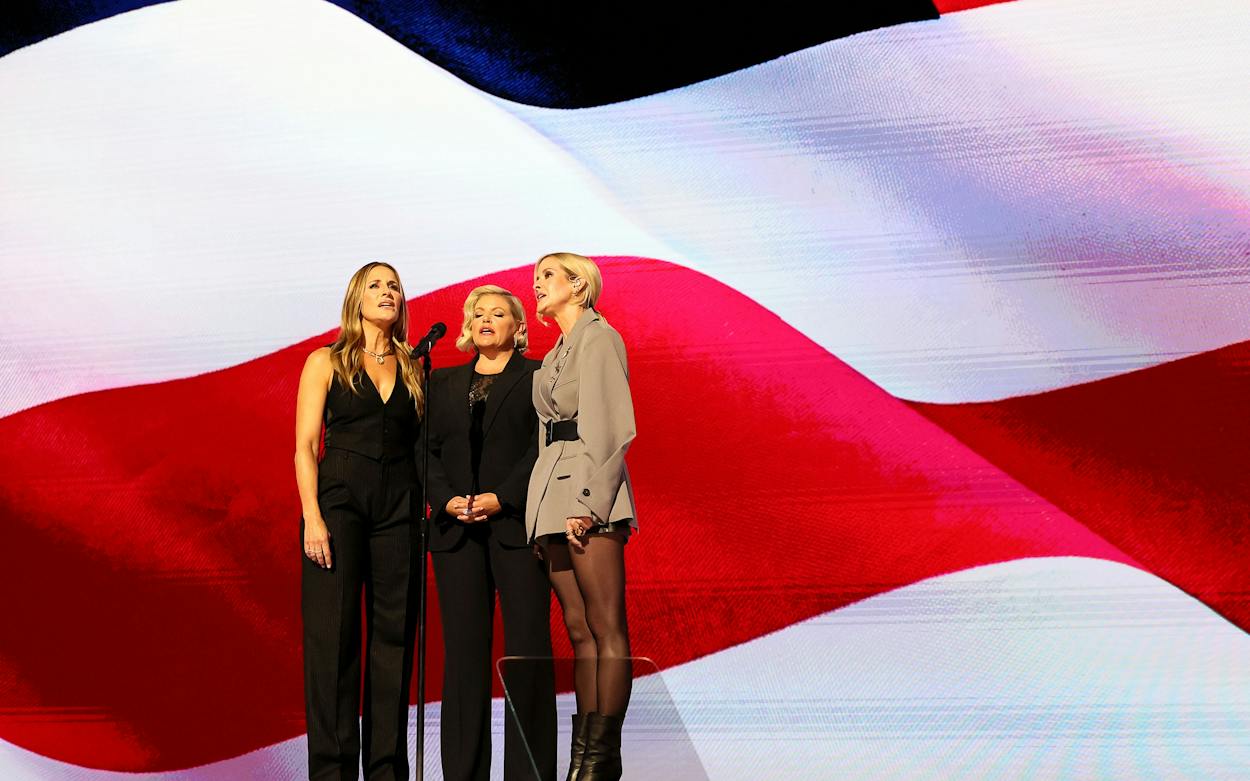
Nelson is not the only well-known Texas-connected musician stepping into the political arena right now. The Chicks publicly backed Talarico with an Instagram post where they wore shirts that read, “I’m a Talafreako.” Don Henley, who grew up in Cass County near Texarkana, has also played a financial role in Texas Democratic politics this cycle. He is the No. 1 donor to Democratic candidates running for lieutenant governor, agriculture commissioner, and the Railroad Commission, and he is a major force behind Lone Star Rising, a super PAC supporting Talarico’s Senate bid.
It is easy to see this as purely cultural symbolism. But there is a constitutional subtext too: political speech is not just the domain of candidates and officeholders. Our system assumes that private citizens, including artists with large platforms, are allowed to argue about public policy loudly, publicly, and persistently. That can be uncomfortable. It is also a feature, not a bug.
Rural Texans for Talarico and the policy agenda behind the endorsement
Nelson’s endorsement is also tied to a campaign initiative: it helps launch Rural Texans for Talarico, described as an effort focused on policy reform for rural communities across the state.
The initiative highlights three specific areas: data centers, recruiting and retaining health care workers, and internet access. Those topics are not abstract. They are the kind of issues that often determine whether rural communities can keep hospitals staffed, attract jobs, and remain connected to modern education and commerce.
And they raise a familiar American question: what do we expect the federal government to do, and what do we assume it must do? The Constitution creates a national government of enumerated powers, not a general caretaker charged with solving every local problem. Yet senators shape federal spending priorities, regulatory frameworks, and the politics of infrastructure. In other words, even when the Constitution does not promise a particular service, the people we elect can still tilt the field dramatically.
The election context
Nelson’s closing line is the point where celebrity fades and citizenship takes over: “Please vote — and vote for James Talarico.” The pitch is aimed at Nov. 3, the date Texas voters will decide this and other statewide races.
Whatever you think of endorsements, they are reminders of something the Founders understood well: republican government is not self-executing. The Constitution sets the stage. The public still has to walk onto it.