
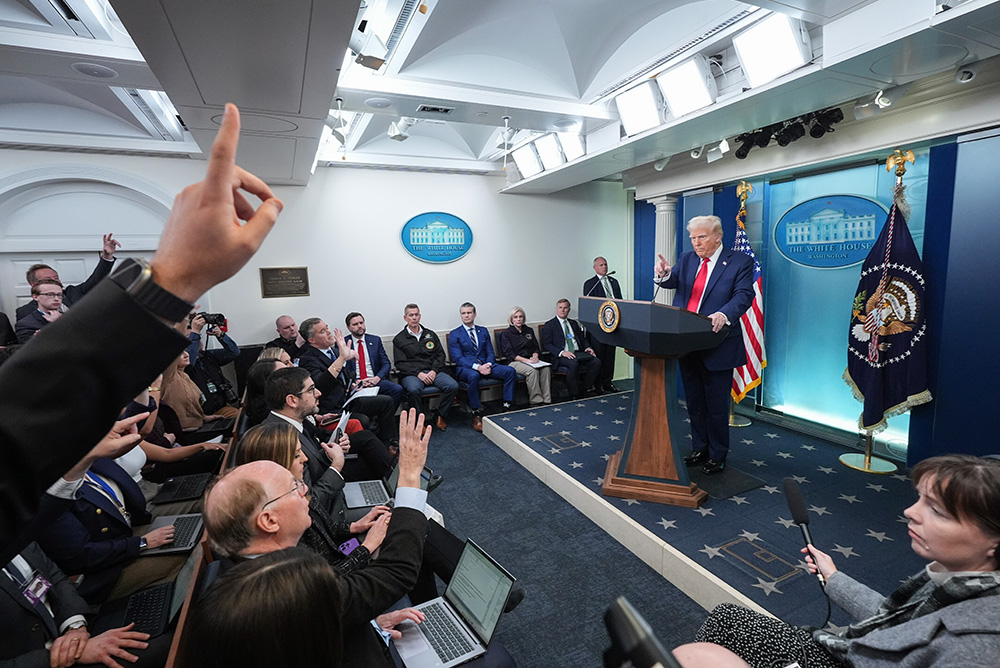
Presidential approval ratings are treated like the national mood ring, and in a way they are. But they are also something more practical: a rough measurement of how hard it will be for a White House to govern with Congress, defend its party in competitive districts, and keep its own coalition from fracturing.
Fresh polling has put Donald Trump’s approval at a new low in at least one major survey. To say what that means in plain English, you need the specifics: which poll, when it was fielded, who was sampled, and what “new low” is being measured against. In this piece, the durable story is not the exact number, because the exact number will move again next week. The story is what a sustained dip tends to do to midterm elections, and how that midterm pressure feeds directly into the constitutional machinery of the republic: separation of powers, oversight, impeachment pressure, budgeting fights, confirmations, and the basic ability to pass legislation.
Editor’s note for publication: Insert one sentence here naming the poll(s), field dates, sample type (adults/registered/likely voters), the approval figure, and what “new low” means (for example, lowest of this term, lowest since Inauguration Day, or lowest since a specific month). If you cite multiple polls, consider adding the range to show the broader trend rather than a single outlier.
Join the Discussion
Approval is not a verdict
Approval ratings compress a lot of different attitudes into one blunt question: do you approve of the way the president is handling the job? People answer that question for different reasons, and often for contradictory ones.
- Some respondents are judging outcomes like prices, wages, border conditions, or global crises.
- Some are judging process like temperament, honesty, fatigue, or a sense of chaos.
- Some are answering tribally based on party identity rather than day-to-day performance.
That is why approval is a better measure of political friction than it is of “how the country is doing.” A low rating signals that the president is losing persuadable voters and giving soft partisans permission to drift. That matters most when elections tighten and turnout becomes a numbers problem rather than a pure vibe.
One more caveat that matters: polls are not interchangeable. Mode (phone, text, online), the difference between adults and registered voters, and “house effects” can shift results by a few points. That is why trends and aggregation usually tell you more than a single dramatic headline.
Why midterms punish presidents
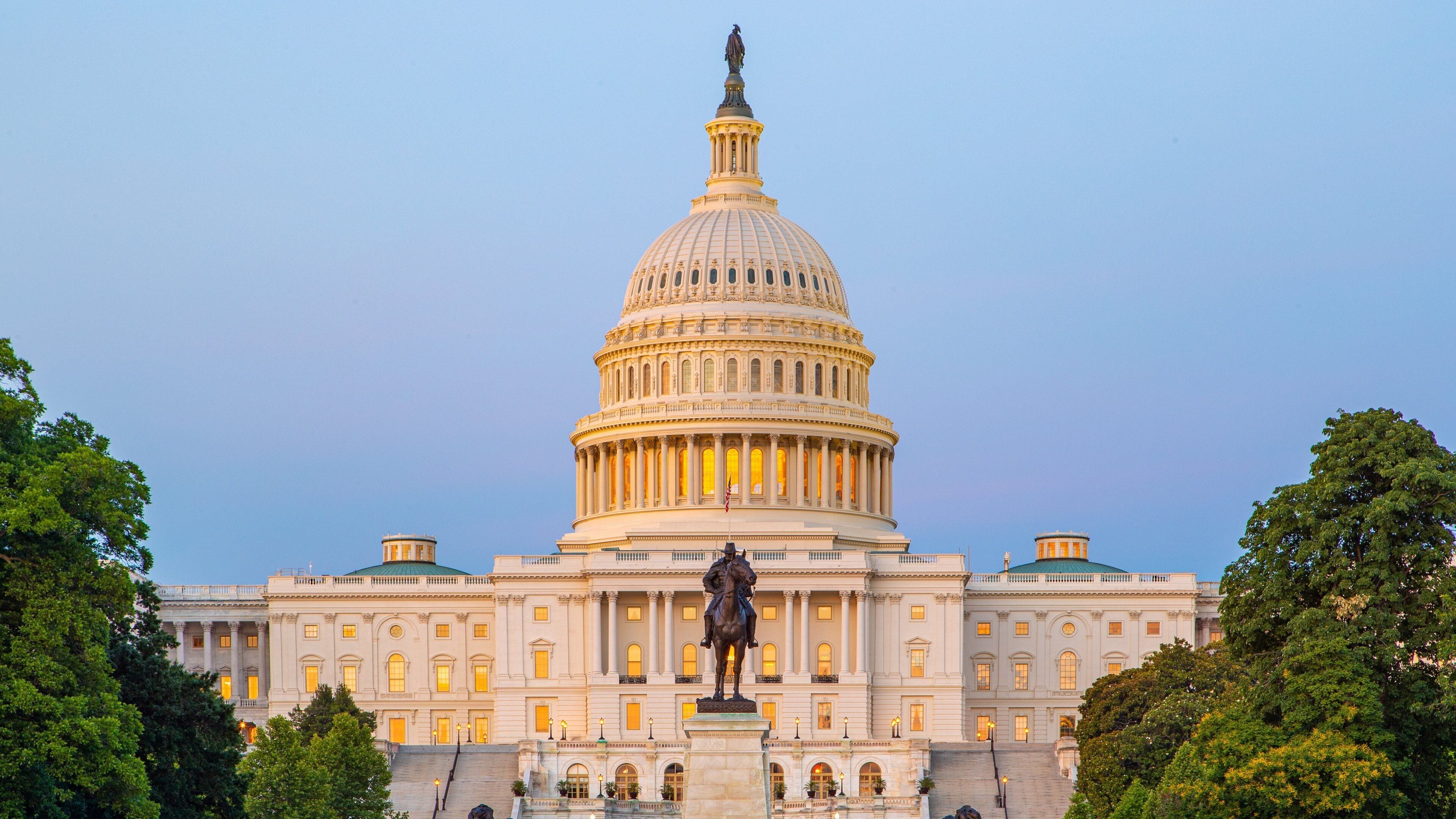
Modern American politics treats midterms as a referendum on the sitting president. That is not a constitutional rule. It is a political habit rooted in incentives the Constitution creates.
Article I gives us Congress with its own electoral calendar: House members run every two years, Senators every six, with staggered classes. That structure makes midterms a built-in opportunity for voters to change the balance of power without changing the presidency. The result is predictable: voters who are unhappy have an immediate lever to pull, while voters who are content often feel less urgency.
Historically, the president’s party typically loses House seats in midterms, though there are exceptions. You do not need a single scandal for that to happen. You just need drift, frustration, or boredom. A sustained approval decline can turn that ordinary midterm gravity into a stronger current.
What the numbers can tell you
An approval slide can foreshadow trouble, but it is not a prophecy. Here is what approval tends to predict reasonably well, and what it does not.
What approval predicts reasonably well
- House vulnerability for the president’s party, especially in swing districts.
- Candidate recruitment quality on the opposing side, because donors and challengers often smell weakness early.
- Agenda shrinkage as lawmakers distance themselves and leadership schedules fewer risky votes.
What approval does not predict well
- Specific election outcomes in individual Senate races, which are state-specific and personality-driven.
- Whether the president will win a future presidential election, which turns on different turnout coalitions and timing.
- Whether the public agrees on the reason for dissatisfaction. A low approval number can hide multiple incompatible complaints.
The mistake is treating a low approval figure as a single national opinion. It is better understood as a sign that the president is failing to hold together the mix of voters needed to keep Congress aligned.
What low approval does in Washington
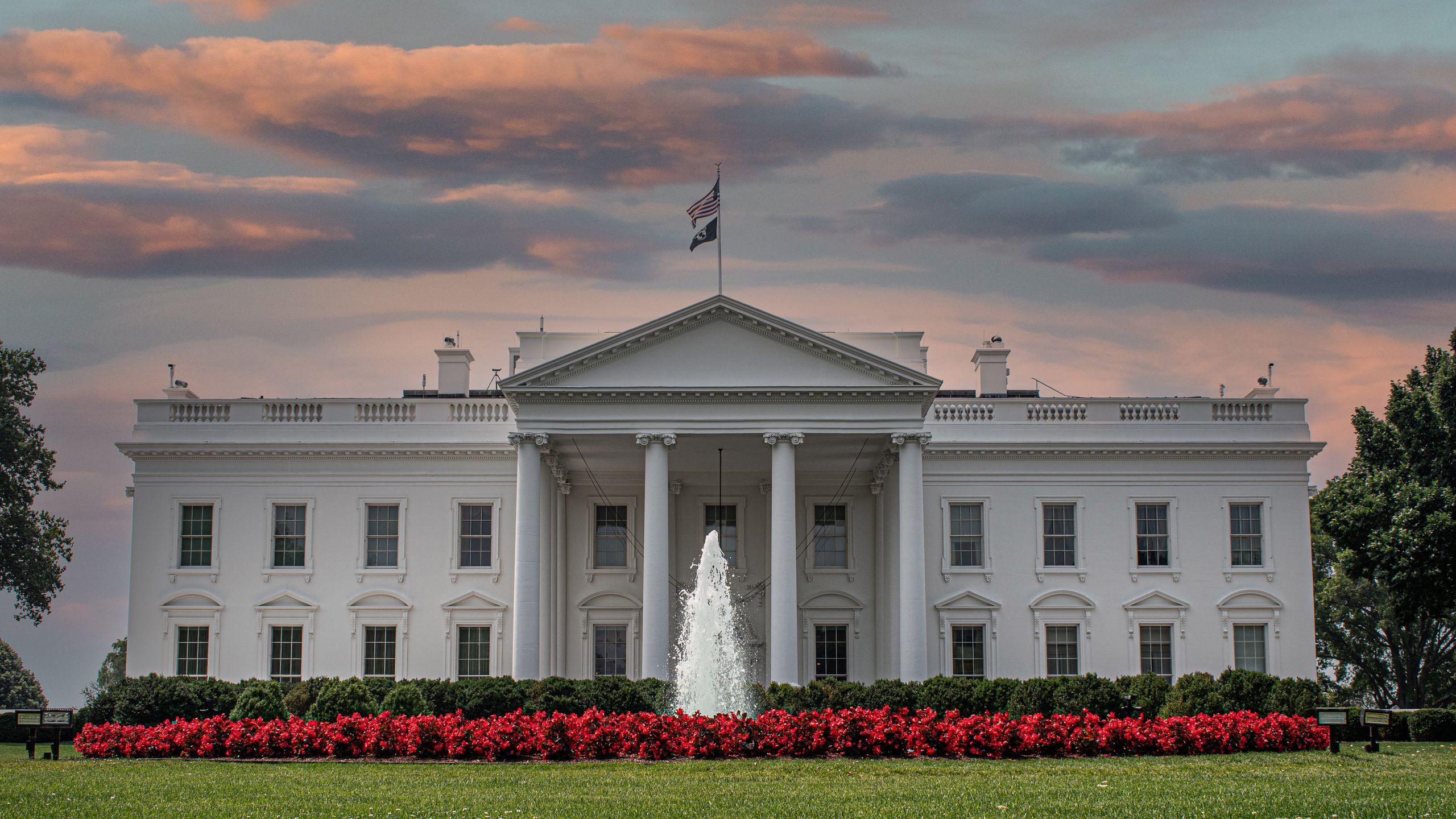
Low approval does not change the text of the Constitution, but it can change how aggressively the other branches use the tools the Constitution already gives them.
- Congressional oversight often gets sharper. Committees may hold more hearings, issue more subpoenas, and chase more headlines. That is politics, but it is also a core Article I function.
- Legislating often gets narrower. Even members of the president’s party start avoiding votes that could be used in campaign ads.
- Budget fights can get more frequent. Congress controls appropriations. When a president looks weak, funding standoffs and brinkmanship become more tempting.
- Confirmations can become harder. The Senate’s advice-and-consent role does not change, but senators behave differently when they think the White House might lose leverage soon.
In other words, approval does not just measure public opinion. It can affect the balance of power in practice by altering how boldly Congress chooses to contest the presidency.
The midterm stakes
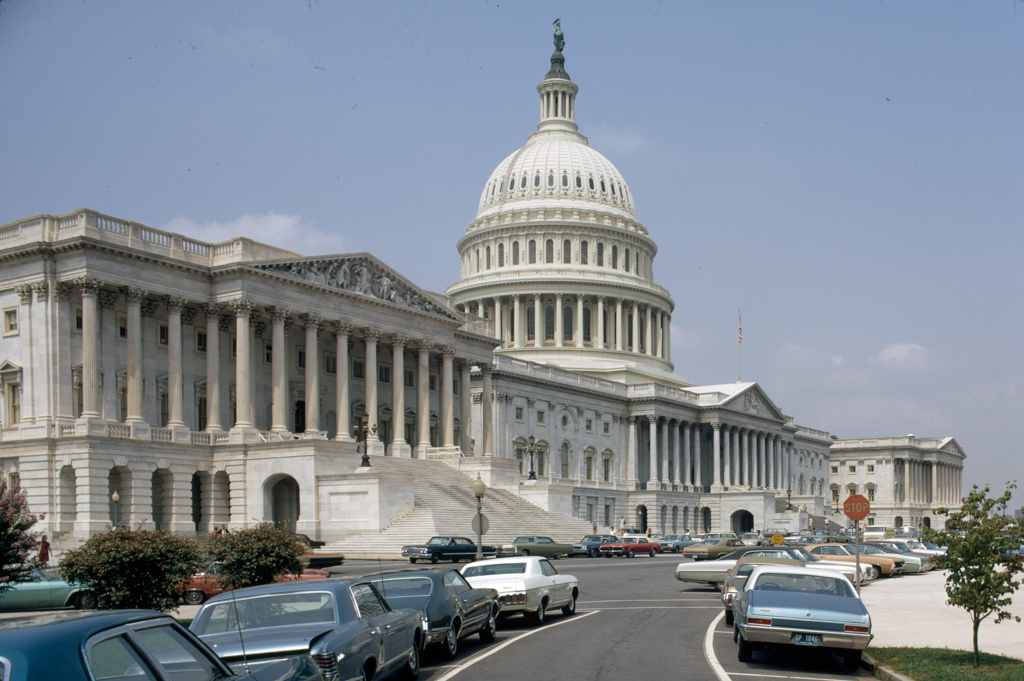
When people say the 2026 midterms will determine “control of Congress,” the phrase can sound abstract. Constitutionally, it is anything but.
Control of one chamber versus both is the difference between nuisance and paralysis. If the president’s party loses the House, investigations and the House’s power of the purse usually become the center of gravity. If it loses the Senate, confirmations and treaties become the choke point. Lose both, and the president is often pushed toward executive actions that invite court challenges and can be reversed by the next administration.
A shift of even a few seats can decide:
- What bills reach the president’s desk, and what never leaves committee.
- Whether investigations dominate the news cycle or fade into the background.
- Whether the government stays funded smoothly or becomes a recurring shutdown threat.
- Whether the president can realistically reshape policy or is forced into narrower moves.
This is where the Constitution’s design becomes visible. The Framers built a system that assumes political rivalry will exist and channels it into institutional competition. Midterms are one of the main moments the public recalibrates that competition.
Can a president recover?
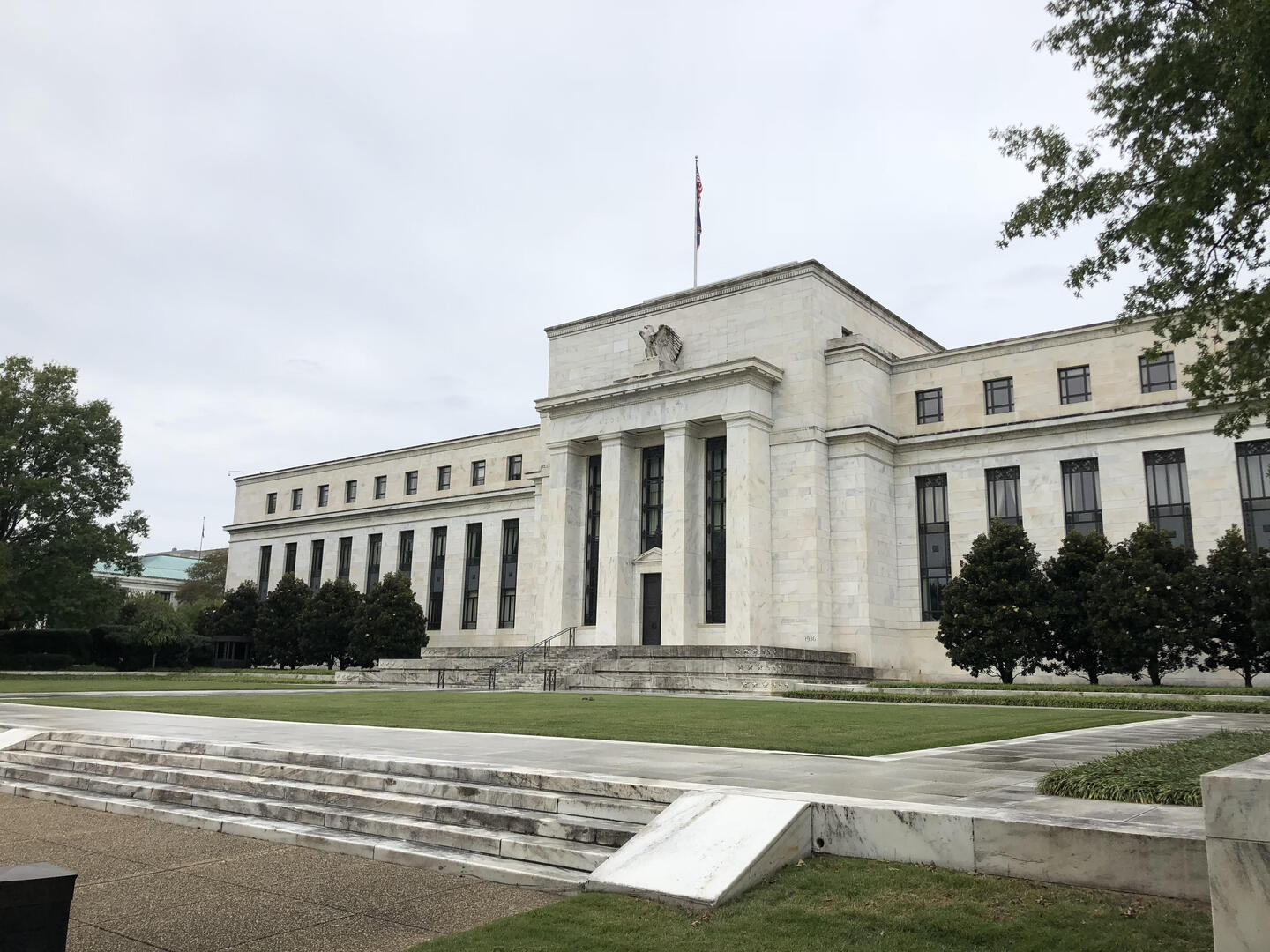
Approval ratings can change quickly, but not infinitely. As Election Day approaches, opinions harden and campaigns define the choice. The question is less “can approval rise?” and more “what would make persuadable voters feel differently?”
In modern presidencies, a few forces show up again and again as common drivers of shifts in approval:
- A tangible economic shift that voters feel in prices, jobs, and stability.
- A major legislative achievement that looks bipartisan or at least clearly beneficial.
- A successful crisis response that changes perceptions of competence.
- A political contrast where the opposition overreaches and the public recoils.
Unpredictable events also matter: wars widen, scandals erupt, prosecutions move, third-party candidates appear, and natural disasters reorder the agenda. Messaging alone can juice the base, but midterms are usually won or lost at the margins. When approval is low, the White House needs fewer viral moments and more evidence of governing results.
Three questions to watch
If you want to understand whether a low approval number is a temporary dip or a structural problem, watch these indicators rather than the daily poll churn.
1) Is disapproval soft or hard?
Polls often include intensity measures like strongly approve or strongly disapprove. Strong disapproval is the fuel of midterm turnout. Soft disapproval is more recoverable.
2) Are independents moving, or just partisans?
Presidents can survive with angry opponents. They struggle when independents and light partisans sour at the same time.
3) Does Congress look like a check, or like a fight club?
Voters often punish whichever side seems to be breaking the basic promise of functioning government. The Constitution allows conflict. It does not require paralysis. The party that convinces the public it is trying to govern usually benefits.
The constitutional bottom line
The Framers did not give us approval ratings. They gave us elections on a schedule, branches with separate incentives, and a system where legitimacy is refreshed by public consent again and again.
A new low approval reading, if it persists, is not merely embarrassing for a president. It is an early signal that the public may be preparing to reassert the Constitution’s most underappreciated power: the power to change the governing coalition in the middle of a presidency.
That is what midterm pressure really is. Not a media storyline. A built-in stress test of checks and balances.
Quick FAQ
Does a low approval rating force a president out?
No. The Constitution provides removal mechanisms through impeachment and conviction, not polling. Approval affects politics, and politics affects whether Congress has the will to use its constitutional tools.
Do presidents have to change policy because of bad polls?
No. But low approval often narrows real options because lawmakers become reluctant allies, donors shift, and the opposing party becomes more aggressive in oversight and elections.
Is the midterm electorate the same as the presidential electorate?
Not exactly. Midterms often have lower turnout and a different mix of voters. That is why intensity and enthusiasm matter so much, and why approval can be especially consequential in off-year elections.