
Party labels are supposed to be shorthand, not shackles. But in a polarized moment, even small acts of independence can trigger a loyalty test. That is the backdrop to a remarkable offer now floating around Washington: President Donald Trump wants Sen. John Fetterman of Pennsylvania to switch parties, and Trump is signaling he will help clear the path if he does.
Fetterman, a Democrat with a habit of saying things plainly, has become a frequent irritant to his own side. Trump’s pitch aims to turn that tension into something bigger: a potential realignment that could matter for Senate control.
Join the Discussion
What Trump is offering
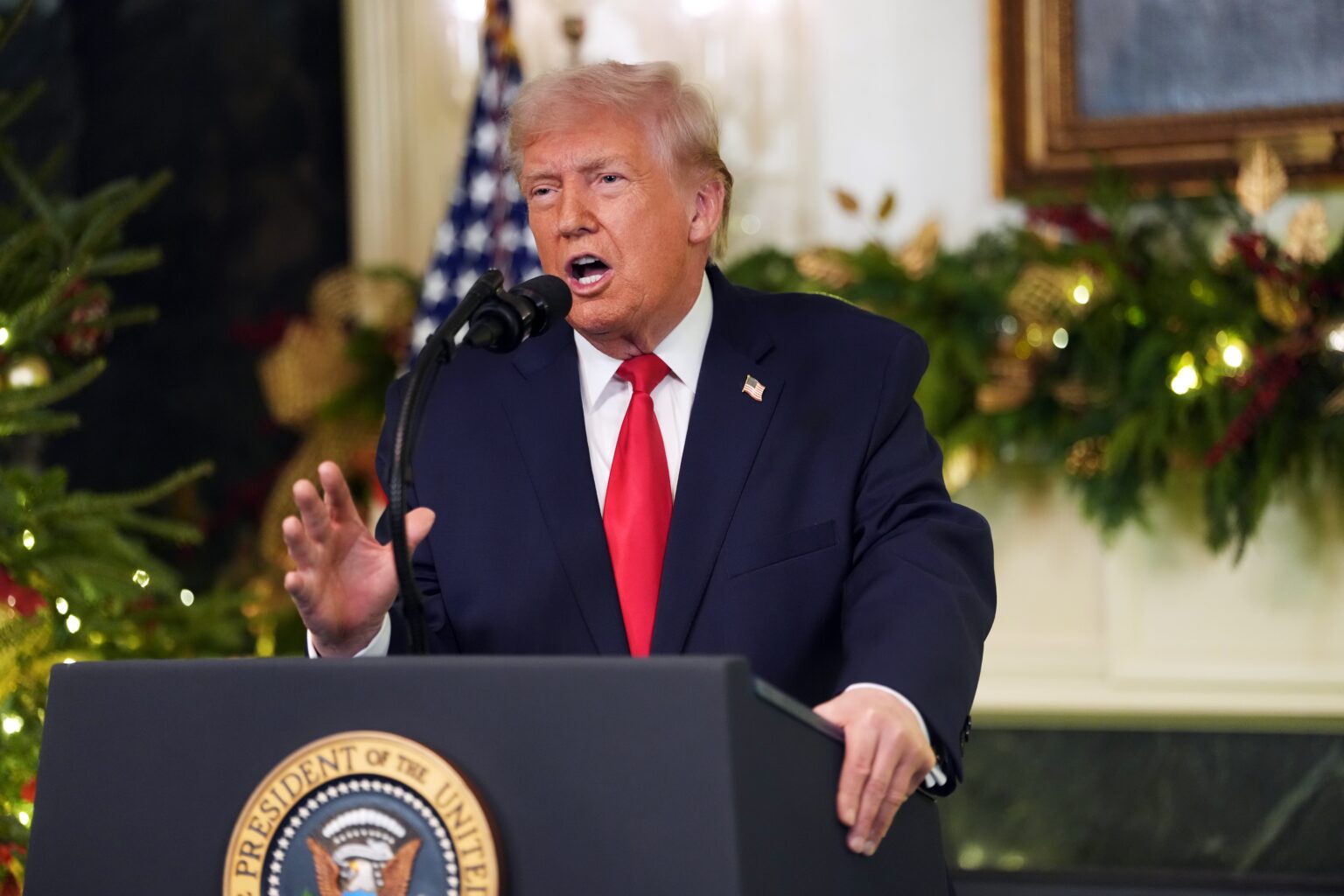
The clearest version of Trump’s message was relayed publicly by Sean Hannity, who described Trump’s directive in blunt terms:
“Your job is to tell him: He’s gonna run as a Republican, he’s gonna have our full support, more money than he ever dreamed of, and he’s gonna win big.”
Put simply, this is not a casual invitation to “work together.” It is an attempt to recruit a sitting Democratic senator into the Republican coalition with promises of three things that matter in modern politics: endorsement, infrastructure, and fundraising.
Why Fetterman is suddenly a party problem
Fetterman has spent months making it harder for people to sort him neatly into the usual partisan boxes. Among the actions and statements drawing attention:
- He voted to confirm Trump Cabinet nominees.
- He has been firm in support of Israel even as some Democratic voices have wavered.
- He has criticized progressive activism in unusually direct language for a Senate Democrat.
- He described his own party as being defined by “Trump Derangement Syndrome.”
On television, Fetterman put it starkly: “Right now, our entire party’s been defined by TDS.”
From a civics perspective, it is worth pausing here. The Constitution does not create political parties. Parties are private organizations that operate alongside government, and they enforce discipline largely through informal pressure: endorsements, fundraising pipelines, committee support, and primary challenges. When a lawmaker breaks with the party line often enough, the consequences usually arrive politically, not legally.
Democrats’ reaction: “traitor” language and a chill from allies
The backlash inside Democratic circles has not been subtle. The Monroe County Democratic Party issued a statement calling Fetterman a:
“TRAITOR to Democrats. TRAITOR to Pennsylvanians. TRAITOR to those who worked tirelessly to elect him.”
Meanwhile, when asked about backing Fetterman for reelection in 2028, not a single Democratic member of Congress from Pennsylvania committed to endorsing him.
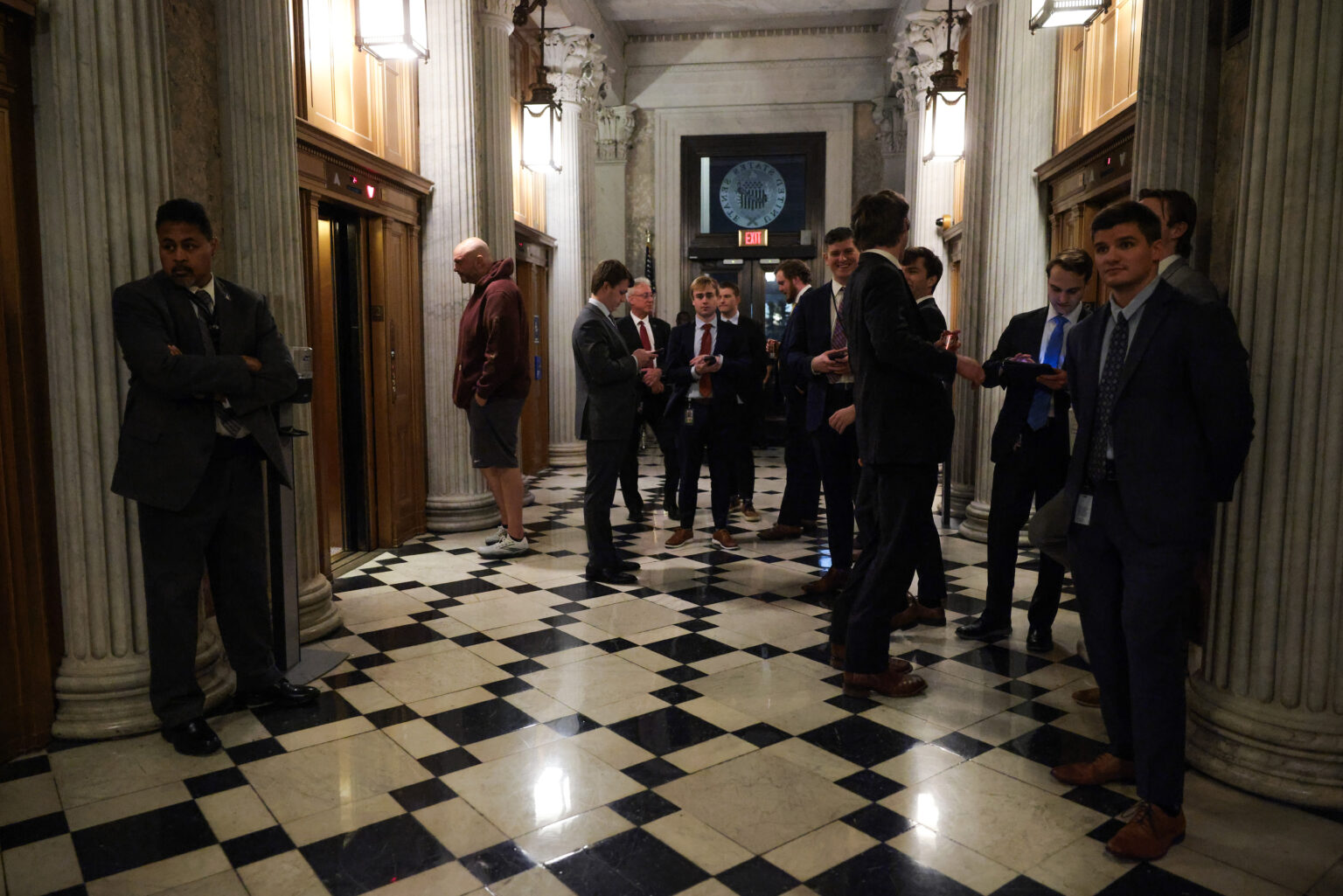
Even the silence has been telling. Senate Democratic Leader Chuck Schumer was asked about defection rumors and responded only: “I’m not commenting on that.”
Fetterman’s public answer versus the private intrigue
Publicly, Fetterman has rejected the idea of switching parties. Asked directly, he was emphatic: “I’m not changing. I’m a Democrat, and I’m staying one.” He also added, “I’d be a shitty Republican.”
But the rumors have persisted because his behind-the-scenes posture has sounded less final. When the possibility of becoming an independent was raised by a senior Republican, Fetterman reportedly took in the idea without shutting it down.
And in a separate remark that has fueled speculation about leverage and Senate math, he asked:
“If we flip four seats in the Senate, who is the number 51 for the new majority?”
He has also been cultivating warmer relationships with Republicans, including senators Dave McCormick and Katie Britt, while acknowledging that some Democrats have grown “suspicious” and “standoffish.”
What party switching actually means in constitutional terms
When a senator considers changing parties, the question many readers ask is: can they do that and still keep their seat? In most cases, yes. Senators are elected to represent their state for a six-year term. Party affiliation is politically important, but it is not a constitutional qualification for holding office.
The practical effects can be significant, though:
- Committee power: If the Senate majority changes (or if a defection changes the count), committee chairs and agendas can shift quickly.
- Legislative leverage: A closely divided Senate makes individual senators more powerful because their votes become harder to replace.
- Primary politics: A senator who angers their own party may face a difficult primary, which is one reason party switching, or running as an independent, can look attractive.
In other words, this is not only personality-driven drama. It is also a reminder that the Senate’s rules and numbers can make one politician’s decision unusually consequential.
The bigger question: loyalty to a party vs. independence as a lawmaker
There is a tension here that every civic-minded reader recognizes. Voters often choose candidates partly because of party cues. At the same time, we expect elected officials to exercise judgment, especially when national issues cut across ideology or when party activists demand rigid conformity.
Fetterman’s situation shows how narrow the acceptable lane can become. If he stays a Democrat, he may continue to face internal punishment for breaking ranks. If he becomes a Republican or an independent, he risks being seen as violating the expectations of many who voted for him. Either path has costs. Trump’s offer is designed to make one option look far less costly by promising money, support, and a welcoming political home.
For now, Fetterman insists he is staying put. But the fact that this conversation is happening so openly tells you something important about the current political moment: party coalitions are not as stable as they look when you only watch roll call votes.