
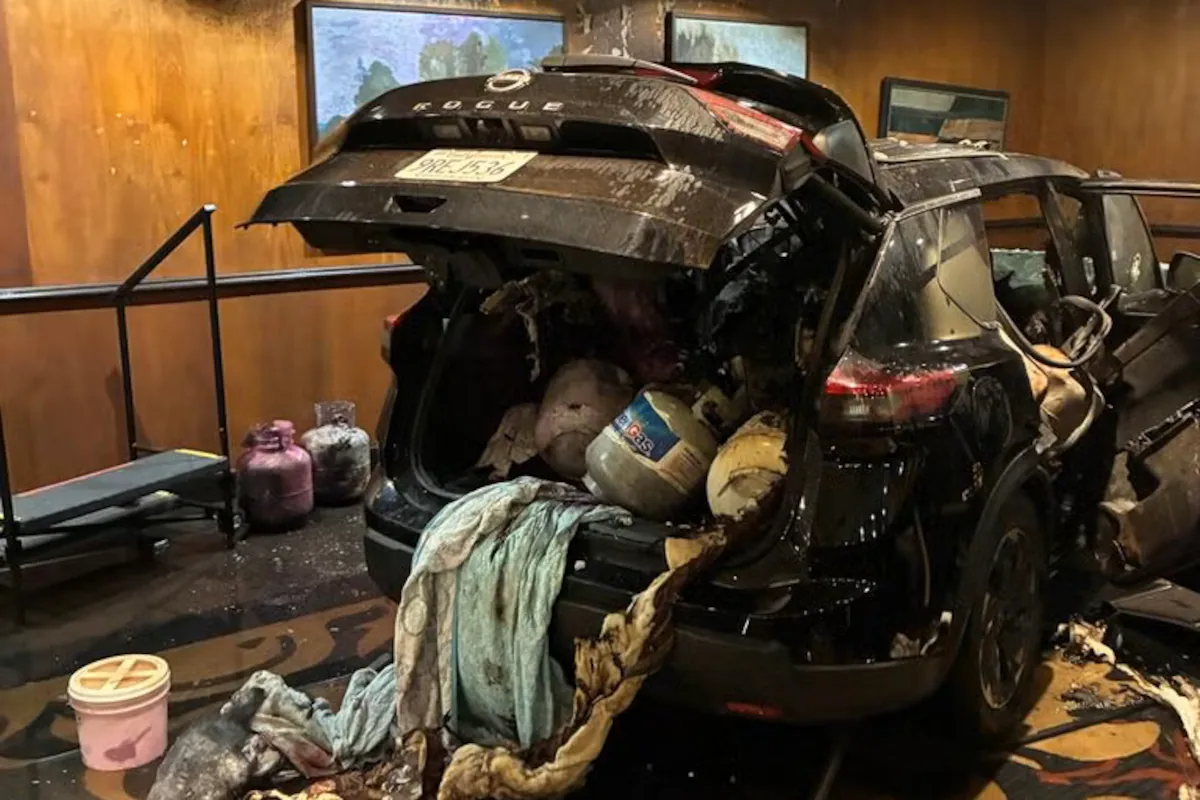
A car “packed with explosives” was driven into the Multnomah Athletic Club in Portland, Oregon, and the driver was killed in the resulting explosion, officials said. Investigators believe the driver was a former employee who deliberately rammed the vehicle through the club.
Those are the basic facts. The harder part comes next: how a constitutional democracy responds to a violent incident in a public space when the weapon is not a handgun, but a vehicle turned into a bomb.
Join the Discussion
What officials say happened
Officials say the suspect drove into the Multnomah Athletic Club and that the vehicle contained explosives. The suspect died in the blast. Early information indicates the suspect had previously worked at the club.
Even when the immediate danger has passed, the constitutional stakes begin to rise. A blast site is a crime scene, but it is also a stress test for public institutions: police procedure, prosecutorial restraint, and the public’s willingness to wait for facts instead of feeding rumors.
When “terror” becomes a label
After an incident like this, many Americans instinctively demand a sweeping crackdown. It is an understandable impulse, and it is also where constitutional guardrails matter most.
In the United States, law enforcement does not get a blank check just because a case involves explosives. Investigators still need lawful grounds to search property, seize devices, and compel information. Warrants, probable cause, and judicial oversight are not bureaucratic niceties. They are the machinery that separates investigation from intimidation.
The Constitution is not designed for calm days only. It is written to restrain government on the days when fear makes restraint unpopular.
How suspicion becomes a story
Officials have pointed to a former-employee connection. The public will fill in the rest, and it will do it fast: motives, affiliations, manifestos, grievances, mental health narratives, and political labels.
But in the early hours, the motive is often the least reliable part of the conversation. Whether this was driven by ideology, personal grievance, or something else entirely remains unknown unless and until investigators establish it. What constitutional culture requires in the meantime is something more difficult: due process norms even when we think we know what happened.
In practical terms, that means reliable timelines, documented forensic findings, and accountable statements from authorities. It also means resisting the temptation to treat a horrific act as a license to punish people who “sound like” the suspect, “look like” the suspect, or share the suspect’s beliefs.
What public safety justifies
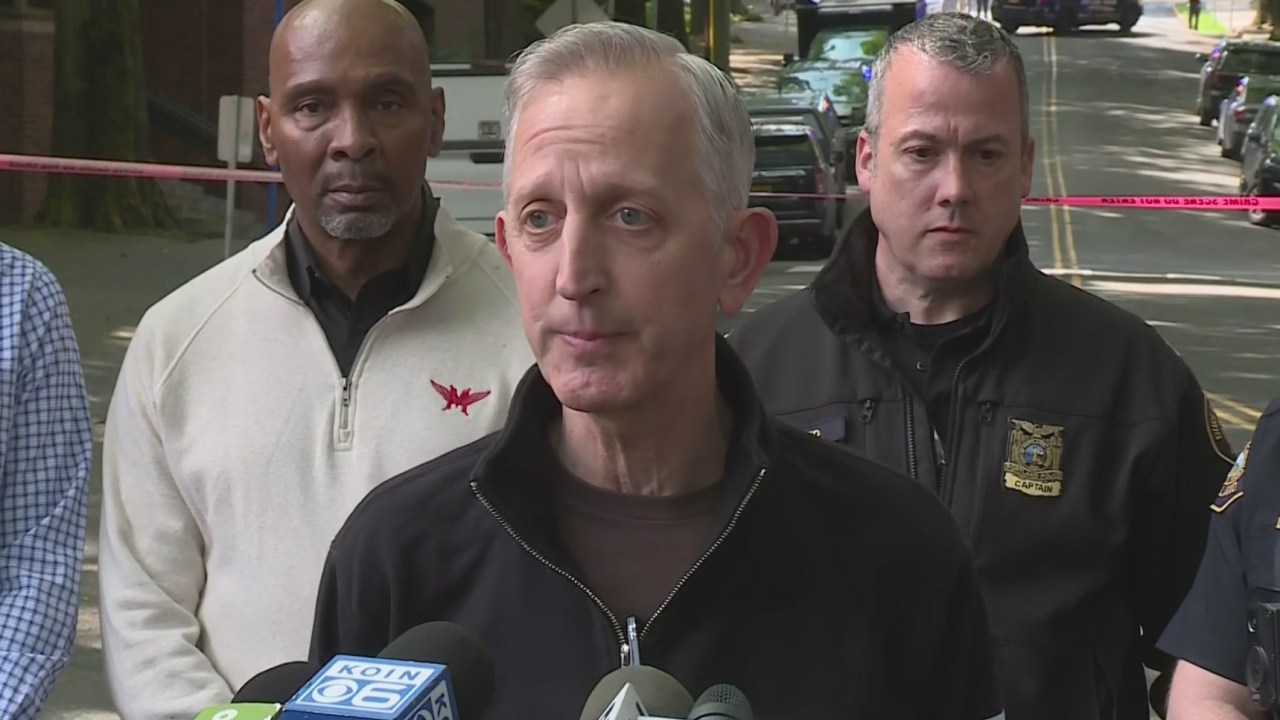
Explosives change how police secure a scene. Bomb technicians, perimeter control, evacuation orders, and temporary restrictions on movement can be necessary. The constitutional line is crossed when “temporary” becomes indefinite, or when emergency measures become a pretext for broad surveillance that outlives the emergency.
Americans often speak as if we must choose between liberty and safety. That is a false binary. We can pursue safety aggressively, but the pursuit has to be bounded, documented, and reviewable. Otherwise we are not protecting constitutional order. We are replacing it.
A final civic test
The driver is dead, officials say. There will be no trial for the suspect, no cross-examination, no sentencing hearing where facts are forced into the open. That makes the public’s demand for answers both more urgent and easier to exploit.
So here is the question that matters most: can we insist on accountability without turning tragedy into a justification for permanent expansion of government power?
The Constitution is not a promise that violence will never visit us. It is a promise that, when it does, we will not abandon the principles that make us a republic instead of a regime.