
Habeas corpus is one of those constitutional ideas that sounds like legal Latin until you realize what it does in plain English: it gives a detained person a way to ask a judge whether the government has lawful authority to hold them.
Now here is the part most people miss. The Constitution does not just reference habeas corpus. It also anticipates the temptation to turn it off when the nation is afraid.
That is the job of the Suspension Clause. It is the Constitution’s emergency gate for detention review. It does not create habeas corpus in the first place, and it does not describe every detail of how habeas works. Instead, it sets a high bar for when the privilege of the writ may be suspended and implies that, in ordinary times, it may not be.
Join the Discussion
What the Suspension Clause says
Article I, Section 9 contains the entire rule:
“The Privilege of the Writ of Habeas Corpus shall not be suspended, unless when in Cases of Rebellion or Invasion the public Safety may require it.”
There are two key takeaways hiding inside that one sentence:
- The default is protection. The privilege “shall not be suspended.” That is the baseline rule of the republic.
- The exception is narrow. Suspension is only permitted in “Rebellion or Invasion” and only when “public Safety may require it.” Not when it is convenient. Not when it is politically useful. Not when it is rhetorically framed as necessary.
Ordinary habeas vs. suspension
If you have read our general overview of habeas corpus, you already know the basic concept: a detained person petitions a court, and the government must justify the legal basis for custody. This page is about something slightly different: what happens when the government claims the emergency power to block that process.
Ordinary habeas corpus
- What it does: It provides a judicial check on detention, whether the detention is by a state, the federal government, or the military acting under federal authority.
- How it operates: Through statutes, procedural rules, and centuries of court practice. In the U.S. system, Congress has long shaped the mechanics of habeas through legislation.
- What question it asks: “By what legal authority is this person held?”
The Suspension Clause
- What it does: It sets the constitutional conditions under which the government may temporarily suspend the privilege of habeas.
- What question it asks: “Can the government legally prevent courts from hearing habeas challenges right now?”
That distinction matters because a government can restrict habeas in subtle ways without formally “suspending” it. Cutting jurisdiction. Narrowing remedies. Building procedural barriers. Those fights often look like ordinary statutory interpretation until you realize the constitutional floor is still there: the Suspension Clause is the backstop.
Who can suspend habeas?
The Constitution does not explicitly say “Congress may suspend.” It also does not explicitly say “the President may suspend.” It simply states when the privilege “shall not be suspended, unless” certain conditions exist.
But placement matters. The Suspension Clause appears in Article I, which is primarily about Congress. Historically and structurally, that has fueled the prevailing view that Congress is the branch with suspension power, because it controls the rules governing federal courts and because suspending a legal privilege looks like legislation.
At the same time, the most famous real-world suspension episode began with an executive decision during war, which is why the question continues to echo: if the nation is under immediate threat and Congress is not in session, can a President act first?
In practice, American history suggests a pattern: Presidents may claim emergency authority, but durable suspension has generally required, or later sought, congressional approval. The constitutional legitimacy of unilateral executive suspension remains one of the hardest edge questions in emergency powers, and the Supreme Court has never squarely settled it.
What counts as rebellion or invasion?
The clause does not define “rebellion” or “invasion.” It also does not mention terrorism, sabotage, cyberattacks, or domestic unrest short of rebellion. That silence is not an accident. It is the constitutional strategy of using a tight trigger to avoid normalizing emergency government.
Historically, “rebellion” has been understood as an armed uprising that threatens the government’s ability to function. “Invasion” is more straightforward: hostile forces entering U.S. territory. The harder part is the second requirement: public safety must require suspension.
That means even if rebellion or invasion exists, suspension is not automatic. The government must claim that courts functioning normally would create a genuine public safety crisis, such as an inability to manage battlefield detentions, prevent immediate violence, or maintain order in a way that ordinary criminal process cannot handle.
What suspension does and does not do
Suspension is commonly described as “suspending habeas corpus,” but the text is more precise. It suspends the privilege of the writ. That wording reflects an older understanding: habeas is a tool, and the privilege is the protected ability to demand that tool in court.
Suspension does
- Block or limit access to courts for habeas review, depending on how Congress writes the suspension and what courts permit under it.
- Shift power toward the executive in detention decisions, especially when military or national security detentions are involved.
Suspension does not
- Erase the Constitution. Suspension is not a blank check to punish dissent, cancel elections, or ignore other rights.
- Automatically legalize detention without rules. Even in wartime, Congress and the executive typically claim some legal framework for detention authority.
- Last forever. The clause is inherently about emergency conditions. Indefinite “emergency” is exactly what the clause is designed to resist.
In other words, suspension is about judicial access, not a magic phrase that makes everything lawful.
History that shaped the doctrine
The Civil War and Lincoln
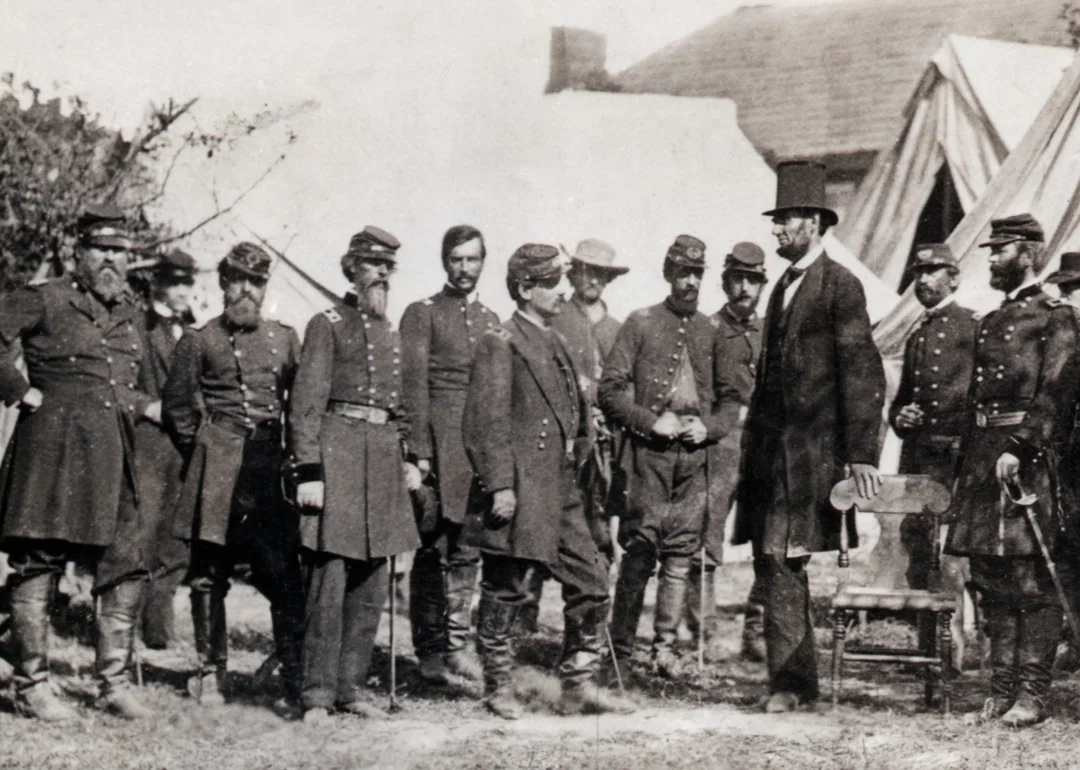
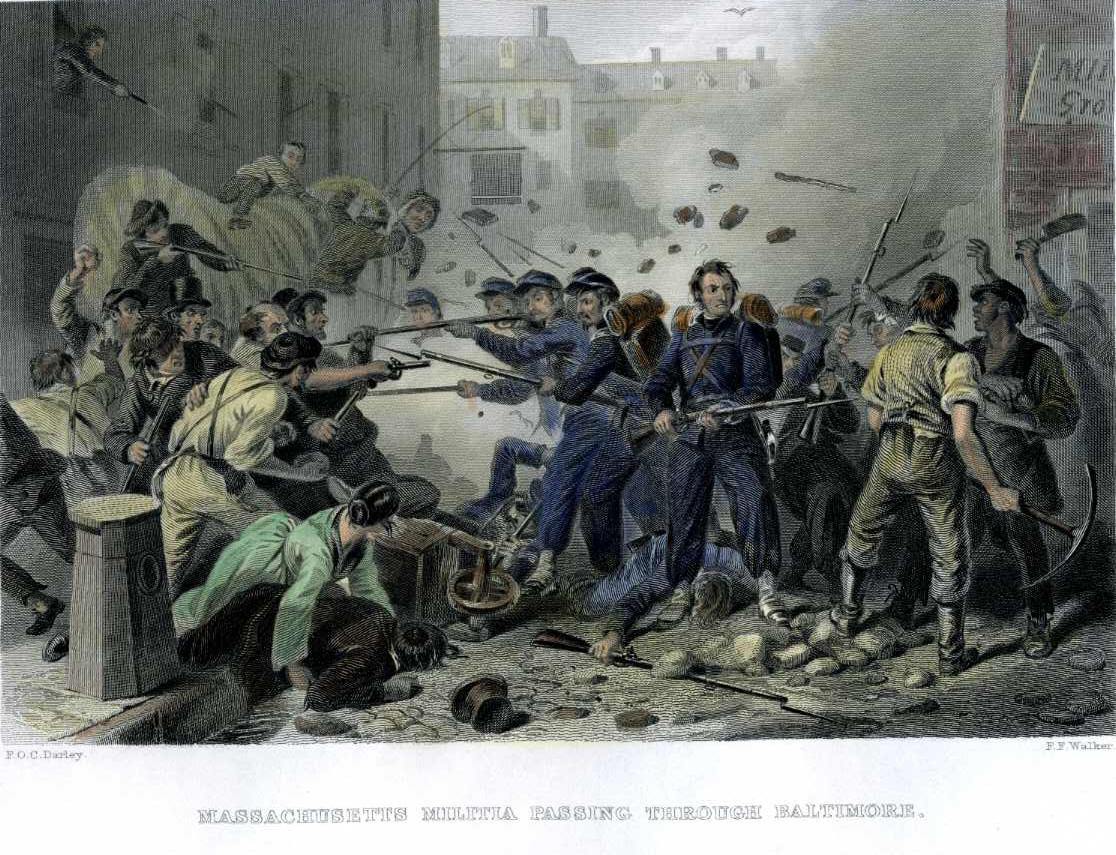
The defining American conflict over suspension is the Civil War. President Abraham Lincoln authorized suspensions of habeas in key areas as the Union confronted rebellion, sabotage, and the practical problem of securing rail lines and the capital.
Chief Justice Roger Taney, riding circuit in Ex parte Merryman (1861), argued that the President lacked power to suspend because the clause sits in Article I. Lincoln did not accept that conclusion as binding in the moment, and the war moved on.
Congress later passed the Habeas Corpus Suspension Act of 1863, which placed legislative backing behind suspension and included procedural mechanisms such as requiring federal judges and jailers to address lists of prisoners and, in certain settings, tying continued military detention to grand jury action.
Reconstruction and federal power
Post-war America saw additional uses and threats of suspension tied to violence and resistance in the South. These moments underscore that “rebellion” is not just a battlefield term. It can also describe organized violence aimed at preventing lawful government from operating.
World War II and incarceration
World War II produced one of the most notorious civil liberties failures in American history: the mass exclusion and incarceration of Japanese Americans. That episode is often discussed through cases like Korematsu, and it is telling for Suspension Clause purposes because the government did not formally suspend habeas nationwide on the mainland. At the same time, the wartime picture is more complicated than a single headline. Some detainees pursued court challenges, including Endo, which rejected continued detention of a concededly loyal U.S. citizen.
There is also an important contrast case: following Pearl Harbor, Hawaii operated under martial law, and habeas review was effectively shut down there in ways that later triggered major litigation. That geographic difference is a reminder that suspension and near-suspension have often been local, tailored, and fiercely contested.
The cautionary point is blunt: constitutional crisis does not always announce itself with a formal “suspension.” Sometimes the system bends through ordinary-seeming legal tools and courts defer anyway.
Modern framework
Modern habeas and suspension debates often arise from a different posture than the Civil War. Instead of a declared suspension of the writ, we more often see statutory restrictions paired with national security detention.
Congress shapes habeas
Congress has significant authority to define federal court jurisdiction and set procedures for habeas petitions. That makes modern conflicts look technical, even when the stakes are existential. When Congress narrows judicial review, courts sometimes ask whether the restrictions leave an “adequate and effective” substitute for habeas. That substitute framework is closely associated with the Supreme Court’s modern Suspension Clause analysis, including Boumediene v. Bush (2008).
Detention and Guantanamo
The post-9/11 period produced major Supreme Court cases testing whether detainees held at Guantanamo Bay could seek habeas relief in U.S. courts and whether Congress could remove that jurisdiction. For readers who want the landmarks: Rasul (2004), Hamdi (2004), Hamdan (2006), and Boumediene (2008) are the central points on the map.
At a high level, the Court’s modern message has been that geography and labels do not automatically turn the Constitution off. If the United States exercises sufficient control and the detention is effectively under U.S. authority, the question of habeas access remains live, even if Congress attempts to route review through alternative procedures.
No formal suspension, same anxiety
Notice what is missing from the modern era: a clear, nationwide declaration that “the privilege of the writ is suspended.” The fights instead center on whether statutes have functionally done something close to suspension without meeting the clause’s trigger conditions.
This is why it helps to separate the Suspension Clause from ordinary habeas doctrine. Habeas is the engine. The Suspension Clause is the constitutional governor that stops the government from simply ripping the engine out during a panic.
What courts look for
Courts do not treat every limit on habeas as a suspension. Many restrictions are treated as ordinary jurisdiction and procedure questions. But when the restriction becomes sweeping, judges tend to focus on a few recurring concerns:
- Is there a meaningful opportunity to challenge detention? A “review” process that cannot test the factual or legal basis for imprisonment is not much of a substitute.
- Who is being detained, and where? Citizen status, the place of detention, and the nature of the conflict can all affect the analysis.
- What is the government’s asserted authority? Courts often press for clarity about whether detention rests on criminal law, immigration law, military authority, or congressional authorization.
- Is this temporary and tailored to necessity? Even without a formal suspension, emergency logic that drifts into permanence is the constitutional red flag.
These are not just legal tests. They are the practical ways the judiciary checks whether “public safety” is being used as a constitutional standard or as a political solvent.
Why the clause exists
The Suspension Clause is a confession built into the Constitution: the Framers believed that emergencies would come, and they believed governments would try to detain first and explain later.
So the Constitution does two things at once. It protects a core liberty tool that predates the United States. And it permits a narrow override when the nation is truly under violent threat.
That balance is uncomfortable on purpose. The clause is supposed to make suspension hard to justify and costly to normalize. If it feels like a high bar, that is because it is.
How this connects to habeas
If you want the full mechanics of how habeas petitions work, who can file, and what kinds of detention they challenge, start with our broader habeas corpus overview. Think of that page as the “how.”
This page is the “when, and under what emergency theory, can the how be blocked?”
In a stable constitutional system, you rarely need to ask that question. But the Suspension Clause exists because stability is never guaranteed. The rule of law is tested not when courts are popular, but when they are inconvenient.

Quick answers
Does the Constitution create habeas?
It presupposes and protects it by forbidding suspension except in narrow circumstances. The detailed procedures come largely from statutes and court practice.
Can the President suspend habeas?
The Constitution does not say so explicitly. Because the clause sits in Article I, many read suspension as a congressional power. The Civil War experience shows the tension between immediate executive action and the expectation of legislative authorization, and the Supreme Court has not definitively resolved the unilateral presidential power question.
Has habeas ever been suspended in the U.S.?
Yes. The most famous and influential example is during the Civil War, with executive actions followed by congressional legislation supporting suspension in certain circumstances. There were also wartime episodes where habeas review was shut down in specific places, including Hawaii under martial law after Pearl Harbor.
Is limiting habeas the same as suspending it?
Not always. Congress can regulate habeas and federal jurisdiction, but if the restrictions eliminate a meaningful path to challenge detention, courts may treat the situation as raising Suspension Clause concerns.