
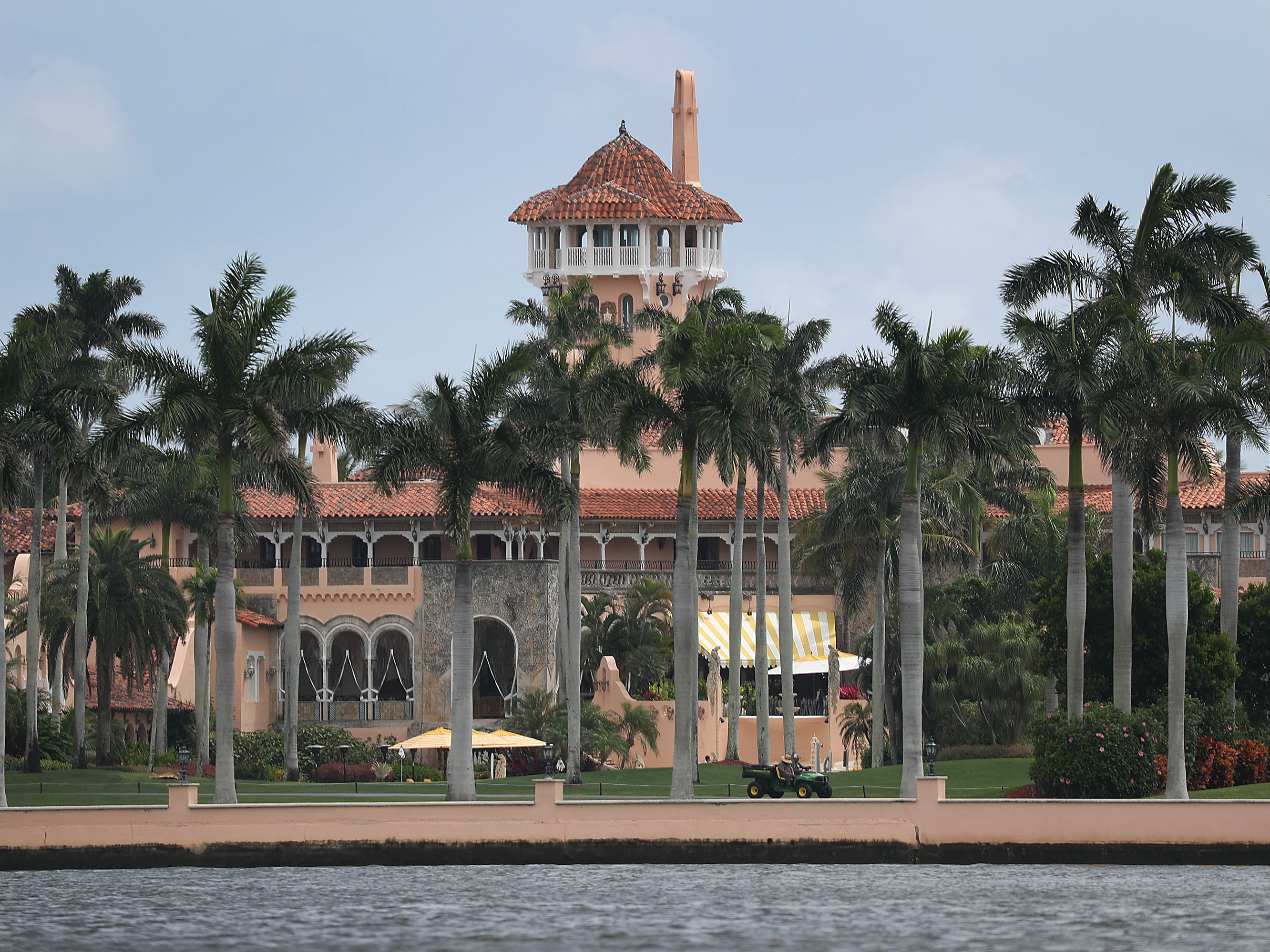
Mar-a-Lago is trending for a reason that has almost nothing to do with gold fixtures or membership lists.
It became a stand-in for a much larger civic question: when political leaders call for a nationwide buildout of data centers and AI infrastructure, who is expected to host the noisy, power-hungry parts of that future, and who gets to keep those costs at a comfortable distance?
In the last few days, that question got packaged into a simple social-media dare: if Donald Trump wants data centers “everywhere,” why not put one next to his own Palm Beach estate first? The reply that supercharged the moment did not defend the idea of sparing wealthy neighborhoods. It argued the opposite, pointing out that a data center already sits near Mar-a-Lago, “literally right across the bridge.”
Join the Discussion
The viral argument, stripped of the meme
The online exchange looks like partisan sniping, but the structure of the argument is older than the internet. It is the classic American fight over where public burdens land.
Data centers are not just “buildings with servers.” They are land-use decisions that reshape a community’s relationship to power, water, traffic, and long-term growth. When politicians praise them as a national priority, the praise eventually becomes a zoning meeting, a permitting dispute, and an argument over who has to live with the consequences.
So the dare was never really about whether anyone expects a server farm to be built on the Mar-a-Lago lawn. It was an accountability prompt: prove you are not asking only other people to accept the tradeoffs.
- The challenge: If data centers are so beneficial, put one near your most personal, most valuable address.
- The rebuttal: The premise that elite enclaves are untouched is not always true. Some of this infrastructure is already close to wealth.
- The deeper question: Even if a facility is nearby, who chose that location, who approved it, and who had the power to shape the terms?
Why “there’s one across the bridge” matters
The most shared line in this mini-drama was blunt: “There’s a data center literally right across the bridge from Mar-a-Lago. Try again.” It landed because it changed the debate from vibes to geography.
That matters for two reasons.
First, proximity is the whole rhetorical currency of the dare. “Put it near you” is not a metaphor. It is an attempt to collapse the distance between national ambition and local inconvenience. If something is already nearby, the moral contrast critics were trying to draw gets messier.
Second, proximity is also a trap. A data center can be “near” and still politically invisible if it is tucked into an industrial zone, buffered by water, screened by landscaping, or placed where a small number of residents bear the disruption. In land-use politics, the question is not only how close something is, but who had the leverage to decide the boundaries of “close enough.”
The constitutional angle: data centers are not a national right. They are local power.
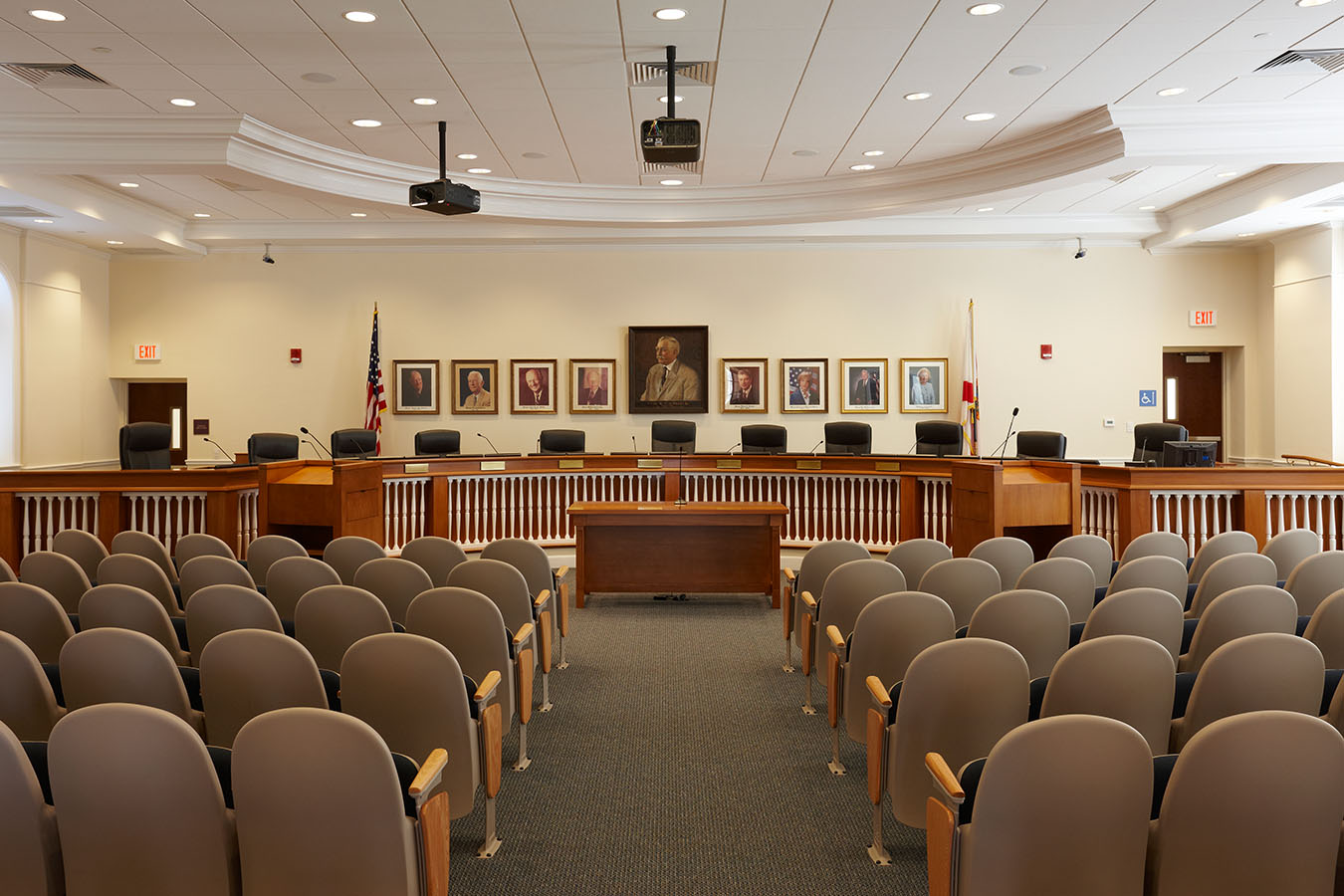
The Constitution does not contain the words “data center,” “artificial intelligence,” or “server.” What it does contain is a structure that explains why these fights erupt the way they do.
Most of the battles over siting happen under state and local authority: zoning codes, environmental permitting, utility agreements, building inspections, noise ordinances, and tax incentives. That is federalism in practice. The national government can push priorities, but communities are often the ones that have to say yes or no to an actual address.
That division of power creates a recurring American pattern: Washington talks in grand strategy, while counties and towns argue about transformer hum, backup generators, and whether “economic development” means jobs or just a bigger power bill.
It is also why the Mar-a-Lago dare worked as a piece of political theater. The closer you get to a real neighborhood, the more the debate stops being ideological and starts being procedural: Who votes? Who gets notice? Who can appeal? Who can afford lawyers and consultants? Those are the quiet mechanics of self-government.
What makes AI infrastructure different from other “build it here” projects
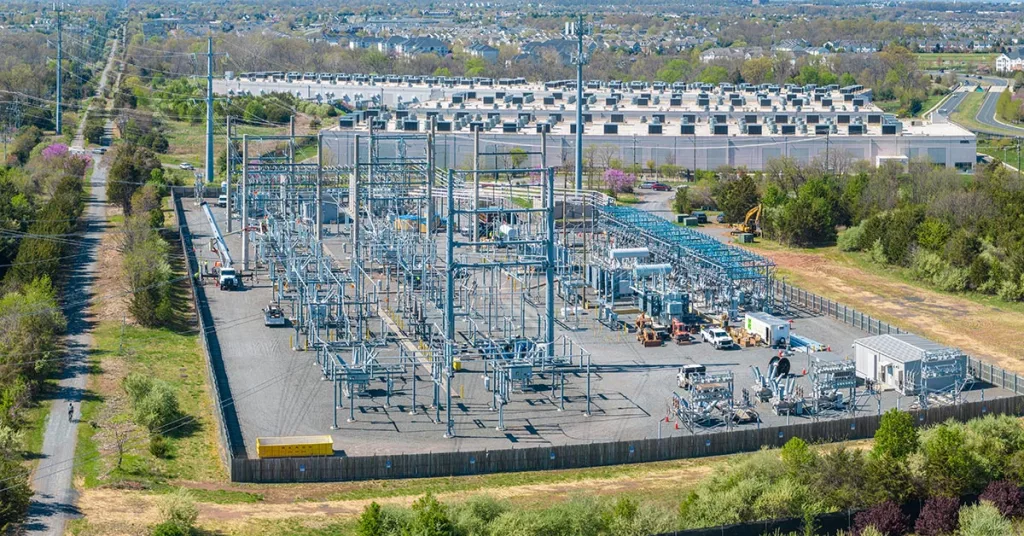
Americans have fought for decades over where to place highways, pipelines, prisons, wind farms, and cell towers. Data centers borrow a little from all of them, and then add a modern twist: they convert electricity into economic power in a way that is hard to see.
To a supporter, a data center is the physical backbone of cloud computing and the next wave of AI competitiveness.
To a skeptical neighbor, it can look like a massive industrial facility that consumes resources while employing relatively few people once construction ends. Even when those impressions are incomplete, they shape the politics.
That is why the optics matter so much. If communities believe the benefits flow outward while the burdens stay local, the backlash becomes predictable. And if people believe wealth can insulate itself from the downsides, the backlash becomes personal.
Privilege is not just “where it is.” It is “how it got there.”
Suppose it is true that a data center sits near Mar-a-Lago. That does not automatically end the equity argument. It just changes it.
The harder question is whether wealthy communities experience these projects under the same rules as everyone else.
- Buffering: Are there natural or man-made barriers that reduce noise, traffic, or visual impact?
- Zoning and land selection: Was the site already industrial, or did policy make exceptions?
- Negotiated conditions: Were there stricter requirements on landscaping, generator testing, truck routes, or operating hours?
- Political access: Who could get meetings, mobilize neighbors, or threaten litigation?
In other words, “across the bridge” can be either a reality check or an invitation to ask better questions. Sometimes both.
What the Mar-a-Lago moment reveals about civic education
This is where I want to slow the story down.
Viral politics trains us to argue about a symbol. Civic education asks us to identify the decision-maker. If you want to understand who “puts” a data center somewhere, you do not start with a meme. You start with a checklist:
- Which local body approves zoning or special exceptions?
- Which agency issues environmental and building permits?
- Which utility commits to expanded capacity, and on what terms?
- What public notices were required, and did residents have meaningful time to respond?
- What appeals process exists, and who can afford to use it?
That is democracy at the granular level. Not glamorous. Not viral. But real.
FAQ
Did critics literally want a data center built at Mar-a-Lago?
Mostly no. The point was to expose a perceived double standard: that leaders sell the public on a national infrastructure boom while expecting other communities to absorb the disruption.
Does a nearby data center “disprove” the double standard?
It challenges a simplistic version of it. But the fairness question does not end with proximity. It also includes who shaped the permitting terms and who carries the costs.
Is this really a constitutional issue?
Not in the sense of a clause that says “you have a right to AI infrastructure.” It is constitutional in the practical sense that federalism and local self-government determine where projects go, how communities consent, and what remedies people have when they object.
The real story
The Mar-a-Lago trend is not a mystery and it is not a policy paper. It is a snapshot of how Americans pressure-test national promises.
Buildouts are easy to cheer in the abstract. They get hard when a specific place is named. That is why the meme latched onto a specific address, and why the rebuttal relied on a specific geographic claim. Both sides were fighting over the same thing: whether the burdens of the AI future will be shared, or simply assigned.
And that, more than any single estate, is the fight that is coming home.