
Prince Harry’s Nightmare Week, Charles Reunion, and the “Full-Time Dad” Fight
Prince Harry is trending because the internet is not reacting to one headline. It is reacting to a stack of them that, together, revive a long-running question of the post-Megxit era: what is Harry’s relationship to the monarchy now , and what does he want his life to mean outside it?
Mid-July’s surge ties four narratives into one public argument: talk of a family reunion involving King Charles and Harry’s children; a parallel narrative casting Queen Camilla as a steadying presence around that contact; commentary suggesting Harry misses parts of royal life; and a viral segment that mocks Harry for describing himself as a “full-time dad.” Each angle hits a different nerve, but they all land on the same cultural pressure point: status, obligation, and identity after leaving an institution built on all three.
Important note on sourcing: Some of the most shareable details in this cycle are circulating as reporting, commentary, or clips without a single, universally agreed-upon public record. In this piece, those claims are treated as media narratives people are reacting to, not settled fact.
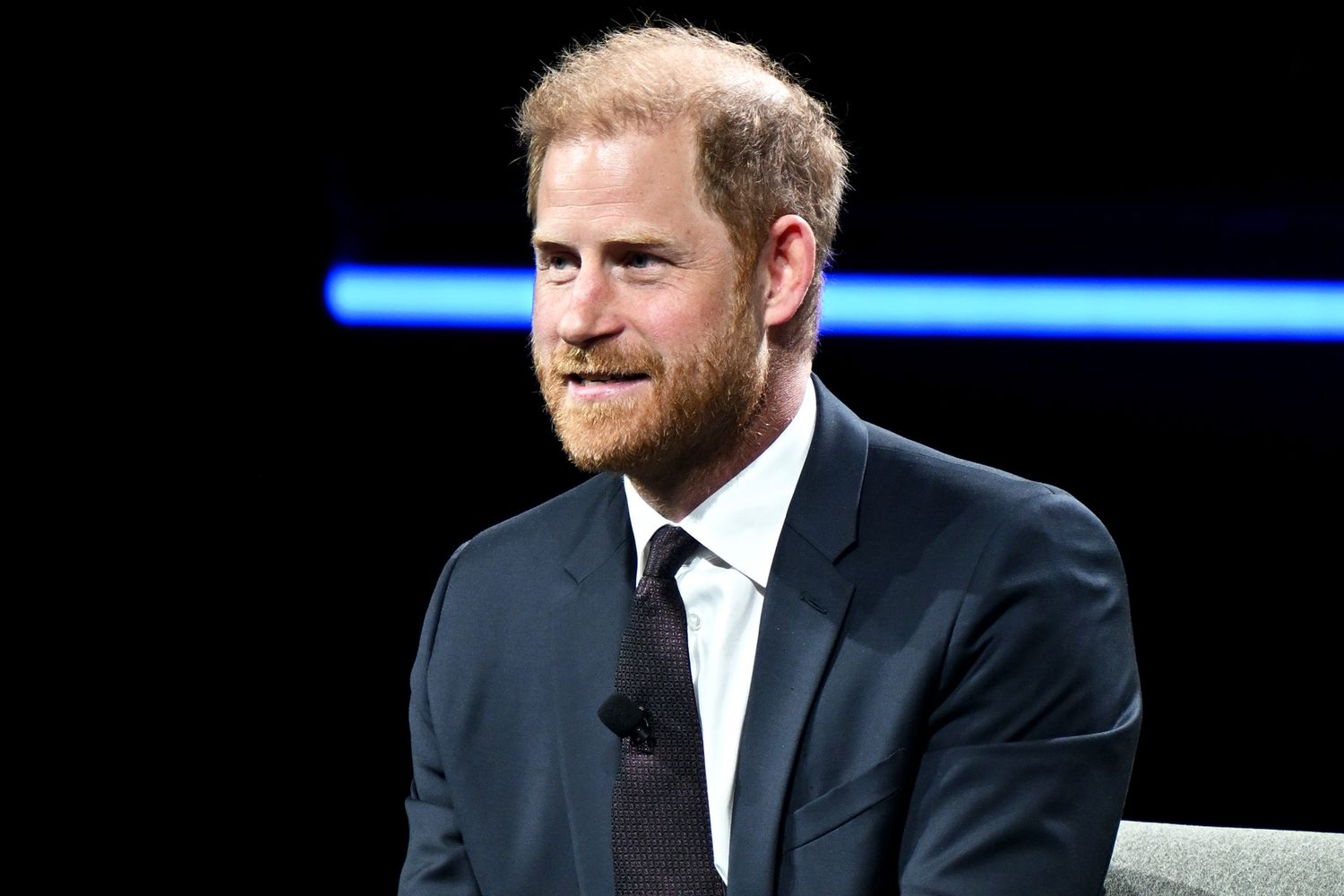
Join the Discussion
The real trend
When a celebrity trends, we tend to look for the single trigger. But this spike reads more like a convergence, where separate audiences arrive through different doors:
- The family door: accounts circulating that Harry’s children, Archie and Lilibet, have been in contact with King Charles, framing Harry as a bridge between two households.
- The palace door: a storyline that Camilla helped “steady” or facilitate that contact, implicitly framing the Crown as managing the temperature around family moments.
- The regret door: expert and pundit commentary that Harry misses parts of his former royal life and finds his post-royal identity harder to sustain.
- The ridicule door: a widely shared segment that treats “full-time dad” as a punchline, turning a biography-style description into a culture-war argument.
The composite question becomes: Is Harry rebuilding family ties for his children, or drifting back toward the orbit he tried to escape?
What “nightmare week” does
The phrase “nightmare week” matters because it is a narrative cue, not a finding of record and not a palace communiqué. It tells readers to interpret any contact or reunion as damage control and to read Harry as someone reacting under pressure.
In royal coverage, that framing often does two things at once:
- It raises the stakes: if the week was “nightmare,” then the meeting is not casual. It is purposeful.
- It narrows the motive: it suggests the moment happened because something forced timing, not because time finally healed the wound.
That is why it spreads. It creates a mystery people can prosecute without new facts: What happened? Who needed what? Who conceded?
Why the kids change the math
The most durable part of this cycle is the kid-centered framing, whether the underlying details are confirmed publicly or not. The presence of children changes the audience’s moral math. A father-son conflict becomes a grandparent-grandchild question, and those tend to soften people who otherwise choose sides.
In practice, a reunion narrative involving children functions as a reputational reset button for everyone involved:
- For Harry: it frames him as a parent prioritizing his kids’ family connections.
- For Charles: it reinforces continuity, lineage, and the idea of monarchy as family as well as institution.
- For the palace: it signals stability without requiring an explicit concession on titles, roles, or future duties.
That last point is key. The monarchy can offer warmth without offering power.
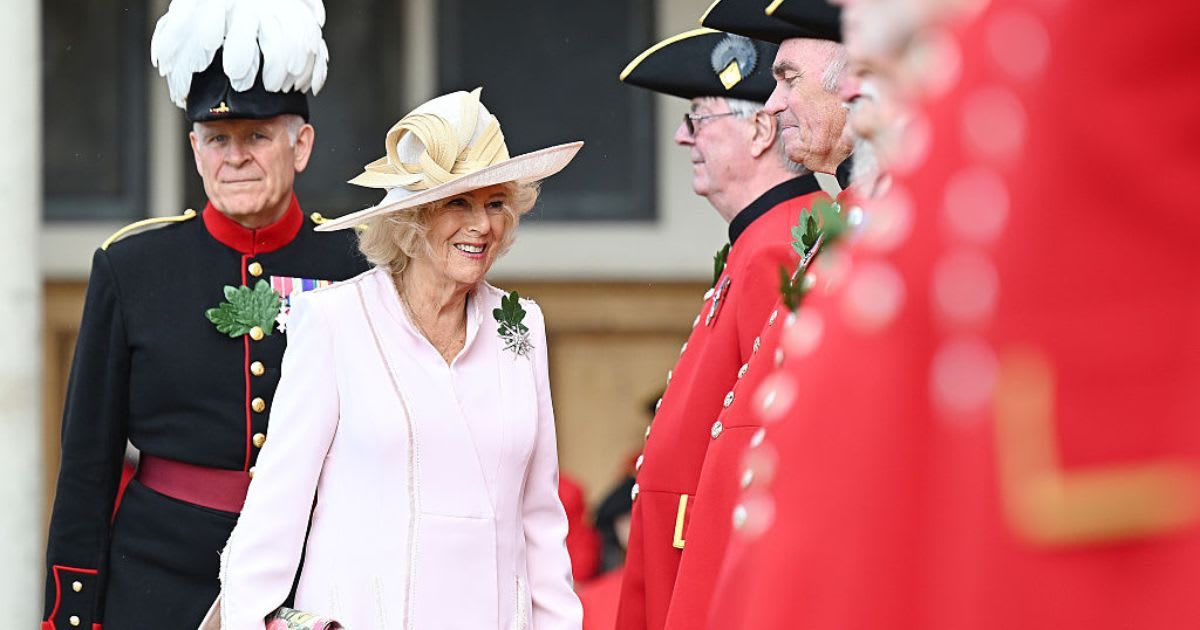
Camilla as a storyline
Reports and chatter that Queen Camilla “dropped everything” or rearranged commitments to support a Charles-Harry moment were always going to travel fast. Not because the public suddenly needs scheduling details, but because it hints at something viewers rarely get to see plainly: royal life as managed logistics, not only ceremony.
As framed in this cycle, her role is less about sentiment and more about what her presence implies:
- Gatekeeping: the palace is not leaving family contact to chance.
- De-escalation: someone is there to keep the encounter from becoming combustible.
- Institutional memory: relationships are handled with an eye on headlines, patronages, security questions, and long-term legitimacy.
Even without verified operational specifics, the implication of management turns “family visit” into a story about strategy. For readers, “management” usually looks like message discipline, carefully timed appearances, controlled photo opportunities, and an insistence that any personal thaw does not automatically become an institutional shift.
The “he misses royal life” narrative
The regret storyline thrives because it offers a tidy arc: the runaway prince discovers freedom has costs. But it helps to separate two claims that often get blended:
- Claim A (personal): Harry misses parts of his old life. That can be true for almost anyone leaving a world that supplied identity, staff support, and guaranteed relevance.
- Claim B (institutional): Harry wants back in as a working royal. That is a much larger step with major institutional and political implications for how the monarchy presents itself and how public resources and duties are justified.
People argue as if Claim A automatically proves Claim B. It does not. Missing a community or a sense of purpose is not the same thing as seeking reinstatement into a system whose legitimacy depends on public trust.
Still, the narrative remains viral because it feeds a broader American internet obsession: the morality play of privilege. If you are born into a gilded structure and reject it, the public often insists you must either be punished by reality or return, repentant.
Why “full-time dad” went viral
A widely shared segment mocking Harry for describing himself as a “full-time dad” spread fast because it compresses multiple resentments into one easy punchline: a prince calling himself a dad as if that is a job.
But the heat is not really about parenting. It is about work as legitimacy. In a culture where status is expected to be earned, “full-time dad” can read as either:
- Admirable: choosing hands-on parenting over image management, especially for someone whose childhood was public.
- Insulting: a wealthy public figure adopting a label that many parents live out under economic strain, without the same safety net.
Notice what the viral framing does rhetorically. It rarely argues about Harry’s specific responsibilities. It argues about whether he has the right to describe his life in ordinary terms.
That is also why it pairs well with the regret narrative. If Harry is depicted as unfulfilled in California, then “full-time dad” becomes, for critics, evidence of drift. For supporters, it becomes evidence of values.
Why this fits a civics site
At first glance, Harry is celebrity news, not civic education. But Americans follow royal family dynamics with such intensity for a reason that is civic, even if indirect: the monarchy is a living example of what the United States rejected.
Our constitutional culture prizes republicanism and earned legitimacy. We do not have royal offices, and the Constitution even includes a Titles of Nobility tradition as part of the broader anti-aristocracy instinct. So when royalty becomes news, many Americans evaluate it through familiar civic reflexes:
- Anti-nobility instinct: inherited status feels suspect, even when it is glamorous.
- Accountability: public role and public benefit are expected to match.
- Merit and work: usefulness is treated as something you prove, not something you inherit.
Harry’s post-royal life sits at that intersection. He is trying to be an individual in a story built to treat him as a symbol. The headlines stay popular because they keep testing the same question: can someone born into an institution ever fully exit it in the public imagination?
What to watch next
Signals that matter
- Repeat contact that includes the children: one visit is a headline; a pattern is a relationship shift.
- Language changes from the palace: small shifts in tone can indicate whether reconciliation is being normalized.
- Harry’s framing of his work: whether he emphasizes philanthropy, media production, advocacy, or parenting shapes whether audiences see a stable post-royal identity.
Signals that are mostly noise
- One-off certainty from “experts”: predictions about what Harry “really” wants often reveal the commentator’s incentives more than Harry’s intentions.
- Viral ridicule clips: optimized for outrage, not accuracy. Their function is to recruit an audience into a preexisting stance.
Harry trends because the public is not done litigating the Megxit argument. Mid-July simply handed the internet a perfect bundle: a kid-centered reunion narrative, a palace-management subplot, a regret arc for those who want a morality tale, and a mockable soundbite for those who want a punchline.
None of those alone is new. The combination is.