
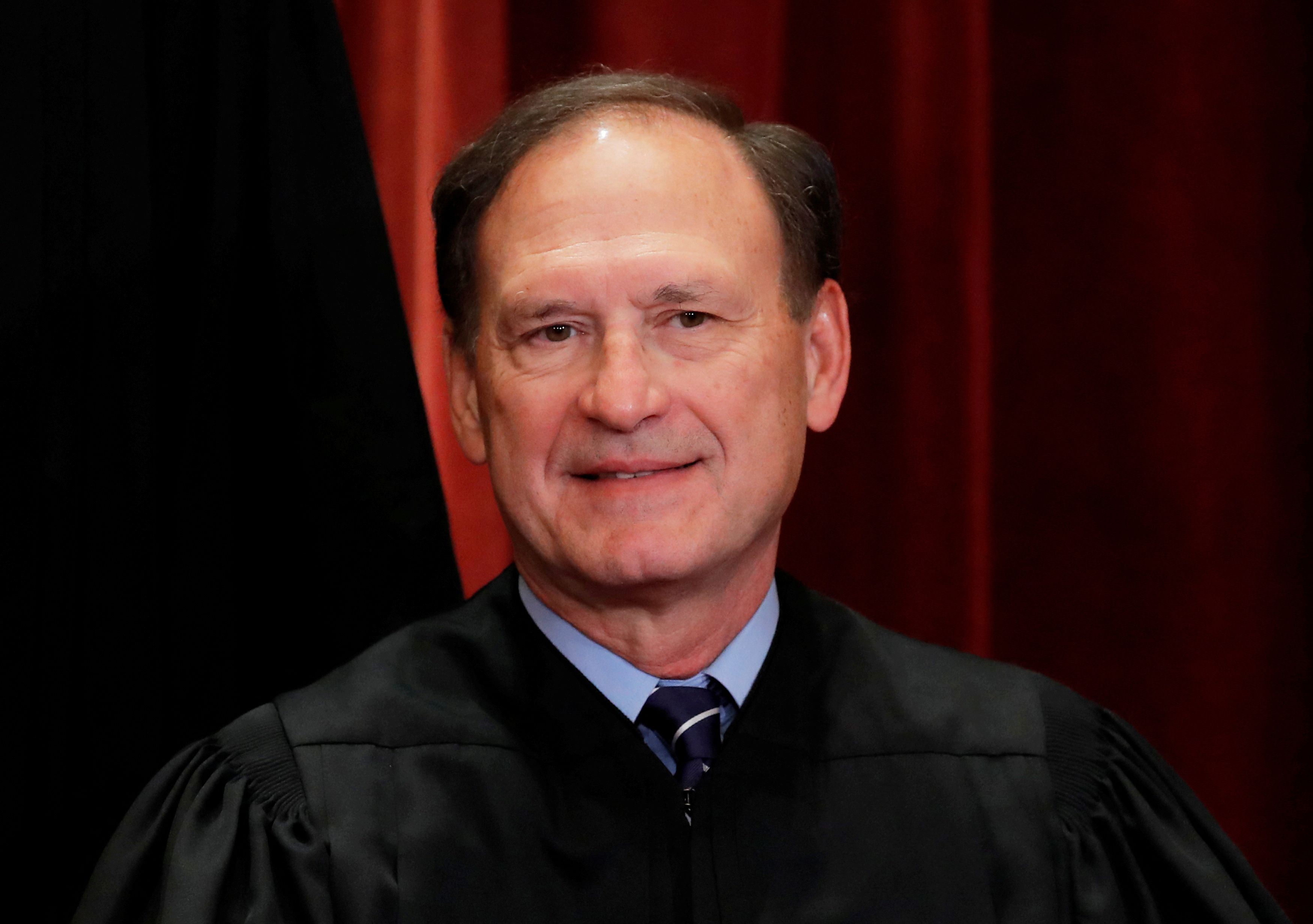
For a few weeks this summer, one question seemed to hover over the Supreme Court like humidity in Washington: Is Justice Samuel Alito about to retire?
Justice Alito has now answered that question, at least for the near term. In an interview conducted in his chambers, he put it plainly: “Obviously I’m here for another term.”
If you follow the Court closely, you already know why that single sentence lands with such force. In our system, justices hold their offices “during good Behaviour.” That is constitutional language for life tenure, unless a justice resigns, retires, or is removed through impeachment and conviction. So when a justice signals he is staying, it affects everything from case forecasting to election-season chatter.
Join the Discussion
How the rumors started
The immediate spark was a high-profile, quickly corrected item in late June that mistakenly claimed Justice Alito was retiring. It was retracted about 10 minutes later. A veteran Supreme Court correspondent later apologized directly to Justice Alito and said the error came from misunderstanding a statement by Chief Justice John Roberts about retirement announcements involving staff, not a justice.
That kind of correction rarely ends the conversation. Once retirement speculation starts, it tends to pick up extra passengers: partisan hopes, fundraising emails, social media certainty, and well-meaning civic confusion.
Alito’s plan: “another term”
Justice Alito, who has served on the Supreme Court since January 2006, is currently 76. By saying he is “here for another term,” he is signaling that he expects to remain on the Court into the next cycle of arguments and decisions.
The next Supreme Court term is scheduled to begin October 5 and run through June 30, 2027. That is the basic calendar that matters here. When a justice stays, the docket moves forward with the same nine-member Court, and the internal dynamics that shape outcomes remain largely intact.
Justice Alito also cast doubt on the familiar political theory that he might step aside on a precise timetable to ensure a particular president appoints his successor. The larger point is straightforward: retirement decisions are personal, strategic, and institutional, and they are not always predictable from the outside.
Why the talk matters
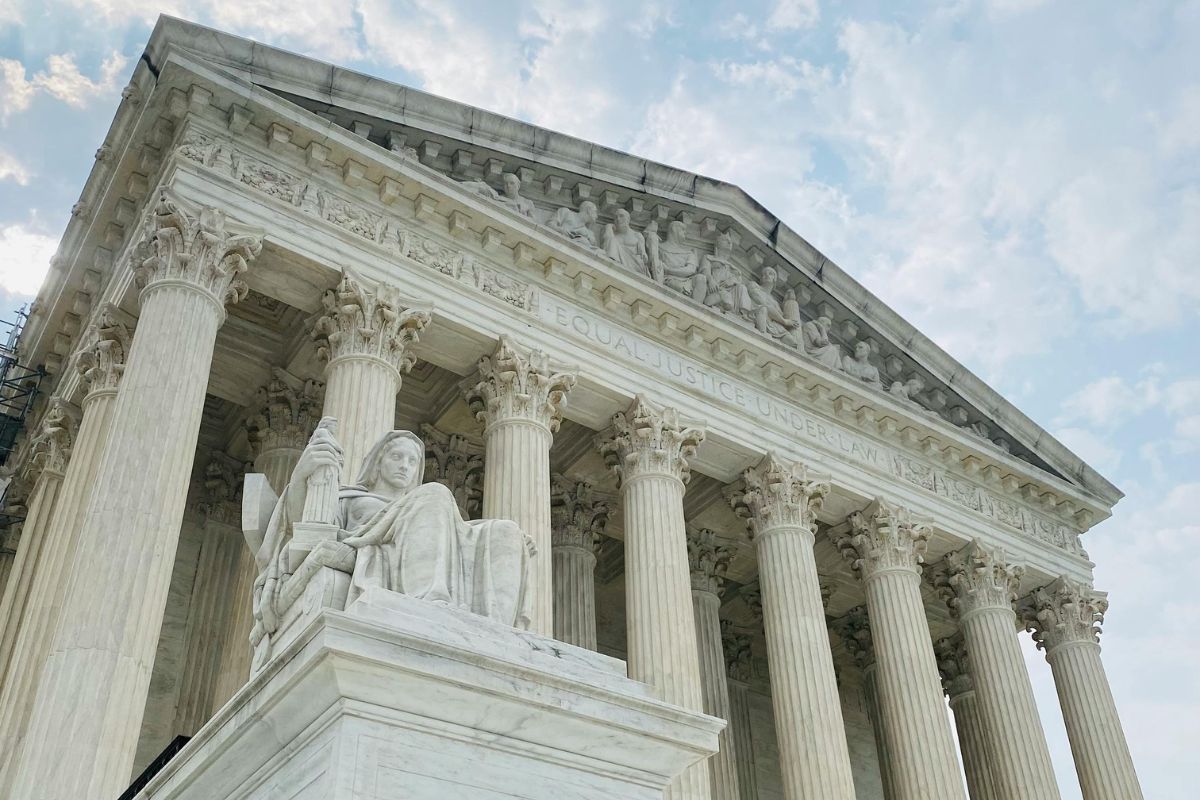
The Supreme Court is both less and more political than people assume. Less political because justices are not running for office and cannot be voted out. More political because appointments are made through elected branches, and vacancies can shift constitutional law for decades.
Three reasons retirements draw attention
- The stakes are long-term. A single appointment can influence constitutional interpretation for a generation.
- Vacancies are rare but decisive. Unlike Congress, the Court does not change every two or six years. It changes when someone leaves.
- Timing is power. Because presidents nominate and the Senate confirms, the political alignment of those branches shapes who can realistically be confirmed.
Put simply: retirement talk is not gossip in the usual sense. It is a way people try to anticipate how constitutional rules will be interpreted in the future. But it also easily turns into wishcasting, where people confuse what they want to happen with what is actually happening.
What the Constitution does and doesn’t say
The Constitution does not set an age limit for Supreme Court justices, and it does not require mandatory retirement. Article III establishes life tenure “during good Behaviour” and protects judicial compensation from being reduced while a justice remains in office. Those features are meant to support judicial independence, even when rulings are unpopular.
That independence is also why we sometimes see justices serve well into their seventies, eighties, or beyond. Whether you cheer that or dislike it, it is a predictable outcome of the constitutional design.
What to watch next
Justice Alito’s “another term” comment answers the immediate question, but it does not end public curiosity. A few concrete things are worth watching instead of rumor cycles:
- The October start. If Justice Alito takes his seat for the new term, the retirement speculation should fade into background noise.
- End-of-term signals. When retirements do happen, they are often announced near the end of a term, but there is no requirement that they be.
- High-salience decisions. Public attention often spikes around major rulings, and that attention tends to re-ignite retirement talk.
For now, the simplest takeaway is also the most reliable: Justice Samuel Alito says he is staying on the Supreme Court for the upcoming term. If you are trying to understand what the Court may do next, that is the stable fact to build on.