
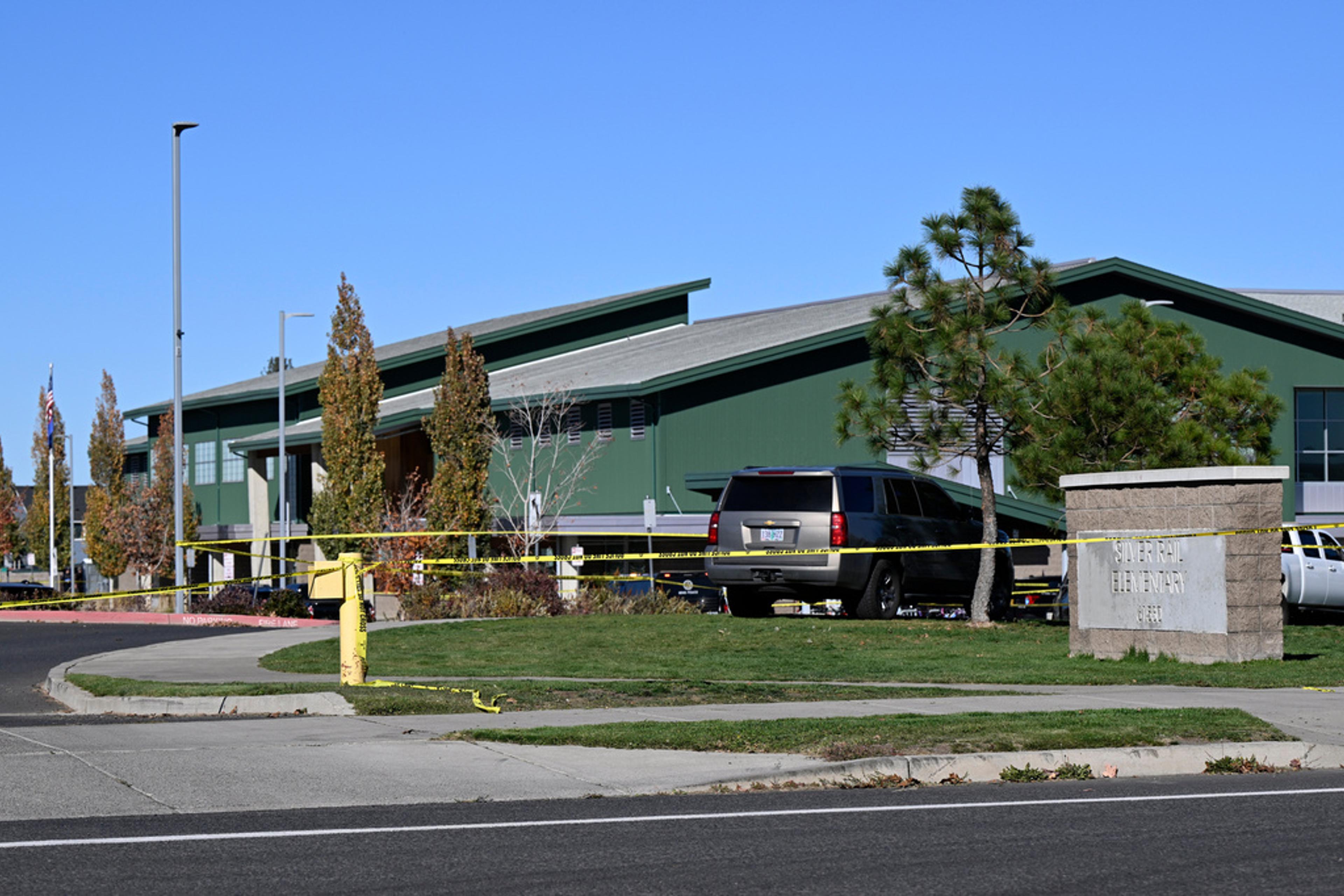
A shooting at Silver Rail Elementary School in Bend, Oregon ended with the suspected attacker dead after being shot by a bystander.
Early accounts said police were first called around 1:00 p.m. about a shot fired into a car. About a minute later, multiple 911 calls said the person had entered the school and started shooting. Law enforcement swarmed the area, and the school was placed on lockdown.
Law enforcement sources described the alleged shooter as 16 years old. The death toll was reported as four people killed, including three children, with early reporting also describing the dead as one adult and three children. Two people were transported to a hospital, but their conditions were not disclosed.
Those are the key details that have been made public so far. What remains is separating what is known from broader questions people immediately ask when a bystander uses deadly force at a school.
Join the Discussion
What is known
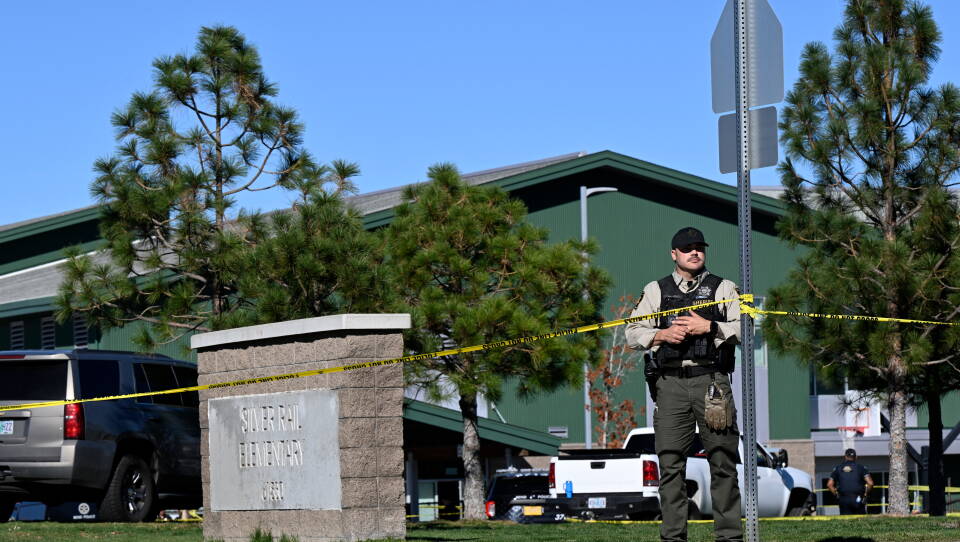
One line sits at the center of the early accounts: the suspected shooter was “shot and killed by a bystander.”
Beyond that, the public picture remains a basic timeline and outcome, described in terms of what was relayed through law enforcement sources and early reporting:
- Initial call: around 1:00 p.m., a report of a shot fired into a car.
- Escalation: about a minute later, multiple 911 calls reporting the person entered the school and began shooting.
- Response: law enforcement swarmed the area and the school was placed on lockdown.
- Suspect: described by law enforcement sources as 16 years old, then shot and killed by a bystander.
- Fatalities: four deaths were reported, three of whom were children, with early reporting describing one adult and three children among the dead.
- Hospitalized: two people were transported to a hospital; conditions were not disclosed.
Other details, including the precise circumstances leading up to the bystander firing, have not been publicly described in the information above.
What it does not answer
This is where legal questions rush in, often faster than facts. The limited public descriptions so far do not, on their own, answer broader questions people often ask in these situations, including how the bystander’s actions will be assessed under applicable law.
What can be said in general terms is that these questions usually turn on very specific, case-by-case details rather than broad slogans.
Two legal lanes
When a shooting happens on school grounds, people often end up mixing two separate topics that can be distinct in law:
- Possession rules: whether a person is allowed to have a firearm on school property under applicable rules.
- Use-of-force rules: whether firing is legally justified at the moment it happens.
The public facts summarized above do not resolve either question here. They only explain why a single event can prompt more than one legal question at once.
Oregon law backdrop
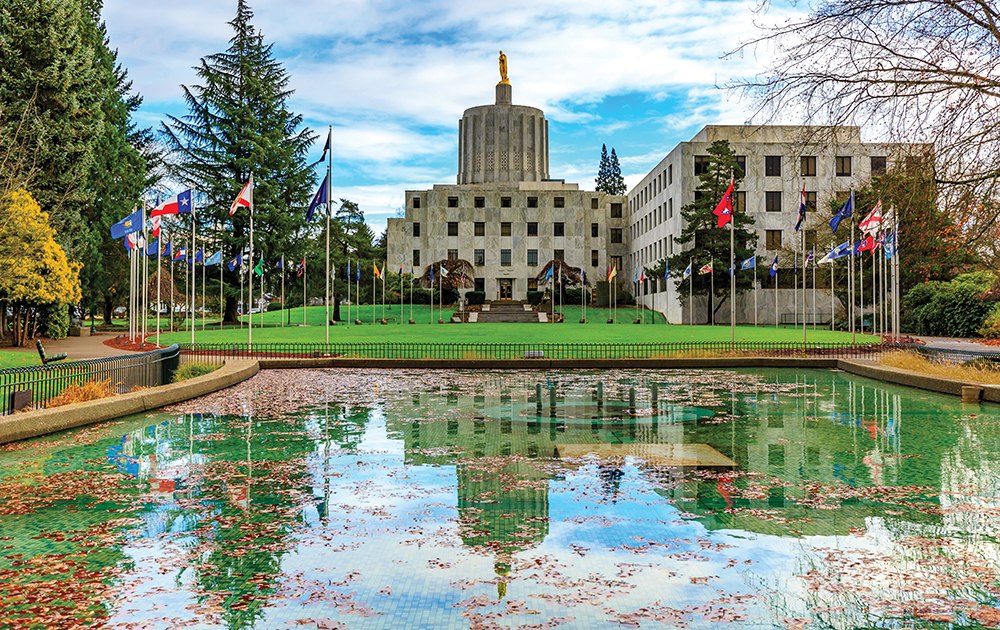
The incident also lands in a state with extensive firearms regulation. The gun-control organization Giffords has given Oregon a grade of A- for gun-law stringency.
Oregon’s listed controls include a red flag law, universal background checks, background check requirements for gun show sales, ammunition regulations, a concealed carry license requirement, and other controls.
Where things stand
What is publicly known remains limited and grim: a suspect described by law enforcement sources as 16 years old, four reported fatalities including three children, two people taken to a hospital, and a bystander who shot and killed the suspect.
Everything else people want answered, including how the bystander’s actions will be evaluated under applicable rules, depends on details that have not been publicly described in the information summarized above.