
You do not have to be a hacker to steal from a federal program. Sometimes you just have to become a student on paper.
That is the logic behind the "ghost student" scam, a scheme that exploits how federal student aid is awarded. On its face, it looks like ordinary enrollment. Names appear in class rosters, accounts are created, forms are submitted. But the "student" is a fabricated identity or a stolen one, used for one purpose: to capture federal student aid funds, loans or grants that were meant for legitimate students.
This has become a key target of the Trump administration's fraud crackdown, with officials faulting Biden-era identity verification policies for opening the door to it. The Education Department has accused the previous administration of requiring less than 1% of students to verify their identity following their FAFSA submission during the COVID-19 pandemic era.
The size of the problem is no longer abstract. The Education Department revealed it blocked more than $1 billion in fraudulent student aid and identified nearly $90 million that had already been fraudulently disbursed, including more than $30 million sent to deceased individuals and more than $40 million routed to companies using bots disguised as fake students.
It is a reminder that when money moves at scale, the incentives for abuse are just as large.
Join the Discussion
What it is
Mallory Wortman, a senior fraud investigator at financial crime prevention firm Abrigo, uses the term plainly: a ghost student is a stolen or fake identity, sometimes created with artificial intelligence (AI), used to enroll in college and collect federal student aid funds, loans or grants.
Think of it as identity fraud with a tuition receipt. The enrollment is the disguise. The aid disbursement is the prize.
Wortman explains why programs like student aid attract scammers: "People, scammers specifically, look for vulnerable places like student loans and unemployment fraud to take advantage of those channels because historically they have been lax in their controls."
How it works
Ghost-student fraud is designed to blend in with normal school processes. Wortman described the core play: fraudsters use a stolen or fake identity to enroll and pursue aid meant for real students.
- Use a stolen or fake identity. Wortman said ghost students can be based on stolen information or completely fabricated identities, sometimes created with AI.
- Enroll at a college. The identity is used to get onto the books as a student.
- Go after aid. The aim is federal student aid funds, loans or grants, rather than an education.
She compared the trick to her own time in community college, where she said she watched students enroll, walk away with a financial aid "refund,"
then suddenly drop out of classes.
"That's kind of what we've seen, straw student schemes turning into today,"
she said, adding today’s fraudsters’ main objective is "attaining the aid rather than pursuing an education."
Red flags
Wortman said there are practical warning signs that can show up before money goes out the door:
- Multiple applications.
- Common information across “different” applicants.
- Unusual enrollment patterns.
- Suspicious account changes right before aid is disbursed.
Similar connections can also show up in banking records, she said, describing how fraudsters use elaborate data breaches and phishing messages to trick victims into providing personal information.
"You're going to have shared information, that unusual movement of funds and then multiple apparently unrelated customers with common either connection activity, IP addresses, and then funds flowing through the account that just don't make sense,"
Wortman said.
Verification
One pressure point is identity verification at the point of application.
In June, the Education Department said it saved taxpayers nearly $200 million after requiring high-risk applicants to present government-issued identification when applying for federal student aid. The identity verification system was integrated into the online FAFSA application, and department officials estimated it will save taxpayers more than $1 billion this cycle.
Enforcement
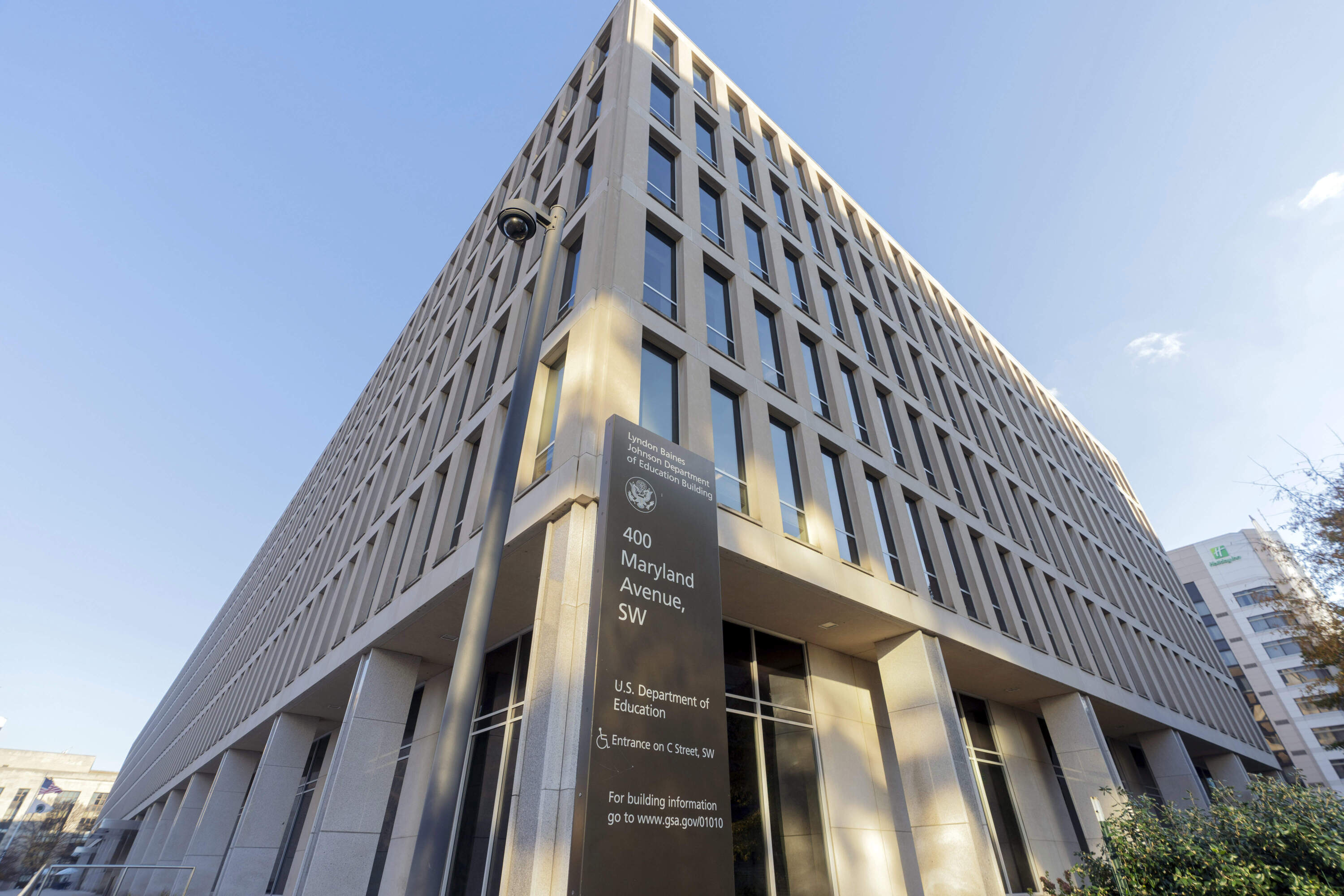
The administration has also paired those safeguards with enforcement efforts.
Vice President JD Vance announced that more than 870,000 borrowers tied to alleged COVID-era fraud would be suspended from future federal loan programs, and he said they could ultimately face federal prosecution.
Why it matters
Wortman’s broader point is simple: if there is an opportunity where government funds are flowing, fraudsters will test it.
"Anytime there's an opportunity where funds are flowing, like financial aid fraud, or another example would be when there's unemployment fraud during COVID, they're gonna use that as a method to get those funds,"
she said.
The stakes are not just administrative. When fraudsters siphon off aid through fake or stolen identities, the losses are real, and the public money meant for students can end up somewhere else entirely.
What you can do
You cannot personally rewrite federal verification rules, but Wortman said the best defense starts with basic vigilance.
"Just be aware and keep tabs on your personal financial information,"
she said.
Ghost-student fraud can begin with ordinary people losing control of their personal information. The scam may look like it happens at a college, but the raw material is identity data.
The bottom line
Ghost students drain federal aid by exploiting a gap between eligibility on paper and identity in real life. The money is real, the student is not.
With the Education Department reporting more than $1 billion blocked in fraudulent student aid and nearly $90 million identified as already fraudulently disbursed, the numbers show why verification and enforcement have become central to the response.
Despite the heightened focus on the fraud, Wortman said the scam is nothing new and that she is "glad"
it is finally being recognized and prevented. "This has been going on, and I'm glad that they're finally doing something about it,"
she said.