
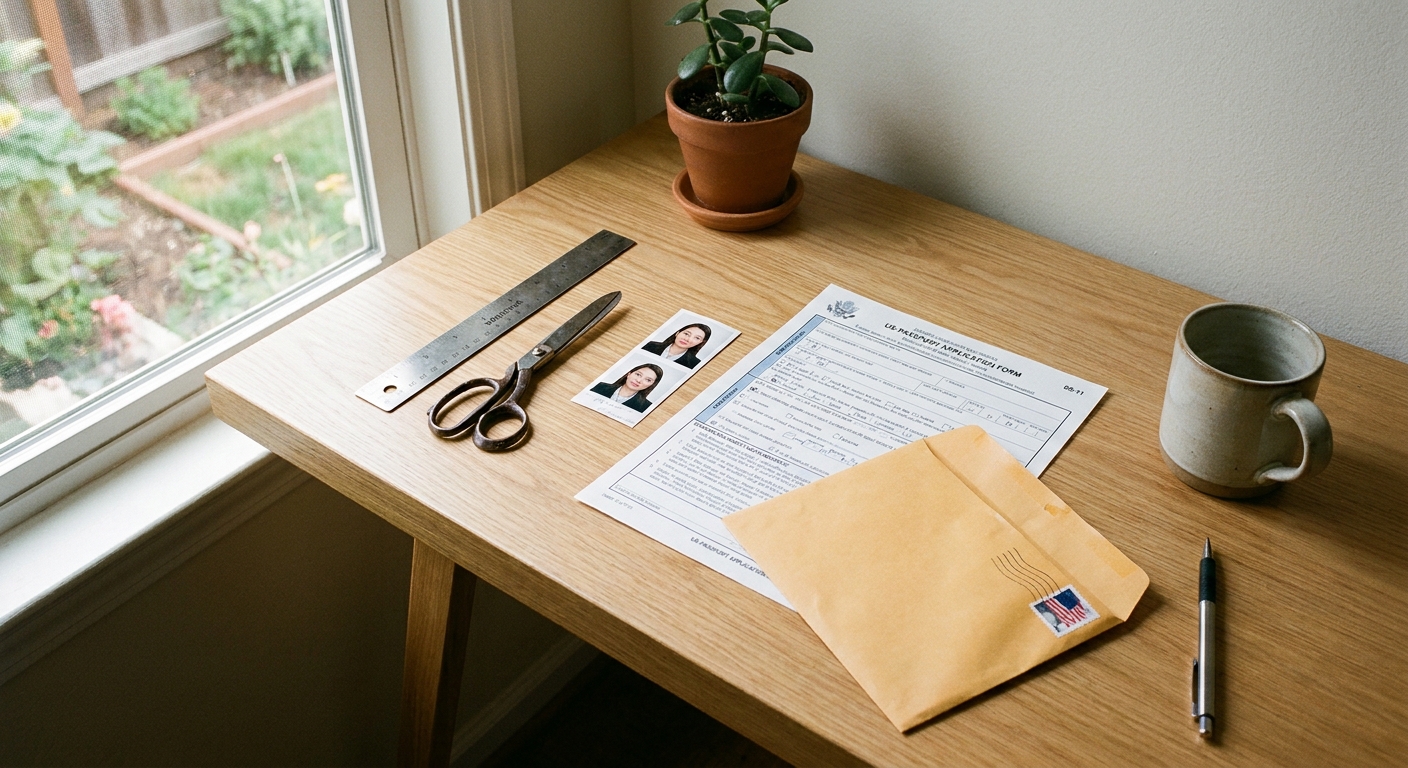
Passport photos are one of those small details that can slow down an application faster than people expect. The photo rules are not universal. Each country sets its own standard dimensions, cropping expectations, and technical requirements, and even a “close enough” print from a retail photo kiosk can be rejected if the head size is off or the background is slightly tinted.
This page lists 24 countries where English is an official language or is widely used in government services, in alphabetical order. It is a curated list, not a complete catalog of every English-using country. When you are preparing a photo, always double-check the most current instructions on your government’s passport site, since requirements can change, and some application channels capture your photo for you.
Important: Requirements can differ for emergency passports, child passports, first-time applications, renewals, and overseas applications. Follow the rules for your exact application channel.
Join the Discussion
Before you print
Even when sizes differ, many passport offices ask for the same basics: a neutral expression, eyes open, face centered, plain background, and no heavy shadows. Glasses are often discouraged or restricted. Head coverings are usually allowed only for religious or medical reasons, and the face must remain fully visible.
Recency note: many authorities require a recent photo (often taken within the last 6 months), but the exact timeframe varies. Use your official guidance as the rule.
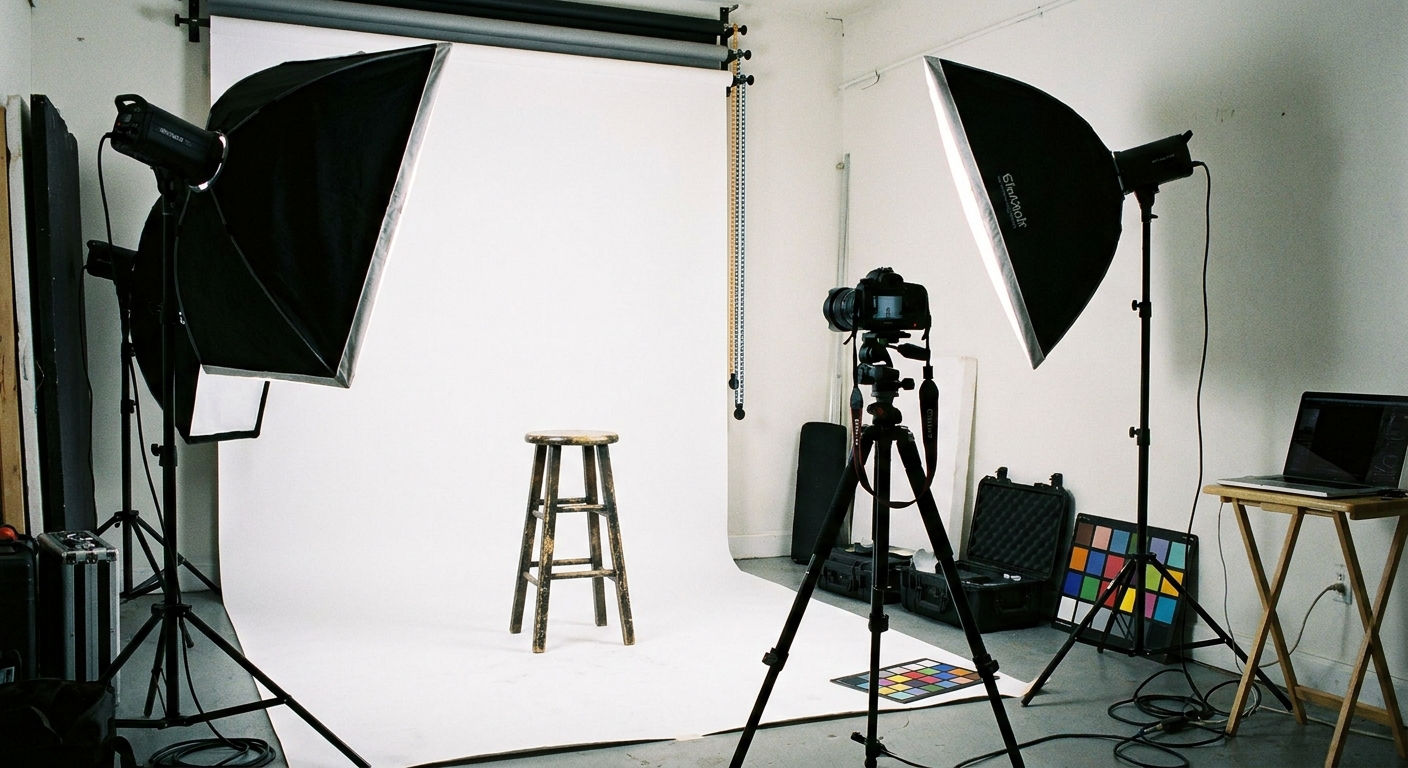
- Use a plain background (often white or off-white) and even lighting.
- Watch head size and position, not just the outer dimensions of the photo.
- Print quality matters: sharp focus, natural color, no filters, no “beauty” retouching.
- Paper and finish matter: if your authority specifies matte or semi-matte, follow that. Avoid glossy prints when gloss is discouraged, and do not submit creased, damaged, or marked photos.
- Avoid common “no” items: headphones or earbuds, other people or objects in frame, uniforms (unless specifically allowed), and hair covering the eyes.
- Check the submission type: some routes require prints, others require a digital upload, and some enrollment centers capture the photo on-site.
Typical digital rules
If your country accepts online uploads, the rules are usually as strict as print specs. Requirements vary by authority, but most systems expect a recent color photo, a plain background, and a standard photo file format (often JPEG). Many portals also enforce minimum pixel dimensions, maximum file size, and limits on compression artifacts. Treat the upload checker on your official passport site as the final judge, since “looks fine” is not the same as “passes validation.”
- Use the original photo file, not a screenshot of a photo.
- Avoid heavy compression and aggressive resizing that creates blur or blocky artifacts.
- Avoid scans of printed photos unless your authority explicitly says scans are accepted.
- Do not rely on auto-fixes (filters, smoothing, background replacement) unless your authority explicitly allows them.
Note for children and babies: some countries allow more flexibility on expression for infants, but the size, background, and clarity rules still apply. Always confirm the child-specific guidance on the official site.
Countries A to Z
Measurement note: sizes below are shown as width × height in millimeters first, with inch equivalents in parentheses for consistency.
Why some entries list exact sizes and others do not: some governments publish a stable, public photo-spec page, while others provide photo rules inside a portal, a checklist PDF, or appointment instructions that can vary by route. Where a firm size is publicly stated on an official page, it is included below. Where it is not, the entry points you to the official route that provides the controlling specification.
Verification note: photo rules can vary by location and application method. Each country section links to the most specific official page available. When a stable, public photo-spec page is not available (common for some portals), the link provided is the official starting point for the application route where the photo requirements are supplied. Where possible, consider checking your authority’s document library for an official checklist PDF or application form that states photo specs, since those can be more explicit than a general service page.
Australia
Australia is known for detailed photo standards, especially face size and clear contrast against a plain, light background. Many applicants use Australia Post outlets that offer passport photo services, but availability and participation can vary, so confirm current options in the official guidance.
Size (Australia): use the exact print size and crop rules shown in the official Australia photo guidance
Background (Australia): plain, light-colored background with clear contrast (follow the official examples and diagrams)
Glasses (Australia): follow current Australian Passport Office guidance; glare and frame coverage are common rejection triggers
Official guidance: Australian Passport Office: Passport photos
Bahamas
In the Bahamas, sizing and background tone can be easy to misjudge, especially if you are printing outside an official photo service. If you are applying from abroad, verify whether your specific application channel expects printed photos or a digital submission.
Size (Bahamas): see the official instructions for your application route
Background (Bahamas): see the official instructions for your application route
Glasses (Bahamas): see the official instructions for your application route
Official guidance: Government of The Bahamas: Passport service
Barbados
Barbados applications can run into problems when the framing drifts, especially if the face is positioned too high or too low, or the background has shadows or texture. Child photos are often the trickiest for centering and keeping the face unobstructed.
Size (Barbados): see the official instructions for your application route
Background (Barbados): see the official instructions for your application route
Glasses (Barbados): see the official instructions for your application route
Official guidance: Government of Barbados: Passport services
Belize
Belize’s most common pitfalls are background tint, uneven lighting, or a print that is slightly off-size. Aim for a clean white or off-white background with no visible shadows.
Size (Belize): see the official instructions for your application route
Background (Belize): see the official instructions for your application route
Glasses (Belize): see the official instructions for your application route
Official guidance: Belize Immigration and Nationality Services: Passport
Canada
Canada’s outer dimensions are easy to confuse with other standards, and head size is also tightly controlled. Many applications also require the photographer’s information and the date the photo was taken, so confirm the current instructions before you print.
Passport photo size (Canada): 50 mm × 70 mm (1.97 in × 2.76 in)
Mandatory head size (Canada): 31 mm to 36 mm (1.22 in to 1.42 in), measured from chin to crown
Background (Canada): plain white or light-colored background
Glasses (Canada): allowed only if eyes are clearly visible and there is no glare; sunglasses and tinted lenses are not accepted
Official guidance: Government of Canada: Passport photos
Dominica
Dominica’s outer size can be straightforward, but the crop can be the deciding factor. Photos can be rejected when the face is too close or the head is not centered. Use even light and leave appropriate space above the head, based on the official diagram for your route.
Size (Dominica): see the official instructions for your application route
Background (Dominica): see the official instructions for your application route
Glasses (Dominica): see the official instructions for your application route
Official guidance: Government of the Commonwealth of Dominica: Passports
Fiji
In Fiji, a clean background and sharp focus are key, especially if you are submitting from a location where reprints take time. Avoid harsh side lighting, which can create facial shadows that trigger rejection.
Size (Fiji): see the official instructions for your application route
Background (Fiji): see the official instructions for your application route
Glasses (Fiji): see the official instructions for your application route
Official guidance: Fiji Immigration Department: Passport
Ghana
Ghana applicants often lose time to lighting problems: strong shadows, glare on the forehead or cheeks, or a background that is not evenly lit. If your route uses digital submission, double-check the portal’s upload requirements before resizing or compressing.
Size (Ghana): see the official instructions for your application route
Background (Ghana): see the official instructions for your application route
Glasses (Ghana): see the official instructions for your application route
Official guidance: Ghana Passport Application: Official portal
Guyana
Guyana can trip applicants up on print quality and framing. Photos taken abroad can be fine, but only if the lab prints to the exact size and the face is positioned correctly within the frame.
Size (Guyana): see the official instructions for your application route
Background (Guyana): see the official instructions for your application route
Glasses (Guyana): see the official instructions for your application route
Official guidance: Ministry of Foreign Affairs and International Cooperation (Guyana): Passport services
India
English is widely used across Indian passport services, and photo standards can be strict at the acceptance stage. Because requirements can vary by Passport Seva Kendra, mission, and service type, treat the official instruction set for your appointment as definitive.
Size (India): see the official instructions for your application route (and your appointment details)
Background (India): see the official instructions for your application route
Glasses (India): see the official instructions for your application route
Official guidance: Passport Seva (India): Official portal
Ireland
Ireland’s guidance emphasizes a natural appearance and accurate color. Skip filters and beauty edits, and make sure skin tones and background color look realistic.
Passport photo size (Ireland): 35 mm × 45 mm (1.38 in × 1.77 in)
Background (Ireland): plain light grey or off-white background (no shadows)
Glasses (Ireland): allowed only if eyes are clearly visible and there is no glare; tinted lenses are not accepted
Official guidance: Ireland.ie: Photograph guidelines
Jamaica
In Jamaica, focus on clean lighting and straight-on framing: avoid glare, shadows behind the head, and a slightly off-center crop. If you wear glasses, check the current official rules first, since glare and frame coverage often cause rejections.
Size (Jamaica): see the official instructions for your application route
Background (Jamaica): see the official instructions for your application route
Glasses (Jamaica): see the official instructions for your application route
Official guidance: PICA Jamaica: Passport services
Kenya
Kenya applications can involve strict digital checks when you upload a photo. Avoid heavy compression and make sure the image is sharp at full size. For prints, keep the crop centered and the background truly plain.
Size (Kenya): see the official instructions for your application route (including any eCitizen steps)
Background (Kenya): see the official instructions for your application route
Glasses (Kenya): see the official instructions for your application route
Official guidance: Directorate of Immigration Services (Kenya): Passports
Malta
Malta’s requirements are typically presented as part of Identità Malta instructions for your route. The usual problems are background tint, shadows, and photos that look slightly soft after printing. Use a plain wall, avoid shadows behind the head, and make sure the print is crisp.
Size (Malta): see the official instructions for your application route (Identità Malta)
Background (Malta): see the official instructions for your application route (Identità Malta)
Glasses (Malta): see the official instructions for your application route
Official guidance: Identità Malta: Passports
New Zealand
New Zealand is strict about photo quality, and its online guidance and tools help applicants spot problems early. Neutral lighting and correct cropping go a long way, especially for digital uploads.
Passport photo size (New Zealand): 35 mm × 45 mm (1.38 in × 1.77 in)
Background (New Zealand): plain light background (no patterns or shadows)
Glasses (New Zealand): allowed only if eyes are clearly visible and there is no glare; sunglasses and tinted lenses are not accepted
Official guidance: New Zealand Passports: Passport photos
Nigeria
Nigeria processes a high volume of applications, so consistency matters: correct size, correct background, and a photo that looks like you today. If you are using an online portal, treat pixel and file-size rules as mandatory, not suggestions.
Size (Nigeria): see the official instructions for your application route
Background (Nigeria): see the official instructions for your application route
Glasses (Nigeria): see the official instructions for your application route
Official guidance: Nigeria Immigration Service: Passport
Pakistan
English is widely used in Pakistan’s passport services, especially in online and overseas application guidance. The safest approach is to follow the photo size and crop rules exactly as stated for your route, since overseas missions and appointment flows can have additional constraints.
Size (Pakistan): see the official instructions for your application route (portal or mission guidance)
Background (Pakistan): see the official instructions for your application route
Glasses (Pakistan): see the official instructions for your application route
Official guidance: Directorate General Immigration & Passports (Pakistan): Official site
Philippines
English is widely used in Philippine government services, and photo sizing is a common practical question for applicants. In many cases, photo capture is handled at official DFA processing sites, which means applicants may not need to bring printed photos. If you are instructed to supply a photo for a specific process, including some overseas or exception cases, follow the exact dimensions and background requirements in the current DFA or embassy guidance for that route.
Size (Philippines): often captured on-site. If you are explicitly required to provide photos, use the size stated in that instruction
Background (Philippines): as specified by your DFA office or embassy instructions
Glasses (Philippines): as specified by your DFA office or embassy instructions; many capture setups will ask you to remove them
Official guidance: DFA Office of Consular Affairs (Philippines): Passport requirements
Singapore
Singapore’s passport process is highly digitized, and uploads can be rejected quickly for cropping, background tone, or file issues. Use neutral lighting, avoid shadows, and do not over-compress the image.
Passport photo size (Singapore): 35 mm × 45 mm (1.38 in × 1.77 in)
Background (Singapore): plain white background
Glasses (Singapore): remove glasses unless the current ICA guidance allows an exception for your situation
Official guidance: ICA Singapore: Passport photo guidelines
South Africa
South Africa is a good example of why you should not assume a global standard. Guidance can differ by application channel and location. If you are applying through a channel that requires you to submit photos, use the exact size and background rules stated for that channel.
Size (South Africa): see the official instructions for your application route (including any downloadable forms or checklists)
Background (South Africa): see the official instructions for your application route
Glasses (South Africa): see the official instructions for your application route
Official guidance: Department of Home Affairs (South Africa): Passports
Trinidad and Tobago
Trinidad and Tobago is sometimes assumed to use the square 2 in × 2 in format, but requirements can vary by application type and where you apply. Confirm whether your route expects printed photos or a digital photo, and review any child-specific instructions if you are applying for a minor.
Size (Trinidad and Tobago): see the official instructions for your application route, especially any official checklist or form
Background (Trinidad and Tobago): see the official instructions for your application route
Glasses (Trinidad and Tobago): see the official instructions for your application route
Official guidance: Government of the Republic of Trinidad and Tobago: Get a passport
Note: you may also see third-party service sites that are not government domains. Use a government domain as your primary source of photo rules.
Uganda
Uganda’s passport process often involves online steps, and photo requirements may be presented as part of the workflow. The practical keys are still the same: a plain background, even lighting, and a clean crop.
Size (Uganda): see the official instructions for your application route
Background (Uganda): see the official instructions for your application route
Glasses (Uganda): see the official instructions for your application route
Official guidance: Directorate of Citizenship and Immigration Control (Uganda): Passports
United Kingdom
The UK rules are famously specific, especially for online applications. Many UK applications use a digital photo, and printed photos are typically for specific channels only. The government provides detailed guidance and tools to check your photo before submission.
Passport photo size (United Kingdom, prints where accepted): 35 mm × 45 mm (1.38 in × 1.77 in)
Background (United Kingdom): plain light grey or off-white background (no shadows)
Glasses (United Kingdom): remove glasses unless you have a medical reason that fits the current UK guidance
Official guidance: GOV.UK: Photos for passports
United States
The United States uses a 2 in × 2 in photo, and official guidance is very specific about head size, background, and acceptable edits. The easiest way to avoid problems is even lighting against a plain white wall, with no shadows and no glare.
Passport photo size (United States): 51 mm × 51 mm (2 in × 2 in)
Background (United States): plain white or off-white background
Glasses (United States): not allowed (remove them unless you have a documented medical exception)
Official guidance: U.S. Department of State: Photo requirements
Quick checklist
If your photo gets rejected, it is usually for one of a handful of reasons. Here is a practical checklist you can run through before you submit again.
- Wrong dimensions: the print size must match exactly (and the upload must meet any pixel rules).
- Incorrect head size: face is too large or too small within the frame.
- Background problems: tinted, textured, shadowed, or patterned walls often cause issues.
- Lighting: harsh shadows, red-eye, glare on glasses, or bright hotspots on skin.
- Expression and pose: smile too broad, head tilted, eyes not fully open.
- Obstructions: hair over eyes, headphones, hats (unless allowed), or another person or object in frame.
- Over-editing: filters, smoothing, or changes that alter natural features.
- Print issues: glossy finish when gloss is discouraged, creases, marks, or damage.
- Too old: the photo is outside the recency window stated by your authority.
Sources
Passport photo requirements are administrative rules, and they can change as countries update their systems or expand online tools. The links below are the official pages used to verify the claims that are stated as firm requirements in this article. For countries that do not publish a stable, explicit public photo-spec page, the link provided is the official starting point for the application route where the photo requirements are supplied. If your route provides an official application form or checklist PDF with photo specifications, that document should be treated as the most direct source for your submission.
- https://www.passports.gov.au/get-passport/how-get-passport/passport-photos
- https://www.bahamas.gov.bs/wps/portal/public/gov/government/services/passport
- https://www.gov.bb/Services/Passport-Services
- https://www.nationality.gov.bz/index.php/passport
- https://www.canada.ca/en/immigration-refugees-citizenship/services/canadian-passports/photos.html
- https://dominica.gov.dm/services/passports
- https://www.immigration.gov.fj/passport/
- https://passport.mfa.gov.gh/
- https://www.minfor.gov.gy/passport-services/
- https://www.passportindia.gov.in/
- https://www.ireland.ie/en/dfa/passports/how-to-apply-for-a-passport/photograph-guidelines/
- https://www.pica.gov.jm/services/passport/
- https://immigration.go.ke/passports/
- https://identita.gov.mt/passports/
- https://www.passports.govt.nz/passport-photos/
- https://immigration.gov.ng/passport/
- https://dgip.gov.pk/
- https://dfa-oca.ph/passport/passport-requirements/
- https://www.ica.gov.sg/documents/passport/photo-guidelines
- https://www.dha.gov.za/index.php/passports
- https://www.gov.tt/services/get-a-passport
- https://www.immigration.go.ug/services/passports
- https://www.gov.uk/photos-for-passports
- https://travel.state.gov/content/travel/en/passports/how-apply/photos.html