
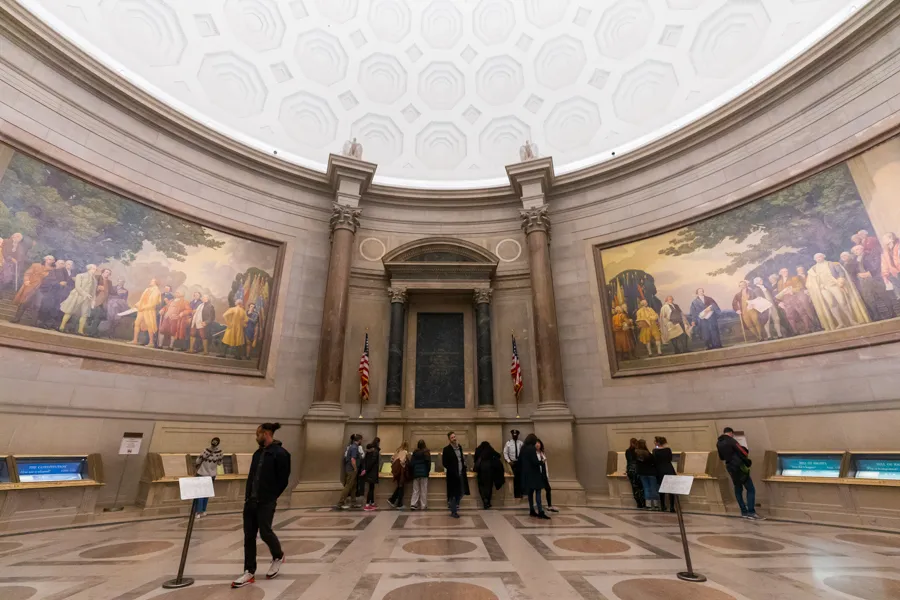
One of the oldest American arguments keeps resurfacing with a fresh coat of paint. When the country feels threatened, do we loosen constitutional limits to get through the moment, or does loosening them become the real danger?
You have heard the line in debates about war, terrorism, and emergencies: “the Constitution is not a suicide pact.” It is shorthand for a hard claim: guaranteed liberties have edges, and there are times when officials insist state security has to come first.
I do not think the instinct is automatically reckless. What worries me is how fast “temporary” turns into habit, and how an exception, once tolerated, starts to feel like the default.
Join the Discussion
The phrase
The slogan exists because governing is not a classroom exercise. A constitution cannot safeguard a society that collapses. When leaders believe the nation is in genuine danger, they argue the document must be read with enough flexibility to keep the country intact.
The line is attributed to Abraham Lincoln during the uproar over his 1861 suspension of habeas corpus. The underlying dispute never really goes away: what does it mean to be “faithful” when strict compliance is said to invite disaster?
Jefferson
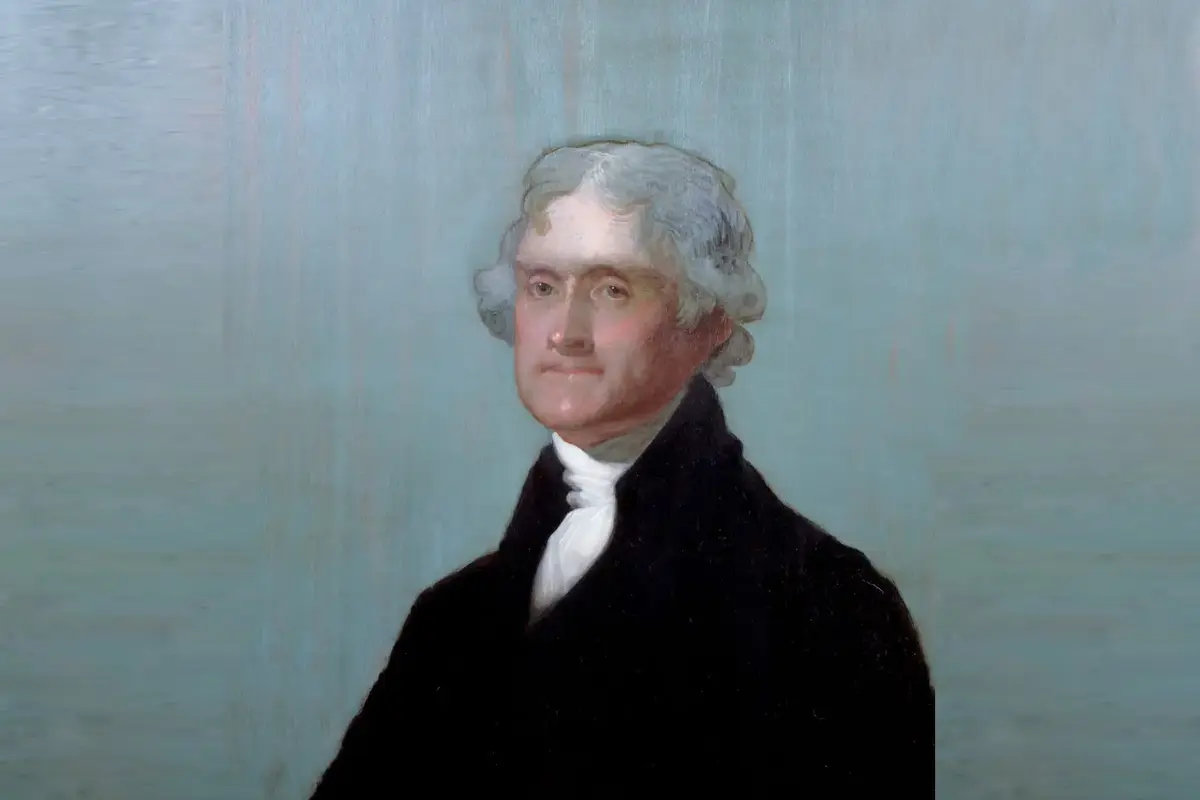
Thomas Jefferson confronted a version of the same problem in 1803. His ambassadors to France arranged the purchase of the Louisiana territory, even though Jefferson believed the Constitution did not give the federal government the authority to acquire or hold foreign territory. Political considerations carried the day, and he went forward anyway.
Justifying the choice, Jefferson wrote:
“A strict observance of the written law is doubtless one of the high duties of a good citizen, but it is not the highest. The laws of necessity, of self-preservation, of saving our country when in danger, are of higher obligation. To lose our country by a scrupulous adherence to the written law, would be to lose the law itself, with life, liberty, property and all those who are enjoying them with us; thus absurdly sacrificing the ends to the means.”
It is a powerful defense. It can also be overused. The real fight is usually not over whether the nation should be protected. It is over who gets to declare “necessity,” and what restraints remain once that label is applied.
Terminiello
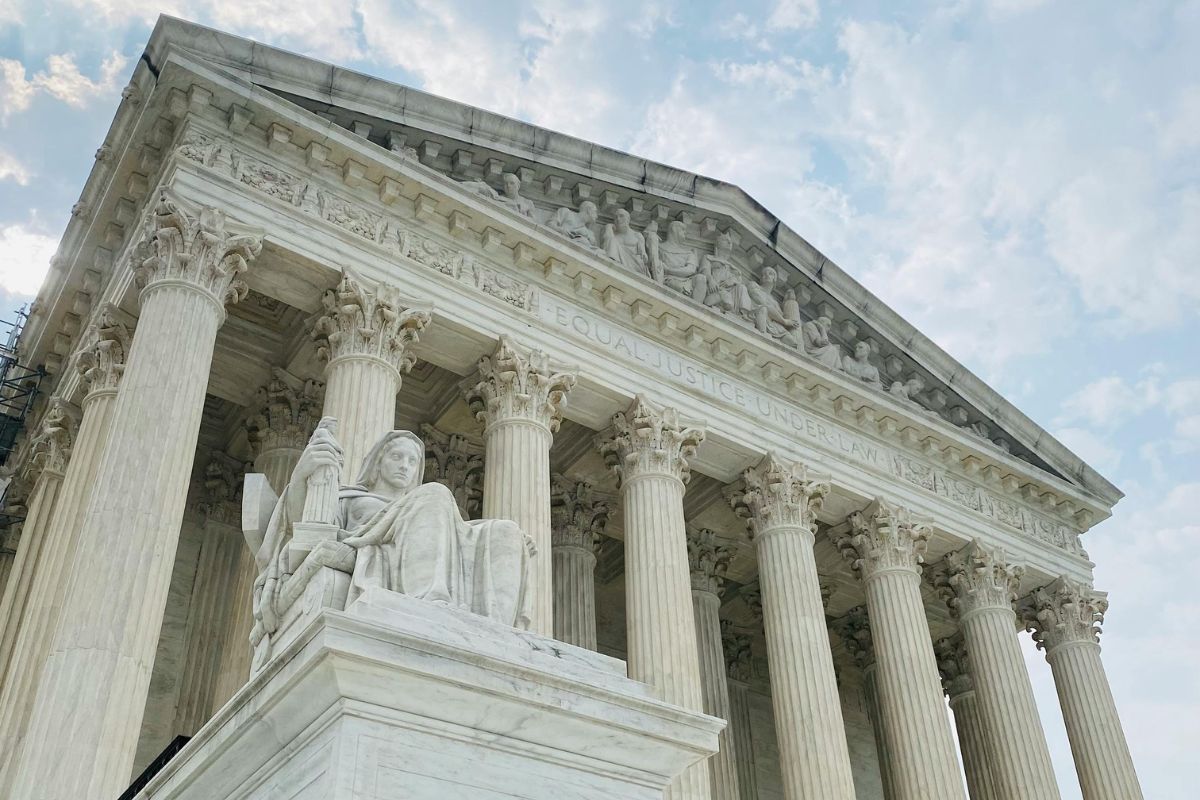
The Supreme Court wrestled with the same tension in Terminiello v. City of Chicago (1949). A priest’s fiery speech set off violence in the streets, and Chicago prosecuted him for disorderly conduct. The Court reversed that conviction, concluding that using the city’s breach-of-the-peace ordinance in that situation conflicted with the First Amendment.
Justice William O. Douglas wrote for the majority:
“Freedom of speech, though not absolute, is nevertheless protected against censorship or punishment, unless shown likely to produce a clear and present danger of a serious substantive evil that rises far above public inconvenience, annoyance, or unrest. There is no room under our Constitution for a more restrictive view.”
Justice Robert Jackson dissented. He faulted the majority for a rigid, “doctrinaire” approach that brushed past consequences, and he offered the warning that later generations turned into a catchphrase:
“The choice is not between order and liberty. It is between liberty with order and anarchy without either. There is danger that, if the Court does not temper its doctrinaire logic with a little practical wisdom, it will convert the constitutional Bill of Rights into a suicide pact.”
After 9/11
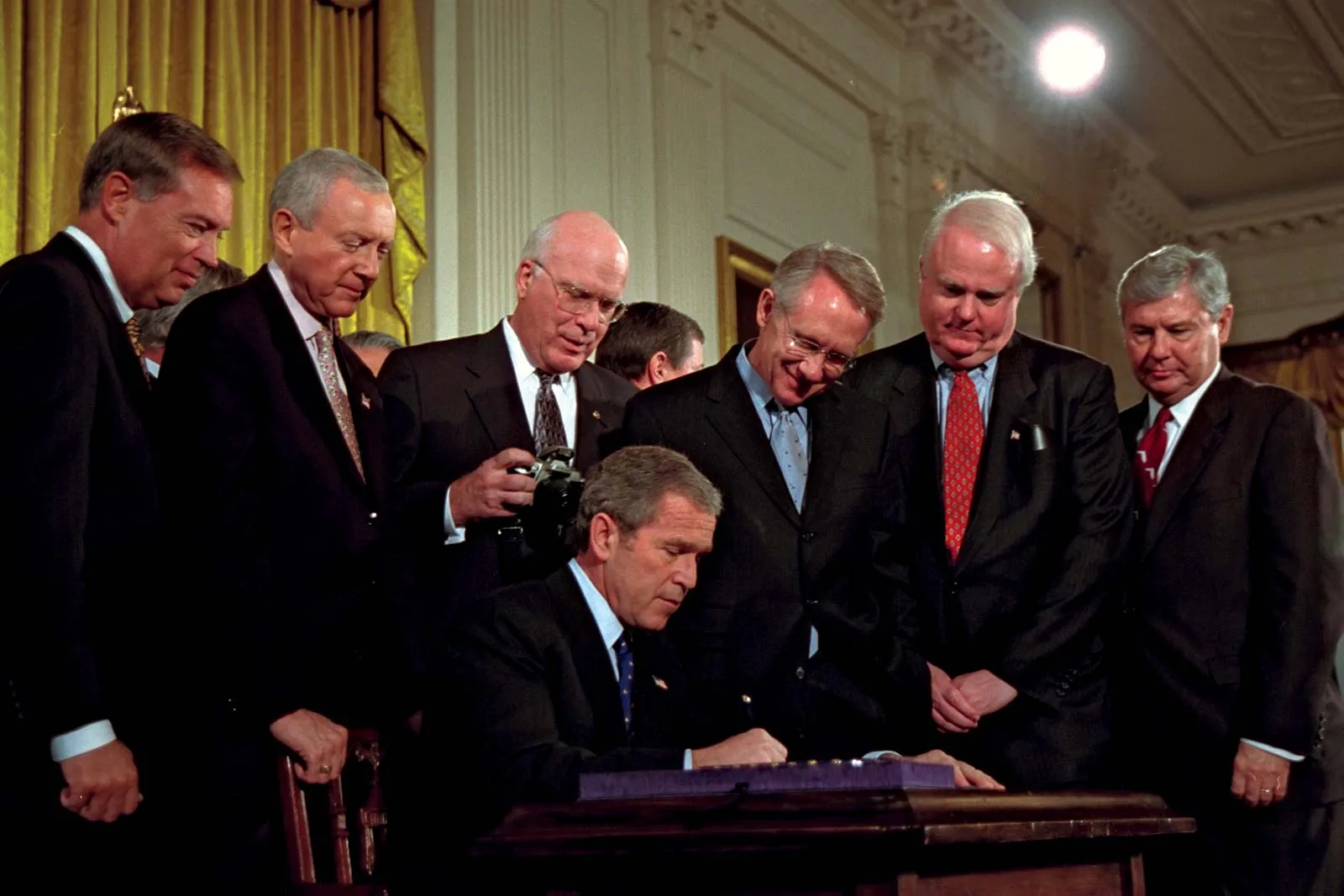
After the September 11, 2001 terrorist attacks, the same logic returned as officials defended counterterrorism policies that put threat reduction ahead of civil liberties. The USA PATRIOT Act became a prime example, broadening surveillance authority in the name of prevention.
Guantanamo Bay fit the same rationale. Detainees could be held indefinitely, and interrogations focused on producing intelligence about al-Qaeda networks. Some assessments have said that information obtained from detainees helped enable interventions that preserved lives.
What stays with me is not the impulse toward extraordinary measures after catastrophe. It is how quickly “extraordinary” starts to feel ordinary.
Bayer
Legal scholar Peter Brandon Bayer argues for the opposite posture. In his view, the Constitution should be a “suicide pact” in this sense: unwavering commitment to the due process clauses and their “fundamental fairness” principles is America’s highest legal obligation, greater than safety, security, and even survival.
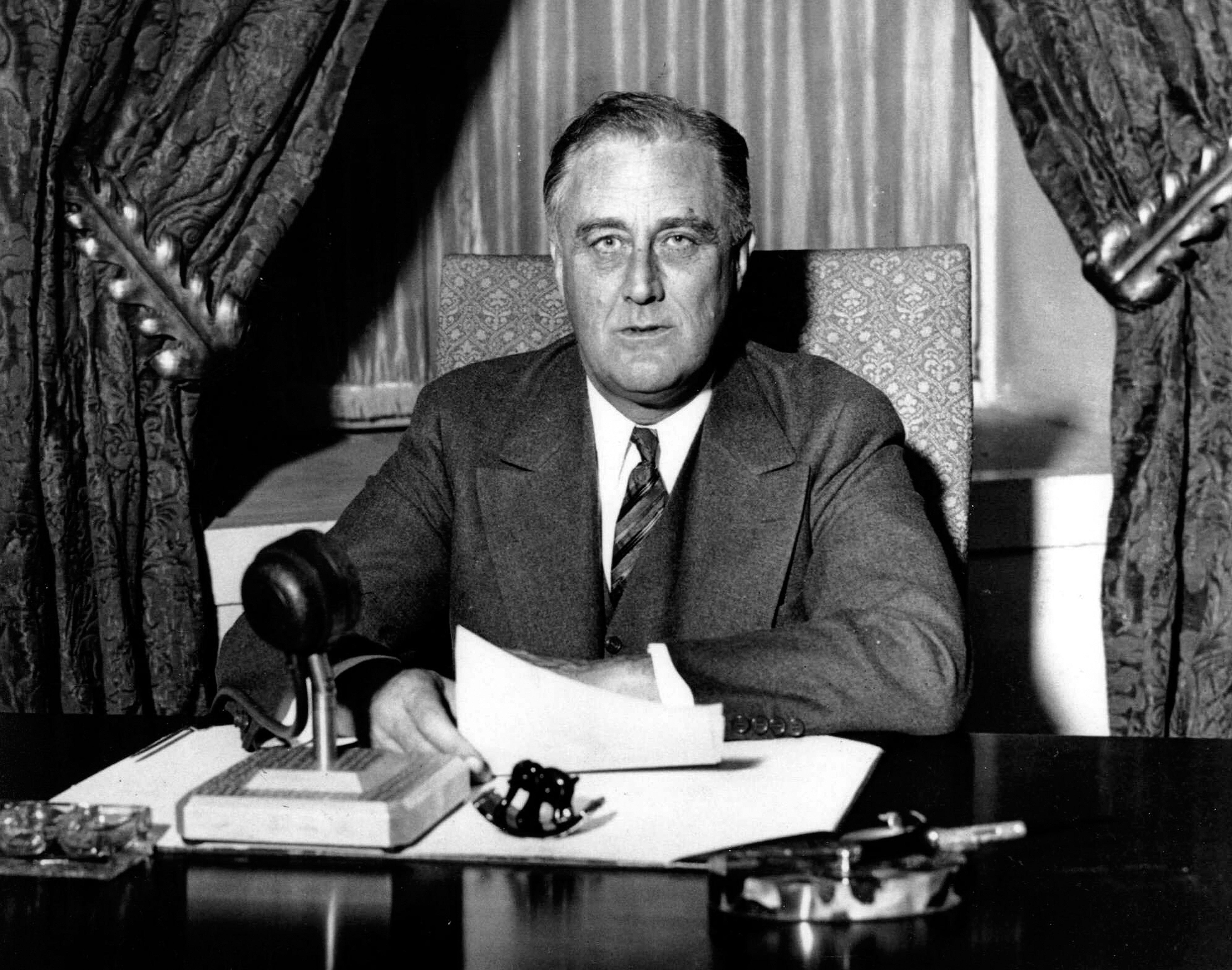
On that account, the Constitution’s fixed meaning demands loyalty to text and history, not improvisation tailored to the crisis of the day. The fear is corrosion by degrees: a one-time departure becomes a pattern, and patterns become the new standard. Those who share this outlook point to President Franklin Roosevelt’s court-packing proposal and Roosevelt’s authorization of the internment of Japanese-Americans as reminders of what “exceptional times” reasoning can produce.
Today
This debate stops being academic the minute you apply it to current politics. The skeleton of the question stays the same even when the names change: what is the threat, and what responses belong inside a constitutional system?
The people of Michigan elected Abdul El-Sayed to the Senate. He said on Meet the Press in October that neither he nor any member of his family has ties to the Muslim Brotherhood, the Islamist group that gave us Hamas. His half-sister, Eman Abdelhadi, has said otherwise, stating that the family “has long been” active in the Brotherhood’s Egyptian branch.
El-Sayed has never disavowed the Muslim Brotherhood. In 2012, he co-signed an Arabic-language letter urging a fundamentalist Islamic society to take power so it could impose the totalitarian sharia law system. The letter praised “the revolutionary decisions taken by the president” (Egyptian president Mohamed Morsi), urged him to “purge the media and the police as quickly as possible,” and said the signers “strongly reject those voices that are courting America and Europe to take a position against the Egyptian regime.” In plain terms, what he backed was a purge designed to clear away institutions that might resist strict sharia enforcement.
He has relationships with radical socialist Linda Sarsour, streamer Hasan Piker, and Horace Sheffield, an ally of antisemitic Nation of Islam leader Louis Farrakhan.
Critics argue these details should be taken together rather than brushed off as disconnected episodes. They also argue that nothing in El-Sayed’s public posture signals any break with the Muslim Brotherhood’s aims.
Andrew C. McCarthy summarized the concern this way: “The Brotherhood is an anti-Western organization, and the Brotherhood’s fundamentalist brand of sharia is incompatible with the U.S. Constitution”
A study argued that pro-Palestinian activism on American college campuses, and its pull inside Democrat politics, was not simply a spontaneous burst of grassroots outrage. Instead, it described a long-term effort that traces back to the Muslim Brotherhood’s 1991 strategic blueprint.
Put that next to Douglas’s standard from Terminiello. Are we looking at “a clear and present danger of a serious substantive evil that rises far above public inconvenience, annoyance, or unrest”?
Then the question that never goes away arrives right on time: who decides?
Michigan has been flirting with this “suicide pact” question since 2019, when it elected Rashida Tlaib, who has been linked to groups including Hamas. Tlaib also downplayed concerns about El-Sayed’s ties to the Muslim Brotherhood.
Dual loyalties
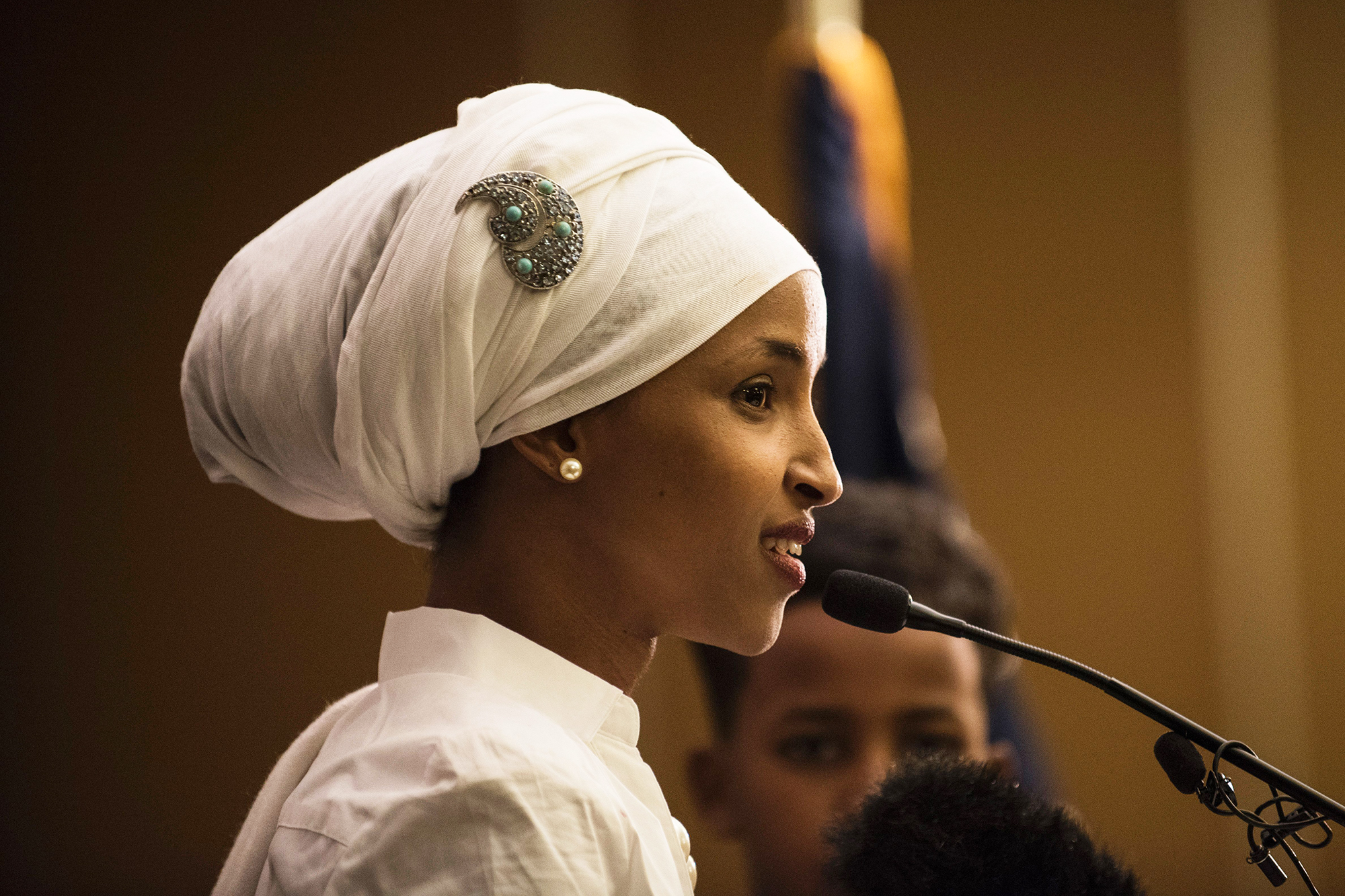
Minnesota adds another angle. Rep. Ilhan Omar encouraged constituents to “sleep in comfort” knowing that she would “protect the interests of Somalia from inside the U.S. system.”

Illinois has its own flashpoint. Rep. Delia Ramirez said, “I’m a proud Guatemalan before I’m an American.”
Glenn Beck argued that statements like Ramirez’s point to a broader problem:
“The rise of dual loyalties in Congress is a dangerous trend. Rep. Ramirez’s allegiance to Guatemala calls into question her commitment to America’s laws and sovereignty. ... What happens when a member of Congress chooses to place her allegiance with another country over the United States? ... If we don’t demand that our elected leaders place their loyalty to the United States above all else, then we risk the very foundation of this republic.”
Once again, Douglas’s language is the measuring stick. Is this simply protected speech that offends and inflames? Or is it the kind of thing a country can reasonably treat as dangerous?
Even when your own answer feels obvious, the follow-up does not change: who decides?
My view
You now have enough of the framework to make your own call.
My call is this: I can see the pull of both instincts, but I side with Bayer. I have faith that our Founding Fathers got it right, and that the moment to hold tight to “fundamental fairness” is the moment when doing so costs the most.